New York Becomes First State to Mandate All-Electric New Construction Following Final Regulatory Approval

New York has officially established itself as the first state in the nation to prohibit fossil fuel hookups in most new building constructions, a landmark move aimed at decarbonizing the state’s significant building sector and setting a precedent for climate policy across the United States. The mandate was finalized following the approval of the State Fire Prevention and Building Code Council in late July 2025, marking the final administrative hurdle for the All-Electric Buildings Act. This legislation, which was initially passed in 2023, represents a cornerstone of New York’s broader strategy to meet the ambitious greenhouse gas reduction targets set forth in the Climate Leadership and Community Protection Act (CLCPA).
Under the newly finalized rules, the transition to all-electric infrastructure will follow a tiered implementation schedule based on building size and type. Residential buildings up to seven stories tall, as well as commercial and industrial buildings smaller than 100,000 square feet, must comply with the new standards if their building permit applications for initial construction are approved on or after December 31, 2025. Larger structures, including commercial and industrial buildings exceeding 100,000 square feet, are granted a longer transition period, with the mandate taking effect for these projects in 2029.
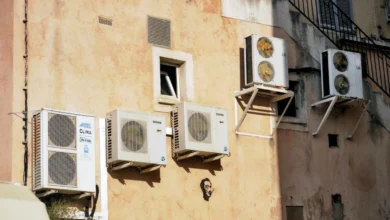
The shift toward electrification is designed to phase out the use of natural gas, propane, and oil for heating, cooling, and cooking in new developments. Instead, developers will be required to install high-efficiency electric systems, such as air-source or ground-source heat pumps and induction cooktops. By targeting new construction, state officials aim to prevent the "lock-in" of fossil fuel infrastructure that would otherwise remain in place for decades, complicating future decarbonization efforts.
A Strategic Response to the Climate Crisis
The primary driver behind the All-Electric Buildings Act is the significant environmental footprint of the state’s built environment. According to the New York State Department of Environmental Conservation, buildings are responsible for approximately 31% of all greenhouse gas emissions statewide, the largest share of any sector. These emissions result primarily from the onsite combustion of fossil fuels for space heating and water heating.
New York’s climate goals are among the most rigorous in the world, mandating an 85% reduction in greenhouse gas emissions from 1990 levels by 2050. State officials and environmental advocates argue that achieving these targets is impossible without a fundamental shift in how buildings are powered and heated. The electrification of new buildings is seen as the "low-hanging fruit" of this transition, as it is generally more cost-effective to build all-electric from the start than to retrofit existing gas-heated buildings later.
Legal Challenges and the Berkeley Precedent
The path to finalizing the All-Electric Buildings Act was marked by significant legal uncertainty. Fossil fuel industry groups and construction trade associations challenged the law in federal court, arguing that the state’s mandate was preempted by federal law. Specifically, the plaintiffs cited the Energy Policy and Conservation Act (EPCA), which gives the federal government the authority to set energy efficiency standards for appliances.
This legal argument gained national attention following a 2023 ruling by the U.S. Court of Appeals for the Ninth Circuit, which struck down a similar gas ban in Berkeley, California. The court in that case ruled that Berkeley’s ordinance interfered with federal authority by effectively banning the use of appliances that meet federal standards.
However, in July 2025, the U.S. District Court for the Northern District of New York ruled in favor of the state. The court found that New York’s approach—which integrates the requirements into the state’s building and fire codes—was distinct from Berkeley’s direct ban on infrastructure. The ruling provided the legal green light necessary for the Building Code Council to finalize the regulations. Despite this victory for the state, industry groups have reportedly requested that the U.S. Department of Justice intervene, suggesting that the legal battle may continue in higher courts.
Economic Implications for Homeowners and Developers
While the mandate has faced opposition from those concerned about rising costs, data from several energy and economic institutes suggest that electrification may provide long-term financial benefits. A study by the New Buildings Institute (NBI) indicates that building 100% electric single-family homes can result in construction savings of approximately $7,500 to $8,200 compared to conventional homes, primarily due to the elimination of gas piping, meters, and venting infrastructure.

For residents, the transition is expected to lower utility bills over time. Analysis suggests that all-electric homes in New York could see a reduction in energy usage of approximately 17%. Over a 30-year period, this is projected to save the average household nearly $5,000 in energy costs. These savings are largely attributed to the high efficiency of modern heat pumps, which can provide three to four times more energy in the form of heat than they consume in electricity.
Furthermore, proponents point to the volatility of natural gas prices as a risk factor for homeowners. By tethering building energy needs to the electrical grid—which is increasingly being powered by renewable sources like offshore wind and solar—the state aims to provide more stable and predictable energy costs for its citizens.
Implementation Timeline and Exemptions
The All-Electric Buildings Act is not a universal ban; it includes specific exemptions for facilities where electric alternatives may not yet be technologically or economically feasible. These exemptions include:
- Agricultural Buildings: Structures used for farming operations.
- Medical Facilities: Hospitals and urgent care centers requiring specific sterilization or emergency power systems.
- Laboratories: Research facilities with specialized heating or ventilation needs.
- Crematoriums: Facilities requiring high-temperature combustion.
- Commercial Kitchens: While residential stoves must be electric, some commercial restaurants may qualify for exemptions based on specific cooking requirements, though the criteria remain stringent.
- Emergency Standby Power: The law does not prohibit the use of fossil fuel generators for emergency backup power.
The timeline for compliance is as follows:
- December 31, 2025: Mandate begins for new residential buildings under seven stories and commercial buildings under 100,000 square feet.
- 2029: Mandate expands to include all new commercial and industrial buildings regardless of size, including skyscrapers and large-scale manufacturing plants.
Stakeholder Reactions and Social Impact
The finalization of the rule has drawn sharp reactions from both supporters and critics. Environmental justice organizations have hailed the move as a victory for public health. "The fossil fuel industry was sent a powerful message by the court in this case—the health, well-being, affordability, and prosperity of our communities matters more than the industry’s profits and the hollowness of its fear-mongering," said Dawn Wells-Clyburn, executive director of PUSH Buffalo. Advocates point out that gas stoves are a significant source of indoor air pollution, linked to increased rates of childhood asthma and other respiratory issues.
Conversely, some labor unions and gas utility companies have expressed concern regarding the impact on jobs in the gas sector and the reliability of the electrical grid. The New York Independent System Operator (NYISO) has previously noted that as the state shifts toward electric heating, the grid will eventually transition from a summer-peaking system (driven by air conditioning) to a winter-peaking system. This will require significant investments in grid modernization and energy storage to ensure reliability during extreme cold snaps.
Alex Beauchamp, Northeast region director at Food & Water Watch, emphasized the grassroots effort required to pass the bill. "When New Yorkers come together… we can win even in the face of opponents with an almost-limitless budget," Beauchamp stated. He added that the next phase of the climate fight will focus on transitioning New York’s massive inventory of existing buildings away from fossil fuels.
Broader Impact on the National Energy Landscape
New York’s success in defending its all-electric mandate in court is being closely watched by other states and municipalities. Washington State and several cities in the Northeast have explored similar measures but have often been deterred by the legal precedents set in California. New York’s strategy of utilizing the state building code rather than local ordinances provides a potential roadmap for other jurisdictions looking to bypass the "Berkeley" legal hurdle.
As the December 2025 deadline approaches, the construction industry in New York is expected to undergo a rapid transformation. Architects and engineers are increasingly prioritizing "Passive House" standards and high-performance envelopes to complement electric heating systems. The state is also ramping up incentive programs through NYSERDA (New York State Energy Research and Development Authority) to assist developers and homeowners with the upfront costs of heat pump installation.
Ultimately, the All-Electric Buildings Act represents a fundamental shift in the philosophy of urban development. By decoupling new growth from fossil fuel consumption, New York is betting on a future where the built environment serves as a tool for climate mitigation rather than a primary driver of carbon emissions. The success of this initiative will likely depend on the continued resilience of the law against legal challenges and the state’s ability to scale its electrical grid to meet the new demand.