Pristine Forest and Endangered Gorilla Habitat at Risk as Half of DRC Opened to Bids for Oil and Gas Drilling: Report

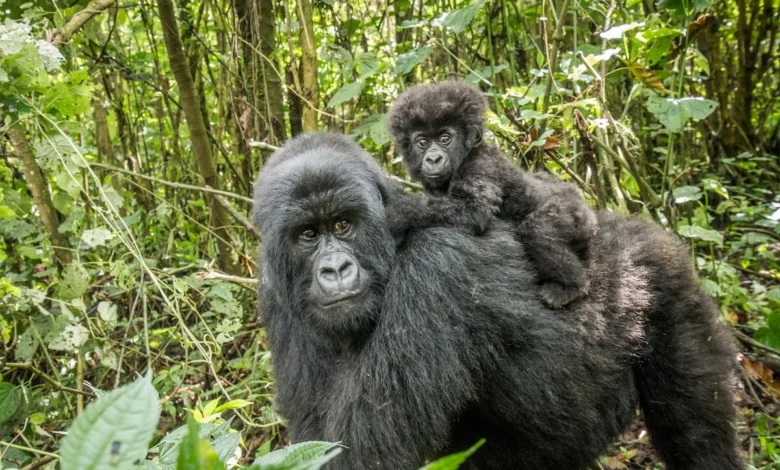
The Democratic Republic of the Congo (DRC) has reached a critical environmental crossroads as its government moves forward with plans to open more than 53 percent of the nation’s land area to oil and gas exploration. This massive expansion of the extractive industry encompasses approximately 306 million acres of territory, including some of the most ecologically sensitive and carbon-rich landscapes on the planet. According to a comprehensive new report by Earth Insight titled "Forests to Frontlines: Oil Expansion Threats in the DRC," this decision places 64 percent of the country’s pristine tropical forests at risk, threatening not only global climate stability but also the survival of several of the world’s most iconic and endangered species.
The auctioning process, which has seen a dramatic escalation in scope over the last three years, currently involves 52 oil blocks in addition to three that were previously awarded. The scale of this industrial push is unprecedented in the region, overlapping with millions of acres of protected areas, Indigenous territories, and vital watersheds. As the DRC government seeks to monetize its fossil fuel reserves, international conservationists and local civil society organizations are warning of a "carbon bomb" that could undermine decades of global environmental progress.
The Ecological Significance of the Congo Basin
The DRC is the heart of the Congo Basin, which contains the second-largest tropical rainforest in the world after the Amazon. These forests are often referred to as the "second lungs" of the Earth due to their immense capacity for carbon sequestration and oxygen production. Unlike many other tropical regions where deforestation has significantly degraded the landscape, large swaths of the DRC’s forests remain intact, providing a critical buffer against the escalating impacts of climate change.
Beyond the forest canopy, the DRC is home to the Cuvette Centrale, the largest tropical peatland complex on Earth. Peatlands are highly efficient carbon sinks; the Cuvette Centrale alone is estimated to store approximately 30 gigatons of carbon—a figure roughly equivalent to three years of global fossil fuel emissions. The Earth Insight report highlights that the majority of this peatland complex now falls within the boundaries of the newly designated oil blocks. If drilling operations proceed, the resulting drainage and disturbance of these peatlands could release massive amounts of methane and carbon dioxide into the atmosphere, significantly accelerating global warming.
A Sanctuary Under Siege: Threats to Endangered Wildlife
The expansion of oil and gas infrastructure represents a direct threat to the biodiversity of the DRC, which is home to species found nowhere else on Earth. The country is the primary sanctuary for the mountain gorilla, the eastern lowland gorilla, and the bonobo—the closest living relative to humans alongside the chimpanzee.
The proposed oil blocks overlap with 21.3 million acres of Key Biodiversity Areas (KBAs), which are sites of global importance for the persistence of biodiversity. Furthermore, the drilling concessions intersect with 20.5 million acres of officially protected areas. The fragmentation of these habitats caused by roads, pipelines, and drilling pads can lead to a "cascade effect" of ecological decline. Increased human access to previously remote areas often leads to a rise in commercial bushmeat hunting and illegal logging, further stressing populations of great apes, forest elephants, and endemic bird species.
The Earth Insight report notes that 165.1 million acres of intact tropical forests are now under threat. For species like the mountain gorilla, which has seen a precarious but hopeful recovery in recent years due to intensive conservation efforts in the Virunga National Park, the encroachment of heavy industry could reverse decades of progress.
The Human Cost: Indigenous Rights and Local Livelihoods
The environmental concerns are inextricably linked to the human rights of the Congolese people. It is estimated that approximately 39 million people live within the areas currently being auctioned for oil and gas development. This population includes numerous forest-based and Indigenous communities whose survival is entirely dependent on the health of the tropical forests and river systems.
Pascal Mirindi, a campaign coordinator for Notre Terre Sans Pétrole (Our Land Without Oil), has been a vocal critic of the government’s plans. He points to the inherent contradiction in the government’s policy, which on one hand promotes ecological corridors and on the other sells the land to the highest bidder in the fossil fuel industry. "We are reminding our leaders that the Congolese people are the primary sovereign," Mirindi stated, as reported by The Guardian. "We will not remain silent while certain people organize themselves to sell off our future."
The Earth Insight report emphasizes that these communities rely on the forest for food, medicine, and cultural identity. The introduction of oil operations often leads to water contamination, soil degradation, and the displacement of local populations without adequate compensation or alternative livelihoods. The lack of transparency in the auctioning process has also been a point of contention, with civil society groups demanding more meaningful participation in decisions that will affect their ancestral lands for generations.

Chronology of the Oil Expansion
The current crisis is the result of a rapid shift in the DRC’s economic strategy over the past few years. While the country has long been known for its mineral wealth, particularly cobalt and copper, the push for oil and gas is a more recent and controversial development.
- 2022: The DRC government launched a licensing round for 30 oil and gas blocks. This move was met with immediate international backlash, as many of the blocks overlapped with protected areas like Virunga National Park and the Cuvette Centrale peatlands.
- 2023-2024: Despite opposition, the government continued to prepare for the auction, citing the need for economic development and the sovereign right to exploit national resources to lift the population out of poverty.
- 2025: The government drastically expanded its ambitions, bringing the total number of blocks under consideration to 52. This expansion covers more than half of the country’s landmass and marks a significant departure from previous conservation commitments.
The 2025 licensing round is viewed by experts as a direct challenge to the DRC’s global standing as a "Solution Country" for climate change. In previous international climate summits, the DRC had positioned itself as a leader in forest preservation, seeking "carbon credits" and international financing to keep its forests standing. The pivot to oil exploration suggests a breakdown in those international negotiations or a perceived lack of sufficient financial support from the global north.
The Green Corridor Paradox
One of the most striking contradictions highlighted in the "Forests to Frontlines" report is the overlap between oil blocks and the Kivu-Kinshasa Green Corridor. This corridor was established as a flagship project for sustainable development and ecological connectivity, intended to serve as a model for climate solutions in Africa.
However, data indicates that 72 percent of the recently established Kivu-Kinshasa Green Corridor now intersects with oil blocks. This overlap jeopardizes the ecological integrity of the corridor and undermines the credibility of the DRC’s sustainable development goals. Critics argue that you cannot have a "green corridor" that is simultaneously a site for fossil fuel extraction, as the industrial activity required for drilling is fundamentally incompatible with the goals of conservation and carbon sequestration.
Official Responses and International Implications
The DRC government has defended its actions by arguing that the country’s economic development must take priority. Government officials have frequently pointed out the hypocrisy of Western nations that have built their economies on fossil fuels but now demand that developing nations leave their resources in the ground.
However, the international community and environmental organizations argue that the "resource curse"—whereby countries rich in natural resources experience less economic growth and worse development outcomes—is a likely result of this oil push. Anna Bebbington, a research manager at Earth Insight, warned that the impacts would be devastating. "Oil and gas development in these fragile ecosystems would have devastating impacts on biodiversity, communities, land rights and the global fight against climate change," she noted.
The report, produced in partnership with the Coalition des Organisations de la Société Civile pour le Suivi des Reformes et de l’Action Publique (CORAP), Our Land Without Oil, and Rainforest Foundation UK, calls for an immediate halt to the licensing rounds.
Fact-Based Analysis of Broader Impacts
The decision to open the DRC to massive oil exploration has implications that extend far beyond its borders. If the DRC proceeds, it may trigger a domino effect among other Congo Basin nations, leading to a regional race to exploit fossil fuel reserves at the expense of the rainforest.
Furthermore, the financial risks are significant. As the global economy shifts toward renewable energy, the DRC risks investing in "stranded assets"—infrastructure and reserves that lose value as the world moves away from oil. Instead of a windfall, the country could be left with environmental devastation and a mountain of debt from failed industrial projects.
The Earth Insight report proposes a different path: aligning donor support and international financing with the country’s commitments to biodiversity and climate. This would involve "debt-for-nature" swaps, increased funding for community-led conservation, and investment in renewable energy projects that provide power to the Congolese people without destroying their natural heritage.
The report concludes that the DRC government and its international partners must cancel the 2025 licensing round and respect the rights of local communities and Indigenous Peoples. The involvement of civil society in environmental governance is deemed essential to ensure transparency and to protect the sovereign rights of the people over the short-term interests of multinational oil corporations. As the world watches, the fate of the Congo Basin—and perhaps the stability of the global climate—hangs in the balance of these administrative decisions in Kinshasa.