Shifting the Paradigm: How Scientists Are Using Bacterial Communication to Redefine Oral Health

Bacteria are remarkably good at adapting, a biological trait that has ensured their survival across virtually every environment on Earth for billions of years. While this evolutionary plasticity is a marvel of nature, it presents a significant challenge in modern medicine, particularly as harmful bacterial strains continue to develop resistance to traditional antibiotics and broad-spectrum disinfectants. For decades, the primary strategy in clinical practice has been "scorched earth"—an attempt to eliminate microbial threats through chemical warfare. However, a groundbreaking study published in 2025 in the journal npj Biofilms and Microbiomes suggests that we may be approaching the problem from the wrong perspective. By moving away from total eradication and toward the subtle art of communication interference, scientists are opening a new frontier in the management of the human microbiome.
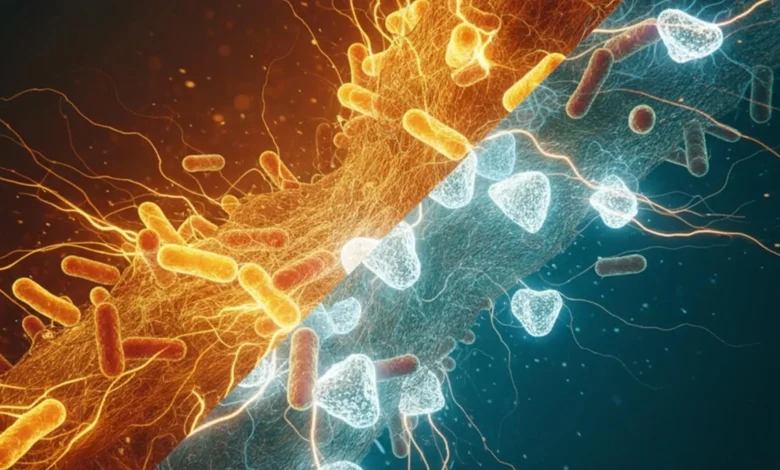
The research, conducted by a collaborative team from the University of Minnesota’s College of Biological Sciences and the School of Dentistry, posits that the human mouth is not a battlefield to be won, but an ecosystem to be managed. Home to roughly 700 distinct species of bacteria, the oral cavity functions as a complex, self-organizing community. These microbes do not operate in isolation; they coordinate their activities through a sophisticated chemical signaling system known as quorum sensing. By intercepting or degrading these signals, researchers have demonstrated that they can effectively steer the composition of dental plaque away from disease-promoting bacteria and toward health-associated species.
The Mechanism of Quorum Sensing: A Linguistic Framework for Microbes
At the heart of this study is the concept of quorum sensing, a mechanism through which bacteria detect the density of their peers by releasing and responding to chemical molecules. Among the most common of these "languages" are N-acyl homoserine lactones (AHLs). These molecules act as chemical messengers that allow bacterial colonies to sense their population size and trigger group behaviors—such as the formation of biofilms, the production of virulence factors, or the secretion of toxins—only when enough neighboring cells are present to make the effort worthwhile.
The implications of this process in the mouth are profound. Dental plaque is not a static substance; it is a developing community that matures in a sequence similar to ecological succession in a forest. Initially, the environment is colonized by "pioneer" species, such as Streptococcus and Actinomyces. These microbes are generally benign and are clinically associated with a healthy oral state. However, as the biofilm thickens and matures, the community becomes increasingly diverse. If left unchecked, this succession leads to the arrival of "late colonizers," specifically the "red complex" bacteria, including Porphyromonas gingivalis. These organisms are strongly linked to the development of periodontitis, a serious gum infection that damages the soft tissue and destroys the bone that supports teeth.
Chronology of the Research and Experimental Methodology
The path to these findings began with an interdisciplinary effort to bridge the gap between microbiology and clinical dentistry. Recognizing that traditional oral hygiene products—like alcohol-based mouthwashes—often fail to differentiate between beneficial and harmful bacteria, the research team sought to create a targeted intervention.
- Initial Assessment (2022–2023): The team mapped the presence of AHL signals within dental plaque samples, identifying where and when these signals were most prevalent.
- Environmental Simulation (2024): Researchers developed controlled laboratory environments to replicate the unique conditions of the human mouth, specifically the oxygen-rich environment above the gumline and the oxygen-depleted (anaerobic) environment beneath the gumline.
- Enzymatic Intervention (2024–2025): The team introduced lactonases—specialized enzymes capable of breaking down AHL molecules. This process, known as "quorum quenching," effectively disrupts the bacterial conversation.
- Data Publication (2025): The findings were codified and released in npj Biofilms and Microbiomes, detailing how the enzymatic disruption shifted the plaque community composition.
The experiment revealed a striking dependence on oxygen. In aerobic conditions, the presence of AHLs appeared to facilitate the stability of health-associated microbes. Conversely, in the anaerobic pockets beneath the gumline, these same signals acted as catalysts for the proliferation of disease-linked pathogens. By deploying lactonases to "silence" the communication, the researchers were able to force the plaque to remain in or return to its earlier, healthier developmental stage.
The Role of Oxygen and Spatial Dynamics
One of the most significant takeaways from the study is the role of the micro-environment in shaping bacterial behavior. Lead author Rakesh Sikdar noted that the dual nature of quorum sensing represents a major shift in how clinicians should view periodontal disease. "What’s particularly striking is how oxygen availability changes everything," Sikdar explained. "When we blocked AHL signaling in aerobic conditions, we saw more health-associated bacteria. But when we added AHLs under anaerobic conditions, we promoted the growth of disease-associated late colonizers."
This suggests that the mouth is effectively two distinct biomes separated by the gumline. A treatment strategy that works in the open space of the oral cavity may be counterproductive if applied below the gumline. This discovery provides a roadmap for future precision medicine, where therapies could be customized based on the specific location of the bacterial colony.
Implications for Periodontal Disease and Beyond
The implications of this research extend far beyond the dentist’s chair. Periodontal disease affects a significant portion of the adult population globally, and its link to systemic health issues—such as cardiovascular disease, diabetes, and even Alzheimer’s—is a subject of intense ongoing study. By treating the oral microbiome as a dynamic ecosystem rather than a collection of pathogens, researchers are exploring a strategy of "microbial management."
"Understanding how bacterial communities communicate and organize themselves may ultimately give us new tools to prevent periodontal disease—not by waging war on all oral bacteria, but by strategically maintaining a healthy microbial balance," said Mikael Elias, the study’s senior author.
The long-term goal is to transition away from aggressive antimicrobial treatments that often lead to dysbiosis—an imbalance in the microbial community that can cause secondary infections or antibiotic resistance. If scientists can identify the specific "linguistic" cues that trigger the transition from health to disease, they could potentially develop therapeutic mouthwashes, gels, or probiotics that favor the growth of beneficial species, effectively "crowding out" the pathogens through competitive exclusion.
Future Outlook and Scientific Context
While the results of the 2025 study are promising, the research team acknowledges that the transition from bench to bedside requires further investigation. The team plans to examine how these communication pathways vary across different demographics, including patients already suffering from various stages of gum disease. Furthermore, the broader medical community is watching these developments with interest, as the concept of quorum quenching is being explored for applications in other parts of the body.
Microbiome dysbiosis is a common factor in various pathologies, including inflammatory bowel disease (IBD) and certain types of gastrointestinal cancers. The ability to "steer" these communities via chemical signaling could provide a foundation for a new generation of biological therapies.
The National Institutes of Health, which provided funding for this research, has signaled an increasing interest in projects that move away from traditional antibiotic development and toward ecological intervention. As the global health burden of antibiotic resistance continues to grow, the ability to "talk" to bacteria rather than kill them may prove to be the most vital tool in the future of medicine. By reframing the bacterial community as an intelligent, communicative force, scientists are finally learning to work with the microscopic residents of the human body, potentially securing a healthier future for patients without the need for the invasive, broad-spectrum interventions of the past.