This breakthrough, published on October 2 in the journal Nature Communications, marks a significant milestone in neurobiology. By isolating the precise neural circuitry responsible for the "bad trip" phenomenon—a state of heightened anxiety and paranoia frequently reported by cannabis users—researchers at the Northwestern University Feinberg School of Medicine have opened new avenues for understanding the intersection of substance use and emotional regulation.
The Mechanism of Neural Anxiety
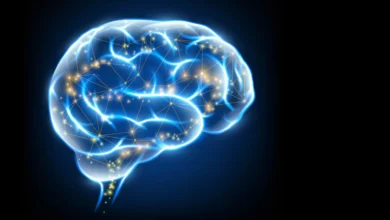
At the heart of the study is a population of cells known as somatostatin neurons, located within the central amygdala. The amygdala is the brain’s "threat detection center," responsible for processing fear, stress, and the fight-or-flight response. While these neurons are essential for survival, the Northwestern team discovered that cannabinoids—the class of compounds including THC, the primary psychoactive component of cannabis—can essentially "hijack" this system.
In a series of controlled experiments, researchers utilized a mouse model to simulate the interaction between cannabinoid intake and environmental stressors. The mice were exposed to the scent of fox urine, a natural predator deterrent that triggers an instinctive anxiety response. Before the exposure, subjects were administered either a placebo or a synthetic cannabinoid.
The results were stark. Mice that had received the cannabinoid exhibited significantly higher levels of freezing behavior and spent substantially less time exploring the threatening environment compared to the control group. Through the use of advanced microscopic imaging implanted directly into the brains of the mice, the researchers observed a spike in activity within the somatostatin neurons.
By employing optogenetic techniques to genetically silence these neurons, the research team successfully reversed the effect. Once the somatostatin neurons were inhibited, the mice that had consumed the cannabinoid displayed a normalized response to the predator odor, effectively mitigating the induced anxiety.
Chronology of the Research and Methodology
The study, titled "Cannabinoid Modulation of Central Amygdala Population Dynamics During Threat Investigation," was the culmination of an extensive investigation into how external stimuli and chemical agents converge in the brain.
The methodology was multi-layered:
- Behavioral Baseline: Establishing how mice react to predator threats without chemical interference.
- Pharmacological Intervention: Administering varying doses of synthetic cannabinoids to map the dose-response relationship between drug intake and behavioral inhibition.
- Real-time Neural Monitoring: Utilizing miniature head-mounted microscopes to capture the firing patterns of amygdala neurons while the mice interacted with the threat.
- Circuit Manipulation: Using genetic tools to silence specific neurons to confirm the causality between somatostatin neuron activity and anxiety levels.
The data revealed a specific chemical process: cannabinoids act by weakening a natural biological "brake" that typically regulates the somatostatin neurons. Under normal conditions, this brake prevents the amygdala from overreacting to stimuli. However, the presence of cannabinoids, coupled with a high-stress environment, releases this restraint, causing the neurons to fire excessively and driving the subject into a state of heightened panic.
Supporting Data and Contextual Trends
The relevance of this study is underscored by the rapidly shifting landscape of cannabis consumption in the United States. According to the Substance Abuse and Mental Health Services Administration (SAMHSA), cannabis use has seen a steady upward trajectory over the past decade, with an increasing number of states legalizing the substance for both medicinal and recreational purposes.
This increased availability has been mirrored by a rise in emergency department visits related to adverse cannabis reactions. Clinical data indicates that these adverse events often involve symptoms of acute anxiety, tachycardia, and panic attacks. Furthermore, public health data from the Centers for Disease Control and Prevention (CDC) shows that anxiety and mood disorders are on the rise globally, placing a higher premium on understanding the neurological mechanisms of stress.
Dr. Sachin Patel, chair of psychiatry and behavioral sciences at Northwestern University Feinberg School of Medicine and the study’s senior author, noted that the timing of this research is critical. "The results of this study could explain why a good trip can turn bad pretty quickly if people consume too much cannabis or the situation they are in turns stressful or scary," Patel stated.
Broader Implications for Neuroscience
While the study began with a focus on cannabis, its implications extend far beyond the psychoactive effects of THC. The identification of somatostatin neurons as a "final pathway" for anxiety suggests that these cells could be a universal target for pharmaceutical interventions.
If these neurons act as a master switch for the fear response, future therapies could potentially target them to treat generalized anxiety disorder (GAD), post-traumatic stress disorder (PTSD), and other phobias. By developing localized pharmacological or non-invasive stimulation techniques to suppress the overactivity of these specific neurons, medical professionals could offer patients a way to dial back the brain’s alarm system without the broad, often sedating, effects of traditional anti-anxiety medications.
"Suppressing the activity of somatostatin neurons in the central amygdala could represent a final pathway for reducing anxiety symptoms, not just in the context of cannabis side effects," Patel explained. This perspective aligns with the growing trend in precision psychiatry, where the goal is to map specific neural circuits to symptoms rather than relying on systemic drug treatments that affect the entire brain.
Challenges and Future Directions
Despite the promise of the Northwestern findings, the research team is careful to note the complexities of translating these results from murine models to human subjects. The human brain is significantly more complex, and while the amygdala is structurally conserved across many species, the interplay between environmental factors, personal history, and genetic predisposition in humans is far more nuanced.
Future research will likely focus on:
- Human Neuroimaging: Determining if similar patterns of neural activation can be observed in human subjects under the influence of cannabinoids using functional MRI (fMRI).
- Dosage Thresholds: Identifying the specific threshold at which the "brake" on somatostatin neurons is released, which could help in establishing safer guidelines for cannabis consumption.
- Drug Development: Investigating whether small-molecule inhibitors can selectively target these neurons in a clinical setting.
The study also serves as a reminder of the need for rigorous scientific investigation into the long-term effects of cannabis. As society moves toward greater normalization of the drug, the scientific community is tasked with ensuring that public policy is informed by a clear understanding of the risks.
Conclusion: A Foundation for Future Therapy
The Northwestern study, co-authored by Farhana Yasmin, Saptarnab Naskar, Danyal Zaidi, Isaac Kandil, Michelle Kwon, and Dr. Luis Rosas-Vidal, provides a foundational roadmap for future neurobiological research. By bridging the gap between behavioral psychology and cellular neuroscience, the researchers have demystified one of the most common and distressing side effects of cannabis use.
The project received significant support from the National Institutes of Health (grants MH100785 and K08 MH126166) and the Brain & Behavior Research Foundation’s Young Investigator Awards. As these organizations continue to prioritize research into mental health, the work performed by Patel’s team stands as a vital contribution to the effort to understand, and eventually mitigate, the biological basis of anxiety in the modern era.
By shifting the focus from the subjective experience of a "bad trip" to the objective reality of somatostatin neuron activity, the researchers have moved the conversation from speculation to evidence-based medicine. This transition is not only essential for public health but also represents the kind of fundamental scientific discovery that can lead to life-changing therapeutic breakthroughs in the years to come.