Bridging Digital Habits and Environmental Action: How Eco-Friendly Web Browsers Are Redefining Sustainable Technology

As global awareness regarding climate change and environmental degradation deepens, consumers are increasingly seeking ways to integrate sustainability into every facet of their daily lives. While traditional conservation efforts have heavily focused on household habits—such as reducing single-use plastics, conserving water, optimizing energy consumption, and adopting cleaner transportation methods—the conversation is rapidly expanding into the digital sphere. Modern technology now plays an instrumental role in monitoring and mitigating environmental footprints, proving that eco-friendly living does not always require a total disruption of personal routines. This paradigm shift has given rise to a novel category of digital products: the green browser. By merging the essential, everyday functionality of navigating the internet with quantifiable environmental initiatives, these tools offer users a seamless way to support ecological preservation simply by browsing the web.
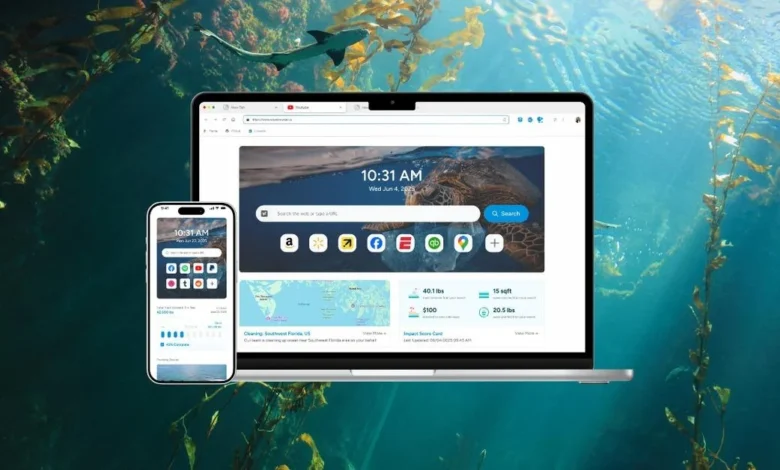
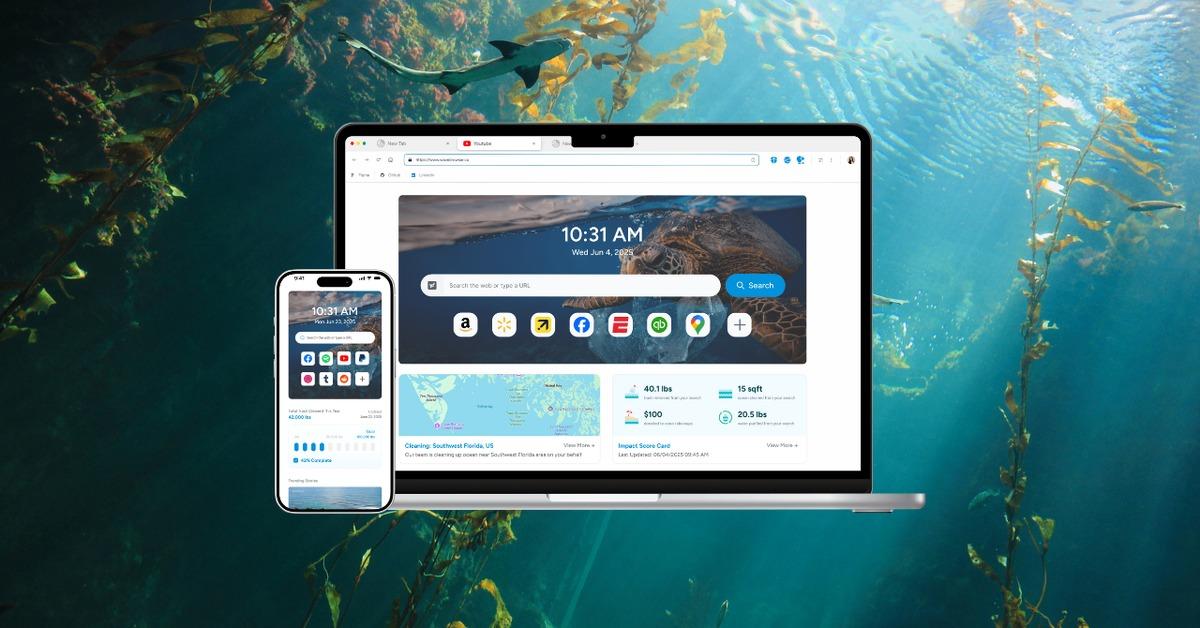
A prime example of this evolving trend is Wave Browser, an eco-friendly web browser designed to transform routine online activity into verified, real-world environmental impact. Through a certified partnership with 4ocean—a globally recognized organization dedicated to removing plastic and trash from oceans, rivers, and coastlines—Wave Browser has established a structured model that directly funds aquatic cleanup operations. As digital consumption continues to soar worldwide, platforms like Wave Browser represent an innovative intersection between software utility and corporate environmental responsibility, providing a transparent mechanism for conscious consumers to contribute to planetary health without altering their digital habits.
The Evolution of the Green Browser Concept
The concept of green technology has historically been anchored in physical hardware and energy-efficient appliances. However, as internet usage becomes a dominant component of the modern carbon and resource footprint, software developers are exploring how digital tools can actively contribute to sustainability. A green browser operates on the premise that everyday software can double as a vehicle for environmental philanthropy.
In the case of Wave Browser, this mission is backed by a firm corporate commitment: helping to fund the removal of 300,000 pounds of plastic and trash by 2028, with an ambitious annual target of 100,000 pounds. To ensure absolute transparency and accountability, the company provides a publicly accessible Live Impact Tracker on its homepage. This real-time metric allows users to observe the tangible results of their digital engagement, bridging the gap between abstract online activities and physical, measurable ecological recovery. As of late September 2026, the browser reported that 133,402 pounds of plastic and debris had been successfully removed toward its overarching multi-year goal.
Balancing Ecological Mission with Robust Browser Performance
An environmental mission, while compelling, is only one component of software adoption. For any web browser to achieve mainstream viability, it must deliver robust performance, cross-platform compatibility, and an extensive suite of modern features that meet the rigorous demands of contemporary users. Wave Browser addresses this requirement by building its infrastructure on Chromium, the powerful, open-source technology that underpins many of the world’s most popular web browsers. This foundational architecture ensures seamless compatibility with a vast array of modern websites, web applications, and extensions.
Furthermore, the browser is equipped with a comprehensive toolkit tailored to organization, privacy, performance, and everyday productivity. Available for download across Windows, macOS, Android, and iOS devices, Wave Browser integrates features designed to streamline the user experience:
- Organization and Navigation: Users can effortlessly manage bookmarks, review browsing history, and utilize reading lists to save articles for offline or later consumption. Advanced built-in password management securely stores login credentials and auto-fills forms, while one-click web page translation instantly converts foreign languages into the user’s native tongue.
- Privacy and Security: Granular privacy controls give individuals precise management over cookies, site permissions, and tracking data. An integrated Incognito Mode ensures that local browsing histories, caches, and cookies are wiped clean upon closing a private tab, complemented by built-in ad and tracker blocking on supported platforms.
- Performance and Multitasking: To optimize resource consumption, the browser features Memory Saver and Energy Saver modes, which suspend background tabs to preserve RAM and extend laptop battery life. Advanced multitasking capabilities include a split-screen mode for viewing two web pages side by side within a single window, and Picture-in-Picture functionality that detaches video players into floating, resizable windows.
- Productivity Utilities: A dedicated sidebar houses quick-access shortcuts to popular messaging applications, streaming services, and utility panels without cluttering active tabs. Additional built-in tools include scratchpads for notes and reminders, Amazon price tracking to monitor product fluctuations, file conversion utilities, content updaters, and integrated package tracking for major global shipping carriers such as FedEx, UPS, USPS, DHL, and Amazon.
How Daily Browsing Fuels Global Cleanup Operations
The mechanics behind Wave Browser’s environmental impact are rooted in a revenue-sharing model. A portion of the platform’s operational revenue is channeled directly into 4ocean’s extensive global cleanup infrastructure. These funds support the deployment of professional cleanup crews, specialized vessels, heavy equipment, and logistical resources necessary to extract anthropogenic debris from vulnerable ecosystems. Primary cleanup zones frequently include heavily impacted coastal and riverine regions in Indonesia, the Dominican Republic, Florida, and Guatemala.
Once debris is recovered from marine environments, it undergoes a meticulous, multi-stage processing protocol designed to maximize material recovery and minimize landfill dependency:
- Sorting: Recovered waste is systematically separated by collection crews according to material type, polymer grade, and color.
- Shredding: Usable plastics and recyclable components are fed into industrial shredders, reducing the bulk waste into manageable, uniform fragments.
- Washing: The shredded material passes through specialized wash tanks, where fluid dynamics separate floating plastics from sinking contaminants and residual sediment.
- Drying and Reuse: The thoroughly cleansed material is dried, packaged, and prepared for reintegration into the circular economy, where it can be upcycled into durable consumer goods or repurposed materials.
This structured workflow ensures that the financial contributions generated through everyday web browsing translate into legitimate, industrial-scale waste management and material recycling.
Transparency, Validation, and Industry Recognition
In the digital landscape, consumer trust is paramount, particularly when software platforms couple their services with environmental or philanthropic claims. To establish credibility, Wave Browser has subjected its software to rigorous third-party evaluation. The browser is officially listed in AppEsteem’s Certified Apps database, an independent verification ensuring that the software adheres to strict standards regarding clear installation pathways, transparent operational behavior, user control, and straightforward, unhindered removal processes.
Additionally, the platform has achieved significant industry acclaim, earning the SourceForge Leader Award for three consecutive seasons—Winter, Spring, and Summer 2026. The Summer 2026 recognition placed Wave Browser among the top 5% of more than 100,000 software products evaluated on the SourceForge platform within the Web Browsers and Eco-Friendly Web Browsers categories. This consistent streak of positive customer feedback, coupled with a milestone of surpassing 25 million downloads across Windows and macOS systems by September 2026, highlights the growing market demand for software that aligns digital utility with corporate social responsibility.
Implications for the Future of Sustainable Technology
The rise of platforms like Wave Browser underscores a broader evolution in how consumers and developers approach sustainability. While systemic environmental challenges—such as ocean plastic pollution—require large-scale legislative, industrial, and municipal intervention, individual actions remain a powerful catalyst for cultural and economic change.
Integrating environmental impact into passive, routine activities provides a scalable blueprint for modern conservation. When paired with complementary sustainable habits—such as minimizing single-use plastics, embracing reuse and repair models, practicing precision waste sorting, supporting circular businesses, and advocating for systemic waste management reforms—eco-friendly digital tools empower users to contribute to global ecological goals without friction.
Ultimately, Wave Browser and similar green technology initiatives demonstrate that software can transcend its traditional role as a mere medium for information consumption. By tying digital usage to quantifiable, trackable real-world outcomes supported by verifiable public data and independent certifications, the tech industry is charting a new course where everyday digital routines actively participate in the preservation of the natural world.
Related posts: