Everything you need to know about the Nations Championship including results, fixtures, competing teams and more

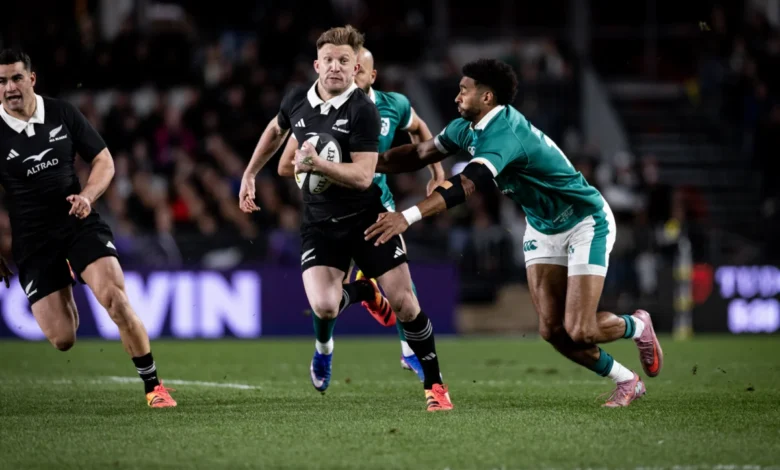
Following a thrilling opening block of fixtures in July, the inaugural Nations Championship is set to return this November for its highly anticipated European leg. The tournament represents a historic shift in international rugby union, designed to streamline the global calendar, elevate the stakes of summer and autumn windows, and replace traditional, disconnected tours with a meaningful, structured championship. Spanning three intense rounds of matches throughout November, the competition will ultimately culminate in a dramatic weekend of finals hosted at Allianz Stadium in Twickenham.
The tournament features a formidable line-up of 12 elite rugby nations. The lineup comprises the six traditional European heavyweights from the Six Nations—England, France, Ireland, Italy, Scotland, and Wales—alongside the four powerhouse participants of the Rugby Championship: New Zealand, Australia, South Africa, and Argentina. They are joined by Pacific Island titans Fiji and rapidly developing Asian powerhouse Japan, which competes as a Southern Hemisphere side for tournament purposes.
Designed to occupy years devoid of a Men’s Rugby World Cup or a British & Irish Lions tour, the Nations Championship bridges a long-standing gap in the international sport. For decades, administrators, players, and fans alike lamented the disjointed nature of global rugby, where autumn and summer internationals often lacked overarching context. This new format introduces a genuine competitive ladder, fostering fierce cross-hemisphere rivalries and injecting high-stakes pressure into every fixture outside of the quadrennial World Cup cycle.
The Story So Far: July Results and Mid-Tournament Standings
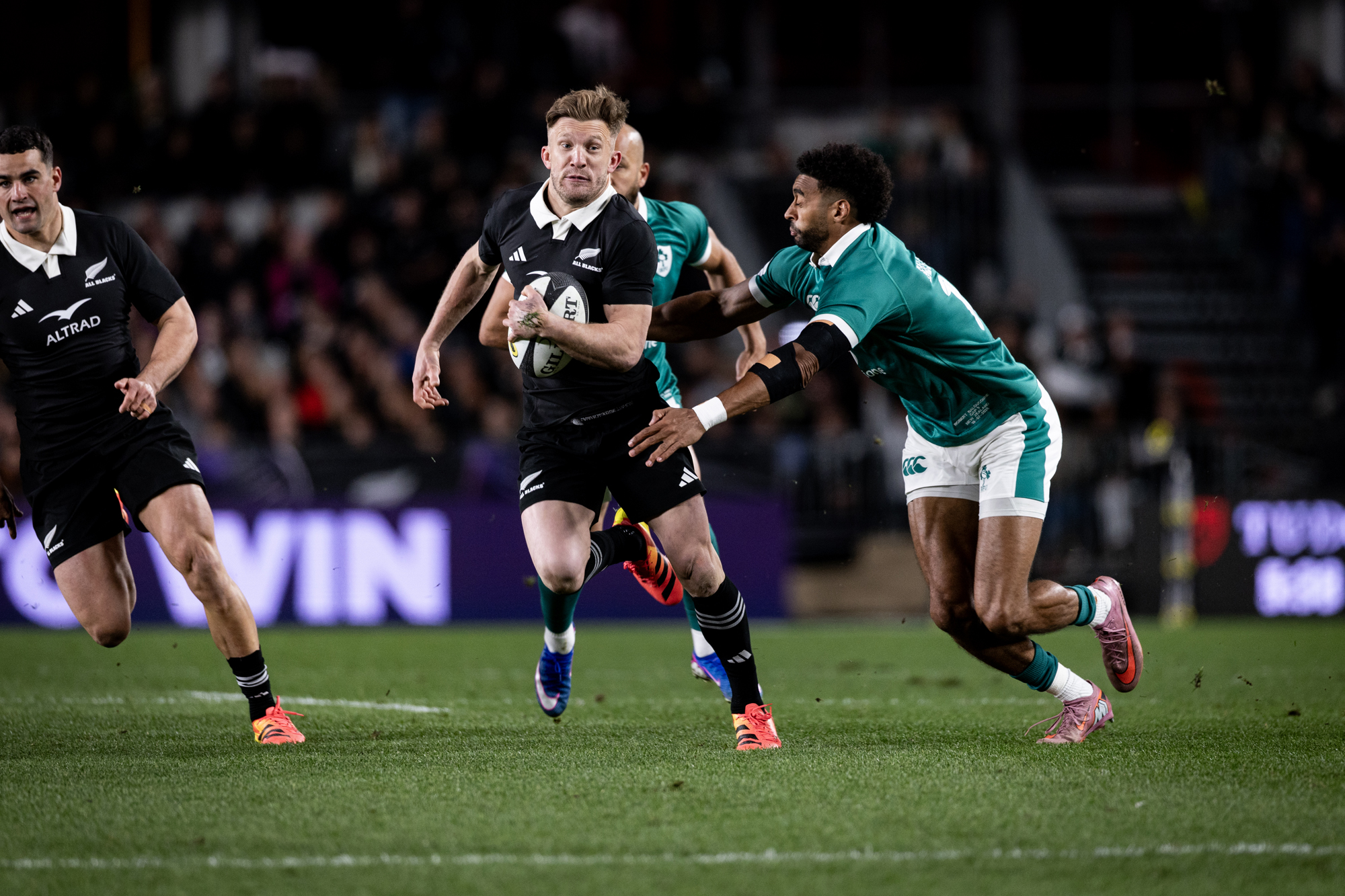
The inaugural July fixtures delivered an explosive introduction to the tournament, producing fierce contests, high-scoring affairs, and an evenly split ledger between the Northern and Southern Hemispheres. Across the opening three rounds, teams traversed the globe, testing tactical depth and squad resilience in varied environments.
In the Northern Hemisphere section, France and Scotland currently hold the psychological advantage, each displaying impressive form. Les Bleus secured two vital victories from three outings, highlighted by a narrow 34-32 defeat to New Zealand in Christchurch followed by resounding bounce-back performances, positioning them at the summit of the northern table. Scotland similarly impressed, registering notable victories against Argentina and Fiji, with their only blemish coming at the hands of the world champion Springboks.
Down Under, South Africa and New Zealand have established themselves as the teams to beat, boasting unblemished 100 percent records. The Springboks demonstrated the depth of their double-world-champion status with dominant displays, including a comprehensive 43-0 shutout against Wales in Durban and an emphatic 45-21 victory over England at Ellis Park. The All Blacks mirrored this dominance, overcoming early pressure to secure victories against France, Italy, and Ireland.
At the other end of the spectrum, Italy and Fiji enter the November leg searching for their maiden victories in the competition. While Italy showed glimpses of promise under pressure, heavy defeats to Australia and New Zealand exposed structural vulnerabilities. Meanwhile, Fiji fought valiantly against elite opposition but struggled for consistency across the eighty-minute span.
Key Information and Broadcasting Details
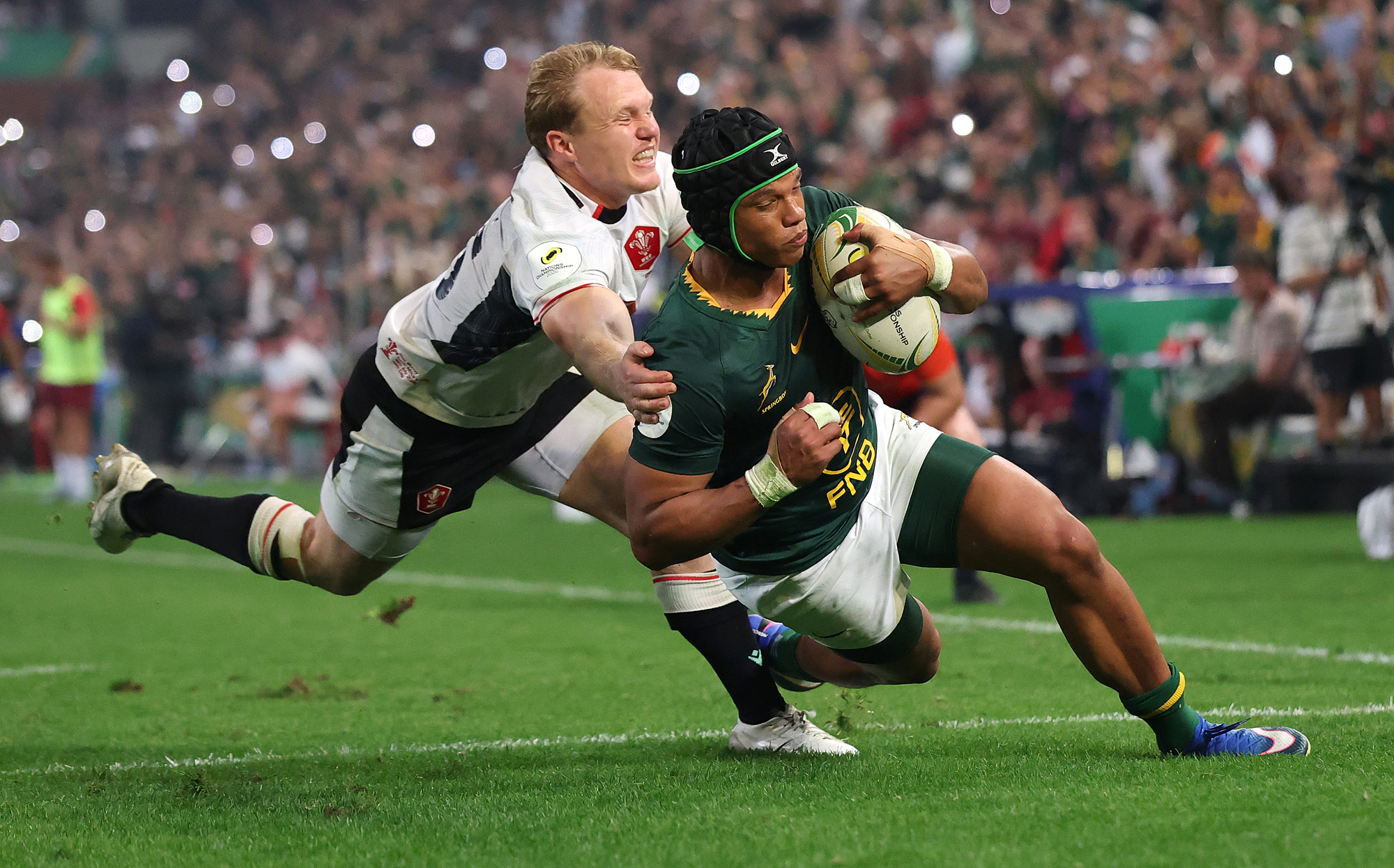
As the tournament shifts to Europe for its decisive phases, fans around the globe are preparing for a packed schedule of matches. The November leg kicks off on Friday, 6 November 2026, and runs through Sunday, 29 November 2026, concluding with the grand finals at Twickenham.
Securing broadcast access is paramount for supporters tracking the action across multiple time zones. In the United Kingdom, ITV holds the exclusive broadcasting rights, ensuring free-to-air coverage of major fixtures. In Ireland, Virgin Media serves as the official tournament broadcaster, providing comprehensive coverage of Andy Farrell’s side. French supporters can follow Les Bleus via TF1, while dedicated global streaming solutions cater to international audiences seeking live feeds from anywhere in the world.
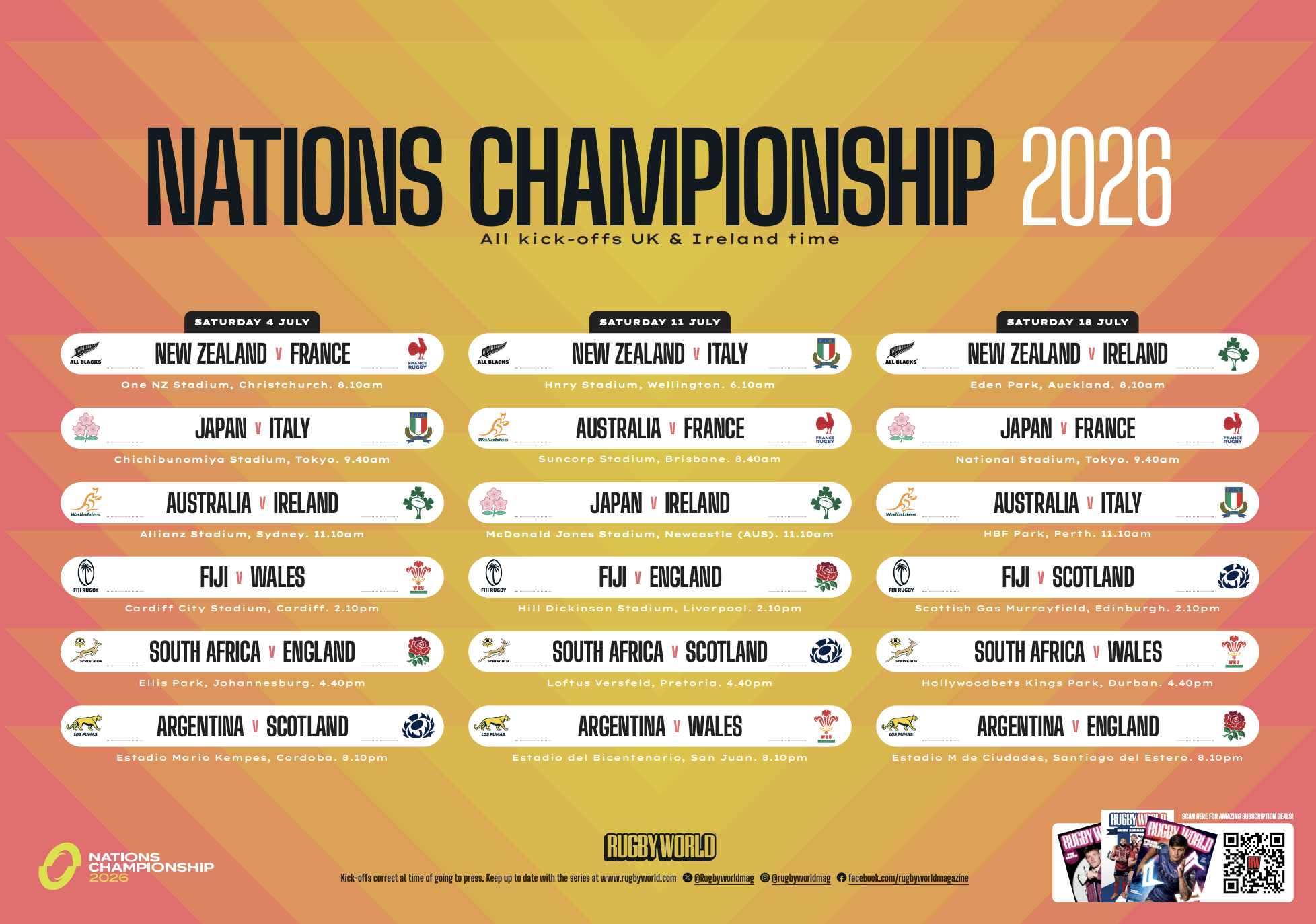
To help fans keep track of the grueling schedule, Rugby World has released an official, downloadable PDF wall chart. The chart maps out every fixture from the summer and autumn windows, offering a convenient visual tracker for the pool stages and the upcoming Twickenham finals.
Upcoming November Fixtures and the Road to Twickenham
The November window promises relentless action as teams battle for positioning ahead of the finals weekend. Round 4 begins on Friday, 6 November 2026, featuring pivotal cross-hemisphere clashes that will test the resilience of European hosts against visiting Southern Hemisphere giants. Round 5 follows on the weekend of 13–15 November, before Round 6 wraps up the pool phase on Saturday, 21 November.
The culmination of the tournament arrives during Finals Weekend, scheduled from Friday, 27 November to Sunday, 29 November 2026. The showpiece event at Allianz Stadium, Twickenham, will see teams cross paths based on their final standings, culminating in a grand final match to crown the very first undisputed Nations Championship winner.
Squad Announcements and Tactical Readiness
Ahead of the November fixtures, all 12 participating nations have announced their extended squads, blending veteran leadership with emerging talent.
Argentina enters the autumn window with a robust selection blending European-based experience and local Super Rugby Americas standouts. Head coach Michael Cheika—or his successor—will rely heavily on veteran leadership from captain Julián Montoya and loose forward Marcos Kremer, alongside the playmaking brilliance of fly-half Tomás Albornoz.
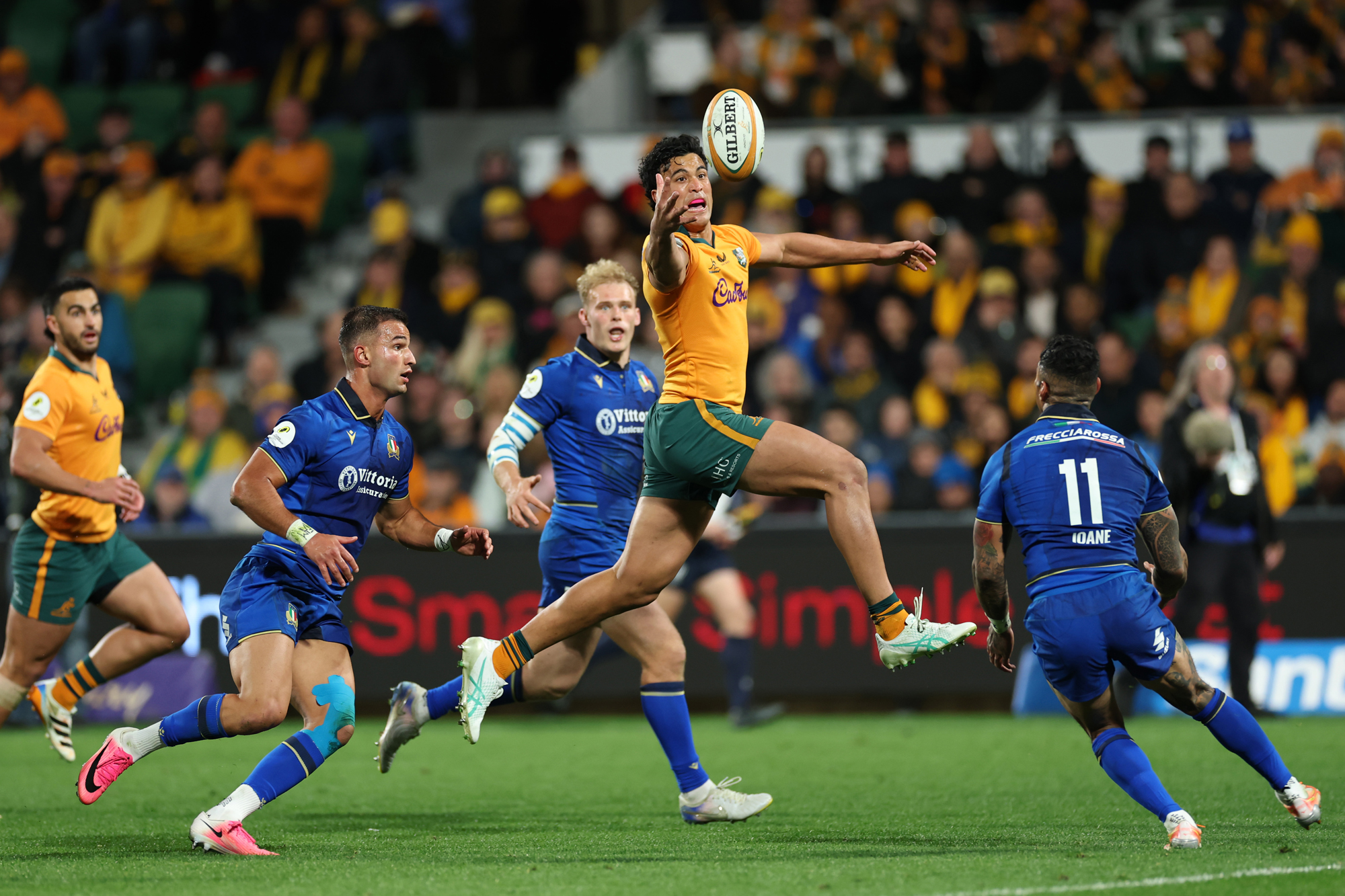
Australia looks to build upon the momentum of a resounding victory over Italy that closed out the Joe Schmidt era. The Wallabies squad features dynamic young talents such as Joseph-Aukuso Suaalii and Max Jorgensen, complemented by experienced leaders like Allan Alaalatoa and Harry Wilson, as the side seeks consistency on European soil.
England head coach Steve Borthwick has named an expansive squad featuring a mix of established pillars and exciting youth. Northampton Saints flanker Henry Pollock, fresh off a stellar hat-trick against Fiji, retains his place, alongside dynamic operators like Marcus Smith, Maro Itoje, and Jamie George. Crucially, England will have to navigate key rehabilitation absences, including Immanuel Feyi-Waboso and Fin Smith.
Fiji has leaned heavily into the core of the Fijian Drua for its November selection, injecting domestic resilience with seasoned internationals like Frank Lomani and Isoa Tuwai. Their trademark expansive, high-tempo style remains their primary weapon as they hunt for their first tournament win.
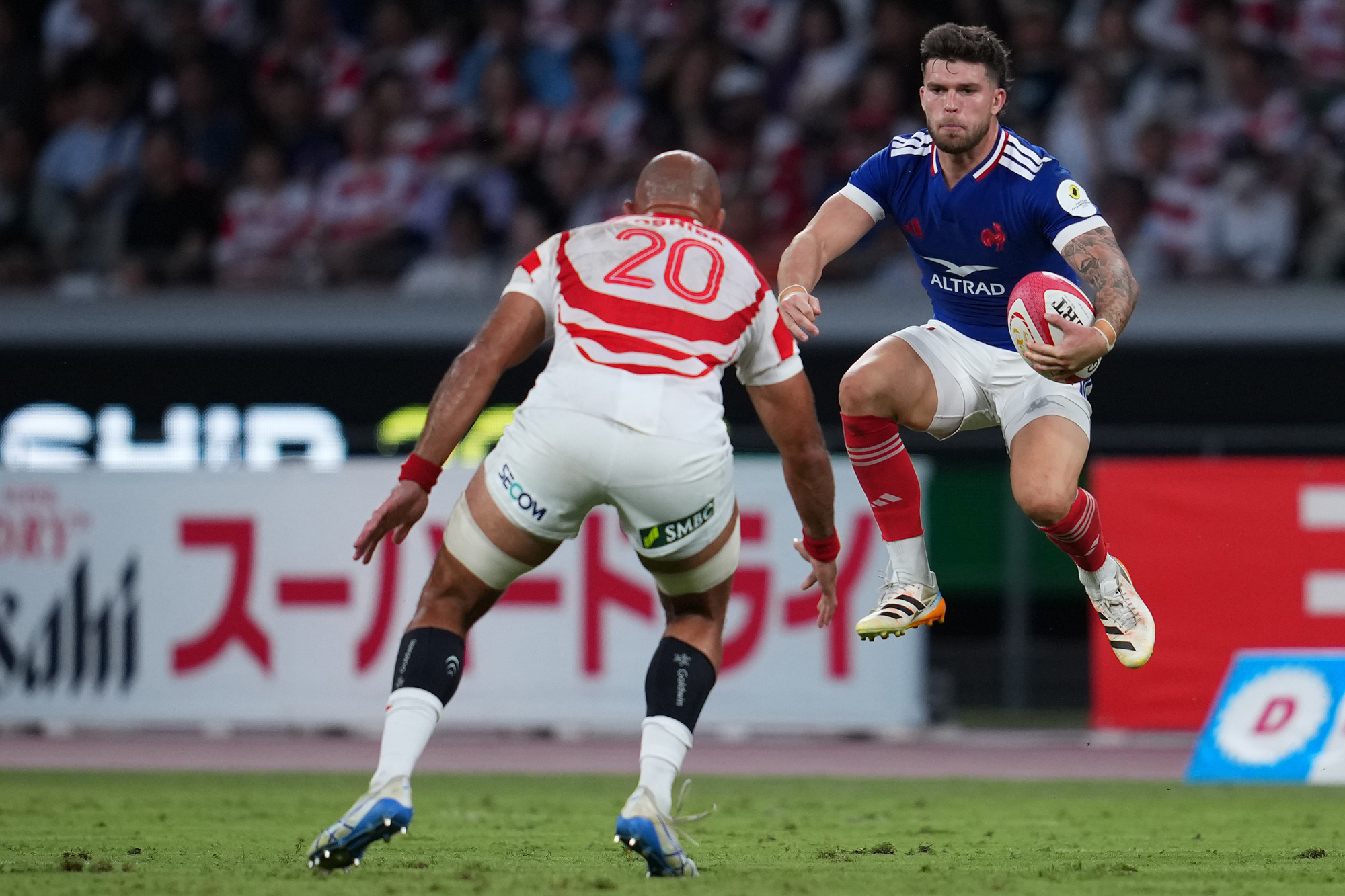
France boasts a terrifyingly deep squad capable of overwhelming any defense. Antoine Dupont captains a selection that pairs veteran class—such as Romain Ntamack, Damian Penaud, and Grégory Alldritt—with explosive young stars like Louis Bielle-Biarrey and Théo Attissogbe.
Ireland continues to lean on its reliable Leinster and Munster core, with Jamison Gibson-Park, Tadhg Beirne, and Bundee Aki anchoring the side. The emergence of younger prospects like Sam Prendergast adds intriguing tactical options for Andy Farrell’s coaching staff.
Italy travels north with a competitive roster featuring talismanic fullback Ange Capuozzo, out-half Paolo Garbisi, and stalwart back-rower Michele Lamaro. The Azzurri are aiming to translate narrow competitive moments into historic victories against Tier 1 opponents.
Japan’s squad represents a transitional yet competitive phase, combining veterans like Michael Leitch and Warner Dearns with emerging university and Japan Rugby League One prospects. Head coach Eddie Jones continues to blood youth with an eye toward long-term global competitiveness.
New Zealand arrives in Europe boasting the tactical sophistication and physical intensity characteristic of the All Blacks. Captain Scott Barrett leads a pack featuring standout loose forward Wallace Sititi, while the backline remains lethal with the orchestrations of Damian McKenzie and Beauden Barrett.
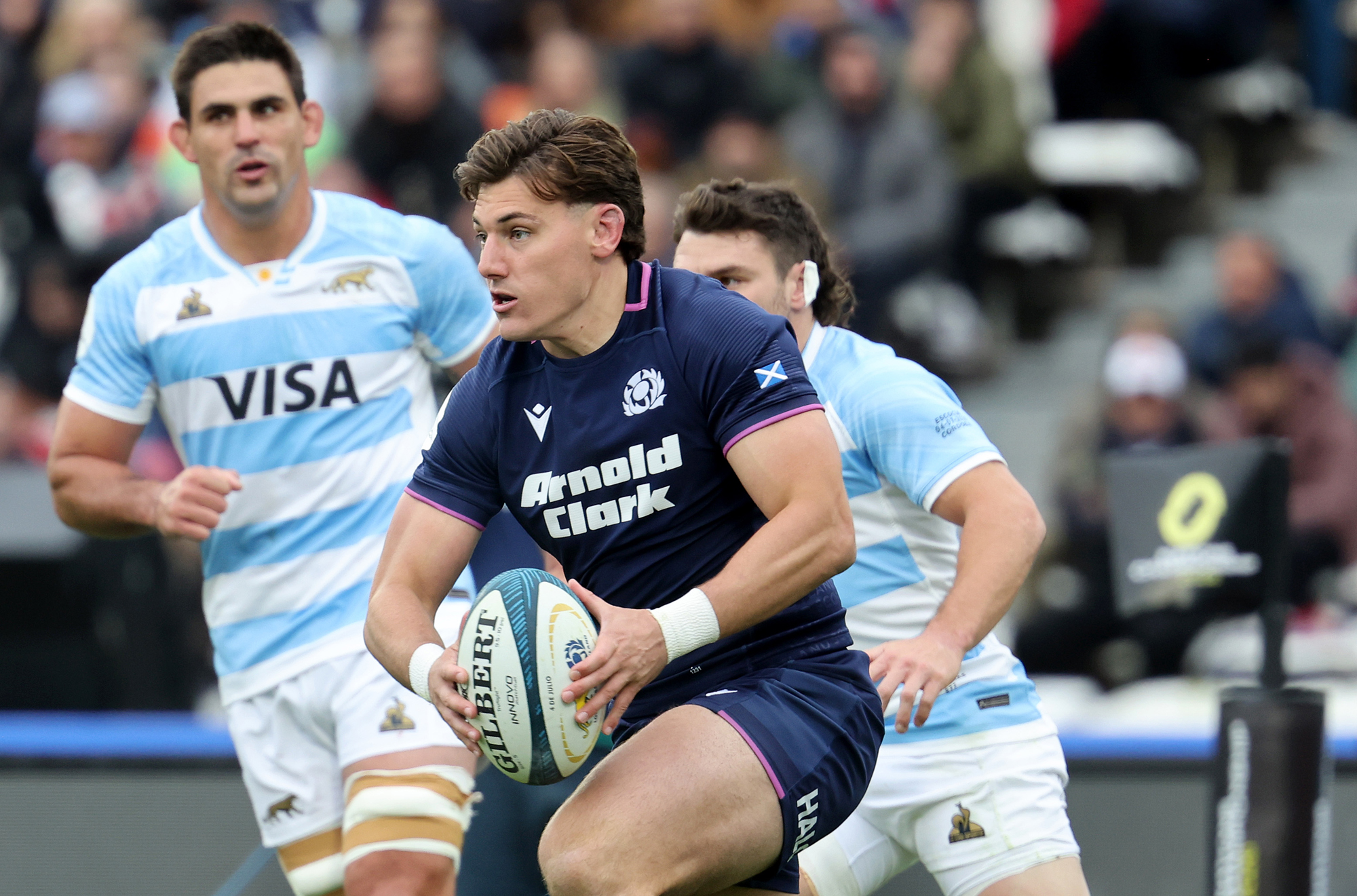
Scotland seeks to build on a successful July campaign under Gregor Tomlin. Captain Sione Tuipulotu anchors a midfield that combines seamlessly with fly-half maestro Finn Russell, dynamic winger Duhan van der Merwe, and relentless back-row operator Rory Darge.
South Africa enters the November fixtures as the team to beat. Rassie Erasmus has selected a formidable group featuring world-class operators across the park, from powerhouse prop Ox Nche and lock Eben Etzebeth to the electrifying utility back Sacha Feinberg-Mngomezulu and winger Kurt-Lee Arendse.
Wales enters the autumn window under immense pressure following a difficult run of results. Warren Gatland—or the Welsh coaching setup—will look to captain Dewi Lake, flanker Jac Morgan, and emerging talent like Blair Murray to spark a turnaround in fortunes as they face punishing fixtures in Cardiff and beyond.
Broader Impact and Strategic Implications for World Rugby
The implementation of the Nations Championship marks a watershed moment for international rugby. For years, critics argued that the sport’s calendar was too fractured, limiting its commercial growth and failing to provide a clear narrative outside of the Rugby World Cup. By instituting a regular, meaningful international league structure, World Rugby aims to capture casual audiences, maximize broadcasting revenues, and enhance the overall health of the sport.
Financially, the tournament provides Tier 2 nations like Fiji and Japan with guaranteed fixtures against top-tier opposition on a recurring basis, narrowing the competitive chasm that has historically hampered global expansion. Furthermore, the alignment of the global calendar mitigates club-versus-country conflicts, ensuring that premier athletes can perform at their optimal physical peak for their respective national jerseys.
As the tournament shifts to its European conclusion this November, the stakes could not be higher. Beyond the silverware and national pride up for grabs at Twickenham, the inaugural Nations Championship will establish a new benchmark for international competition, permanently reshaping the landscape of global rugby union for generations to come.