The introduction of the Madrid street circuit onto the FIA Formula 1 World Championship calendar represented one of the most ambitious infrastructure projects in recent motorsport history. Located within the bustling Spanish capital, the venue sought to bridge the gap between high-speed urban racing and the logistical accessibility required by modern Grand Prix hosting. Following the conclusion of the inaugural event last weekend, the consensus among team leaders, including Williams Racing’s James Vowles, suggests that while the event is a resounding success in terms of organization, the technical demands of the circuit require further refinement.
A New Chapter for European Racing
The decision to bring Formula 1 to Madrid was met with significant anticipation. For years, the sport had been centered at the Circuit de Barcelona-Catalunya, a permanent road course that has hosted the Spanish Grand Prix since 1991. However, as Liberty Media, the commercial rights holder for F1, continues to push for "destination" races—events located in major global metropolises—Madrid emerged as the ideal candidate.
The logistics of the weekend were largely praised by team principals. Unlike many temporary street circuits that struggle with cramped paddock conditions and difficult access for fans, Madrid offered an expansive footprint. Vowles noted that the venue provided roughly ten times the space typically allocated to teams at traditional street tracks, allowing for a more seamless integration of the F1 circus within the city’s urban fabric. The proximity to the city center, reachable via a short ten-minute journey on the metro, marks a significant shift in how European races are marketed to a modern, urban-centric audience.
Technical Assessment of the Inaugural Circuit
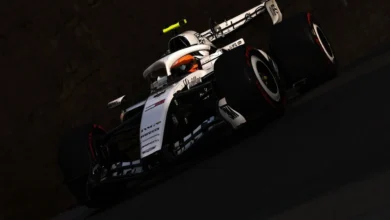
While the off-track logistics were hailed as a triumph for the organizers, the on-track action highlighted the inherent difficulties of designing a new street circuit. From the perspective of the drivers and engineers, the Madrid track proved to be a technically demanding layout. It features a blend of slow-speed, high-downforce corners and short straights that test the mechanical grip and thermal management of the cars.
However, the primary critique emerging from the paddock was the lack of overtaking opportunities. Throughout the race, drivers struggled to follow one another through the complex, tight sections, leading to a "processional" feel that hampered the overall spectacle. Vowles acknowledged this, emphasizing that the track’s layout is a double-edged sword: while it provides an enjoyable challenge for the drivers, it limits the tactical flexibility required for competitive wheel-to-wheel racing.
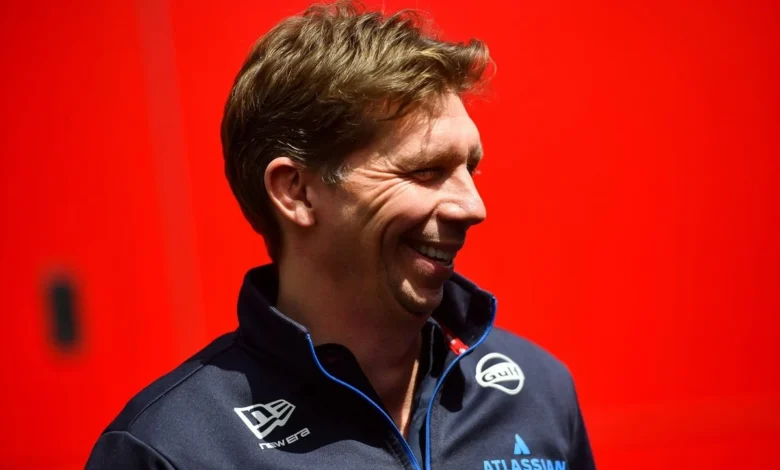
"The drivers all commented that it was a difficult challenge for them, an enjoyable challenge for them," Vowles explained during his recent The Vowles Verdict broadcast. "But the racing also suffered slightly, and I’m sure the circuit organizers will be looking into how they can improve that for next year."
The Engineering Challenge: Tyre Management and Performance
For the Williams team, the Madrid Grand Prix proved to be a stark reflection of their current developmental trajectory. The weekend exposed specific vulnerabilities in the car’s performance envelope, particularly regarding tyre degradation.
Data from the race showed that teams faced significant challenges with the softer tyre compounds. Under the high-load conditions of the Madrid circuit, the soft and medium tyres exhibited severe graining. Graining occurs when the surface of the tyre is torn by the track surface, creating a layer of rubber debris that drastically reduces grip and increases lap-time volatility. For teams like Williams, who are currently struggling with overall aerodynamic load, this meant that their cars fell back relative to the midfield pack as the race progressed.
Conversely, the performance of the hard compound tyre was a highlight of the weekend. Pirelli, the official tyre supplier, appeared to have brought an optimal allocation for the circuit’s specific tarmac characteristics. Several cars were able to maintain a consistent pace on the hard compound for an extended stint, suggesting that the track surface itself—while demanding—was not overly abrasive.

"It was really on the edge, but just about on the good side," Vowles noted regarding the hard compound. "That means Pirelli have done a very good job bringing the right tyres to the event. It also means the circuit, the tarmac, was in a good state for it as well."
Chronology of the Madrid Weekend
The weekend unfolded with a mix of excitement and operational testing:
- Friday: The opening practice sessions saw drivers acclimating to the new surface. Low grip levels were reported, which is standard for a brand-new track, but the technical nature of the corners immediately drew praise from the drivers.
- Saturday: Qualifying highlighted the sensitivity of the cars to the track’s temperature and surface conditions. The tight margins between the midfield teams suggested that a minor mistake could lead to a significant loss of position.
- Sunday: The race confirmed the concerns regarding overtaking. While the event was operationally sound, the lack of passing opportunities became the central talking point in the post-race debriefs.
Broader Implications for the 2027 Calendar
The discourse surrounding the Madrid circuit has already shifted toward long-term modifications. With the 2027 season in mind, there is an industry-wide expectation that the circuit design will undergo a review process. This could involve realigning specific corner sequences or adjusting the entry points to the main straights to encourage more slipstreaming and late-braking maneuvers.
The success of the inaugural event sets a high bar for operational standards. By avoiding the common "teething problems" that have plagued other new entries—such as communication delays, transport gridlock, or insufficient spectator facilities—Madrid has cemented its place as a viable, long-term venue. The challenge now is to evolve the track layout to meet the competitive requirements of modern Formula 1.
Williams’ Internal Strategy
For Williams, the Madrid result serves as a sobering reminder of the gap between their current machine and the leaders. Vowles has been transparent about the fact that the team has not introduced a significant performance upgrade in several races, a reality that is now reflected in their standings. The team is currently in a phase of structural transition, balancing the immediate need for points with a long-term investment in infrastructure and design methodology.
The Madrid event acted as an amplifier for these issues. Without the necessary aerodynamic efficiency, the team found itself unable to mitigate the tyre graining issues that plagued them on the soft compounds. This realization has prompted an internal focus on upgrading the car’s floor and wing configurations for the upcoming rounds of the championship.
Looking Ahead
The sport of Formula 1 thrives on a delicate balance between iconic, historic venues and the necessity for new, commercially viable markets. Madrid represents the latter. While the inaugural race was not the most action-packed in recent memory, the infrastructure, the crowd engagement, and the organizational proficiency demonstrated by the city suggest that it will become a cornerstone of the European swing.
As the F1 commission and the FIA evaluate the feedback from drivers and team principals, the focus will likely turn to technical adjustments for the 2027 season. Whether through minor geometric changes to the track or revisions to the DRS (Drag Reduction System) zones, the goal remains clear: to ensure that the excitement of the racing matches the prestige of the venue.
For now, the paddock departs Madrid with a sense of guarded optimism. The foundation is laid, the city has embraced the sport, and the logistical heavy lifting is complete. The next phase, as outlined by figures like James Vowles, is to refine the racing product, ensuring that the Madrid Grand Prix eventually fulfills its potential as a highlight on the world’s most prestigious motorsport calendar. The path forward is technical, demanding, and requires the same level of innovation from the track designers as it does from the engineers in the pit lane.