Volkswagen Warns Owners Not To Charge Their ID 4 Or Audi Q4 E-Trons Over 80% Or Risk Fire

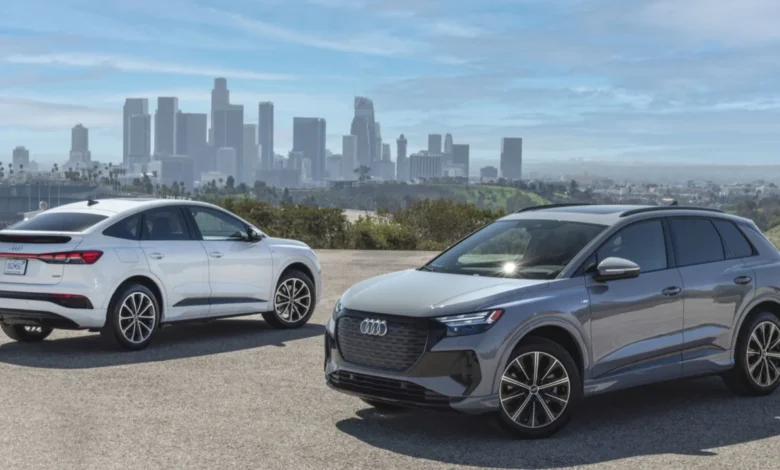
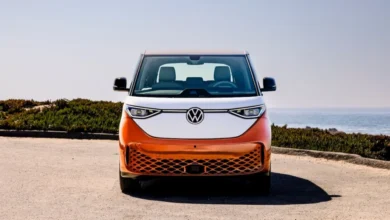
In a significant move highlighting the ongoing complexities of electric vehicle battery management, Volkswagen Group has issued a major safety recall affecting a wide range of its electric fleet. The recall encompasses both the Volkswagen ID.4 and the Audi Q4 E-Tron, citing a potential risk of "thermal propagation"—a technical term for a chain reaction of overheating cells that can lead to catastrophic battery fires. As of late 2026, the automotive giant has advised owners of these specific models to limit their battery charging to a maximum of 80% capacity to mitigate the risk of combustion.
This latest development marks a challenging chapter for the Volkswagen Group as it navigates the transition to full electrification. The recall underscores the delicate balance between maximizing battery range and ensuring long-term structural and chemical integrity within high-voltage battery packs.
The Scope of the Recall
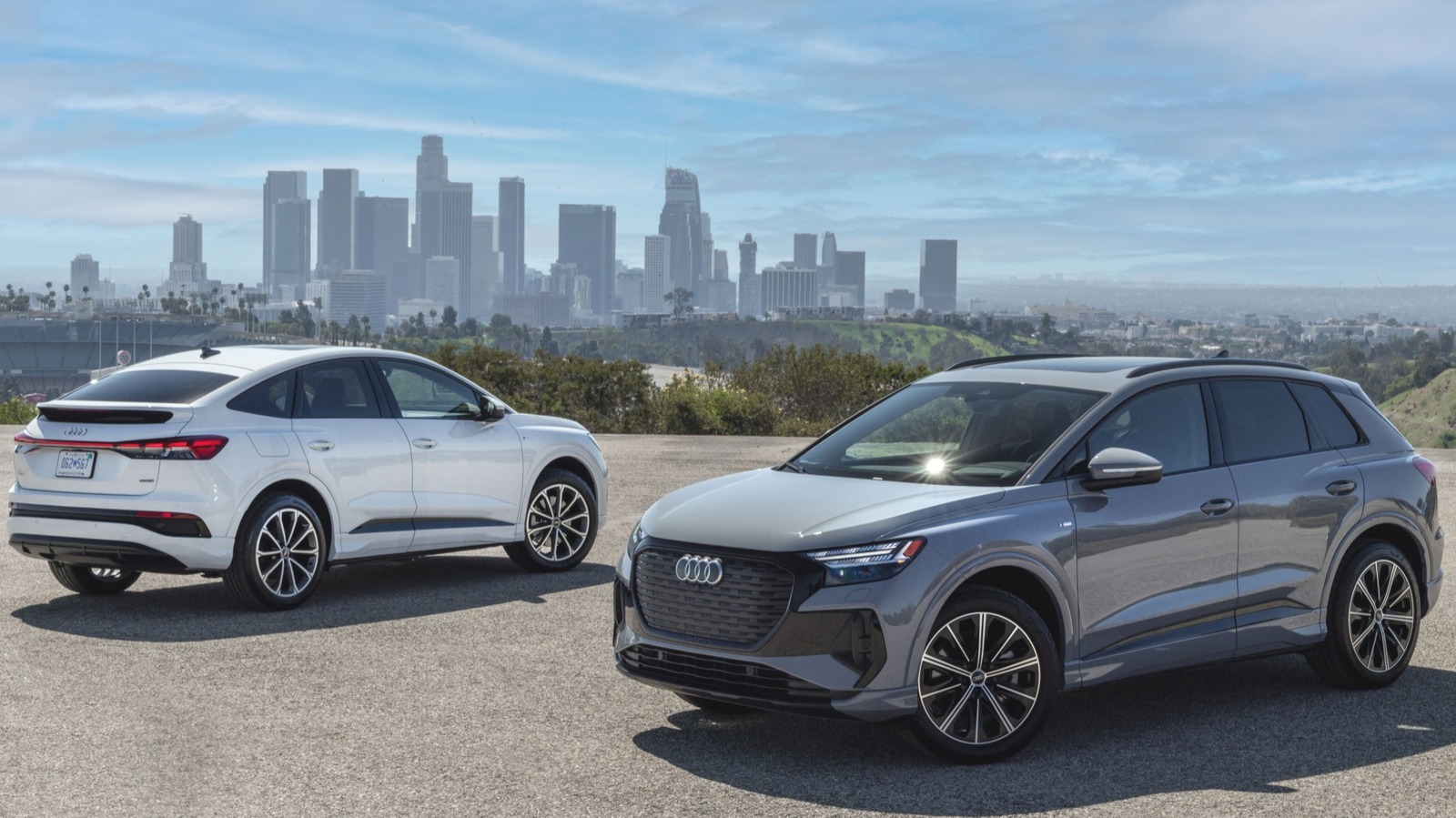
The scale of the safety action is substantial, covering a multi-year production window across the Volkswagen and Audi brands. According to filings submitted to the National Highway Traffic Safety Administration (NHTSA), the recall impacts 22,524 Volkswagen ID.4 vehicles produced between 2023 and 2026. On the Audi side, the recall involves 9,048 vehicles, specifically 2,008 units of the 2024–2025 Q4 Sportback E-Tron and 7,040 units of the 2024–2025 Q4 E-Tron.
While the total number of vehicles affected exceeds 31,500, both manufacturers have emphasized that the actual prevalence of the defect is estimated to be extremely low. Current projections suggest that only approximately 0.1% of the recalled vehicles contain the specific battery cell defect capable of triggering a fire. Despite this low statistical probability, the nature of lithium-ion battery failures—which can be sudden, intense, and difficult to extinguish—has prompted a cautious, proactive approach.
Chronology of the Safety Crisis
The emergence of this issue did not happen overnight. Volkswagen has been tracking potential battery-related incidents since early 2024. Between January 2024 and August 2026, the company recorded 22 separate claims of incidents potentially related to the underlying defect. These reports were the primary catalyst for the current regulatory intervention.
Last week, Volkswagen began deploying an Over-The-Air (OTA) software update to affected ID.4 vehicles. This digital intervention effectively creates a "hard wall" for charging, preventing the vehicle from accepting energy once it reaches the 80% threshold. While the update was pushed remotely, Volkswagen did allow owners a one-week window to opt out of the forced limitation, reflecting a tension between consumer autonomy and safety oversight. Conversely, Audi owners have not yet received a similar automated restriction, though they have been formally advised to manually limit their charging habits until a permanent technical remedy is developed.
The Science of Thermal Propagation
To understand why the 80% threshold is critical, one must look at the chemistry of high-voltage lithium-ion batteries. Manufacturers typically recommend staying within a 20% to 80% state-of-charge (SoC) window for daily use to extend the lifespan of the battery cells. However, in this specific instance, the 80% limit is not merely about preserving battery health; it is a critical safety buffer.
Thermal propagation occurs when a single battery cell fails—usually due to an internal short circuit—and reaches a temperature that triggers the adjacent cells to fail in a rapid, cascading sequence. By limiting the charge to 80%, the total energy stored within the pack is reduced, which can lower the probability of a cell reaching the critical temperature threshold that triggers a runaway event. While this is an effective stopgap measure, it remains a temporary solution that limits the utility of the vehicle, particularly for owners who rely on full capacity for long-distance travel.
Regulatory and Official Responses
Neither Volkswagen nor Audi has issued a "do not drive" or "park outside" warning, which are typically reserved for the most severe cases of fire risk. This suggests that the companies believe the threat is manageable through usage modifications while they work toward a more permanent hardware or software solution.
The NHTSA has been instrumental in overseeing the recall process. Owners are encouraged to verify their vehicle status using their 17-digit Vehicle Identification Number (VIN) on the official NHTSA website. Official notifications are expected to be sent to ID.4 owners by November 27, 2026, while Audi Q4 E-Tron owners should expect their notices by December 18, 2026.
In a somewhat analog twist to this high-tech problem, Volkswagen has begun sending physical stickers to affected ID.4 owners. These labels are intended to be placed on the vehicle as a visual reminder for drivers—and perhaps charging station operators—to limit the charge level. While this may seem rudimentary for a modern EV, it provides an immediate, low-cost safety measure while engineering teams finalize a comprehensive fix.
Broader Industry Implications
The Volkswagen and Audi recall is part of a larger, industry-wide trend regarding EV battery safety. Over the past five years, major automakers including Chevrolet, Hyundai, and Nissan have all initiated recalls related to battery fire risks. These incidents highlight the growing pains of the electric vehicle industry as it scales up production to meet global climate mandates.
The financial implications for Volkswagen are significant. The company is already contending with a challenging economic environment, including recent reports of declining profits and internal structural reorganizations. A recall of this magnitude requires extensive resources for diagnostic testing, customer outreach, and potential battery module replacements. If a hardware swap is eventually required, the costs could escalate into the hundreds of millions of dollars.
Furthermore, the public perception of electric vehicle safety remains sensitive. Events like this are frequently scrutinized by both the media and skeptical consumers, potentially impacting brand loyalty and the adoption rate of new EV models. However, safety experts often point out that because EVs are a relatively new technology at scale, the industry is in a phase of rapid learning. Every recall, while costly, leads to better data collection, more robust battery management software (BMS), and improved manufacturing protocols for future generations of vehicles.
The Path Forward
For the tens of thousands of affected drivers, the next few months will involve a waiting game. The current reality is one of limited functionality. Owners who previously relied on the full range of their ID.4 or Q4 E-Tron are now effectively operating vehicles with a reduced range, a situation that may be particularly inconvenient during the winter months when cold weather naturally impacts EV performance.
The lack of a defined "remedy" in the current recall documentation indicates that Volkswagen and Audi are still in the testing phase regarding a long-term solution. Whether this will involve a permanent software-based capacity limit, a physical inspection and potential replacement of specific battery modules, or a complete battery pack swap remains to be seen.
As the automotive industry continues its pivot toward electrification, the Volkswagen-Audi recall serves as a reminder of the complexities inherent in managing high-energy density storage systems. It underscores the necessity of transparency between manufacturers and consumers, as well as the critical role of federal regulators in ensuring that safety remains the priority, even when it comes at the expense of vehicle performance. For now, the instruction is clear: respect the 80% limit and stay tuned for further updates from the manufacturer as the investigation into the root cause of these potential thermal events continues.