Toyota Issues Safety Recall for Approximately 10,000 Electric C-HR Crossovers Due to Software Glitch Causing Sudden Power Loss


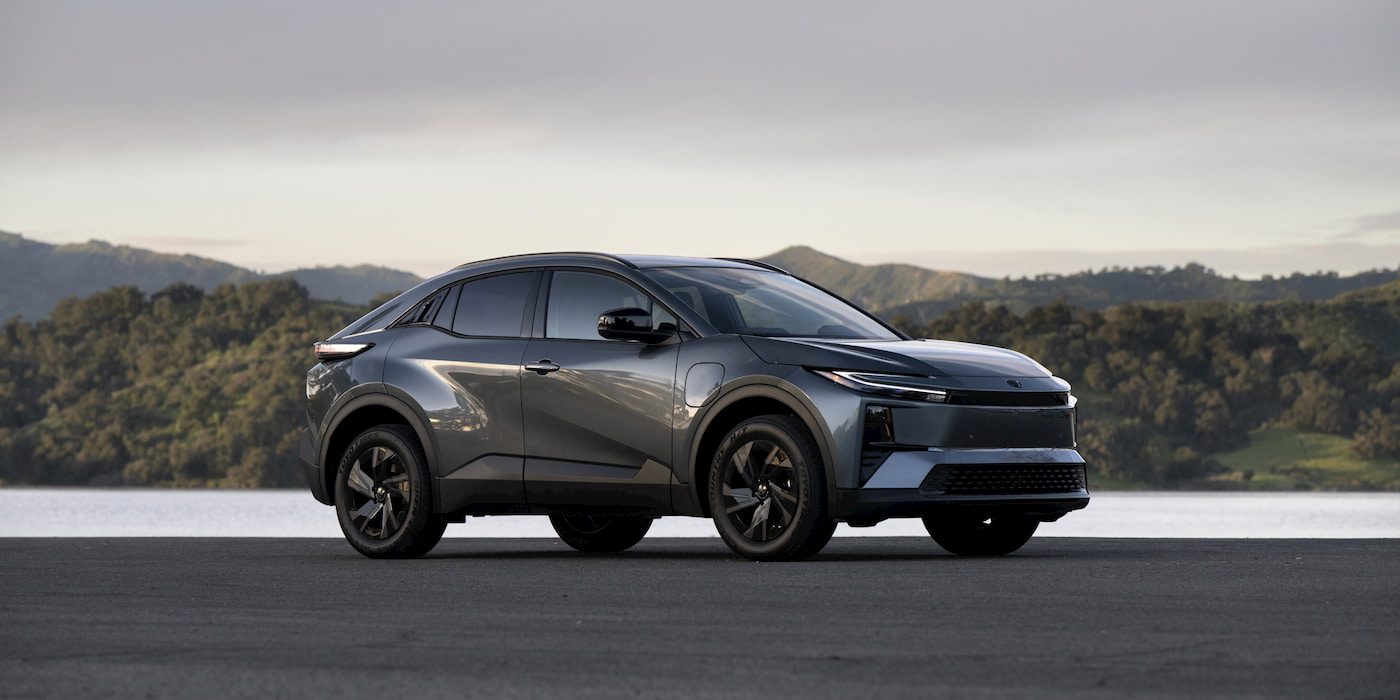
Toyota Motor Corporation has announced a safety recall affecting approximately 10,000 units of its all-electric C-HR crossover in North America. The campaign has been initiated to address a critical software anomaly within the vehicle’s electronic control architecture that can lead to an unexpected loss of motive power while the vehicle is in motion. The issue specifically targets certain model-year 2026 vehicles and represents the first major regulatory hurdle for the compact electric offering since it made its commercial debut earlier this year.
The root cause of the defect lies within the regenerative braking management system. According to preliminary engineering disclosures provided by the automaker, specific operational parameters can trigger a software malfunction when the high-voltage lithium-ion battery is at or near full state of charge. Under these precise conditions, the regenerative braking system—which is designed to recapture kinetic energy during deceleration and feed it back into the battery pack—can inadvertently overcharge the energy storage medium. To protect the hardware from catastrophic electrical damage, the vehicle’s onboard battery management safeguards react by initiating a protective shutdown of the entire electric drive system. Consequently, drivers may experience a sudden and unexpected cessation of propulsion, posing potential safety hazards on roadways.
Vehicle History and Market Context
The all-electric Toyota C-HR was introduced to the North American market earlier this year with a starting manufacturer’s suggested retail price (MSRP) of approximately $37,000. Positioned as a smaller, more dynamic, and sporty alternative to the larger bZ electric SUV lineup—which includes the bZ and the bZ Woodland variants—the C-HR EV was designed to capture a younger demographic seeking urban-friendly zero-emission mobility.
Despite enjoying a generally favorable commercial launch and solid initial sales momentum, the emerging EV crossover is now confronting its inaugural safety recall. The rapid transition toward software-defined vehicles within the automotive sector has frequently complicated traditional manufacturing quality assurance, as complex codebases manage critical powertrain functions that were once governed entirely by mechanical or isolated electrical systems. This incident highlights the growing operational challenges legacy automakers face as they scale their battery-electric vehicle (BEV) architectures to compete in an increasingly crowded global market.

Remediation Strategy and Repair Process
To rectify the software glitch, Toyota has established a structured service protocol through its authorized dealership network. Owners of affected 2026 model-year C-HR electric crossovers will be required to bring their vehicles to a local Toyota service center, where certified technicians will perform a complimentary electronic control unit (ECU) software update. This revised calibration is engineered to properly manage regenerative braking inputs under high-state-of-charge scenarios, thereby preventing the erroneous overcharging triggers that precede drive system shutdowns.
The automaker has confirmed that formal notification letters will be dispatched to registered owners via first-class mail in early November 2026. Because the formal recall documentation had not yet populated the National Highway Traffic Safety Administration (NHTSA) public database at the time of the announcement, regulatory tracking remains in its preliminary stages. Industry analysts note that while software-based recalls can often be resolved more swiftly than mechanical component replacements, notifying thousands of owners and scheduling dealership appointments still requires significant logistical coordination.
Global Implications and International Scope
Although the current safety campaign has been officially designated for North American markets, automotive industry observers suggest that the recall could soon expand internationally. The electric Toyota C-HR+, which is actively marketed and distributed across the United Kingdom, continental Europe, and several other global regions, shares a nearly identical mechanical and software foundation with its North American counterpart, save for the stylistic designation in its model nomenclature.
Regulatory agencies in Europe and Asia typically monitor safety actions initiated by major manufacturers in North America, and reciprocal safety campaigns are frequently launched when shared platforms utilize identical software builds. Toyota’s international subsidiaries have not yet issued formal statements regarding overseas vehicles, but European regulatory compliance boards are expected to evaluate the necessity of a parallel software campaign in the coming weeks.

Consumer Resources and Verification Procedures
Vehicle owners seeking immediate clarity regarding their specific unit’s involvement in the recall campaign are encouraged to utilize official verification channels. Toyota has instructed consumers to visit the dedicated safety portal at Toyota.com/recall, where entering a unique 17-digit Vehicle Identification Number (VIN) will confirm whether the vehicle requires the ECU software update.
Additionally, once federal processing is fully completed, owners will be able to cross-reference the campaign details via the official NHTSA database at nhtsa.gov/recalls by using either their VIN or state-issued license plate number. For direct inquiries, Toyota has mobilized its Brand Engagement Center, providing customer support representatives at the toll-free telephone number 1-800-331-4331.

Looking Ahead: The 2027 Model Year and Ongoing Quality Assurance
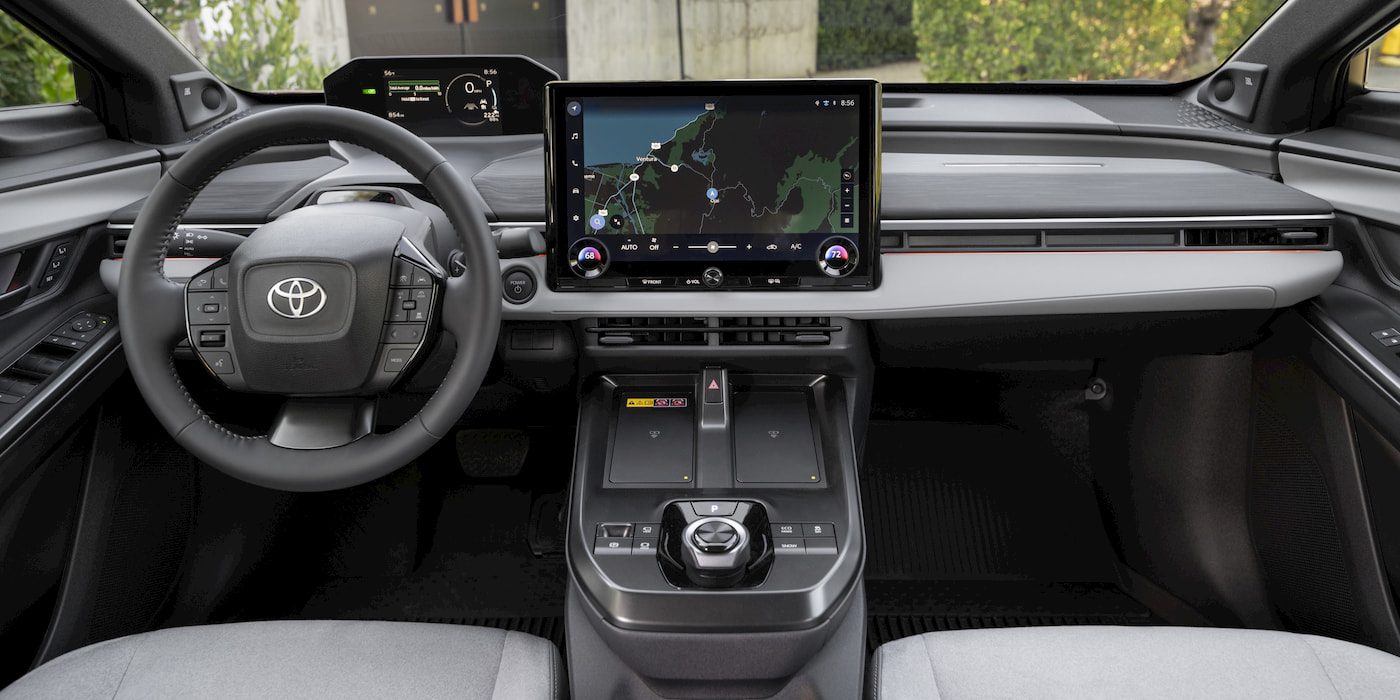
The current recall is strictly limited to select 2026 model-year Toyota C-HR electric vehicles. The newly announced 2027 Toyota C-HR, which has recently arrived at dealership showrooms following its pricing announcement in August 2026, is understood to incorporate updated manufacturing iterations and baseline software configurations designed to prevent similar electrical anomalies.
As electrified vehicle platforms become more prevalent, analysts emphasize that automakers will need to refine their over-the-air (OTA) update infrastructure. While the current C-HR recall necessitates a physical visit to a dealership service department for the ECU update, the industry at large is rapidly moving toward remote software patches to minimize consumer inconvenience and streamline regulatory compliance. Toyota’s handling of this initial software hiccup will likely serve as a benchmark for its broader electrification strategy as the company expands its portfolio of battery-electric offerings through the remainder of the decade.