Slate’s New Electric Pickup Truck Challenges the Modern Auto Industry with a Minimalist Philosophy

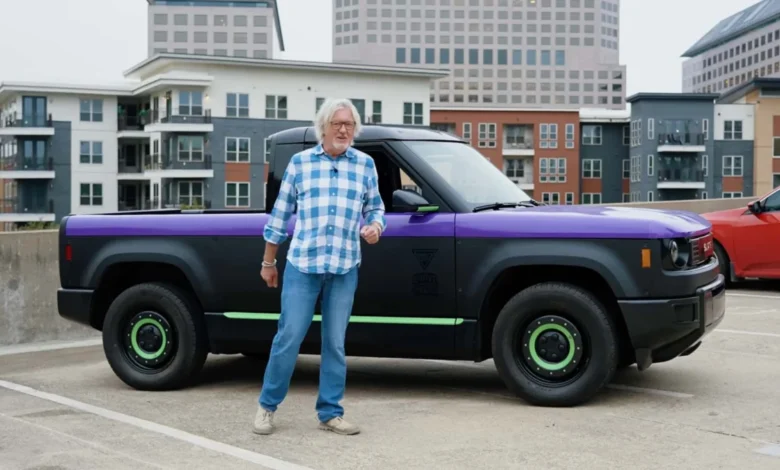
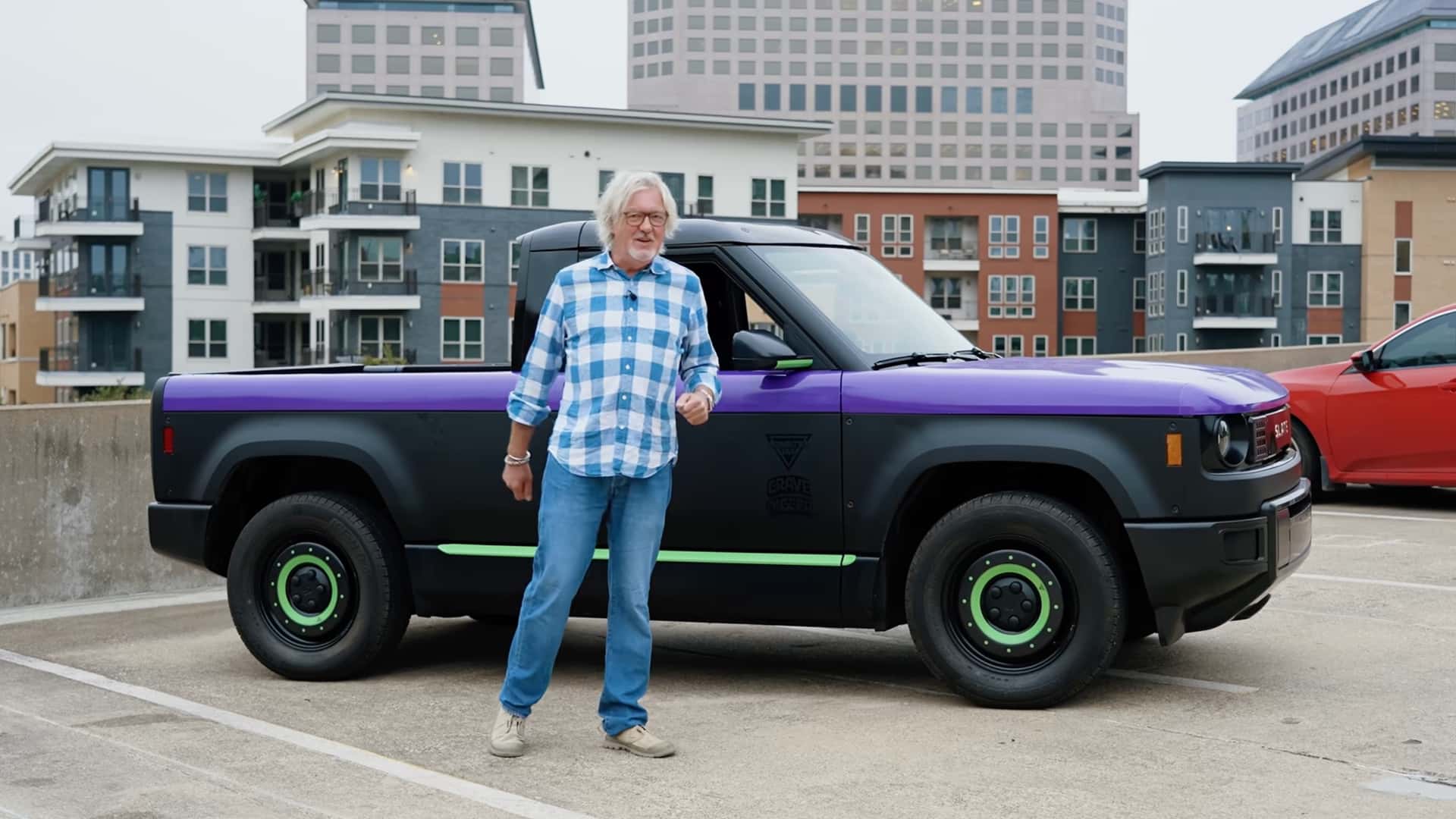
The automotive landscape has spent the better part of a decade moving toward larger, more complex, and increasingly expensive electric vehicles. However, a disruptive entrant, the Slate electric pickup, is aggressively pushing against this tide. With a target starting price of approximately $25,000 and a design philosophy that prioritizes raw utility over digital opulence, the Slate is capturing the attention of both budget-conscious consumers and automotive purists. Recently, this pint-sized electric workhorse received a notable nod of approval from James May, the seasoned automotive journalist and former host of Top Gear, whose endorsement has helped propel the vehicle into the center of a broader debate regarding the future of personal mobility.
The Genesis of the Minimalist Electric Truck
The concept behind the Slate truck originated from an analysis of the current market trajectory. As battery costs have fluctuated and automakers have focused on high-margin luxury electric vehicles (EVs), the entry-level segment has been largely abandoned. Slate aims to reclaim this space by stripping away the non-essential electronic interfaces that have come to define the modern driving experience.
The vehicle is engineered with a simple electric powertrain and a rear-mounted motor, eschewing the complex dual-motor, all-wheel-drive systems found in flagship electric trucks. By focusing on a compact, two-seat architecture, the company has managed to keep mass low and efficiency high. This approach is not merely a cost-saving measure; it is a fundamental shift toward the "back-to-basics" ideology that many consumers feel has been lost in an era of touchscreen-heavy dashboards and subscription-based vehicle features.
James May and the Validation of Simplicity
The recent test drive conducted by James May served as a high-profile stress test for the Slate’s brand identity. May, known for his pragmatic approach to vehicle evaluation and his deep appreciation for mechanical honesty, spent time assessing the truck’s ergonomics, driving dynamics, and overall utility. His public declaration—"You know what, I think I would—I’d have one"—is significant, given his history of reviewing the most sophisticated and expensive machinery in the world.
May’s enthusiasm for the Slate appears to stem from its lack of pretension. In a market where a simple task like adjusting the climate control often requires navigating multiple layers of a digital interface, the Slate’s reliance on physical controls is a breath of fresh air. For users who value a direct, tactile relationship with their vehicle, the Slate represents a return to form. The integration of a phone mount as a substitute for a proprietary infotainment system is the ultimate embodiment of this ethos, acknowledging that the consumer’s personal device is often superior to the outdated hardware frequently found in modern car dashboards.
Technical Specifications and Performance Metrics
The Slate is designed to meet the needs of the "last-mile" user, the urban contractor, or the hobbyist, rather than the long-haul commuter or the off-road enthusiast. Its performance metrics reflect this intended use case:
- Powertrain: A single rear-mounted electric motor provides the primary propulsion, prioritizing efficiency over raw acceleration.
- Range: The standard model is estimated to offer 150 miles of range, a figure that satisfies most urban and suburban daily requirements. For those needing extended duty cycles, an available larger battery pack increases this range to approximately 240 miles.
- Interior Design: The cabin is stripped of extraneous features. Manual windows, physical knobs, and a focus on durability are central to the interior design language.
- Utility: The small cargo bed is specifically designed for light commercial tasks, providing a practical solution for transporting tools or materials without the massive footprint of traditional light-duty trucks.
The Industry Context: A Return to Basics
The arrival of the Slate occurs at a critical juncture in the global automotive industry. Recent data suggests that the "EV premium"—the price difference between internal combustion engine vehicles and their electric counterparts—is beginning to shrink, yet the absolute cost of vehicles remains at record highs. Supply chain constraints, inflationary pressures, and the rising cost of raw materials have pushed the average transaction price of a new vehicle in many markets well beyond the reach of the median income household.
By targeting the $25,000 price point, Slate is positioning itself as a disruptor. This strategy is reminiscent of historical efforts to democratize the automobile, such as the original Volkswagen Beetle or the early Japanese imports that prioritized economy and reliability over luxury. In the context of the current market, the Slate is not just competing with other electric trucks; it is competing with the used vehicle market and the lack of affordable new transportation options.
Challenges and Market Viability
While the endorsement from a figure like James May provides substantial cultural capital, the road to mass adoption for a vehicle like the Slate is fraught with hurdles.
Regulatory Compliance: Any vehicle entering the mass market must contend with a web of safety regulations. Designing a vehicle that is both lightweight and minimalist while satisfying modern crash-test standards and safety requirements is an engineering feat of the highest order.
Infrastructure and Charging: While the Slate’s 150-to-240-mile range is sufficient for many, it necessitates a robust charging infrastructure. The lack of universal fast-charging standards in certain regions, combined with the truck’s intended use, means that buyers must be realistic about their charging capabilities at home or work.
Market Segmentation: The Slate is a niche product. It does not offer the towing capacity, luxury amenities, or brand prestige of legacy manufacturers. Its success depends entirely on the company’s ability to communicate its value proposition: that "less is more." If the company can maintain its low price point while achieving economies of scale in manufacturing, it may secure a permanent place in the fleet market and among private buyers who view their truck as a tool rather than a status symbol.
Broader Implications for the Future of Mobility
The Slate’s emergence challenges the industry’s prevailing "tech-first" narrative. For years, the auto sector has equated innovation with digital complexity. The Slate suggests that true innovation may lie in the simplification of the vehicle. By reducing the number of electronic components, the vehicle may also offer long-term reliability benefits, as fewer systems equate to fewer points of failure.
Furthermore, the vehicle’s design reflects a shift in consumer sentiment toward sustainability. Sustainability in the automotive context is often viewed through the lens of battery chemistry, but the Slate highlights the importance of material efficiency. A smaller, lighter vehicle requires fewer raw materials, smaller batteries, and less energy to propel, which, in the aggregate, offers a more sustainable footprint than the current trend of heavy, oversized electric SUVs and trucks.
Conclusion
The Slate electric truck represents a bold experiment in modern vehicle design. By stripping away the non-essentials and focusing on the core utility of a pickup, the company has managed to create a product that is not only functional but also culturally resonant. Whether it succeeds as a mainstream commercial product will depend on the company’s ability to navigate the complexities of manufacturing, safety compliance, and distribution.
However, the positive reception from veteran automotive experts underscores a growing appetite for vehicles that return to the fundamental purpose of transportation. In an age of digital noise and technological bloat, the Slate’s silent, minimalist, and affordable approach offers a compelling vision of what the future of the electric truck could be. As the company continues to refine its offering, it will serve as a bellwether for whether the market is truly ready to embrace a "back-to-basics" philosophy in an increasingly electrified world. The Slate is not just a truck; it is a challenge to the industry to reconsider the definition of progress.