Navigating Septic System Safety and Environmental Claims When Choosing Washing Machine Cleaner Tablets

Maintaining modern household appliances while simultaneously preserving the delicate ecological balance of a private residential septic system requires a careful balancing act, particularly when selecting routine maintenance products such as washing machine cleaner tablets. As consumers increasingly prioritize eco-friendly housekeeping practices, the market has seen a significant surge in specialized cleaning agents designed to eliminate detergent buildup, mold, and musty odors from internal drum components. However, for households operating on decentralized wastewater treatment infrastructure, the intersection of appliance maintenance chemistry and subsurface soil absorption systems demands rigorous scrutiny. Simply relying on generalized marketing claims such as septic safe can prove detrimental if consumers fail to cross-reference specific product formulations, exact usage directions, and independent environmental certifications.
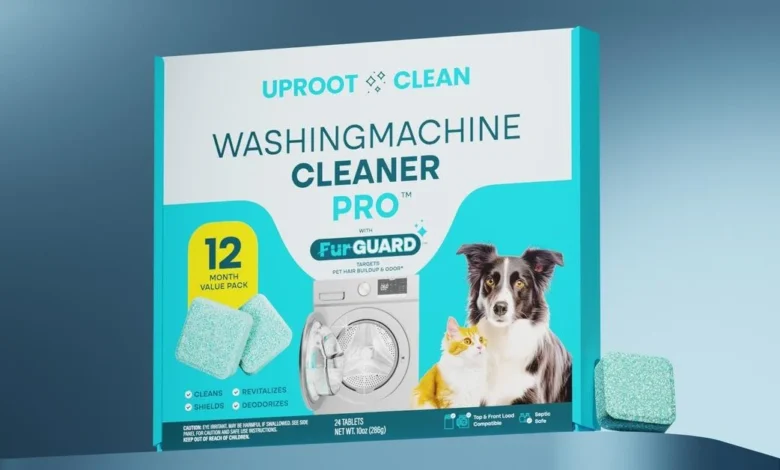
The fundamental mechanics of washing machine cleaner tablets differ substantially from conventional laundry detergents or specialized septic tank additives. While laundry detergents are engineered to lift soils from textiles during active wash cycles involving clothes, appliance cleaning tablets are formulated specifically for empty drum maintenance. These effervescent or dissolving tablets target hidden residues—including accumulated fabric softeners, unrinsed surfactants, mineral scales, and organic slimes that adhere to the outer tub and inner drum over weeks of operation. Popular products on the market, such as the Uproot Washing Machine Cleaner product line, utilize active ingredient matrices containing sodium percarbonate, sodium carbonate, citric acid, and targeted enzymes like lipase and protease to break down organic matter. Despite these targeted cleaning goals, the introduction of concentrated chemical agents and enzymes into a household wastewater stream requires a comprehensive understanding of how septic tanks function and how microbial communities within the system process chemical inputs.
Understanding the Chronology and Evolution of Eco-Friendly Appliance Care
The evolution of green cleaning products traces back several decades, gaining significant momentum with the establishment of voluntary chemical assessment frameworks by regulatory bodies such as the United States Environmental Protection Agency (EPA). Historically, consumers utilized chlorine bleach, liquid chlorine, or vinegar to sanitize washing machines, methods that often presented unintended consequences for household plumbing and wastewater biology. High-efficiency front-load and top-load washers introduced in the late 1990s and early 2000s exacerbated mold and mildew accumulation due to tight rubber gaskets and lower water volumes. This design shift catalyzed the commercial development of specialized washing machine cleaner tablets around 2010. By 2015, manufacturers began incorporating enzymatic cleaners and oxygen-based bleaching agents to minimize environmental toxicity. Concurrently, the EPA expanded initiatives like the Safer Choice program to evaluate chemical ingredients relative to human health and environmental criteria, prompting brands to disclose active formulations transparently. Despite these advancements, a chronological review of consumer habits reveals a persistent knowledge gap: many homeowners mistakenly equate general brand reputation or vague eco-labels with comprehensive third-party certification for specific formulations.
Analyzing Formula Variations, Ingredients, and Label Disclosures
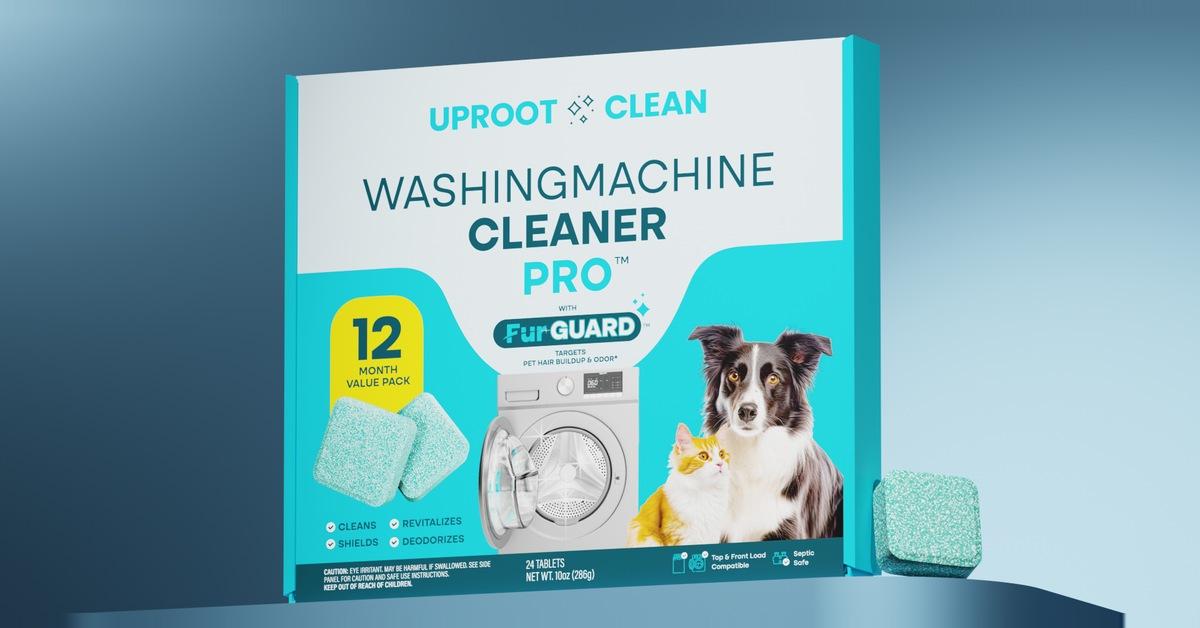
Evaluating the safety of a washing machine cleaner for a septic system begins with a granular examination of the exact product formulation. Brand portfolios often feature multiple variations tailored to consumer preferences regarding scent and cleaning potency. For instance, comparing an unscented variant like Uproot Washing Machine Cleaner Pro with an alternative version featuring added fragrance highlights the importance of reviewing individual ingredient disclosures. Unscented formulations typically reduce the introduction of synthetic aromatic compounds, which can occasionally disrupt sensitive anaerobic bacterial colonies residing within underground septic tanks.
Active ingredients such as sodium percarbonate decompose into washing soda, oxygen, and water, rendering them largely benign to subsurface biological processes when used according to manufacturer specifications. Similarly, organic acids like citric acid help neutralize alkalinity and dissolve mineral deposits without introducing harsh synthetic chelants that persist in groundwater. However, consumers must distinguish between ingredient disclosure—a voluntary transparency measure adopted by manufacturers—and formal regulatory certification. An ingredient list provides a necessary baseline for evaluating potential environmental impacts, but it cannot independently verify the finished product’s compatibility with a specific septic tank’s capacity, soil absorption rate, or existing bacterial health.
Assessing Septic-Safe Claims Against Manufacturer Directions
Manufacturer claims regarding septic compatibility must always be interpreted strictly within the context of recommended usage instructions and the operational parameters outlined in the appliance manufacturer’s manual. A common pitfall among homeowners is the assumption that a product labeled as septic safe permits higher doses, increased frequency of application, or simultaneous use with laundry loads.
Industry guidelines for products like Uproot typically recommend placing a single tablet into an empty drum, executing a designated clean-washer cycle, and subsequently wiping away any residual debris from the rubber gasket. This maintenance routine is generally advised on a bi-weekly basis or whenever musty odors emerge. Operating outside these parameters—such as running multiple cleaning cycles in rapid succession—introduces a concentrated surge of surfactants, enzymes, and alkalinity into the septic tank. This chemical shock can temporarily overwhelm the biological oxygen demand (BOD) of the system, potentially harming the anaerobic bacteria responsible for digesting solid waste. Homeowners who harbor specific concerns regarding the age, capacity, or structural integrity of their septic infrastructure are strongly advised to consult their local septic service provider before introducing new chemical maintenance routines.
Navigating Voluntary Environmental Programs and Certifications
Navigating the landscape of environmental marketing claims requires an understanding of voluntary certification standards established by regulatory and independent bodies. The EPA Safer Choice program serves as a benchmark for evaluating chemical ingredients relative to strict human health and environmental criteria, encompassing assessments of aquatic toxicity, persistence, bioaccumulation, product performance, packaging sustainability, and pH levels. To display the Safer Choice label, products must satisfy category-specific performance standards, and manufacturers are subject to annual audits conducted by the agency.
Crucially, participation in the Safer Choice program is entirely voluntary. Consequently, the absence of the Safer Choice label on a washing machine cleaner does not inherently imply that the product is hazardous or incompatible with septic systems. Conversely, manufacturer statements asserting that a product is septic-safe or features a no-added-fragrance profile represent voluntary assertions made by the brand rather than designations conferred by the EPA. Shoppers must actively consult official program product directories to verify whether a specific formulation holds a recognized certification, avoiding the common misconception that brand-wide recognition extends uniformly across all product lines.
Broader Impacts on Household Wastewater Management and Septic Health
Integrating washing machine maintenance into a holistic household wastewater management routine requires looking beyond individual cleaning products to examine overall laundry habits. According to comprehensive guidance issued by the EPA regarding septic system care, domestic wastewater volume and hydraulic loading play a critical role in the long-term functionality of drain fields and absorption trenches.
A prevalent operational error in households utilizing private septic systems is the concentration of all weekly laundry tasks into a single day. Concentrating multiple consecutive wash loads overwhelms the hydraulic capacity of the septic tank, causing suspended solids to flush prematurely into the drain field and potentially clogging soil pores. The EPA recommends spreading laundry loads evenly throughout the week to allow adequate settling time within the tank. Furthermore, matching the washer’s water level settings to the actual size of the laundry load prevents unnecessary water waste.
It is equally vital to recognize that appliance cleaning tablets are designed strictly for mechanical hygiene and cannot serve as a corrective treatment for failing or sluggish septic systems. Commercial septic tank additives—often marketed to stimulate bacterial activity or liquefy solids—are generally not recommended by the EPA for routine domestic wastewater treatment, as natural biological processes within the household wastewater stream typically supply sufficient microbial populations. Therefore, maintaining a functional septic system relies on a combination of disciplined water management, periodic professional inspection and pumping, and the judicious use of maintenance chemicals. By maintaining clear records of product formulas, usage schedules, and manufacturer instructions alongside the washing machine manual, households can ensure safe appliance operation while safeguarding the vital subterranean infrastructure that supports their homes.
Related posts: