Martha Stewart Breaks Silence Following Intense Social Media Backlash Over Controversial Homelessness-Themed Halloween Costume Post

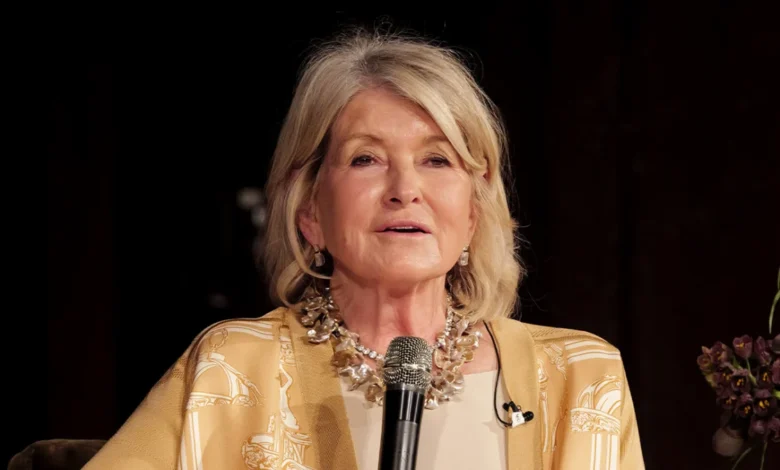
Lifestyle mogul and media icon Martha Stewart has broken her silence following a fierce wave of online criticism directed at a controversial Halloween costume depicting a homeless individual. The post, which was uploaded to Instagram before being swiftly scrubbed from her profile, ignited a widespread debate across social media regarding poverty, privilege, and the boundaries of social commentary through seasonal dress.
The incident has once again highlighted the rapid and unforgiving nature of public scrutiny on social media, where a single post can trigger a cascading international controversy within hours. As public relations professionals and cultural commentators weigh in on the fallout, the episode serves as a modern case study in the perils of tone-deaf celebrity marketing and the delicate line between activism and caricature.
Anatomy of a Social Media Firestorm
The controversy began when Stewart shared an Instagram carousel ostensibly designed to promote her branded line of seasonal candles sold via home-shopping giant QVC. The caption accompanying the imagery cheerfully declared, "My QVC candles are perfect for Halloween!!!!!"
However, it was not the scented wax products that caught the attention of her followers, but rather the imagery preceding or embedded within the promotional rollout. In the now-deleted photograph, Stewart appeared wearing heavily distressed, tattered clothing, with makeup simulating smudges of dirt across her face. Posing directly for the camera, she held a makeshift clipboard featuring a scrawled handwritten message that read, "I AM HUNGRY HELP ME!!"
Screenshots of the post were rapidly captured by users and disseminated across various platforms, most notably X (formerly Twitter). Within hours, the post drew sharp rebukes from social media users, advocacy groups, and cultural observers who accused the billionaire entrepreneur of crossing the line from festive dressing into the mockery of society’s most vulnerable populations.
"Martha Stewart absolutely tone deaf and totally out of touch. Absolutely shameful," wrote one user on X, capturing the sentiment of thousands. Another commenter added, "Mocking homelessness is not okay or funny. Using the very real suffering of unhoused people as a cheeky aesthetic for a product pitch is deeply cruel."
Stewart’s Official Response and Explanation
As public pressure mounted and media outlets began picking up the story, Stewart’s team moved to contain the narrative. In an official statement provided exclusively to People magazine, Stewart expressed deep regret over the public reaction and sought to clarify the underlying motivation behind the costume choice, firmly denying any intent to mock the unhoused.
"I’ve spent decades teaching others how to celebrate Halloween — sharing fun, festive recipes, providing unique craft ideas and giving tips on entertaining and hosting to make the most of one of my favorite holidays of the year," Stewart stated. "I am distressed that my Halloween costume yesterday, which was intended to bring more awareness to the very serious subject of homelessness, has offended people, which was never my intention."
In her defense, the lifestyle icon emphasized her historical philanthropic footprint and her awareness of socioeconomic crises in the United States. "Homelessness continues to remain one of America’s greatest challenges and ongoing crises, something that I care deeply about and I have spent a significant amount of time and effort supporting charities that combat this ongoing social epidemic," she continued. "I am committed to continuing to make a difference."
Despite the explanation, public relations analysts note that issuing a retroactive humanitarian justification for a costume that visually mimics the visual tropes of destitution rarely satisfies critics, particularly when paired with a direct commercial pitch for home fragrance products.
Broader Socioeconomic Context and the Reality of Homelessness
To understand the intensity of the public reaction, industry analysts point to the severe broader socioeconomic landscape surrounding homelessness in the United States. According to data compiled by the U.S. Department of Housing and Urban Development (HUD), homelessness numbers have experienced notable increases across multiple major metropolitan areas, driven by soaring housing costs, inflation, and the lingering economic impacts of post-pandemic financial shifts.
Public policy experts emphasize that homelessness is a structural crisis affecting hundreds of thousands of Americans on any given night. When figures of immense wealth and privilege adopt the visual markers of extreme poverty as a temporary theatrical device for a holiday traditionally centered on monsters, ghosts, and fictional characters, it frequently triggers accusations of "poverty tourism" or "cosplaying poverty."
Critics argue that translating systemic human suffering into a disposable Halloween aesthetic strips real people of their dignity, reducing a humanitarian tragedy to a superficial costume choice. Conversely, defenders of unconventional celebrity costumes often argue that public figures frequently push boundaries in search of avant-garde or striking imagery, sometimes misjudging how political or social statements will be interpreted by a diverse global audience.
The Intersection of Celebrity Marketing and Social Commentary
The incident underscores a growing vulnerability for celebrity brands operating in the digital ecosystem. In an era where authenticity is prized above all else, public figures frequently attempt to embed social commentary, edgy humor, or relatable vulnerability into their marketing funnels. However, when high-fashion aesthetics or billionaire lifestyles intersect with the stark realities of poverty, the risk of severe tonal miscalculation multiplies exponentially.
For Stewart, who built an empire spanning publishing, television, merchandising, and e-commerce on the pillars of immaculate domesticity, refined taste, and aspirational living, the misstep represents a rare public relations stumble. Over the course of her storied career—which has included navigating corporate governance trials, high-profile media reinventions, and unexpected cultural renaissances alongside Snoop Dogg—Stewart has generally proven adept at reading cultural shifts and maintaining broad public affection.
Yet, this episode demonstrates the unforgiving velocity of digital accountability. Within a single afternoon, the conversation shifted entirely away from product features and seasonal sales strategies toward a debate on empathy, tone deafness, and the ethical boundaries of representation in digital media.
Implications and Moving Forward
As the initial shock of the online backlash fades, media observers are analyzing the long-term implications of the event for Stewart’s brand and for celebrity culture at large. While the post was swiftly deleted and no further statements have been issued outside of her initial clarification to the press, the digital footprint of the controversy remains indelible via archived screenshots and ongoing commentary.
Moving forward, branding and crisis management specialists suggest that public figures must exercise significantly higher levels of caution when attempting to merge social advocacy themes with commercial product promotions. The friction generated when systemic social issues are utilized as transient aesthetic props highlights the necessity for deeper cultural sensitivity, particularly among creators with massive global platforms and immense socioeconomic influence.
Whether this controversy will result in any permanent damage to Stewart’s enduring commercial empire remains to be seen. Given her historical resilience and deeply established consumer loyalty, many industry veterans predict the incident will eventually fade into the background of internet lore. Nonetheless, the swift and fierce public reaction stands as a definitive reminder that audiences increasingly demand accountability, sensitivity, and genuine respect when powerful cultural figures touch upon the lived realities of marginalized populations.