Prince William and Princess Kate Forced to Cancel Annual Family Vacation to Jordan Amid Regional Security Concerns

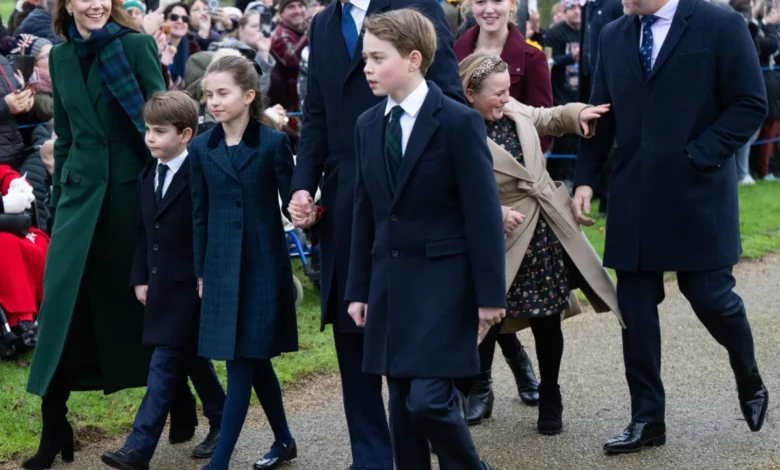
The Prince and Princess of Wales have reportedly been forced to alter their traditional autumn holiday plans, shelving their anticipated annual family retreat to Jordan due to escalating security concerns across the Middle East. For years, the royal family has frequently escaped to the Hashemite Kingdom, utilizing a standing invitation from Jordan’s King Abdullah II and Queen Rania to enjoy private, high-end getaways alongside their three children: Prince George, Princess Charlotte, and Prince Louis. However, rising geopolitical tensions, persistent drone and missile threats in the wider region, and shifting domestic commitments have prompted the couple to remain in the United Kingdom for the autumn season.
The decision marks a notable departure from a cherished family tradition that has grown increasingly important to the Wales family over the past decade. While royal residences and holiday destinations are typically chosen for their privacy, security, and familial comfort, the intensifying volatility in the Middle East has introduced risks that modern royal security protocols simply cannot overlook.
The Significance of Jordan in Royal Family History
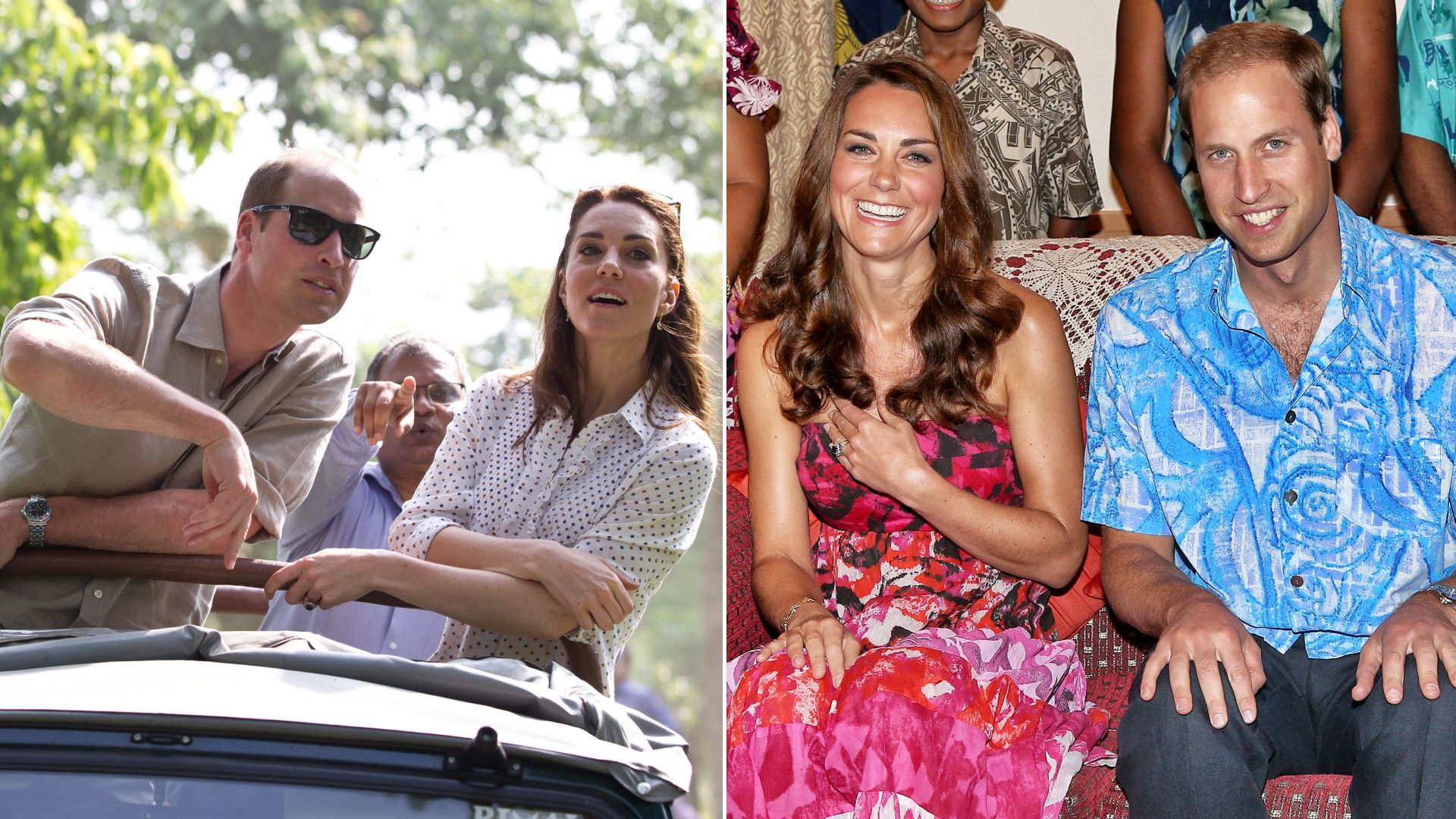
Jordan holds a profound and enduring personal significance for both Prince William and Princess Kate. The connection between the British royal family and the Hashemite royal family spans multiple generations, characterized by deep diplomatic ties and genuine personal friendship.
Long before welcoming their own children, William and Kate developed a fondness for the region. Most notably, Kate Middleton spent a portion of her childhood living in Amman, Jordan, between 1984 and 1986, when her father, Michael Middleton, worked there as a manager for British Airways. Kate attended a local nursery school during this period, an experience her family remembers fondly.
In recent years, Jordan has become the go-to destination for the Wales family’s private holidays. The country famously featured on the family’s 2021 official Christmas card, which showcased a previously unreleased photograph of William, Kate, and their three children smiling during a private vacation in the ancient city of Petra. Furthermore, the destination has frequently hosted extended family members, including Kate’s parents, Carole and Michael Middleton, transforming the trips into multi-generational family gatherings.
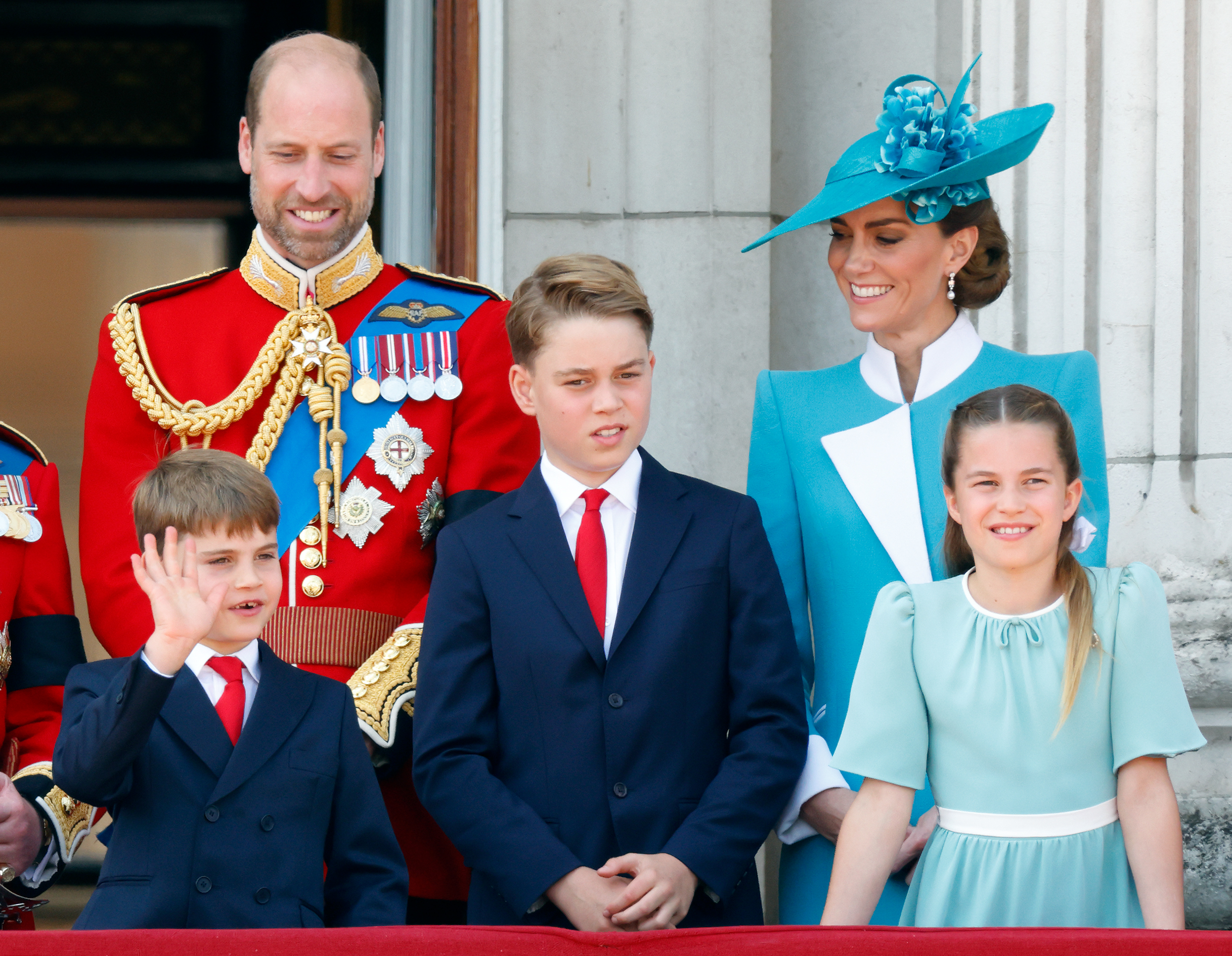
Insiders have frequently described the private royal accommodations provided by King Abdullah II as a first-class sanctuary offering unmatched privacy and luxury. Described by sources as a "personal first-class Club Med for royals," the seaside palace property allowed the family to partake in leisure activities such as swimming, water sports, and jet skiing far away from the relentless scrutiny of the British tabloid press.
Escalating Regional Tensions Force a Pivot
The cancellation of the 2026 Jordanian holiday underscores the acute security challenges facing high-profile public figures amidst ongoing Middle Eastern conflicts. According to reports originating from the Mail on Sunday, local chatter in Amman anticipated the arrival of the Prince and Princess of Wales as it has in previous years, with locals viewing the family almost as seasonal regulars.
However, the reality of the geopolitical landscape rendered the journey untenable. In the wake of multiple missile and drone exchanges involving regional powers, intelligence and security advisors tasked with protecting the heirs to the British throne evaluated the risk profile as unacceptably high.
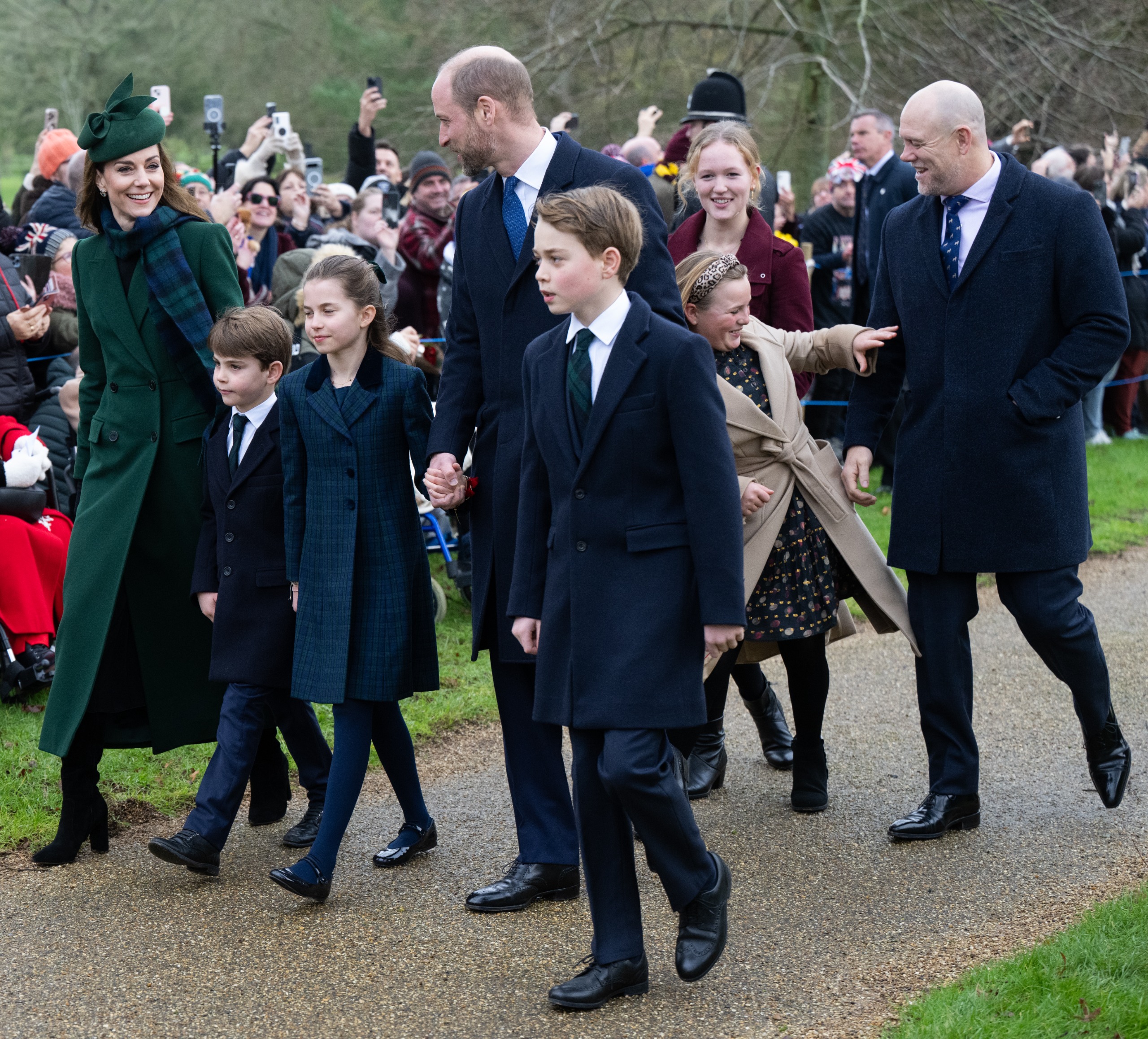
"They can hardly come here for water sports and jet skiing when there is the threat of missiles," a source familiar with the family’s planning remarked. "It can’t be a coincidence if an autumn return to Jordan wasn’t on their radar this year."
The expanding scope of security threats across the wider Middle East has necessitated a cautious approach to international travel for senior members of the British royal family. While royal tours authorized by the Foreign, Commonwealth & Development Office (FCDO) are subjected to rigorous risk assessments, private holidays undertaken by the direct heirs to the throne require an equally stringent layer of intelligence oversight. Protection officers from the Metropolitan Police’s Royalty and Specialist Protection command are understood to have advised against travel to regions experiencing active aerial skirmishes or elevated threat levels.
Domestic Priorities and Academic Milestones
While international security concerns served as the primary catalyst for abandoning the Jordan trip, the autumn calendar for the Prince and Princess of Wales was already heavily anchored by domestic responsibilities and major milestones within their children’s education.
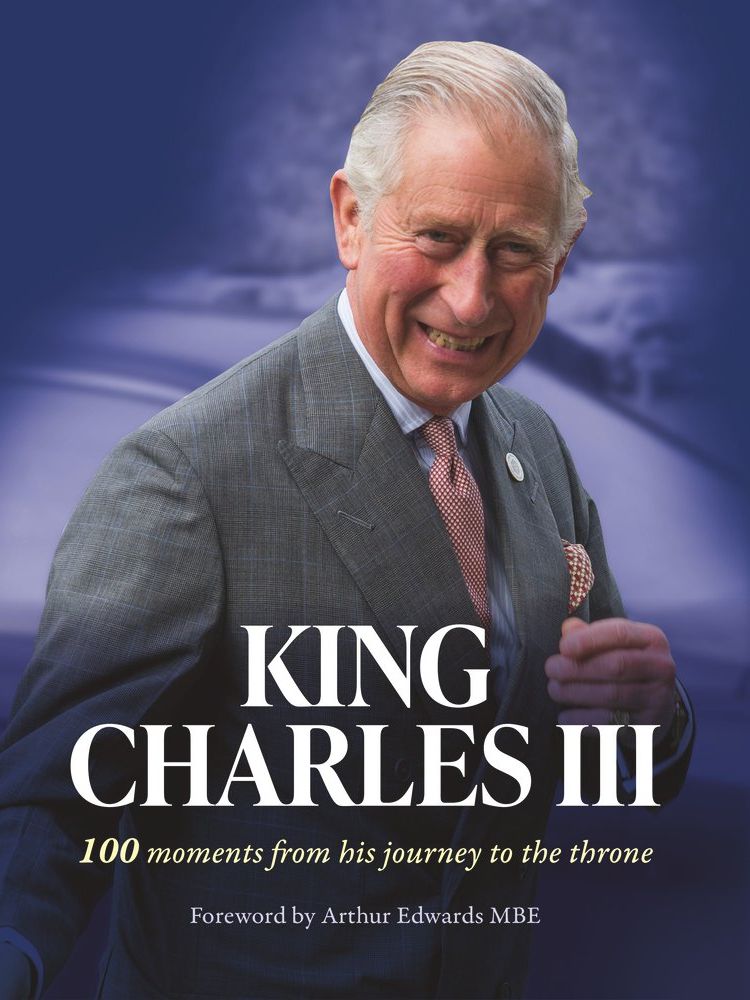
The decision to remain in the United Kingdom aligns seamlessly with the academic schedules of Prince George, Princess Charlotte, and Prince Louis. Prince George, who is approaching critical milestones in his secondary education at Eton College, requires stability and parental presence during term transitions. The family’s residence in Windsor places them in close proximity to George’s school, allowing William and Kate to seamlessly manage school runs, extracurricular activities, and home life.
In addition to parenting duties, the autumn season typically marks the resumption of a busy operational calendar for the Prince and Princess of Wales. Following periods dedicated to family time and, in Princess Kate’s case, ongoing health management and phased returns to public duties following her cancer treatment, the royal couple has increasingly focused on their core patronages, environmental initiatives via the Earthshot Prize, and early childhood development campaigns.
Remaining in the UK enables the couple to maintain continuity in their public-facing engagements without the added logistical complexities and optical challenges associated with international travel during periods of global economic and political uncertainty.

Broader Implications for Royal Diplomacy and Travel
The cancellation of the private holiday highlights the delicate balancing act required of modern monarchy: navigating personal leisure against the backdrop of global instability. For centuries, British royals have utilized foreign travel not only for official state diplomacy but also for private respite, leveraging personal relationships with foreign monarchs and heads of state to secure safe, secluded environments.
The growing inability to travel freely to certain traditional hotspots due to security threats reflects a contracting map of safe destinations for high-profile figures. As asymmetric warfare, drone proliferation, and regional conflicts continue to redefine geopolitical boundaries, the security calculus for international travel has become increasingly restrictive.
Furthermore, the situation underscores the enduring strength of the diplomatic bridge between the United Kingdom and Jordan. Despite the inability to visit in person this season, the bond between the House of Windsor and the Hashemite royal family remains robust. Both monarchies share a history of mutual support, counter-terrorism cooperation, and educational exchanges, ensuring that diplomatic channels remain unaffected by the tactical postponement of a family holiday.
Looking Ahead
As the autumn season progresses, the Prince and Princess of Wales are expected to focus their efforts on domestic engagements, supporting charitable initiatives across the United Kingdom, and guiding their children through the academic year. While the azure waters and private palaces of Jordan will have to wait for a more stable geopolitical climate, the family’s affinity for the region remains unchanged.
For now, the focus shifts firmly back to British soil, where William, Kate, and their children will enjoy their downtime closer to home, balancing the demands of a modern royal household with the simple realities of family life in Windsor.