Rob Dahm Transforms the 2026 Dodge Charger Sixpack Into a 1,000-Horsepower Street Monster

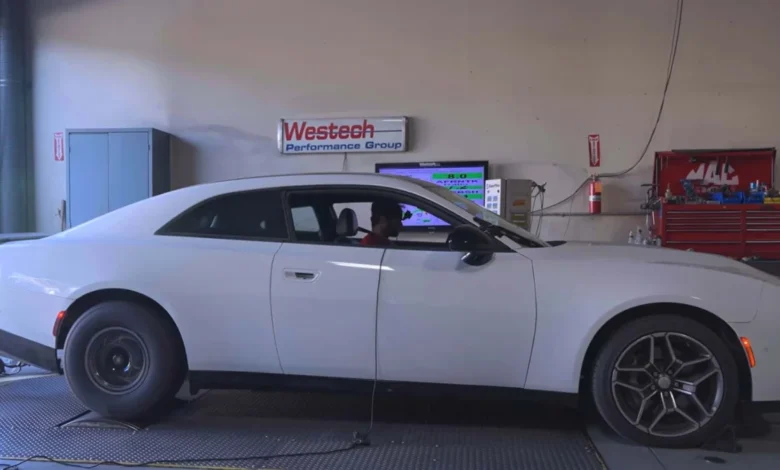
The automotive landscape is currently undergoing a radical transformation as Dodge navigates the transition from traditional high-displacement V8 engines to a more modern, forced-induction paradigm. While the new 2026 Dodge Charger—available in both fully electric variants and the internal-combustion "Sixpack" configuration—has drawn polarized feedback from purists and performance enthusiasts alike, recent real-world testing is challenging the narrative that the new inline-six platform lacks potential. Automotive content creator and engineer Rob Dahm has recently pushed the limits of the Hurricane-based powertrain, demonstrating that the platform is capable of producing nearly 1,000 horsepower while retaining its stock engine internals.
The Evolution of the Hurricane Engine Platform
The 2026 Dodge Charger Sixpack utilizes a 3.0-liter twin-turbocharged inline-six-cylinder engine, officially known as the "Hurricane" engine. In its factory high-output trim, this powerplant is rated by Stellantis at 550 horsepower and 531 pound-feet of torque. This output is already significant for a production vehicle of this displacement, representing a shift toward higher power density—achieved through advanced thermal management, high-pressure direct injection, and dual-turbocharging technology.
For enthusiasts, the skepticism surrounding this engine often centers on its durability when subjected to extreme aftermarket tuning. Historically, large-displacement V8s like the HEMI have been the bedrock of Dodge’s performance reputation, with aftermarket support that allowed for easy power gains. The move to a smaller, more complex engine design raised questions about the strength of the engine block and the longevity of the rotating assembly under high-boost conditions. Rob Dahm’s recent project serves as a technical case study, testing the structural limits of these new components under forced-induction stress levels that far exceed factory specifications.
Technical Methodology: Pushing the Limits
The transformation of the Charger into a near-four-figure horsepower machine involved a series of strategic modifications that focused on air delivery and fuel composition rather than internal engine reconstruction. By choosing to leave the stock engine internals—including the pistons, connecting rods, and crankshaft—untouched, Dahm aimed to isolate the limitations of the block’s design.
The modification process began with the removal of the factory-installed twin-turbocharger system. In its place, a singular, significantly larger turbocharger was installed, fed through a custom-fabricated billet intake manifold designed to handle higher volumetric efficiency. To support the increased air mass, the engine was tuned to run on E85, a high-octane biofuel that allows for more aggressive timing and cooler combustion temperatures, which are essential for preventing detonation at high boost levels.
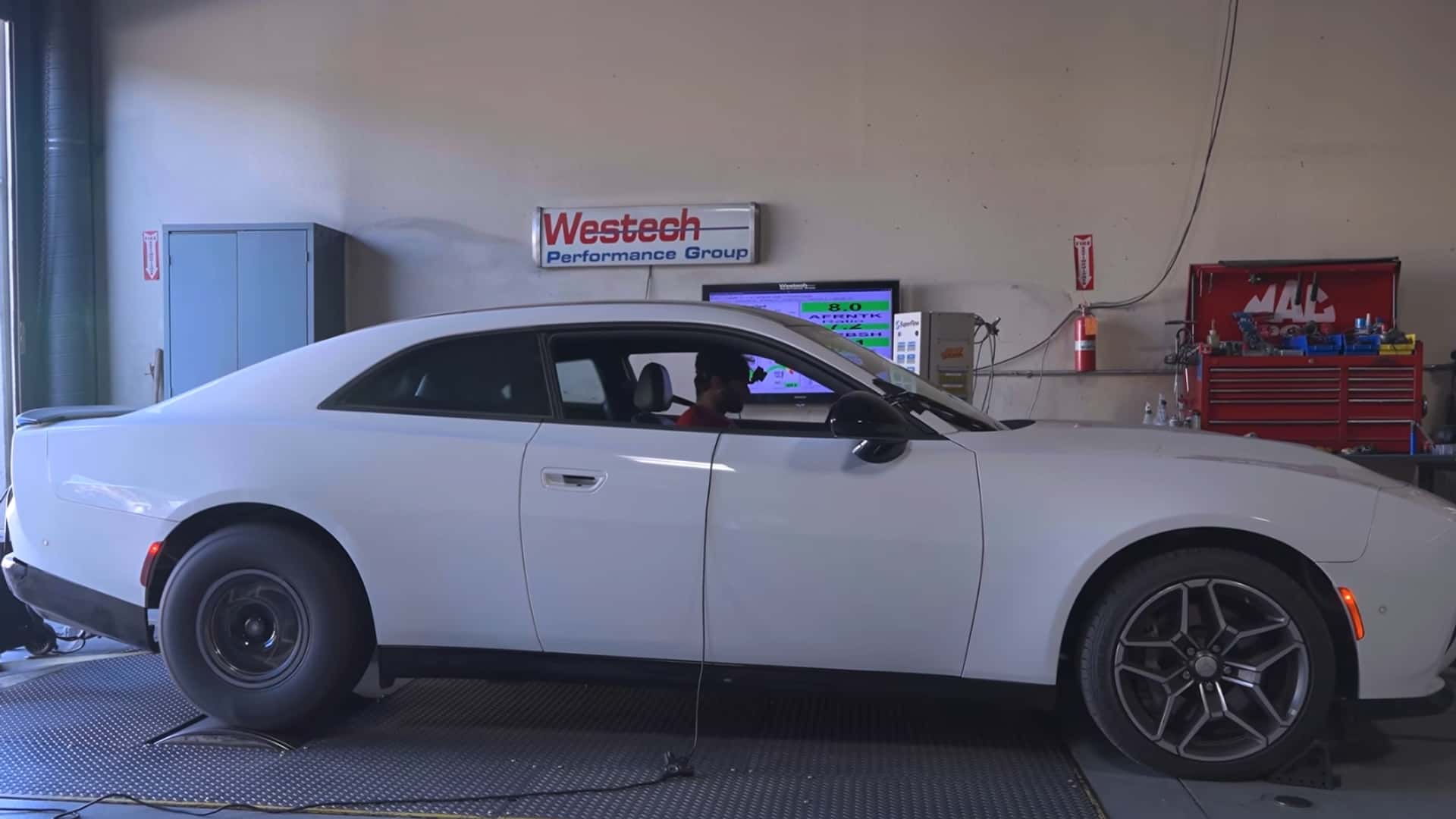
The final stage of the build involved the application of a nitrous oxide injection system. This addition provided the final push required to reach the car’s peak output. According to the data logged during the dyno sessions, the vehicle achieved approximately 850 wheel horsepower with a full exhaust system in place. Once the exhaust was removed to minimize backpressure and the boost was increased to 46 psi, the engine reached a peak output of 968 horsepower and 863 pound-feet of torque.
The Role of Transmission Preservation
While the Hurricane engine demonstrated remarkable resilience during the high-stress testing, the project highlighted a critical bottleneck in the powertrain: the eight-speed automatic transmission. As the engine reached its 968-horsepower threshold, the transmission’s control module began to exhibit erratic behavior, with inconsistent shift patterns and delayed gear engagement.
Engineers involved in the project suggest that this was likely a programmed response—a form of "self-preservation" initiated by the transmission control unit (TCU). By detecting torque levels that significantly exceeded the design parameters of the gearbox, the software likely altered shift timing to prevent mechanical failure. Despite this, the transmission remained fully functional throughout the testing, suggesting that the engineering of the drivetrain components is robust, even if it is not currently calibrated to handle nearly double the factory-rated power output.
Implications for the Aftermarket Industry
The success of this project carries significant implications for the aftermarket tuning industry. Historically, the aftermarket sector thrives on the "hidden" potential within a vehicle’s powertrain. If the 3.0-liter Hurricane engine can sustain nearly 1,000 horsepower on stock internals, it positions the 2026 Dodge Charger as a viable platform for high-performance builds.
For Dodge, this provides a unique marketing opportunity. While the brand is heavily focused on the electrification of the Charger, the performance of the Sixpack variant ensures that they remain relevant to the traditional internal-combustion community. The ability to achieve four-figure power numbers through bolt-on modifications and engine management tuning is a hallmark of a successful performance platform, and it is likely to influence how Dodge markets the Sixpack to enthusiasts in the coming years.
Industry Context and Future Outlook
The broader automotive industry is closely watching how these new, smaller-displacement engines perform in the real world. As manufacturers move toward downsizing, the data gathered by independent testers like Rob Dahm provides a secondary verification of the engineering work done at the factory level. If the "stock internals" can handle such extreme stress, it suggests that the Hurricane engine was designed with a high degree of over-engineering, likely to accommodate future iterations of the platform that may require higher factory power outputs for special editions or performance trim levels.
Furthermore, this development aligns with the broader industry trend of "modular performance." By utilizing a platform that is scalable, manufacturers can offer different power tiers while maintaining manufacturing efficiency. However, the secondary market will always seek to push these platforms beyond their factory-mandated limits. The findings from this project suggest that the 2026 Dodge Charger is not merely a replacement for the outgoing V8 models; it is a high-tech evolution that offers a different, yet equally capable, path to high-performance output.
Conclusion
The experiment conducted by Rob Dahm proves that the 2026 Dodge Charger Sixpack possesses an engine platform with significant headroom for performance upgrades. Achieving 968 horsepower while maintaining the integrity of the stock block and rotating assembly is a testament to the advancements in modern engine design and manufacturing tolerances. While the transmission currently acts as a limiting factor, the data serves as a clear indicator that the platform is capable of sustaining extreme power.
As the industry continues to move toward more efficient, forced-induction powerplants, the success of such projects will be pivotal in maintaining consumer interest in internal combustion. For owners of the new Charger, the results provide a roadmap for potential modifications, signaling that the era of high-horsepower Dodge performance is far from over—it is simply being rewritten in a more efficient, six-cylinder format. Whether this leads to a new generation of high-performance parts or simply highlights the strength of the factory components, one thing remains clear: the 2026 Dodge Charger Sixpack is a platform that demands serious attention from the performance community.