The Ultimate Guide to the 2026 Nations Championship: Format, Fixtures, Squads, and Everything You Need to Know

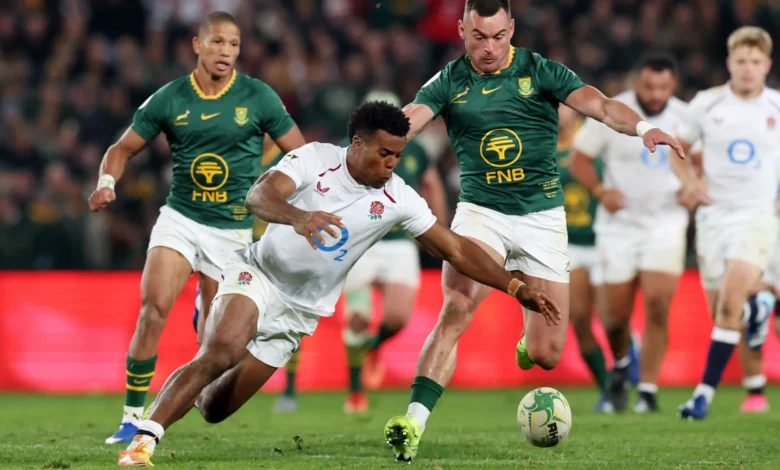
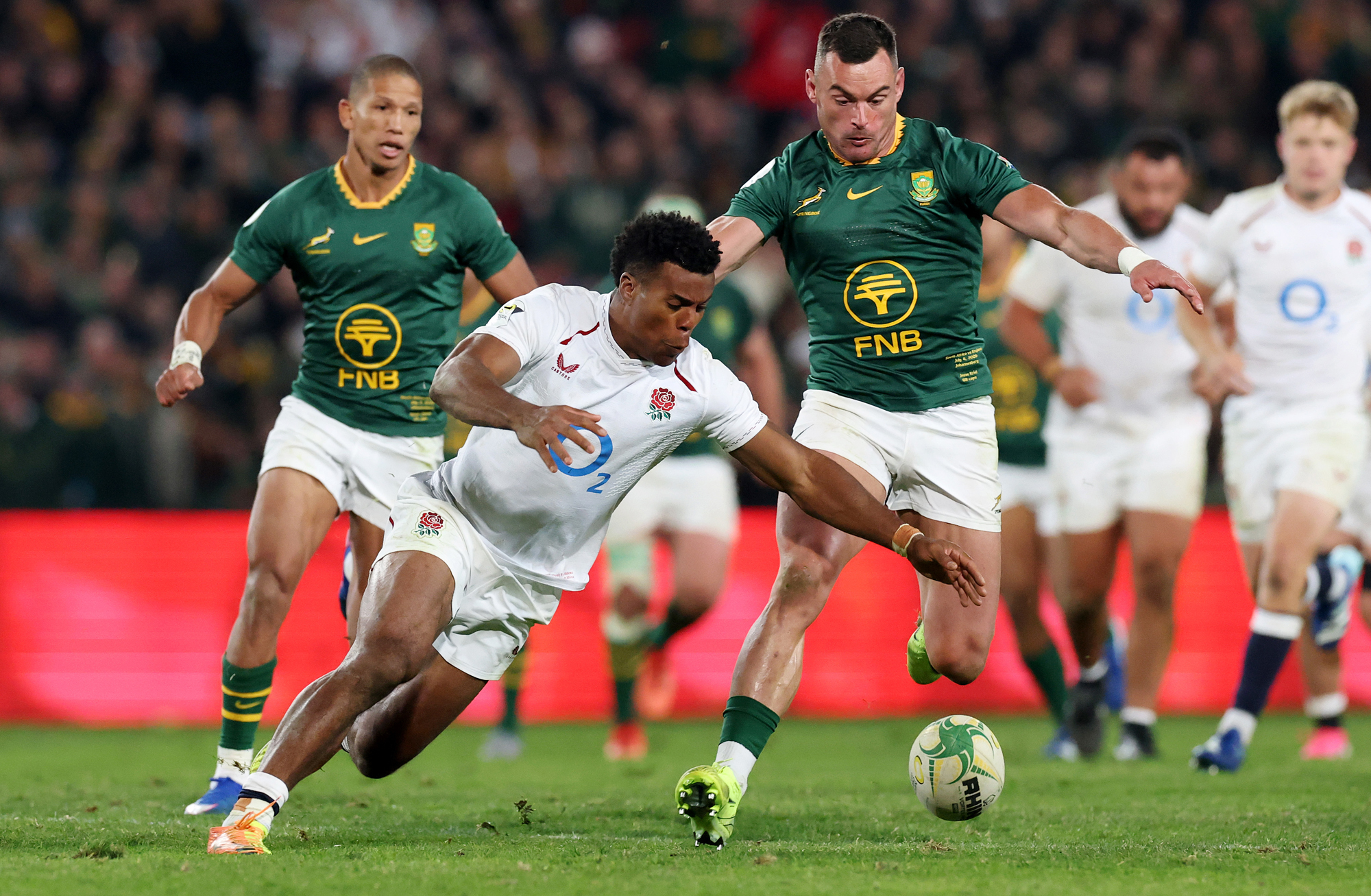
The landscape of international rugby union is undergoing its most radical transformation in the professional era as the inaugural Nations Championship enters its decisive second phase this November. Designed to replace traditional, disparate touring windows with a structured, high-stakes global calendar, the biennial tournament pits the elite rugby nations of the northern hemisphere against their southern counterparts. Following an intense opening block of fixtures played across July, the competition now moves to Europe for three high-intensity rounds of cross-hemisphere clashes, culminating in a historic multi-day finals weekend at Allianz Stadium, Twickenham.
As teams prepare for the November series, stakeholders, players, and fans alike are tracking how this landmark international competition is reshaping the sport’s ecosystem. Modelled similarly to association football’s UEFA Nations League, the tournament aims to eradicate the ambiguity of traditional international friendlies by attaching tangible consequence, ranking implications, and a grand finale to every autumn Test match.
Background and Genesis of the Global Tournament
For decades, international rugby operated on a fragmented calendar. Summer tours to the southern hemisphere and autumn visits by SANZAAR nations to European grounds were historically classified as test matches, yet they lacked a overarching competitive framework or a definitive champion. Recognizing the need to maximize commercial revenue, captivate global audiences, and provide meaningful narratives outside of the four-year Rugby World Cup cycle, Six Nations Rugby and SANZAAR united to conceptualize the Nations Championship.
The tournament is specifically scheduled to take place in alternate years—omitting seasons that feature a men’s Rugby World Cup or a British & Irish Lions tour. By anchoring the international window into two distinct, interconnected blocks, the competition ensures that every fixture carries weight. July serves as the opening chapter, with European powerhouses traveling south, while November shifts the battlegrounds to the northern hemisphere, where southern hemisphere sides and invitational representatives return the favor.
Tournament Structure, Format, and the Road to Twickenham
The Nations Championship features a twelve-team field divided into two equal pools based on geography. The Northern Hemisphere group comprises the traditional Six Nations participants: England, France, Ireland, Italy, Scotland, and Wales. The Southern Hemisphere group contains the four Rugby Championship powerhouses—Argentina, Australia, New Zealand, and South Africa—alongside two strategically integrated invitational sides, Fiji and Japan (with Japan placed in the southern group for administrative and logistical balance).
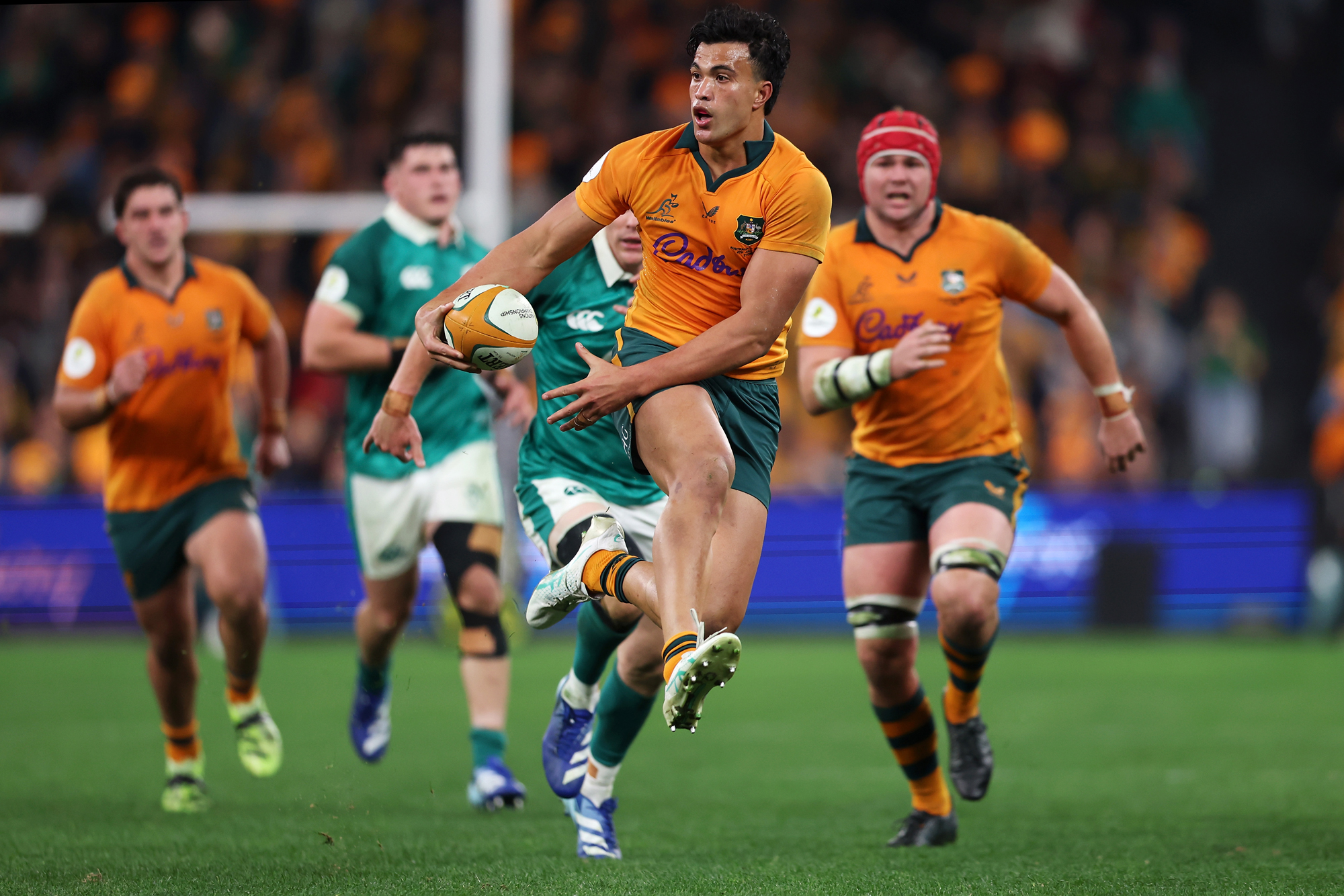
Rather than playing a traditional round-robin tournament within their own hemispheres, teams cross over. Every country plays against the sides in the opposite group. Consequently, each participant completed three matches during the July window and will play three additional matches throughout November.
The crowning jewel of the tournament is the Finals Weekend, scheduled to take place at Allianz Stadium, Twickenham, from Friday 27 November to Sunday 29 November 2026. Rather than a simple knockout bracket for the championship trophy alone, the finals weekend features positional play-off matches for all twelve participating nations. Teams will face the opponent from the opposing group who finished in the identical pool position. Therefore, the respective table-leaders of the Northern and Southern groups will lock horns on Sunday, 29 November, to determine the inaugural grand champion of the competition, while other matches will settle final placings from second down to twelfth.
July Review: How the Opening Block Unfolded
The opening three rounds of the competition, contested throughout July, set a blistering standard of rugby. European sides endured grueling travel schedules and hostile environments across the southern hemisphere, leading to several tactical shifts and statement performances.
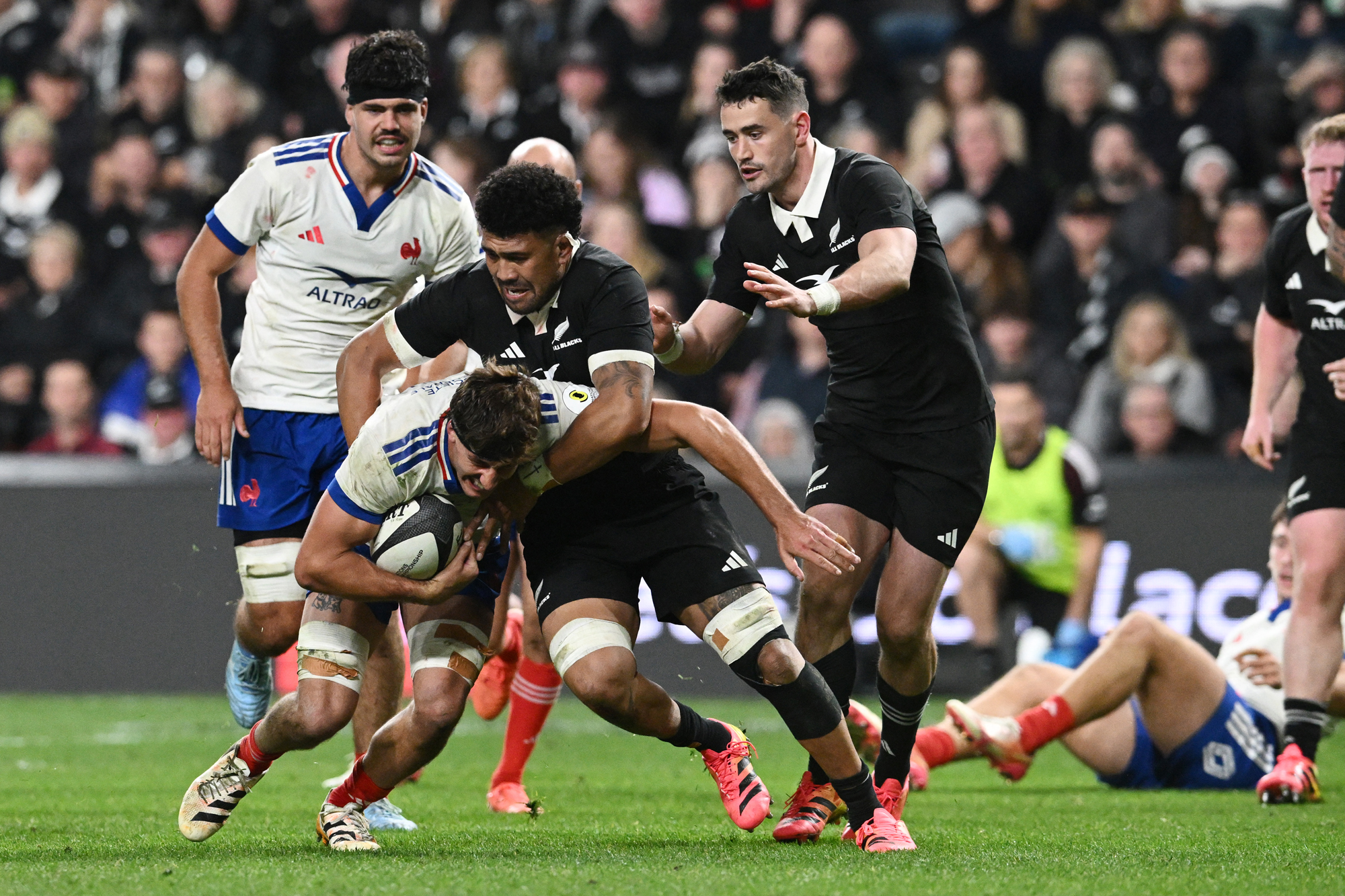
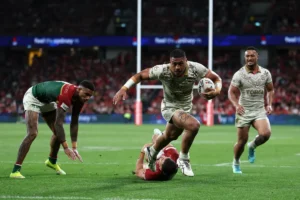
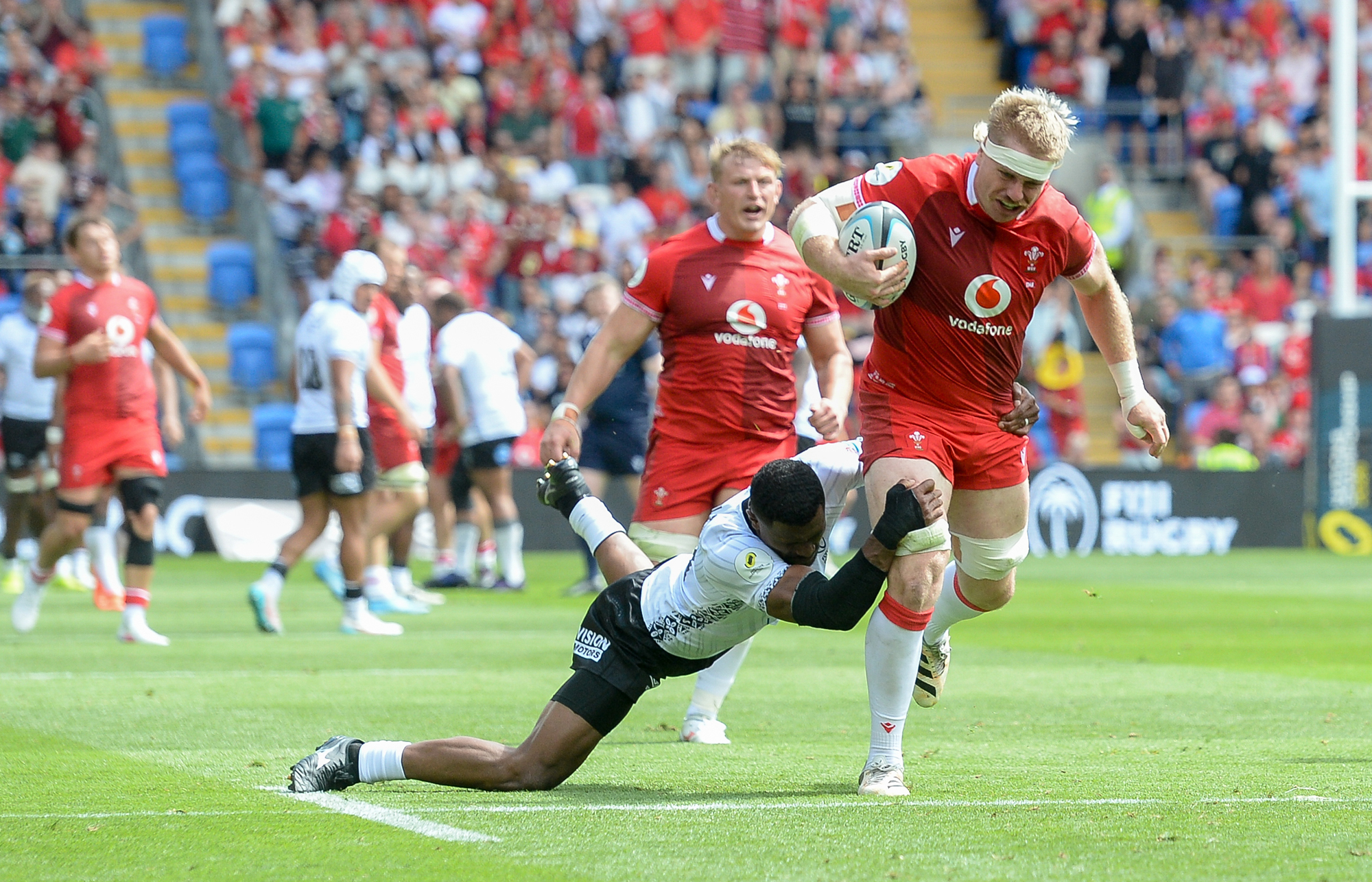
Scotland emerged as one of the standout performers of the July block, displaying cohesive attacking structures and physical resilience that troubled their southern hosts. Meanwhile, encounters such as France’s pulsating 34-32 victory over New Zealand in Christchurch demonstrated the exceptional quality and razor-thin margins defining the elite tier of the sport. Conversely, teams like Wales and Italy faced steep learning curves, with Wales securing their singular victory of the summer block through a hard-fought away win over Fiji—a fixture uniquely hosted in Cardiff due to scheduling arrangements.
November Fixtures and Broadcast Landscape
The resumption of the tournament in November brings three consecutive weekends of blockbuster fixtures across European stadiums, running from Friday 6 November to Saturday 21 November 2026. Fans across the globe can access the matches through various regional broadcasters. In the United Kingdom, Ireland, and France, free-to-air coverage is secured via ITV, Virgin Media, and TF1 respectively, ensuring maximum accessibility for supporters. Meanwhile, audiences in Australia, New Zealand, South Africa, Italy, and Japan can follow the action through dedicated subscription services including Stan Sport, Sky Sport, SuperSport, Sky Italia, and Wowow.
The scheduling has been meticulously crafted to avoid domestic league disruption where possible while maximizing stadium attendances across London, Dublin, Paris, Rome, Edinburgh, and Cardiff. Ticket sales for the Twickenham finals weekend have experienced unprecedented demand, driven by multi-day passes and specialized "Support Your Team" packages offered through official union channels and the dedicated Nations Championship portal.
The Broader Ecosystem: The Nations Cup and Future Promotion Prospects
While the twelve tier-one nations contest the premier title, World Rugby’s broader structural overhaul includes the concurrent staging of the second-tier Nations Cup. Featuring another twelve international sides split geographically into two pools—Pool A consisting of the Americas and Pacific nations (Canada, Chile, Samoa, Tonga, Uruguay, and the USA), and Pool B comprising Europe, Africa, and Asia (Georgia, Hong Kong, Portugal, Spain, Romania, and Zimbabwe)—the tournament serves as a vital competitive outlet. All participating teams in the Nations Cup have successfully secured qualification for the 2027 Rugby World Cup in Australia.
A frequently debated topic among analysts and fans is the potential introduction of promotion and relegation between the premier Nations Championship and the second-tier Nations Cup. World Rugby has confirmed that while promotion and relegation will not feature in the immediate initial editions, all stakeholders have committed to reviewing the feasibility of introducing a promotion-relegation mechanism ahead of the 2030 tournament cycle. This inclusion would provide aspirational pathways for tier-two nations to challenge established powers on a regular basis.
World Rankings and Statistical Implications
Crucially, all matches played within the framework of the Nations Championship carry full international Test status, meaning every fixture directly impacts the World Rugby Men’s Rankings. Entering the November blocks, South Africa sits firmly at the summit of the global rankings, closely pursued by traditional heavyweights New Zealand, Ireland, France, and England. With rankings dictating seeding for upcoming global tournaments, including the Rugby World Cup draw, teams cannot afford experimental complacency during the November tests.
Comprehensive Squad Listings for the November Block
National team coaches have announced their definitive 12-man squad selections for the upcoming autumn encounters, balancing youth development with seasoned leadership:
Argentina
- Forwards: Ephraim Elias, Juan Martín González, Santiago Grondona, Marcos Kremer, Tomás Lavanini, Rodrigo Martinez, Pablo Matera, Julián Montoya, Francisco Moreno, Joaquín Moro, Leonel Oviedo, Guido Petti, Tomás Rapetti, Pedro Rubiolo, Juan Martín Scelzo, Joel Sclavi, Mayco Vivas, Boris Wenger.
- Backs: Tomás Albornoz, Simón Benítez Cruz, Mateo Carreras, Santiago Chocobares, Lucio Cinti, Bautista Delguy, Gonzalo García, Rodrigo Isgró, Juan Cruz Mallía, Ignacio Mendy, Agustín Moyano, Justo Piccardo, Gerónimo Prisciantelli, Faustino Sánchez Valarolo, Mateo Soler.
Australia
- Forwards: Allan Alaalatoa, Miles Amatosero, Angus Bell, Josh Canham, Massimo De Lutiis, Tom Hooper, Isaac Kailea, Tom Lambert, Fraser McReight, Josh Nasser, Brandon Paenga-Amosa, Billy Pollard, Lukhan Salakaia-Loto, Lachlan Shaw, Carlo Tizzano, Taniela Tupou, Rob Valetini, Jeremy Williams, Harry Wilson.
- Backs: Kurtley Beale, Filipo Daugunu, Ben Donaldson, Carter Gordon, Isaac Henry, Len Ikitau, Max Jorgensen, Ryan Lonergan, Tate McDermott, Declan Meredith, Harry Potter, James Ramm, Joseph-Aukuso Suaalii, Kalani Thomas, Teddy Wilson, Tom Wright.
England
- Forwards: Fin Baxter, Ollie Chessum, Arthur Clark, Alex Coles, Luke Cowan-Dickie, Ben Curry, Tom Curry, Ben Earl, Greg Fisilau, Ellis Genge, Jamie George, Joe Heyes, Maro Itoje, Emmanuel Iyogun, George Martin, Asher Opoku-Fordjour, Tom Pearson, Henry Pollock, Will Stuart, Kepueli Tuipulotu.
- Backs: Charlie Atkinson, Noah Caluori, Fraser Dingwall, George Ford, Tommy Freeman, George Furbank, Will Joseph, Joe Marchant, Archie McParland, Alex Mitchell, Cadan Murley, Max Ojomoh, Henry Slade, Marcus Smith, Freddie Steward, Jack van Poortvliet.
- Rehabilitation: Seb Atkinson, Immanuel Feyi-Waboso, Guy Pepper, Fin Smith.
Fiji
- Forwards: Penaia Cakobau, Meli Derenalagi, Mesake Doge, Mesulame Dolokoto, Haereiti Hetet, Temo Mayanavanua, Vilive Miramira, Motikiai Murray, Isi Naisarani, Leone Nakarawa, Josefa Namosimalua, Peni Ravai, Manueli Ratuniyarawa, Inoke Ravuiwasa, Sairusi Ravudi, Harold Rounds, Kitione Salawa, Kavaia Tagivetaua, Emosi Tuqiri, Meli Tuni, Isoa Tuwai, Mesake Vocevoce.
- Backs: Isaiah Armstrong-Ravula, Philip Baselala, Isikeli Basiyalo, Nacani Boginisoko, Issak Fines-Leleiwasa, Frank Lomani, Manasa Mataele, Epeli Momo, Iosefo Namoce, Joji Nasova, Isikeli Rabitu, Taniela Rakuro, Tuidraki Samusamuvodre, Maika Tuitubou, Virimi Vakatawa, Kemu Valetini, Ben Volavola.
France
- Forwards: Grégory Alldritt, Hugo Auradou, Paul Boudehent, Joshua Brennan, Esteban Capilla, Guillaume Cramont, François Cros, Tyler Duguid, Sipili Falatea, Alexandre Fischer, Jean-Baptiste Gros, Mickaël Guillard, Oscar Jegou, Anthony Jelonch, Thomas Laclayat, Maxime Lamothe, Peato Mauvaka, Charles Ollivon, Jefferson Poirot, Thomas Staniforth, Tevita Tatafu, Reda Wardi, Cameron Woki.
- Backs: Théo Attissogbe, Léo Barré, Louis Bielle-Biarrey, Nicolas Depoortere, Axel Desperes, Antoine Dupont, Mathis Ferté, Théo Forner, Émilien Gailleton, Kalvin Gourgues, Aaron Grandidier Nkanang, Louis Le Brun, Nolann Le Garrec, Maxime Lucu, Yoram Moefana, Romain Ntamack, Damian Penaud, Tani Vili, Jeremy Ward.
Ireland
- Forwards: Ryan Baird, Tadhg Beirne, Billy Bohan, Thomas Clarkson, Tadhg Furlong, Sam Illo, Sean Jansen, Rónan Kelleher, Joe McCarthy, James McNabney, Darragh Murray, Tom O’Toole, Andrew Porter, Cian Prendergast, James Ryan, Dan Sheehan, Tom Stewart, Nick Timoney, Josh van der Flier.
- Backs: Bundee Aki, Rob Baloucoune, Jamie Benson, Craig Casey, Nathan Doak, Ciaran Frawley, Jamison Gibson-Park, Mack Hansen, Robbie Henshaw, Hugo Keenan, Stuart McCloskey, Jimmy O’Brien, Tommy O’Brien, Jamie Osborne, Sam Prendergast, Garry Ringrose, Jacob Stockdale.
Italy
- Forwards: Lorenzo Cannone, Niccolò Cannone, Tommaso Di Bartolomeo, Simone Ferrari, Danilo Fischetti, Muhamed Hasa, Michele Lamaro, Samuele Locatelli, Gianmarco Lucchesi, Mattia Midena, Giacomo Nicotera, Enoch Opoku Gyamfi, Alessandro Ortombina, Marco Riccioni, Federico Ruzza, Mirco Spagnolo, Ross Vintcent, Manuel Zuliani.
- Backs: Tommaso Allan, Mirko Belloni, Juan Ignacio Brex, Ange Capuozzo, Alessandro Fusco, Matt Gallagher, Alessandro Garbisi, Paolo Garbisi, Monty Ioane, Louis Lynagh, Leonardo Marin, Damiano Mazza, Giovanni Montemauri, Federico Mori, Paolo Odogwu, Stephen Varney.
Japan
- Forwards: Sojiro Otsuka, Yota Kamimori, Sena Kimura, Kenji Sato, Mamoru Harada, Kanato Hirano, Ryosuke Iwaihara, Shuhei Takeuchi, Keijiro Tamefusa, Jack Cornelsen, Michael Stolberg, Warner Dearns, Ruan Botha, Harry Hockings, Ben Gunter, Tiennan Costley, Kanji Shimokawa, Esei Ha’angana, Miu Austin Moriyama.
- Backs: Naito Saito, Kenta Fukuda, Shinobu Fujiwara, Shinya Komura, Riku Kitahara, Yuki Ikeda, Samisoni Tua, Dylan Riley, Chisu Lee, Charlie Lawrence, Kippei Ishida, Kazuma Ueda, Riku Tokito, Kpga Nezuka, Inoke Burua, Takuro Matsunaga.
New Zealand
- Forwards: Asafo Aumua, Scott Barrett, George Bell, Ethan Blackadder, George Bower, Ethan de Groot, Leicester Fainga’anuku, Jamie Hannah, Fabian Holland, Peter Lakai, Christian Lio-Willie, Josh Lord, Saula Ma’u, Fletcher Newell, Xavier Numia, Anton Segner, Wallace Sititi, Codie Taylor, Pasilio Tosi, Tupou Vaa’i.
- Backs: Beauden Barrett, Jordie Barrett, Chay Fihaki, Fehi Fineanganofo, Rieko Ioane, Josh Jacomb, Will Jordan, Anton Lienert-Brown, Damian McKenzie, Josh Moorby, Richie Mo’unga, Kyle Preston, Cortez Ratima, Cam Roigard, Timoci Tavatavanawai, Quinn Tupaea.
Scotland
- Forwards: Ewan Ashman, Josh Bayliss, Gregor Brown, Alex Craig, Scott Cummings, Rory Darge, Jack Dempsey, Matt Fagerson, Zander Fagerson, Jonny Gray, Gregor Hiddleston, Will Hurd, Ollie Leatherbarrow, Nathan McBeth, Liam McConnell, Elliot Millar Mills, Jamie Ritchie, Pierre Schoeman, Seb Stephen, Rory Sutherland, Max Williamson.
- Backs: Fergus Burke, Jamie Dobie, Darcy Graham, George Horne, Rory Hutchinson, Huw Jones, Tom Jordan, Blair Kinghorn, Stafford McDowall, Kyle Rowe, Finn Russell, Ollie Smith, Kyle Steyn, Sione Tuipulotu (Captain), Duhan van der Merwe, Ben White.
South Africa
- Forwards: Lood de Jager, Paul ‘de Villiers, Pieter-Steph du Toit, Thomas du Toit, Cameron Hanekom, Siya Kolisi, Wilco Louw, Malcolm Marx, Ntuthuko Mchunu, Salmaan Moerat, Franco ‘Mostert, Ox Nche, Ruan Nortje, Riley Norton, Zachary Porthen, Gerhard Steenekamp, Emmanuel Tshituka, Marco van Staden, Jan-Hendrik Wessels, Jasper Wiese.
- Backs: Yaqeen Ahmed, Kurt-Lee Arendse, Damian de Allende, Sebastian de Klerk, Aphelele Fassi, Sacha Feinberg-Mngomezulu, Luan Giliomee, Ethan Hooker, Jesse ‘Kriel, Manie ‘Libbok, Canan ‘Moodie, Markus Muller, Cobus Reinach, Morne van den Berg, Edwill van der Merwe, Damian Willemse, Grant Williams.
Wales
- Forwards: Rhys Barratt, Taine Basham, Adam Beard, Liam Belcher, James Botham, Rhys Carre, Ben Carter, Seb Davies, Ryan Elias, Tomas Francis, Archie Griffin, Kane James, Dafydd Jenkins, Dewi Lake, Dillon Lewis, Alex Mann, Jac Morgan, Taine Plumtree, Nicky Smith, Gareth Thomas, Aaron Wainwright, Teddy Williams.
- Backs: Josh Adams, Sam Costelow, Rio Dyer, Dan Edwards, Gabriel Hamer-Webb, Joe Hawkins, Louie Hennessey, Che Hope, Eddie James, Max Llewellyn, Ellis Mee, Reuben Morgan-Williams, Blair Murray, Aneurin Owen, Louis Rees-Zammit, Tom Rogers, Tomos Williams.
Assessment of Implications
The execution of the Nations Championship represents a watershed moment for rugby union governance. By establishing a rigid, globally unified calendar, world rugby bodies have mitigated player welfare concerns surrounding overlapping fixtures while creating a commercial product capable of competing in modern sports entertainment markets. As the November series unfolds, the results will not only crown continental and global bragging rights but will permanently validate—or challenge—the viability of this new international competitive structure as the sport looks ahead to the 2027 World Cup cycle.