Historical Context and Evolution
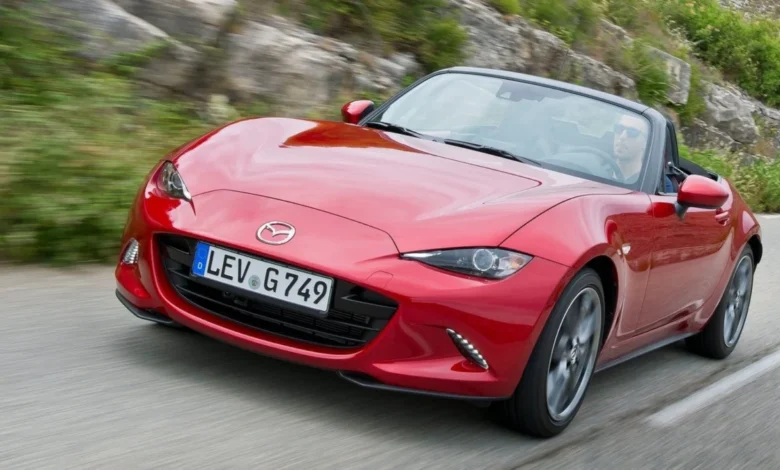
The Mazda MX-5 Miata was first introduced at the Chicago Auto Show in February 1989. Developed under the philosophy of "Jinba Ittai"—a Japanese phrase meaning "horse and rider as one"—the vehicle was designed to recapture the spirit of lightweight British roadsters of the 1960s while solving the reliability issues that plagued them. Over four distinct generations, the vehicle has managed to remain remarkably consistent in its mission.
The first generation (NA), produced from 1989 to 1997, established the template. The second generation (NB) refined the platform in 1998, followed by the more robust third generation (NC) in 2005. The current fourth generation (ND), which debuted in 2015, marked a significant departure by focusing on weight reduction, effectively reversing the "bloat" that often occurs in long-running automotive model lines. Today, the Miata serves as the primary vehicle for driving enthusiasts who prioritize handling agility over raw horsepower, with its current 2.0-liter Skyactiv-G engine producing 181 horsepower—a modest figure that belies the car’s high power-to-weight ratio.
Economic Analysis of Ownership
Purchasing a new Mazda MX-5 requires a financial commitment that starts at an MSRP of approximately $32,640. For the average consumer, this represents a significant capital allocation. However, when analyzed through the lens of long-term depreciation, the Miata is often cited by financial analysts as one of the best-retaining vehicles on the secondary market.
When an MSRP of $32,640 is amortized over a standard 60-month financing term at typical interest rates, the monthly obligation hovers around the $540 to $600 range. For many households, this falls within the threshold of "discretionary automotive spending." Unlike luxury sedans or high-performance SUVs that suffer from rapid depreciation curves—often losing 50% or more of their value within the first three years—the Miata benefits from a dedicated enthusiast base that keeps demand high for both new and pre-owned units. This creates a "floor" for the vehicle’s resale value, making it a statistically sound choice for those concerned with total cost of ownership over a five-year period.
Technical Specifications and Performance Metrics
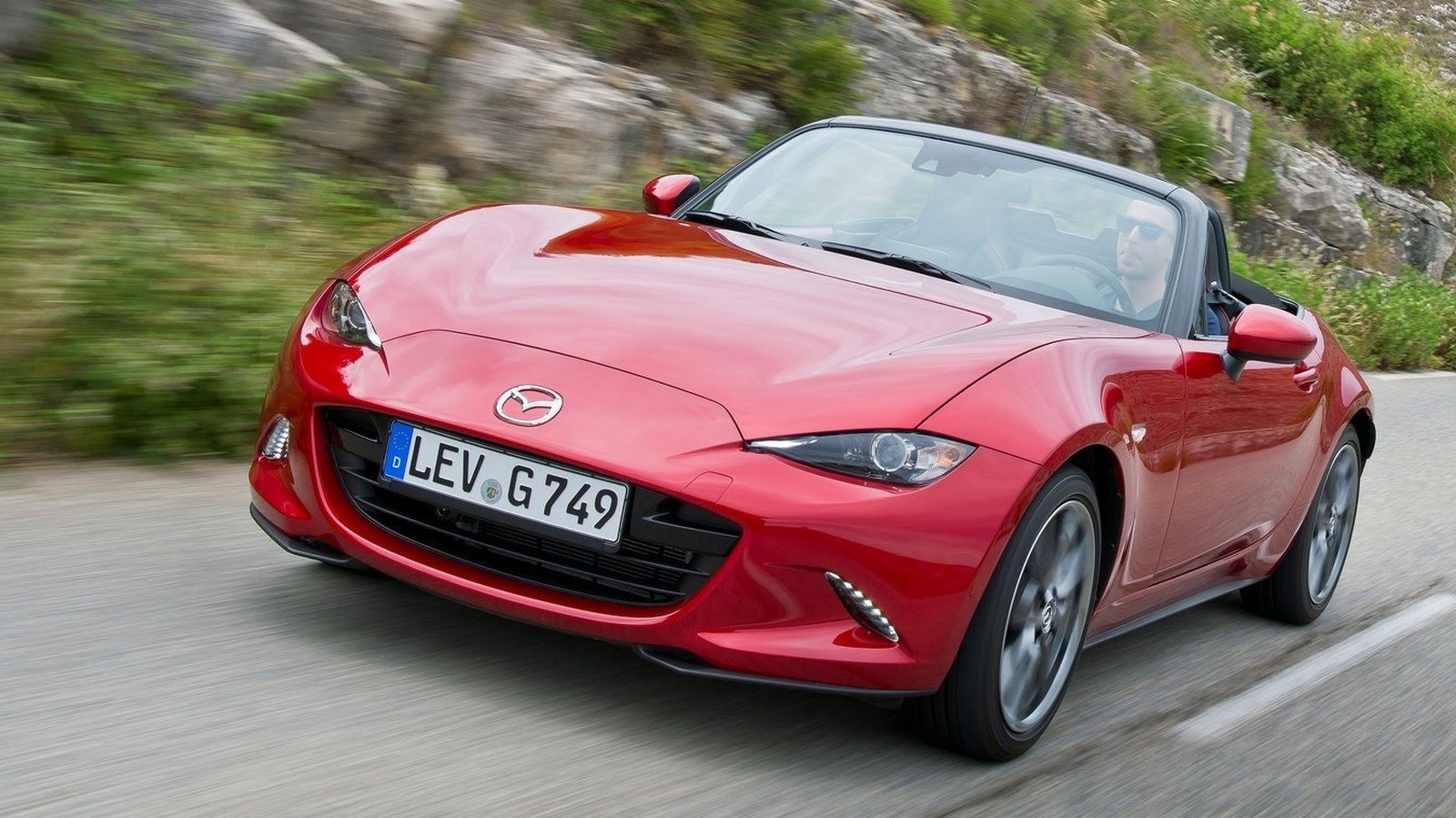
The modern Miata is not merely a nostalgic exercise; it incorporates significant modern engineering. The ND platform utilizes a double-wishbone front suspension and a multi-link rear suspension, a configuration typically reserved for much more expensive sports cars. Furthermore, the inclusion of Kinematic Posture Control (KPC) in recent model years has further enhanced cornering stability without adding the weight of a traditional electronic damping system.
- Engine: 2.0-liter Inline-4 Skyactiv-G
- Horsepower: 181 hp @ 7,000 rpm
- Torque: 151 lb-ft @ 4,000 rpm
- Curb Weight: Approximately 2,341 to 2,400 lbs
- Transmission: 6-speed manual or 6-speed automatic
These specifications confirm that the vehicle is engineered for a specific purpose: cornering precision. By maintaining a curb weight well under 2,500 pounds, Mazda avoids the necessity of massive braking systems or oversized tires, which in turn lowers long-term maintenance costs for the owner.
The Community and Social Implications
One of the most measurable, albeit non-monetary, assets of Miata ownership is the social capital associated with the vehicle. Mazda has fostered a culture of inclusivity within the automotive community. Unlike hyper-car or exotic car ownership, which can often be exclusionary, the Miata community is noted for its accessibility. Organizations such as the Miata Club of America hold regional events, autocross competitions, and track days, providing owners with a robust social network.
From a psychological perspective, studies on automotive ownership suggest that drivers who feel a stronger connection to their vehicle experience higher levels of engagement and satisfaction during their daily commutes. The tactile nature of the Miata—the mechanical shift feel of the manual transmission and the direct steering feedback—contributes to this engagement. It is this "driver-centric" design that experts point to when explaining why the model continues to defy the industry trend of declining sports car sales.
Industry Positioning and Future Outlook
As the global automotive industry pivots toward electrification, the future of the internal combustion sports car remains in flux. Mazda has publicly stated its intent to electrify its lineup, but it has also indicated that it will fight to maintain the "Jinba Ittai" philosophy in future iterations of the MX-5. For potential buyers, the current model represents a "final era" of naturally aspirated, lightweight performance.
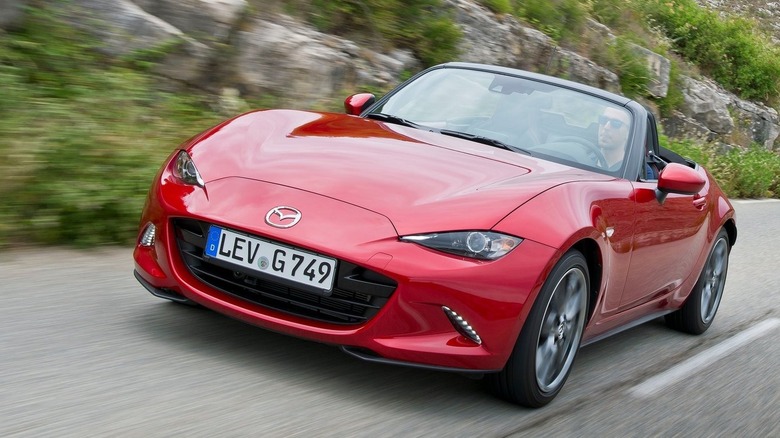
Market analysts at automotive research firms suggest that the Miata occupies a "blue ocean" strategy—a market space where there is effectively no direct competition. While the Toyota GR86 and Subaru BRZ offer a similar price point, they are coupes with different structural dynamics. The Miata remains the only affordable, mass-produced, front-engine, rear-wheel-drive convertible on the market. This monopoly on its specific market segment ensures that the vehicle will likely remain a fixture in the Mazda catalog for the foreseeable future.
Conclusion: A Rational Choice?
While the subjective experience of driving a Mazda Miata is frequently described in emotive terms—freedom, joy, and connection—the objective data supports the decision to acquire one. Low maintenance costs, high resale value, and a standardized, proven mechanical platform make the Miata a rational choice even for the most pragmatic consumer.
Whether viewed as a long-term investment, a tool for social integration within the automotive community, or simply a device for efficient transportation that prioritizes the user experience, the Mazda MX-5 Miata continues to hold its position as a benchmark in the industry. For those considering an entry into the sports car market, the data suggests that the Miata offers an unmatched balance of performance, affordability, and reliability. It is a vehicle that succeeds by doing exactly what it was designed to do: delivering an unadulterated driving experience in an era that increasingly seeks to remove the human from the equation.
Related posts: