Ringbrothers Unveils Billie: A Masterfully Reimagined 1965 Pontiac GTO Convertible at SEMA 2024

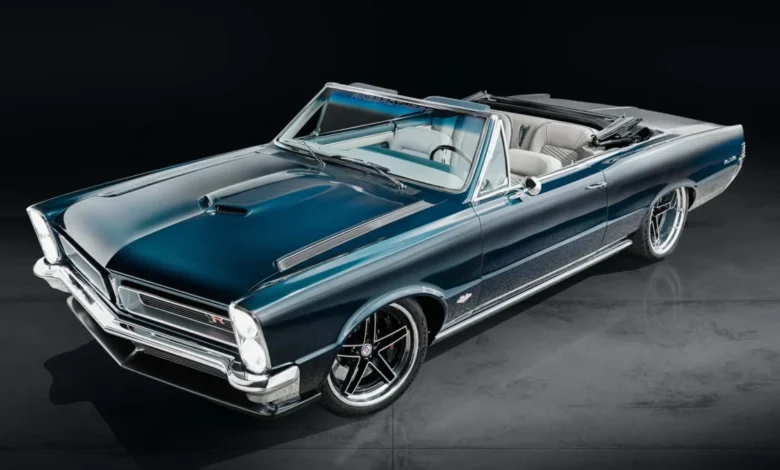
The annual SEMA Show in Las Vegas serves as the global epicenter for automotive innovation, custom fabrication, and high-performance engineering. Among the sea of modified vehicles making their debut in the Nevada desert this year, one build stands out for its meticulous fusion of classic American muscle aesthetics and modern-day technological prowess: "Billie," a heavily customized 1965 Pontiac GTO convertible crafted by the renowned Wisconsin-based shop, Ringbrothers. While the vehicle retains the iconic silhouette of a mid-sixties muscle car, its transformation from a humble Pontiac Tempest into a bespoke, supercharged powerhouse represents over 5,500 hours of intensive labor and design refinement.
The Genesis of a Project
The journey of Billie began not as a GTO, but as a Pontiac Tempest convertible. In the world of high-end custom car building, the choice of a donor vehicle is often secondary to the visionary work that follows. For Ringbrothers, the challenge was to elevate the platform to a standard that balances factory heritage with contemporary performance expectations.
The project required a comprehensive structural overhaul. To accommodate modern mechanical components and achieve a more aggressive, planted stance, the team widened the entire body by five inches. This was not a simple matter of adding flared arches; it necessitated a complete reconfiguration of the vehicle’s proportions. The team reshaped the front fenders, lengthened the rocker panels, and widened the rear quarter panels to ensure that the increased width looked factory-intended rather than aftermarket.
Jim Ring, co-founder of Ringbrothers, emphasized the difficulty of this surgical-grade metalwork. "The challenge was widening the body five inches without losing the proportions that make a ’65 GTO so recognizable," Ring stated. "We spent countless hours massaging the factory lines, reshaping the fenders, and refining how every panel transitions into the next. There’s a massive amount of fabrication hidden beneath the subtle touches in the design. The goal was to make those changes feel completely natural and organic, as if Pontiac had built it this way."
Technical Mastery and Material Innovation
While the steel body provides the classic aesthetic, the integration of advanced materials defines the car’s modern character. Ringbrothers utilized carbon fiber throughout the build to reduce weight and improve performance. Notable components include the hood—which features an enlarged scoop and integrated functional vents to aid in engine cooling—as well as the front wheel tubs, lower front valance, and a bespoke rear diffuser.
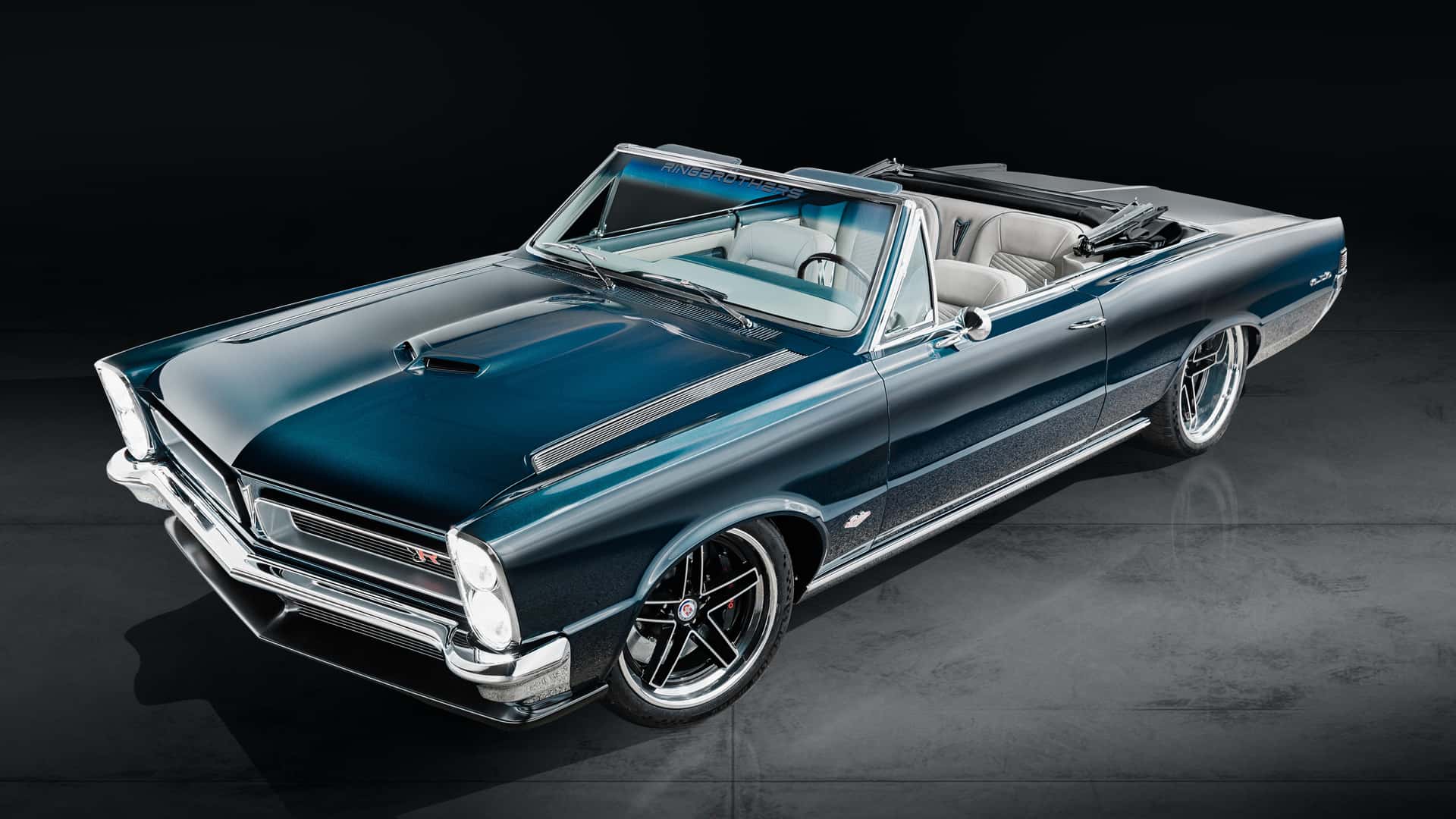
The exterior is finished in a proprietary color dubbed "Billie Goat Blue," a shade specifically mixed to highlight the car’s body lines. This paint is contrasted by polished chrome accents and subtle black detailing, providing a sophisticated look that avoids the garish tendencies often found in SEMA-bound custom builds. The finishing touches include custom-fabricated bumpers, redesigned headlight surrounds, and a one-piece aluminum taillight panel that modernizes the rear aesthetic while paying homage to the original 1965 design.
Under the Hood: Performance Reimagined
Beneath the hood lies the heart of the machine: a supercharged 6.2-liter LT4 V8 engine, sourced from the experts at Wegner Motorsports. The LT4, a powerplant recognized for its deployment in elite GM platforms like the Cadillac CT5-V Blackwing, provides a robust 650 horsepower and 650 pound-feet of torque. This output is managed by a Bowler Performance 10-speed automatic transmission, allowing for seamless power delivery that far exceeds the capabilities of the original powertrain options available in 1965.
To handle the immense power, the chassis has been upgraded to a Fast Track Stage III system. The ride quality and handling are managed by Fox RS SV coilovers, ensuring the GTO can corner with precision that would have been unimaginable in the mid-sixties. Stopping power is provided by Brembo brakes featuring six-piston calipers on all four corners. The vehicle rolls on staggered HRE G-code wheels, measuring 19 inches in the front and 20 inches in the rear, wrapped in high-performance Michelin Pilot Sport Cup 2 tires, which bridge the gap between track-ready grip and street-legal utility.
Interior Refinement and Ergonomics
The interior of Billie has undergone a complete redesign, moving beyond mere restoration. The dashboard was repositioned four inches forward and lowered by two inches to create a more spacious and ergonomic cockpit. The cabin features custom aluminum trim, Dakota Digital instrumentation, and a climate control system provided by Vintage Air.
Despite the high-tech updates, the interior remains respectful of its roots. The team restored the factory radio, integrating modern Bluetooth connectivity to ensure that the cabin retains a classic aesthetic without sacrificing modern convenience. A "Raised by Ringbrothers" plaque serves as the final, subtle signature of the craftsmanship involved in the cabin’s transformation.
The Broader Implications for the Custom Car Market
The completion of Billie serves as a case study for the current direction of the custom automotive industry. As classic cars continue to age, the demand for "restomod" projects—where a vehicle is restored but modified with modern mechanicals—has surged. This trend is driven by enthusiasts who want the nostalgia of a vintage design coupled with the reliability, safety, and performance of a modern daily driver.
Ringbrothers’ approach to the 1965 GTO highlights a shift toward high-fidelity engineering. By investing 5,500 hours into a single project, shops of this caliber are effectively acting as bespoke manufacturers. They are not merely swapping engines; they are solving engineering problems related to heat dissipation, structural rigidity, and weight distribution that were never fully addressed by original manufacturers in the 1960s.
Furthermore, the integration of 3D scanning, CAD design, and carbon fiber manufacturing has allowed builders to achieve fit-and-finish levels that were impossible just two decades ago. This evolution has transformed SEMA from a trade show for aftermarket parts into a premier showcase for boutique automotive engineering.
Historical Context and Legacy
The 1965 Pontiac GTO is widely credited with igniting the American muscle car era. By placing a large-displacement engine into a mid-size chassis, Pontiac established a formula that would dominate the domestic market for years. Ringbrothers’ choice to build upon this specific platform is a testament to the GTO’s enduring cultural status.
By naming the car "Billie," the builders have humanized the machine, a common practice in the custom scene that underscores the emotional connection between the builder and the finished product. As the automotive industry pivots toward electrification and autonomous driving, projects like Billie represent a "last hurrah" for the internal combustion engine, showcasing the pinnacle of what can be achieved when mechanical artistry is prioritized over mass production.
Conclusion: The Standard for Modern Builds
The unveiling of the 1965 Pontiac GTO "Billie" at SEMA 2024 is more than just a debut; it is a benchmark. It highlights the potential of combining heritage design with modern aerospace-grade materials and high-output forced-induction engines. For the observers at SEMA, the vehicle represents the ultimate expression of the restomod movement: a car that is faster, safer, and arguably more beautiful than the original, while remaining undeniably a GTO.
As the industry looks forward, the legacy of builds like this will likely influence the next generation of car builders. The shift toward functional aesthetics—where every modification serves a purpose—indicates a mature market that values longevity and performance as much as visual impact. Whether viewed as a piece of performance art or a technical marvel, "Billie" secures its place as one of the most significant builds to grace the Las Vegas Convention Center in recent years, proving that with enough time, talent, and vision, the classic American muscle car can be reimagined for a new century.