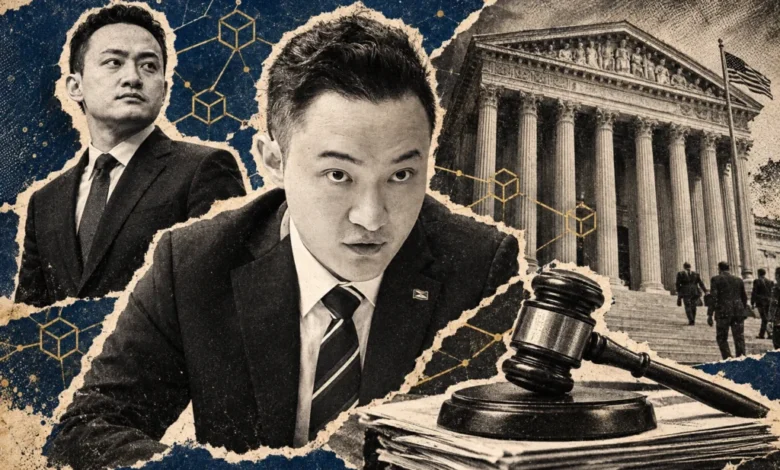
The ongoing high-stakes legal and governance confrontation between Tron founder Justin Sun and World Liberty Financial (WLFI)—the decentralized finance platform associated with Donald Trump and his family—has escalated significantly. The dispute, which centers on the freezing of millions of WLFI tokens and subsequent retaliatory measures across centralized exchanges, has transformed from a private crypto disagreement into a major geopolitical and regulatory talking point. Justin Sun recently took to social media platform X to announce that WLFI’s attempts to use secret arbitration proceedings to resolve the dispute had been blocked, ensuring that his legal claims against the project remain fully public. This development highlights deeper systemic issues regarding token governance, centralization risks, and the complex intersection of high-profile political figures and the global cryptocurrency ecosystem.
The genesis of this conflict dates back to early investments and subsequent strategic shifts within the platform. World Liberty Financial, which launched with significant backing and fanfare from the Trump family, initially sought to position itself as a major player in decentralized finance. However, the project’s governance model has faced intense scrutiny from major stakeholders and regulators alike. The current confrontation erupted after WLFI implemented smart contract-level freezes on tokens associated with Justin Sun, citing compliance and regulatory measures. This unilateral action prompted an aggressive legal response from Sun, who argued that such freezes undermine the fundamental decentralized ethos of the cryptocurrency industry.
Background and Chronology of the WLFI and Justin Sun Conflict
To understand the gravity of the current legal battle, it is essential to examine the chronology of events leading up to the token freeze. In November 2024, initial token sales for WLFI attracted substantial attention, with early backers acquiring hundreds of millions of tokens. As the project evolved, it sought strategic capital injections to expand its global footprint. By February 2025, reports surfaced that an Abu Dhabi-backed entity was in advanced talks to acquire a 49% stake in WLFI for $500 million, a move that immediately drew national security scrutiny from the Committee on Foreign Investment in the United States (CFIUS).
Throughout the spring and summer of 2025, the platform navigated various regulatory hurdles while attempting to maintain its decentralized appeal. However, tensions reached a boiling point in August 2025. WLFI utilized smart contract capabilities to freeze specific wallets, a move that directly impacted major holders, including Justin Sun. The platform defended its actions by pointing to compliance mandates and the necessity of preventing illicit financial flows. In response, Sun initiated legal proceedings to challenge the freezes, arguing that centralized intervention by project administrators violates the core principles of blockchain technology.
The $500 Million Abu Dhabi Acquisition and National Security Review
A critical layer of complexity in this dispute involves the involvement of foreign capital. The proposed $500 million acquisition of a 49% stake in WLFI by an Abu Dhabi investment vehicle has placed the project under intense regulatory review. For months, industry observers questioned how a politically connected crypto project would manage the dual pressures of decentralized governance and foreign ownership compliance. The involvement of foreign sovereign wealth funds in a venture associated with a prominent American political family naturally invites rigorous oversight from regulatory bodies such as CFIUS.
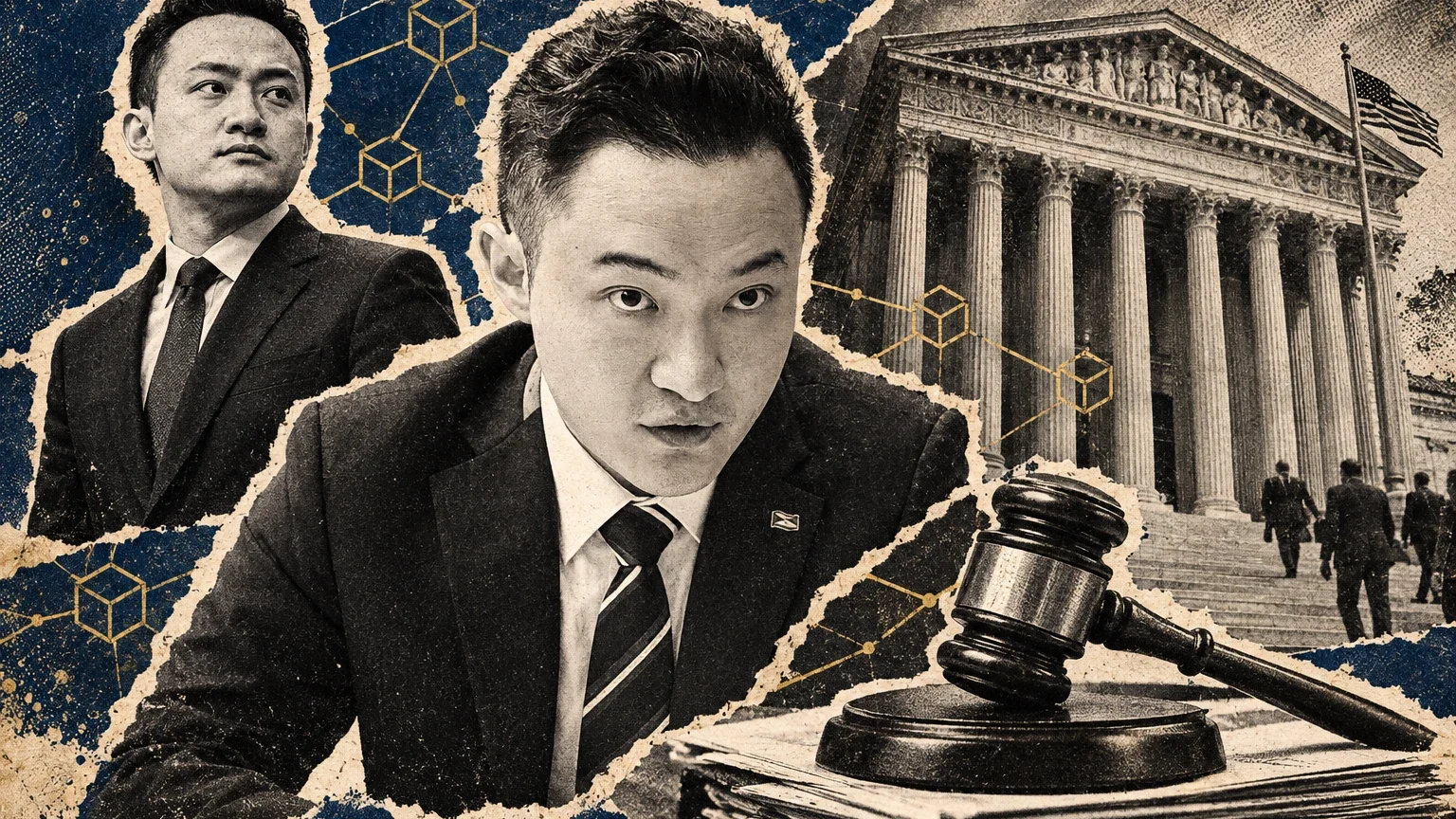
Legal experts point out that the token freezes implemented by WLFI may be closely linked to the platform’s efforts to satisfy compliance requirements mandated by potential institutional investors and regulatory watchdogs. By demonstrating an ability to freeze assets and enforce compliance at the smart contract level, WLFI sought to prove its institutional readiness. However, this strategy alienated major native crypto investors who view such administrative overrides as antithetical to the ethos of decentralized finance.
Implications for Token Governance and Centralization in DeFi
The conflict between Justin Sun and World Liberty Financial underscores a broader, industry-wide debate regarding the tension between compliance and decentralization. Many decentralized finance protocols face a difficult dilemma: how to comply with global anti-money laundering (AML) and know-your-customer (KYC) regulations without compromising the permissionless nature of blockchain networks.
When projects implement upgradeable smart contracts that allow administrators to freeze tokens or blacklist addresses, they introduce centralized points of failure. Critics argue that this capability transforms decentralized protocols into regulated financial intermediaries in disguise. Conversely, project founders maintain that such safety mechanisms are necessary to protect users from exploits, hacks, and illicit funds. The WLFI situation serves as a prominent case study highlighting the practical difficulties of balancing regulatory compliance with user ownership rights in Web3.
Exchange Retaliation and Ecosystem Fallout
The fallout from the token freeze quickly spread beyond smart contracts and into centralized exchange infrastructure. Following the freeze of Sun’s holdings, exchanges closely affiliated with the Tron ecosystem took retaliatory action. Notably, HTX announced the delisting of USD1, a stablecoin promoted by the Trump family’s ecosystem, marking a direct escalation in the economic warfare between the parties involved.
Industry analysts have observed that this tit-for-tat retaliation could set a precedent for how platform disputes are handled across different exchanges and liquidity pools. The decision by HTX to delist USD1 demonstrates that personal and corporate disputes in the crypto space can rapidly manifest as liquidity shocks for specific assets. Market participants are now watching closely to see whether other major exchanges will follow suit or if mediation efforts will prevail.
Official Responses and Public Posturing
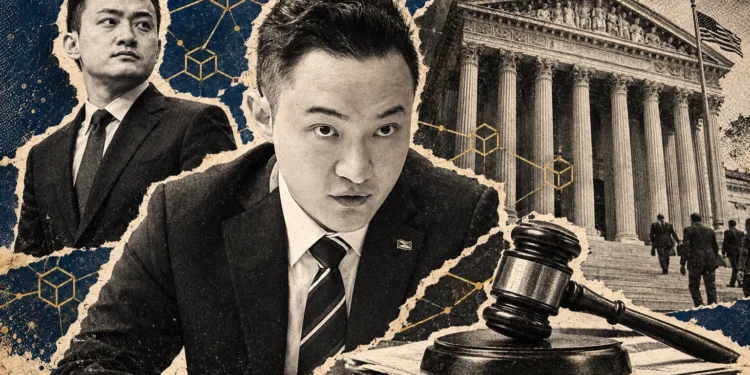
Throughout the dispute, representatives from both sides have utilized social media and public statements to frame their positions. Justin Sun has consistently emphasized that his legal actions are designed to protect the rights of all token holders against arbitrary administrative overreach. By forcing the arbitration proceedings to remain public, Sun has ensured maximum transparency, preventing the matter from being resolved behind closed doors.
On the other side, representatives for World Liberty Financial have defended their governance model as a necessary framework for long-term stability and regulatory compliance. Eric Trump, associated with the project’s broader ecosystem, publicly dismissed Sun’s legal maneuvers, framing the dispute in dismissive terms during recent commentary. Despite the public posturing, legal teams on both sides are quietly preparing for a protracted courtroom battle that could take months, if not years, to resolve completely.
Future Outlook: Regulatory Precedents and Legal Battles
Looking ahead, several key developments will shape the outcome of this high-profile conflict. First, the legal battles playing out in state and federal courts will test the limits of smart contract governance and administrative control in decentralized networks. If courts uphold the ability of project founders to unilaterally freeze tokens based on compliance mandates, it could fundamentally alter how decentralized autonomous organizations (DAOs) operate in the United States.
Second, the ongoing CFIUS review regarding the Abu Dhabi investment remains a critical variable. Should regulatory authorities raise national security objections to the foreign stake, WLFI may be forced to restructure its capital allocation entirely. Market observers note that the intersection of politics, foreign investment, and cryptocurrency governance represents uncharted territory for American jurisprudence.
As the litigation unfolds, the crypto community remains deeply divided over the implications of the case. While some view Sun’s aggressive legal defense as a necessary pushback against centralized censorship in DeFi, others argue that robust compliance frameworks are essential for the mainstream adoption of blockchain technology. Whichever path the courts ultimately validate, the dispute between Justin Sun and World Liberty Financial has permanently altered the discourse surrounding governance, regulation, and power dynamics in the modern digital asset economy.
Related posts: