Beyond the Brain: New Research Links Placental Health and Maternal Immunity to Autism Origins

For decades, the scientific community has grappled with the complex, multifaceted origins of autism spectrum disorder (ASD). While large-scale genomic studies have successfully identified hundreds of genetic variants associated with the condition, genetics alone cannot account for the full spectrum of its manifestation. Increasingly, researchers are pivoting toward the "nurture" side of the nature-nurture equation, specifically examining the prenatal environment. A groundbreaking study conducted at Cold Spring Harbor Laboratory (CSHL) has now provided some of the most compelling evidence to date that the roots of autism may be firmly planted in the interaction between maternal immune responses and the placenta, occurring far earlier in gestation than previously assumed.
The study, led by CSHL Associate Professor Lucas Cheadle and postdoctoral researcher Irene Sanchez Martin, challenges the traditional neurocentric view of autism. By shifting the focus away from the postnatal brain and toward the prenatal gateway of the placenta, the researchers have identified a specific window of vulnerability that could redefine how clinicians think about early developmental health.
A Chronology of Developmental Vulnerability
The study employed a controlled model to simulate maternal immune activation (MIA), a phenomenon wherein a mother’s immune system reacts to a perceived pathogen, such as a virus, during pregnancy. To replicate this without the variables of an actual viral infection, researchers administered a substance known to trigger a maternal immune response at precise intervals during the gestation of mice.
The investigation uncovered a critical, high-risk period at approximately 12.5 days into the pregnancy. The findings were stark: within a 24-hour window of this immune activation, roughly one-third of the fetal mice exhibited immediate developmental abnormalities. This specific timing is significant because it precedes many of the milestones typically scrutinized by developmental biologists, including the hormonal surges that dictate sexual differentiation in the brain.
For years, the field of neurodevelopmental research has focused on the second and third trimesters of pregnancy as the primary periods of risk. However, this study suggests that the "gatekeepers" of fetal development—the placental cells—are engaged in a delicate, high-stakes negotiation with the maternal immune system much earlier. By capturing these disruptions at the 12.5-day mark, Cheadle’s team has pushed the timeline of potential ASD-related trauma back into an earlier, more embryonic phase of development.
The Placenta: An Overlooked Nexus
Historically, the placenta has been viewed as a biological "sieve," a passive organ designed primarily for nutrient exchange and waste removal. The CSHL research team argues that this is an incomplete picture. Instead, the placenta serves as an active immunomodulator.
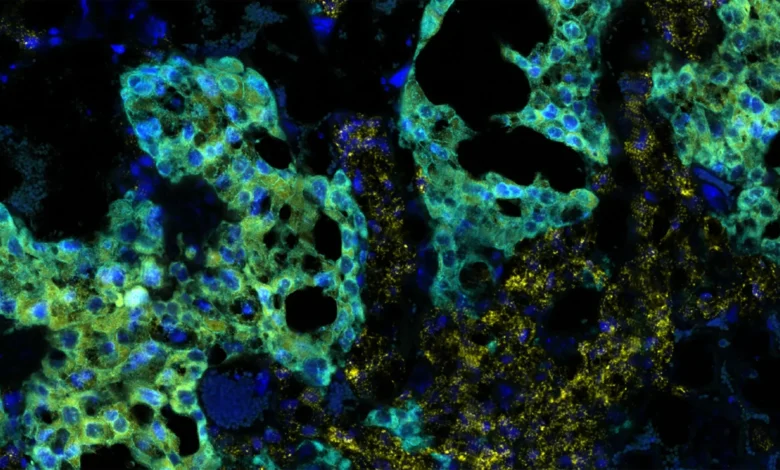
At the heart of the team’s discovery are spongiotrophoblasts—specialized cells located at the interface where maternal and fetal tissues meet. In healthy pregnancies, these cells maintain an environment of immune tolerance, ensuring the mother’s body does not reject the fetus, which is genetically distinct from the mother.
The researchers observed that in male fetuses that developed autism-like traits, these spongiotrophoblasts showed clear signs of structural degradation following maternal immune activation. When these cells are compromised, the protective barrier is breached, allowing the mother’s inflammatory response to reach the fetus. The damage to these cells appears to be the precursor to the neurological and behavioral changes observed in the offspring. This suggests that the placenta acts as a biological buffer, and when that buffer fails, the fetal brain is left exposed to a cascade of inflammatory signals that may alter its developmental trajectory.
The Male-Female Divide
Perhaps the most provocative finding in the study is the marked disparity between male and female fetuses. In every iteration of the experiment, male mice exhibited autism-like traits, while their female counterparts remained largely unaffected and continued their development as expected.
This finding mirrors a well-documented human reality: clinical data consistently shows that boys are diagnosed with autism spectrum disorder at a significantly higher rate than girls—often cited at a ratio of approximately 4:1. Despite this, the biological "why" behind the prevalence has remained elusive.
"It’s really fascinating, because we’re looking at an age which precedes hormonal surges," notes Professor Cheadle. "It precedes sexual differentiation in the brain and many other regions. So, it’s surprising there would be a sex-based difference this early."
The researchers propose two primary theories for this resilience in females. First, it is possible that male embryos produce unique proteins that inadvertently incite a more aggressive or damaging immune response from the mother. Second, female embryos may possess an inherent protective mechanism—a "biological shield"—that allows them to withstand the inflammatory signals that overwhelm their male counterparts. If this protective mechanism can be decoded, it could potentially offer a path toward therapeutic interventions for high-risk pregnancies.
Scientific Implications and Future Directions
The implications of this research extend far beyond the laboratory. By identifying the placenta as a key site of vulnerability, the medical community may one day develop biomarkers to screen for placental health during pregnancy. If clinicians could identify when a placenta is failing to provide adequate protection against immune stressors, it might be possible to intervene with anti-inflammatory or immunomodulatory therapies designed to shield the fetus.
However, the researchers are cautious. While these findings provide a robust model for understanding the environmental contributors to autism, they do not suggest that maternal immune activation is the singular cause of ASD. Autism is a heterogeneous condition with a complex etiology, involving a mix of genetic predispositions and environmental triggers.
"We’re trying to understand how autism emerges in both sexes," says Cheadle. "The evidence says that there are potentially different mechanisms."
The next phase of the research will focus on the molecular differences between male and female placentas. By isolating the genetic and protein-based factors that grant female mice their apparent immunity to MIA, the team hopes to unlock a deeper understanding of sex-specific developmental biology. This could eventually lead to personalized prenatal care strategies that account for the unique biological needs of the fetus based on sex and genetic susceptibility.
Contextualizing the Study in Global Health
This research arrives at a time when the global prevalence of autism continues to rise, with the CDC reporting that approximately 1 in 36 children in the United States are identified with ASD. As the diagnostic criteria expand and awareness grows, so does the urgency to understand the environmental drivers that may be contributing to this trend.
While animal models like those used at CSHL have limitations—most notably that they cannot perfectly replicate the complex, long-gestation environment of a human pregnancy—they remain an essential tool for mapping biological pathways. The "placental-brain axis," a term coined to describe the communication between these two systems, is rapidly becoming a focal point of modern developmental neuroscience.
By confirming that the placenta is not merely a passive organ but a dynamic participant in the developmental process, Cheadle and his colleagues have opened a new door. The research reinforces the notion that to understand the neurodevelopmental outcomes of a child, one must first understand the environment in which that child began.
As the scientific community continues to analyze these findings, the focus will likely shift toward the early identification of placental dysfunction. If the "gateway" to autism can be secured through improved prenatal monitoring and targeted immune support, the field may move closer to a future where developmental disorders can be addressed before they ever take root in the developing brain. The CSHL study serves as a pivotal reminder that in the search for the origins of autism, the most important answers may lie in the spaces between the mother and the child.