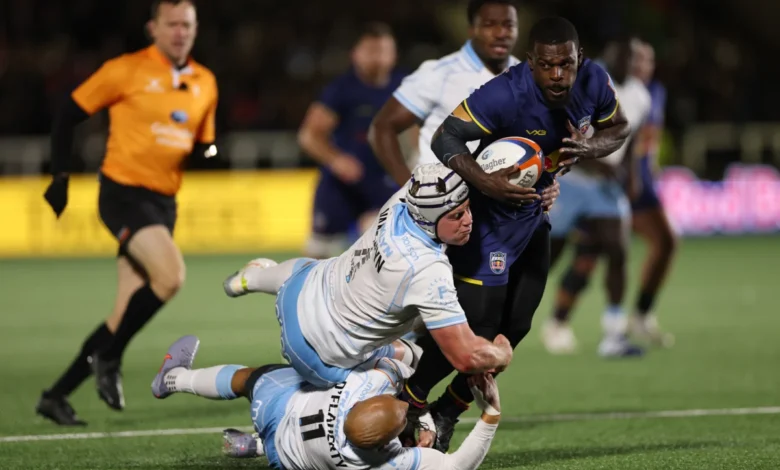
The Gallagher Premiership has long been celebrated as one of the most fiercely contested and physically demanding domestic rugby union competitions in the world. Within this elite environment, try-scorers hold a legendary status, combining blistering pace, exceptional spatial awareness, and unyielding resilience to breach some of the tightest defences in the sport. As the 2026–27 season unfolds, the spotlight has fallen squarely on the historical pantheon of try-scorers, driven by the sensational form of Newcastle Red Bulls winger Christian Wade, who has ignited the new campaign and rewritten the record books alongside former England international Chris Ashton.
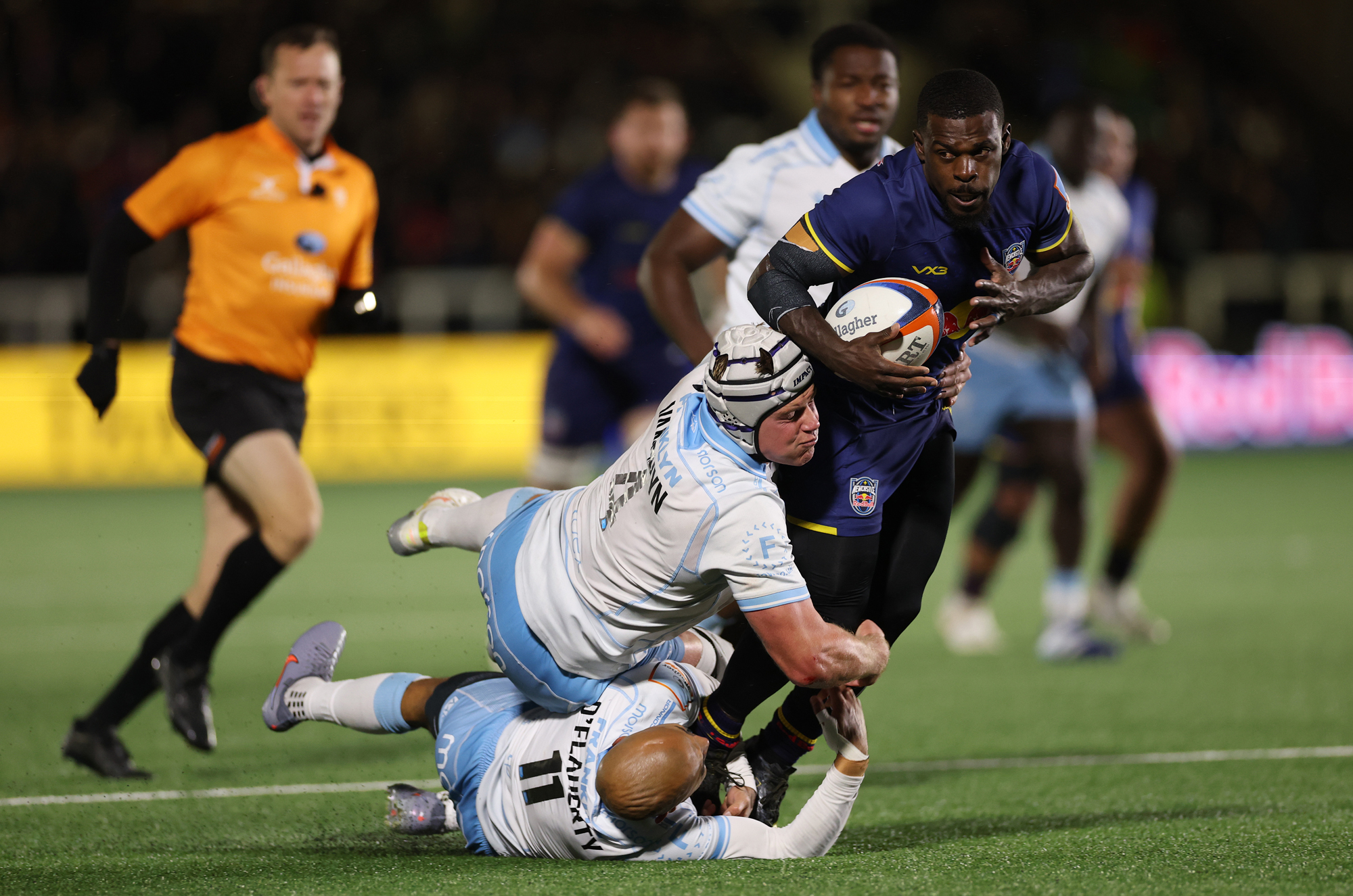
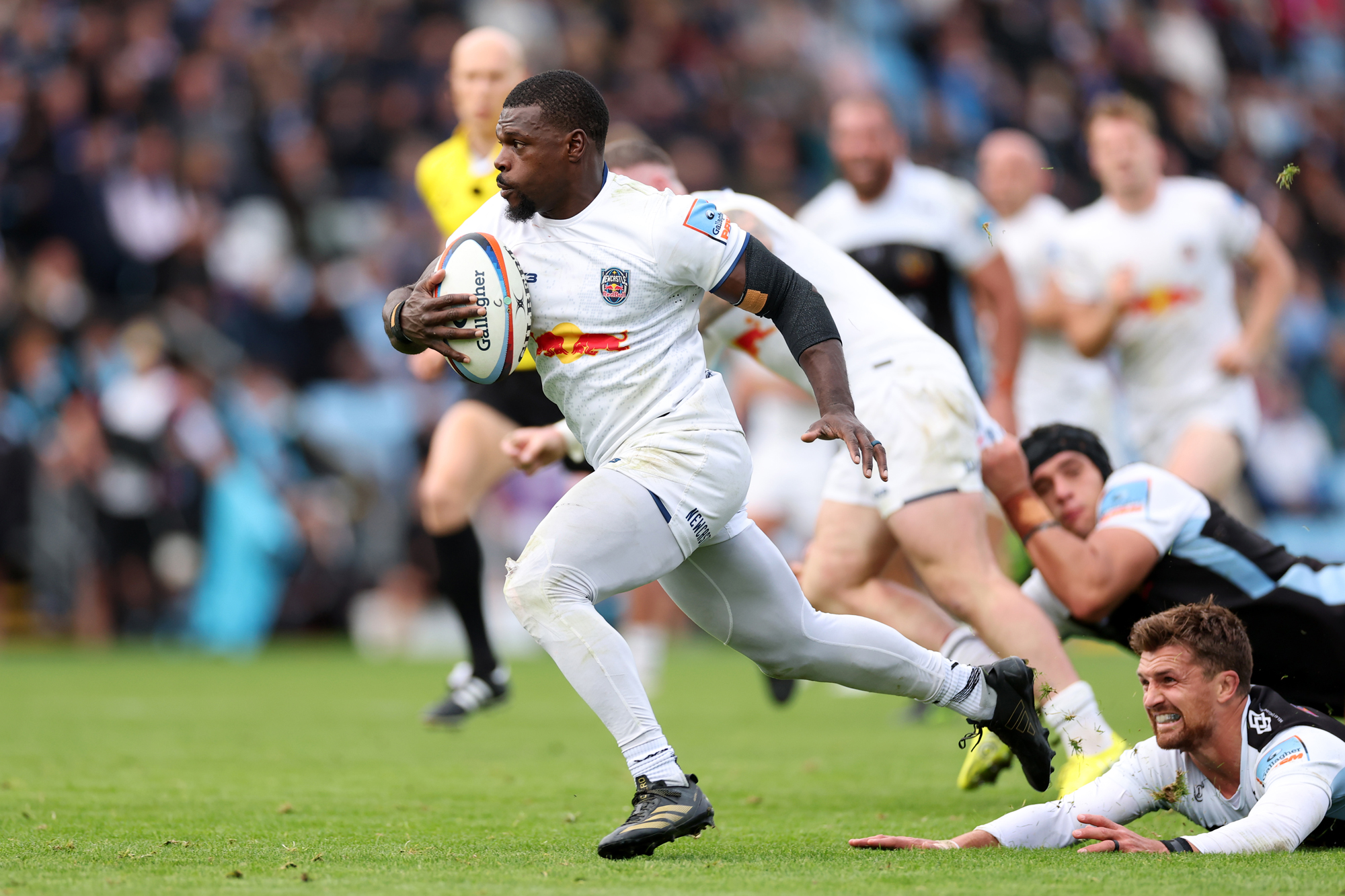
Wade’s explosive return to the English top flight has captured the imagination of rugby supporters across the globe. Scoring six tries in his first four matches for Newcastle, the diminutive yet devastating runner officially equalled Chris Ashton’s all-time try-scoring record of 101 Premiership tries. With a crucial fixture against Saracens looming this weekend, the rugby community waits with bated breath to see if Wade will claim the record outright.
To contextualize this remarkable milestone, a comprehensive examination of the ten most prolific try-scorers in Premiership history reveals not only the sheer scale of their achievements, but also the evolutionary changes in tactical play, career trajectories, and the grueling physical demands that define English club rugby.
The Evolution of the Try-Scoring Record: A Historical Timeline
The battle for supremacy at the summit of the Premiership try-scoring charts has evolved dramatically over the past two decades. In the foundational years of professional English club rugby, establishing a sustainable try-scoring legacy required immense durability across extended seasons.
For many years, Sale Sharks legend Mark Cueto held the benchmark, terrorizing defences with his intelligent running lines and clinical finishing. Cueto’s retirement left a lasting legacy at Sale, where he spent his entire professional career, eventually crossing the whitewash 90 times. His record stood until 2017, when Wasps and Leicester speedster Tom Varndell surpassed him, setting a new high-water mark of 92 tries. Varndell’s achievement highlighted an era where wide-open, expansive attacking philosophies allowed outside backs to rack up significant tallies.
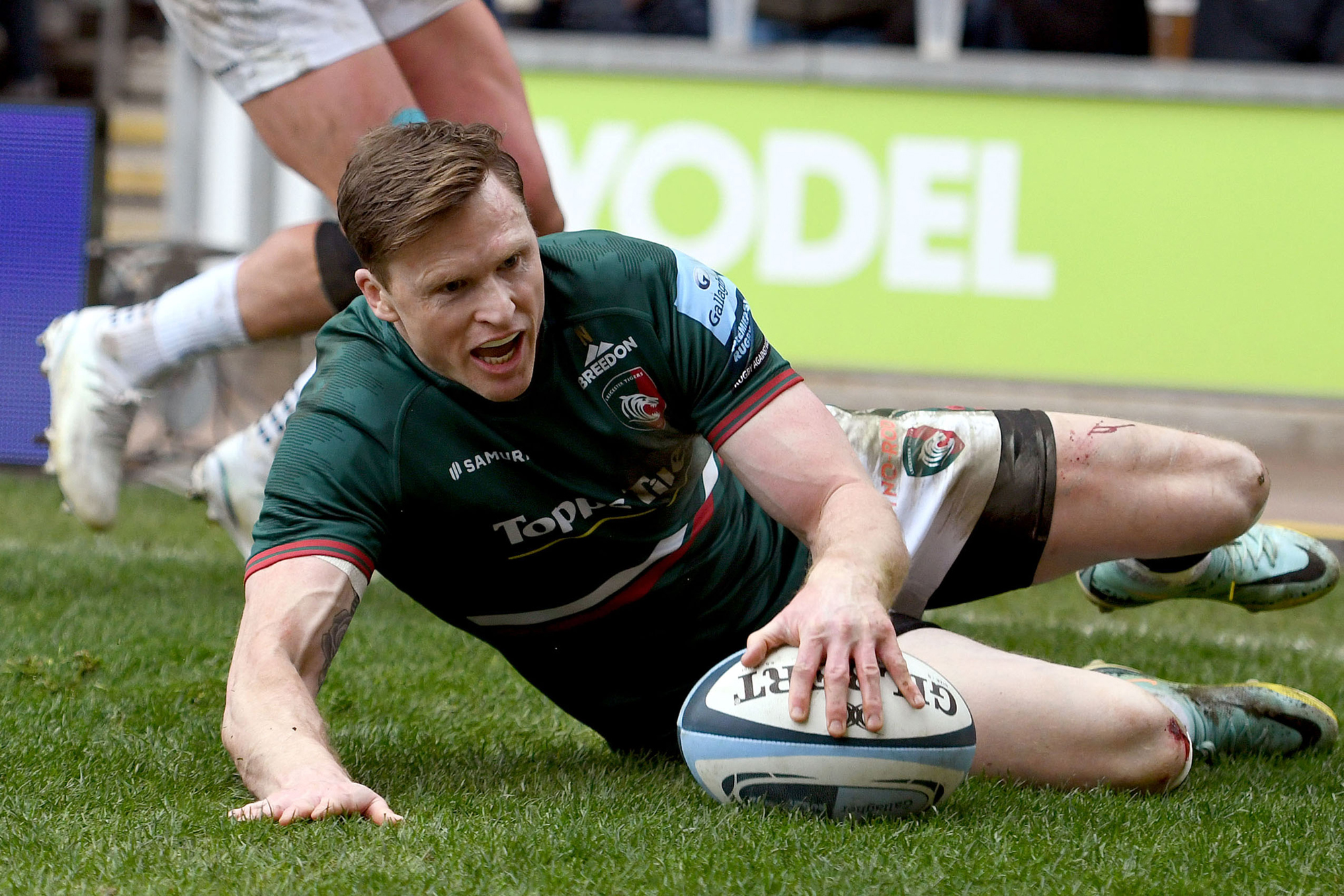
However, the landscape shifted dramatically when Chris Ashton entered the fray. Known just as much for his predatory instincts on the shoulder of playmakers as his trademark celebratory dive, Ashton became the first player to break the magical century barrier, finishing his illustrious career with 101 tries across six different Premiership clubs. Ashton’s journey—which included stints with Northampton Saints, Saracens, Sale Sharks, Harlequins, Leicester Tigers, and a brief spell with Worcester Warriors—proved that elite finishers could adapt their game seamlessly to various tactical systems.
Now, Christian Wade stands shoulder-to-shoulder with Ashton on 101 tries. Wade’s journey to this milestone is uniquely compelling, punctuated by a multi-year hiatus to pursue a career in the National Football League (NFL) with the Buffalo Bills, as well as a spell in French rugby with Racing 92. Despite these interruptions, Wade’s innate try-scoring intuition has remained entirely unblemished upon his return to English shores.
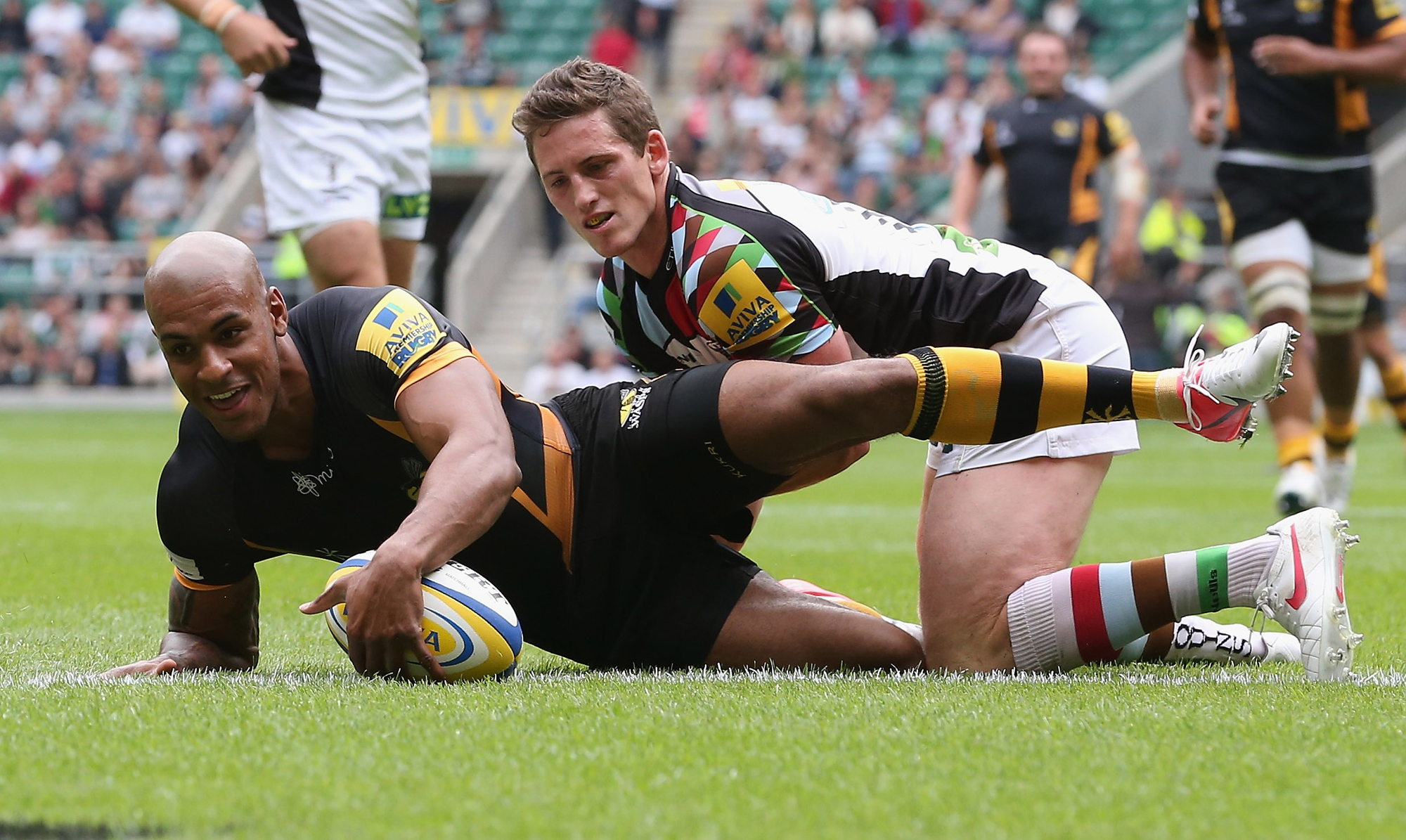
The Elite Decagon: Statistical Breakdown of the Top Ten
The definitive list of the top ten try-scorers in Premiership history encapsulates a diverse mix of wingers, full-backs, and, remarkably, a scrum-half. Below is the definitive ranking of these elite finishers:
1=. Chris Ashton – 101 tries
1=. Christian Wade – 101 tries (active)
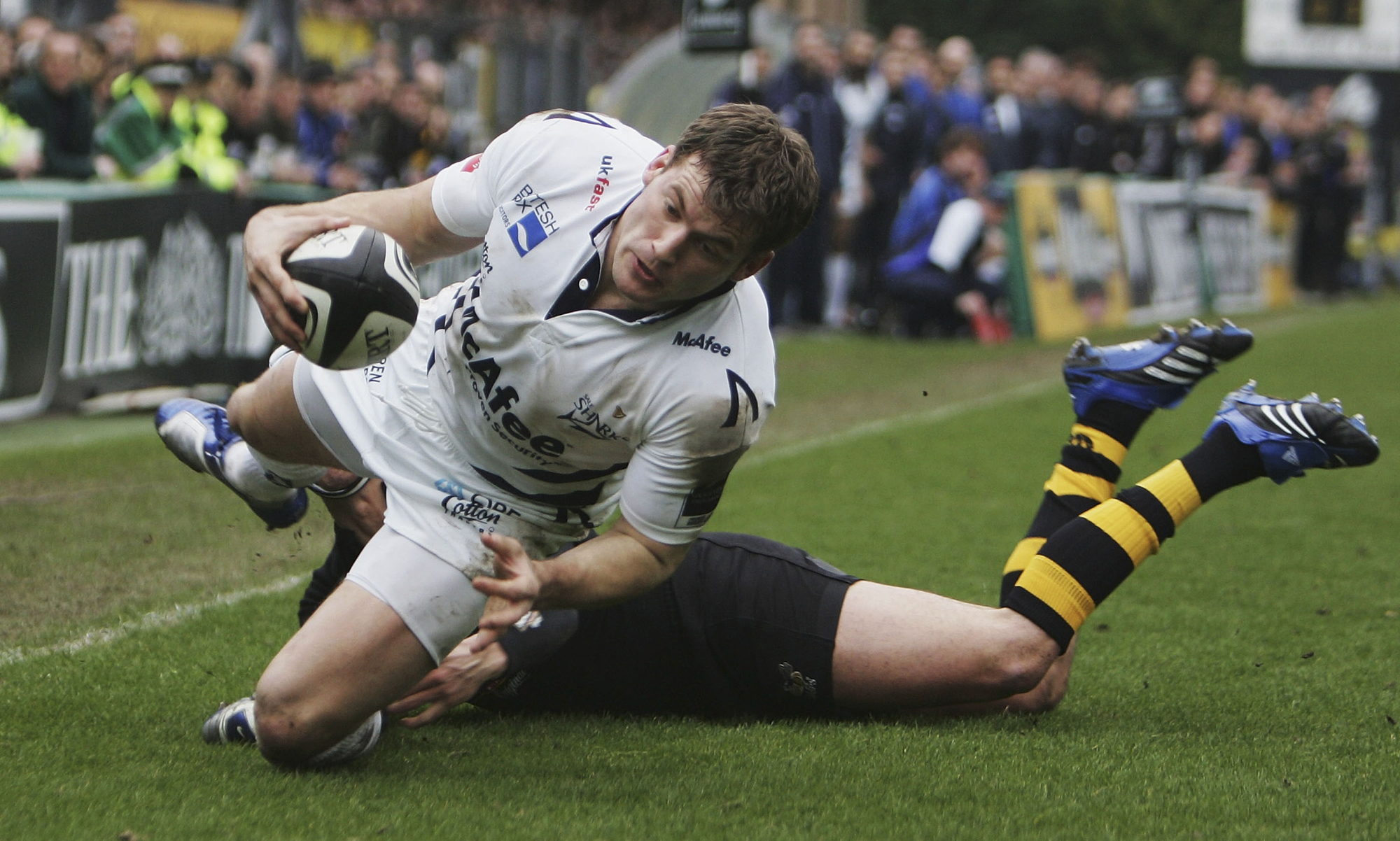
- Tom Varndell – 92 tries
- Mark Cueto – 90 tries
- Danny Care – 85 tries
- Jonny May – 78 tries
- Steve Hanley – 75 tries
- Mike Brown – 72 tries
- Matt Banahan – 71 tries
- Paul Sackey – 69 tries
While raw totals paint a vivid picture of longevity and sustained excellence, individual strike rates offer further insight into the sheer dominance of certain players. For instance, Sale Sharks icon Steve Hanley boasts arguably the most staggering efficiency on the list. Hanley crossed the try line 75 times in just 135 appearances, translating to an astonishing strike rate of a try every 1.8 matches. Tragically, a persistent back injury forced Hanley to retire at the age of 29, leaving supporters to ponder just how high his record might have climbed had he played a full career.
Similarly, Jonny May terrorized defences with blistering acceleration that earned him 36 tries for England—second only to Rory Underwood on the national all-time list—while compiling 78 Premiership tries primarily for Gloucester and Leicester Tigers. Like Wade, May’s tally was undoubtedly impacted by a late-career move to France, yet his legacy as one of the most electrifying outside backs of his generation remains secure.
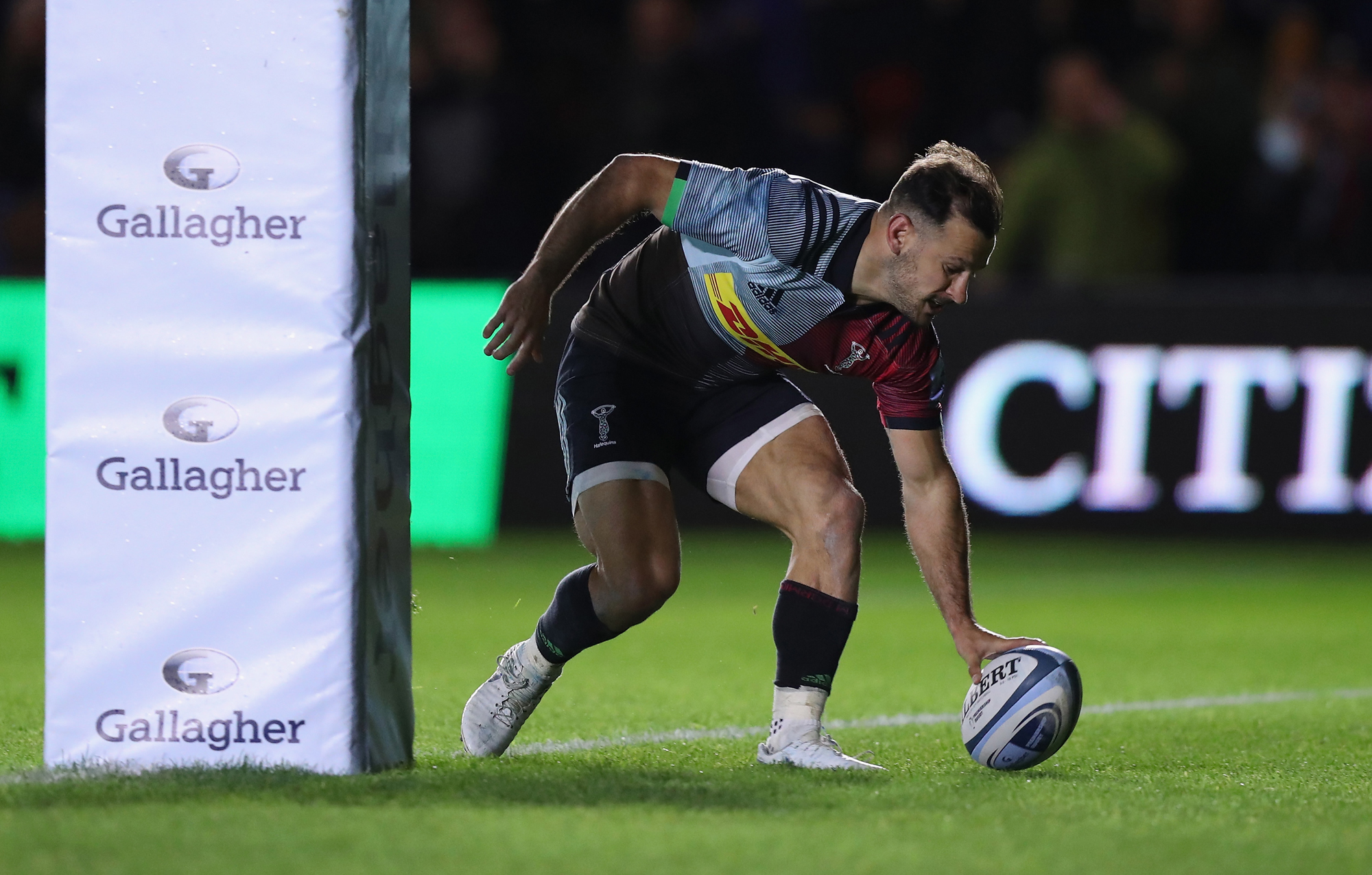
The Anomalies: Forwards Turned Centres and Scrum-Half Maestros
While the top ten is predominantly populated by traditional back-three specialists, two entries highlight the tactical versatility required in the English top flight.
At number five sits Harlequins talisman Danny Care, the sole non-back-three player in the elite bracket. Over nearly two decades marshalling the Harlequins attack from the base of the ruck, Care dotted down 85 times. His exceptional support lines, sniping blindside breaks, and enduring physical fitness allowed him to outscore many specialist wingers. Care’s peak return of 12 tries during Quins’ 2020–21 title-winning campaign underscored his vital importance not just as a distributor, but as a genuine try-scoring threat.
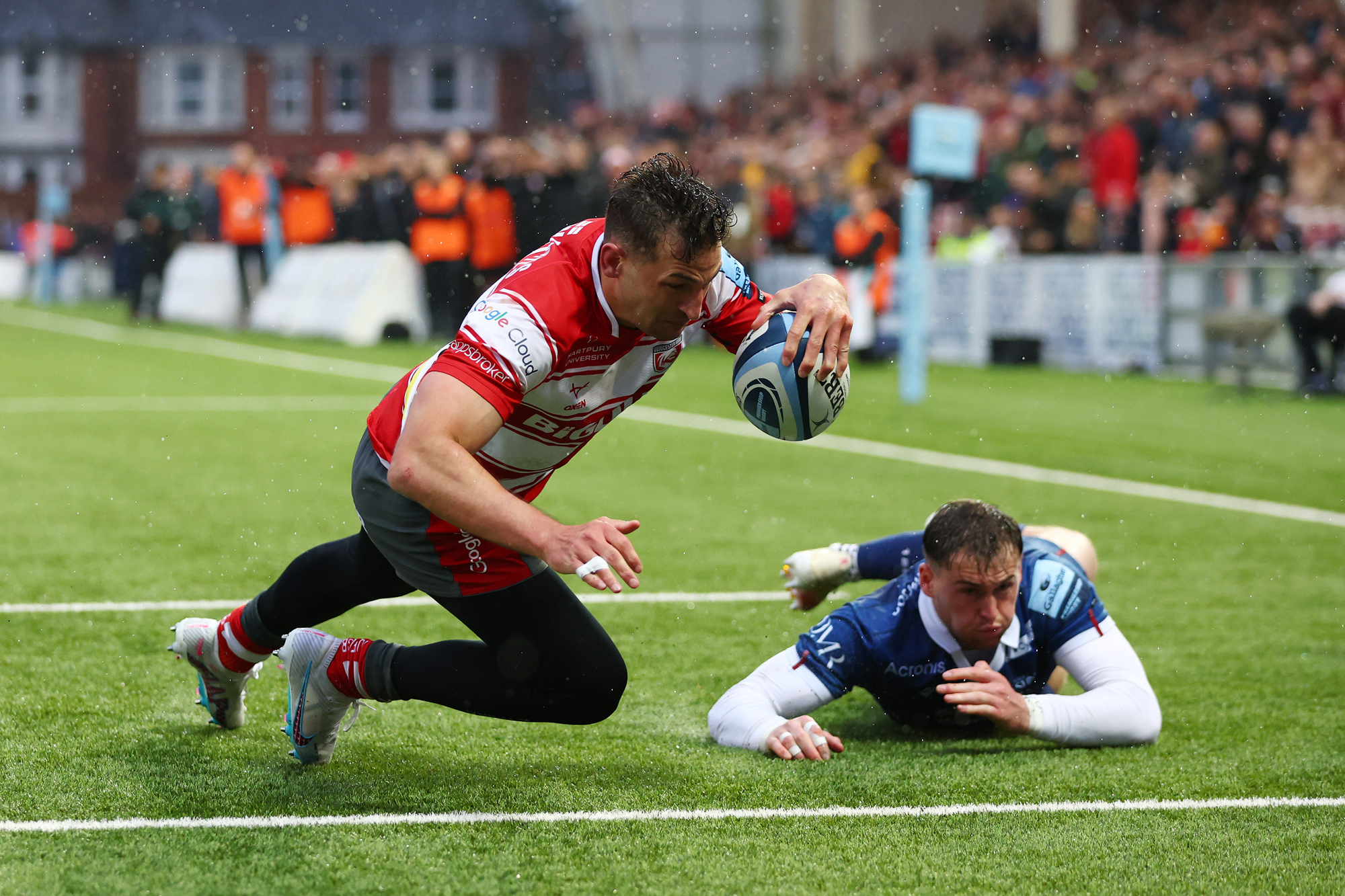
Further down the list at number nine is Matt Banahan, whose imposing physical stature—standing at 6 feet 7 inches (2.01m)—made him a defensive nightmare for opposition midfields. Having started his developmental years as a back-row forward and even playing lock before transitioning permanently to the wing and centre for Bath and Gloucester, Banahan accumulated 71 Premiership tries through a unique blend of power, height, and deft handling skills.
Analytical Implications and the Modern Game
The pursuit of the all-time try-scoring record carries significant commercial and sporting implications for the Gallagher Premiership. In an era where rugby organizations continuously seek to captivate broader audiences and enhance broadcast entertainment values, prolific try-scorers serve as vital marquee figures.
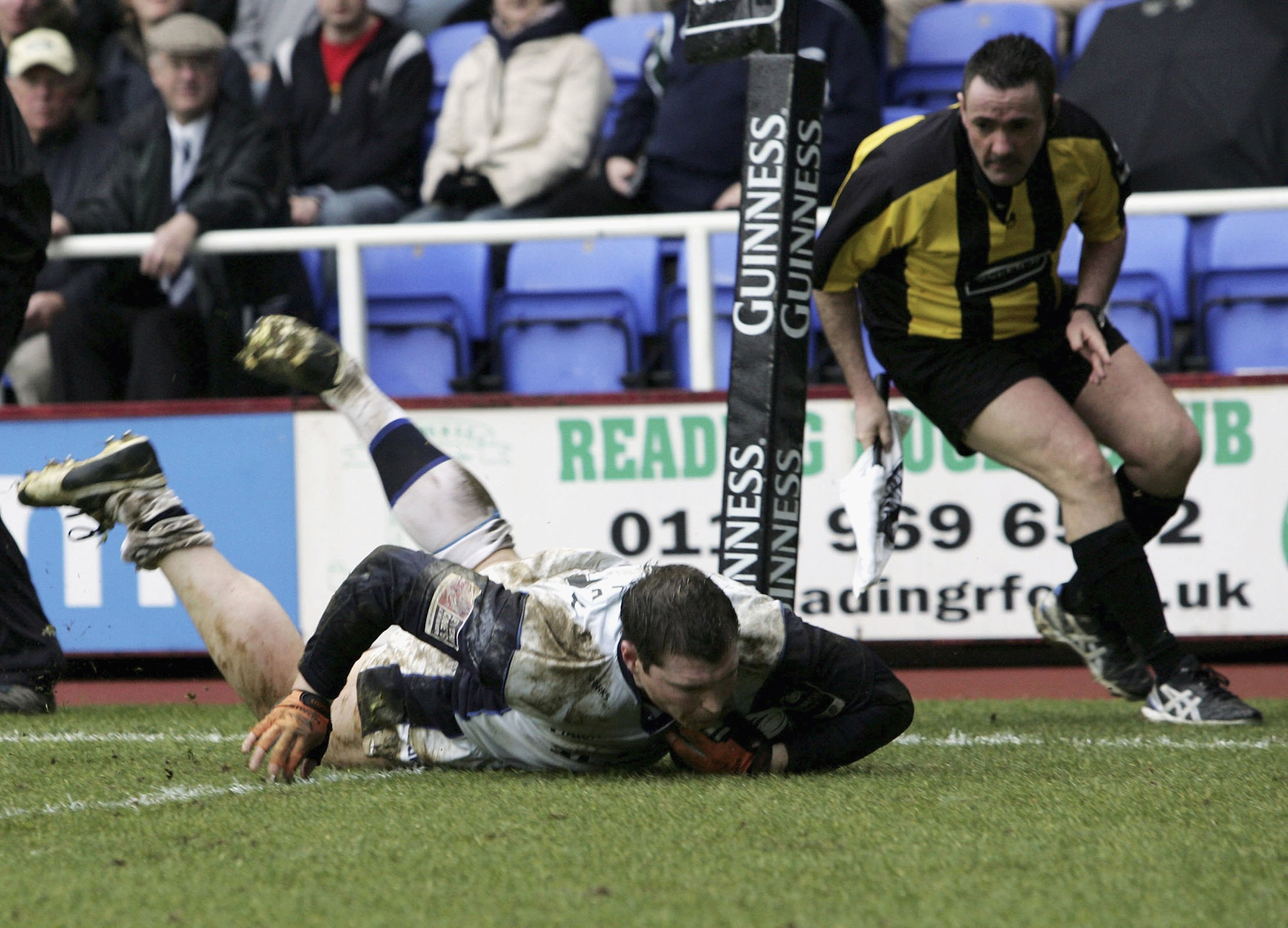
The battle between Ashton’s historical benchmark and Wade’s contemporary pursuit injects a compelling narrative drive into the current season. Analysts note that modern defences are increasingly structured, utilizing sophisticated multi-phase systems that compress space in the wide channels. Consequently, achieving a century of tries in the modern professional era demands an extraordinary combination of tactical intelligence, support play, and adaptability.
Furthermore, the presence of players like Christian Wade at the twilight of their peak years demonstrates how modern sports science and conditioning allow elite athletes to prolong their careers at the highest level. Should Wade cross the whitewash against Saracens this weekend, he will not only capture a coveted individual record, but he will also set a high-water mark that may stand for another generation of aspiring rugby players.
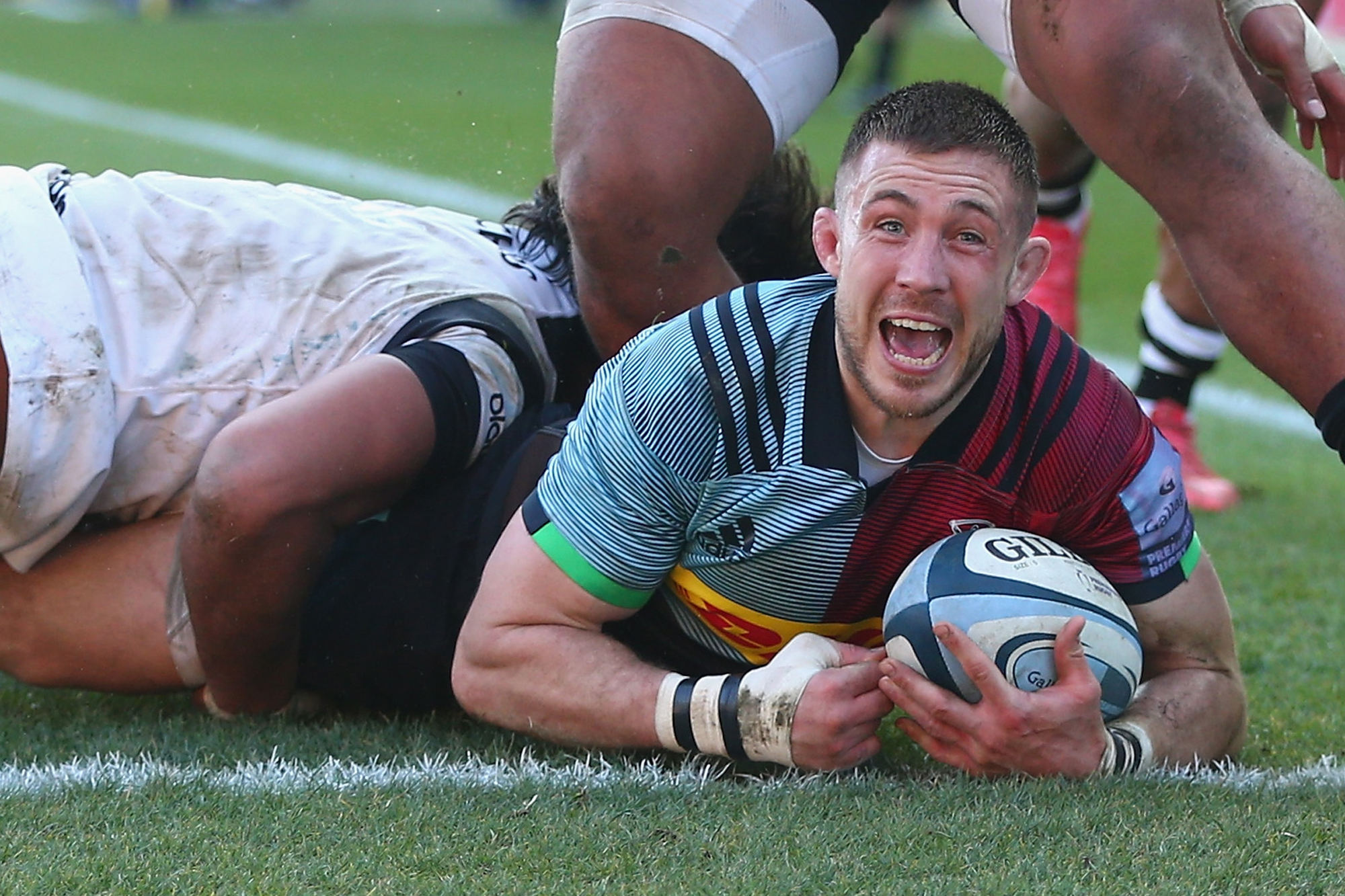
As the 2026–27 season progresses, the exploits of these ten legendary finishers will continue to serve as the gold standard for attacking excellence in English club rugby, reminding fans of the thrilling, unpredictable, and fiercely competitive nature of the Gallagher Premiership.
Related posts: