Ramas journey to Lanka will take longer than anticipated due to sweeping cinematic expansion and intricate dual-language production demands.

The highly anticipated cinematic epic Ramayana: Rise of a Legend has officially adjusted its theatrical rollout, pushing its grand conclusion into a newly scheduled 2028 release window. While audiences worldwide prepare to experience the foundational chapters of the mythological saga this November, producer Namit Malhotra has confirmed that the unprecedented scale of the production requires additional time to ensure technical and artistic perfection.
The Evolution of a Global Cinematic Vision
When the multi-part adaptation of the ancient Indian epic was first conceptualized, the overarching goal was to introduce a definitive Indian cinematic experience to the global stage. However, as production progressed, the creative and technical parameters shifted dramatically. According to producer Namit Malhotra, the project evolved organically into a dual-production framework designed to honor both domestic and international audiences authentically.
Rather than relying on a standard subtitle or a direct translation of the primary Hindi screenplay, the production team undertook the complex task of crafting two distinct master versions. This necessitated a complete structural and linguistic rewrite of the script for the English-language dub, requiring separate edits to maintain the emotional resonance, cultural integrity, and narrative flow required for global markets.
This meticulous localization process, combined with the groundbreaking visual effects needed to bring the ancient mythological world to life, ultimately demonstrated that the second installment required an extended post-production timeline to meet industry standards for blockbuster filmmaking on a historic scale.
Narrative Arc of Part One and the Road to Exile
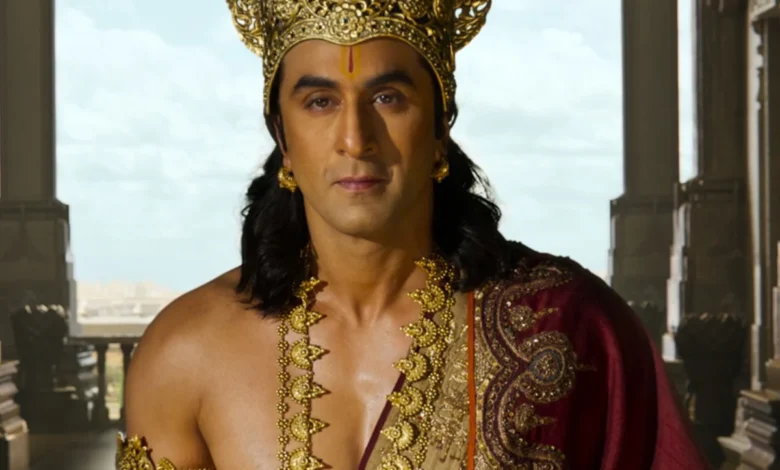
Ramayana: Rise of a Legend Part One, slated to hit theaters on November 5 to coincide with the festival of Diwali, establishes the expansive lore of the ancient text. The narrative centers on a young Prince Rama of Ayodhya, portrayed by Ranbir Kapoor. As the eldest of four half-brothers—alongside Lakshmana, Bharata, and Shatrughna—Rama is chosen as the mortal avatar of the Hindu deity Vishnu, destined to confront and defeat the powerful demon king Ravana, played by Yash.
Before that monumental conflict takes center stage, the first film chronicles Rama’s formative years as a disciplined archer and warrior prince. Central to the emotional core of the film is his romance and subsequent marriage to Sita, portrayed by Sai Pallavi. However, domestic political intrigue disrupts the royal household. Influenced by Queen Kaikeyi—the mother of Bharata—King Dasharatha is compelled to exile Rama for 14 years to secure the throne for her own son.
Demonstrating unwavering loyalty and devotion, Sita and Lakshmana accompany Rama into the perilous wilderness, where they face early supernatural threats and demonic forces. It is this iconic, emotionally resonant ending—celebrated annually across the globe during Diwali—that serves as the dramatic springboard for the expansive sequel.
Behind the Character Dynamics and Creative Insights
The emotional weight of the project has been a primary focus for the cast and crew, particularly regarding the central relationship between Rama and Sita. Ranbir Kapoor recently reflected on the subtleties required to portray one of literature’s most revered partnerships, emphasizing that their bond transcends explicit dialogue.
According to Kapoor, the dynamic between Lord Ram and Sita relies heavily on silent understanding rather than overt emotional expression. The narrative serves as a timeless exploration of steadfast companionship, illustrating that true devotion is tested not in times of prosperity, but during periods of profound adversity. Furthermore, Kapoor highlighted the perspective of Sita, noting that her character undergoes some of the most profound trials and sacrifices within the overarching narrative. The actor expressed hope that these themes of sacrifice, compassion, and unity will transcend cultural boundaries and deeply resonate with younger generations worldwide.
Production Timeline and Strategic Scheduling
The decision to shift the release of the sequel from 2027 to 2028 was driven by a deliberate strategy to avoid a rushed post-production phase. Producers recognized that the narrative stakes in the second installment—which follows Rama’s harrowing quest to locate and rescue Sita following her abduction by Ravana—demand a level of visual grandeur and narrative complexity that matches, if not exceeds, the foundation laid in the first film.
By granting the creative and visual effects teams an extra year of development, the studio aims to deliver a cohesive and visually breathtaking conclusion. Industry analysts note that this deliberate pacing reflects a broader trend among major global franchises, prioritizing long-term quality and brand equity over rigid release calendars.
Broader Implications for Global Cinema
The multi-year rollout of Ramayana: Rise of a Legend underscores a significant shift in how mythological and culturally specific epics are packaged for international distribution. By investing in dedicated script rewrites, localized master edits, and top-tier talent, the production aims to bridge the gap between traditional storytelling and modern Hollywood-style blockbuster execution.
As the entertainment industry watches closely, the success of the November theatrical debut will serve as a bellwether for the viability of large-scale Indian mythological cinema in Western and non-traditional markets. With the first part arriving just in time for Diwali and the sequel now securely mapped out for 2028, the creative team remains focused on delivering a definitive cinematic interpretation of a timeless legend.