Haas F1 Team parts ways with Esteban Ocon as Rafa Camara secures high-profile home debut at Interlagos

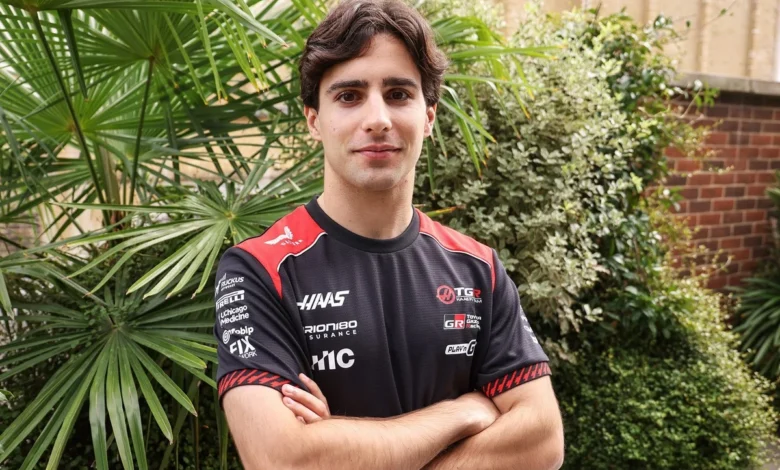
The TGR Haas F1 Team has officially confirmed that Esteban Ocon will not return to the cockpit for the remainder of the 2026 Formula 1 season, effectively ending the Frenchman’s tenure with the American outfit prematurely. The decision follows a period of mounting internal tension that culminated in a volatile disagreement during the Mexican Grand Prix weekend, forcing team principal Ayao Komatsu to take decisive action to protect the team’s operational stability. In a significant shift for the team’s future, Ferrari junior and current Formula 2 championship leader, Rafa Camara, has been fast-tracked into the seat for this weekend’s Brazilian Grand Prix, marking a historic home debut for the young Brazilian talent.
The Breakdown of the Relationship
The deterioration of the working relationship between Esteban Ocon and Haas had been visible to observers for several weeks, characterized by declining performance metrics and a palpable atmosphere of frustration within the garage. While the specifics of the incident in Mexico City have remained shielded by the team’s internal confidentiality protocols, it is understood that the confrontation was significant enough to render further collaboration untenable.
Komatsu’s decision to bench Ocon during the Mexican weekend served as the immediate catalyst for this final separation. Following Ocon’s removal on Saturday, reserve driver Ryo Hirakawa stepped into the VF-26, delivering an impressive performance that yielded a 10th-place finish and a valuable championship point on his Grand Prix debut. The success of that transition, combined with the team’s desire to pivot toward long-term development, accelerated the formal termination of Ocon’s contract for the remainder of the season.

"We have now notified Esteban Ocon that he will not return to a race seat with TGR Haas F1 Team this season," Komatsu stated in an official release. "Such decisions are never made lightly, as was the case in Mexico City—but then, as now, we feel this is firmly in the best interest of the team moving forward. The conversations that ultimately unfolded between the team and Esteban remain an internal matter, and we will continue to respect the private nature of closed-door situations."
Rafa Camara: A Fast-Tracked Debut
Rafa Camara, who had already been secured by the team for a full-time seat starting in 2027, now finds himself thrust into the spotlight months ahead of schedule. At the Autodromo Jose Carlos Pace, the Brazilian will experience the unique pressure of a maiden F1 race in front of his home crowd. His promotion represents more than just a temporary filling of a vacancy; it serves as a high-stakes evaluation period for the team’s future hierarchy.
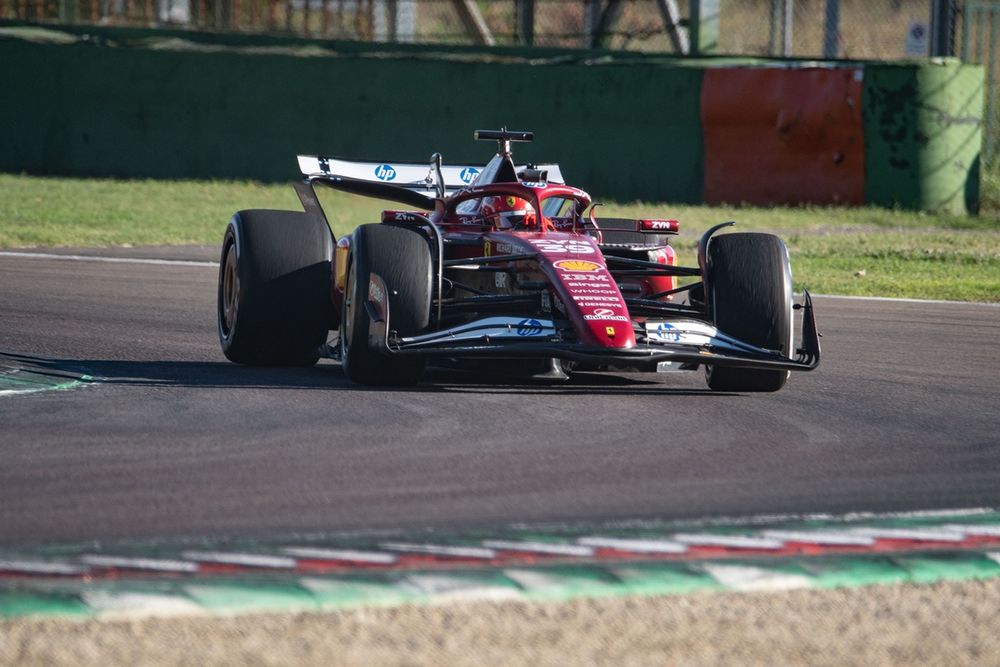
Camara’s preparation has been robust despite his lack of experience in the 2026-specification machinery. His transition to F1 is supported by an intensive testing program. Throughout the 2026 season, Camara participated in five Testing of Previous Cars (TPC) sessions. Four of these outings involved the Ferrari SF-25, providing him with essential experience in high-downforce, modern-era vehicles. The fifth session, conducted in August at the Portimao circuit in Portugal, saw him behind the wheel of the Haas VF-25. This specific test was the defining factor in the team’s confidence in his readiness, as he demonstrated maturity and pace that exceeded the team’s baseline expectations for a driver of his experience level.
"Looking ahead, we’ve chosen Rafael Camara to drive alongside Ollie Bearman at the Sao Paulo Grand Prix," Komatsu confirmed. "Having excelled in his TPC outing in August, we know Rafa’s capabilities and we’re looking forward to welcoming him into the team this weekend and working with him through his Formula 1 debut."
Implications for Ferrari and Team Strategy
The administrative ripple effects of this change have extended to the wider Ferrari Driver Academy ecosystem. The shift in plans necessitated a shuffle in the Friday morning Free Practice 1 (FP1) schedule. Camara, who was originally slated to perform duties for Ferrari in Brazil, has been relieved of those obligations to focus entirely on his race weekend preparation with Haas. Consequently, the session has been reassigned to Dino Beganovic, providing the Swedish prospect with a critical opportunity to gain mileage in a Ferrari-powered chassis.
The remaining races of the 2026 calendar—Las Vegas, Qatar, and Abu Dhabi—remain fluid in terms of the second driver seat. While Camara is confirmed for Brazil, the team has not yet committed to a permanent driver for the final three rounds. It is anticipated that Haas will rotate between Camara and Ryo Hirakawa, effectively using the end of the season as a prolonged audition to determine the team’s optimal pairing for the coming years.
Contextualizing the 2026 Season
The 2026 season has been a year of transition for the entire grid, marked by significant regulation changes and a reshuffling of driver rosters. For Haas, the focus has been on closing the gap to the midfield leaders and solidifying their status as a destination for top-tier junior talent. Ocon, a race winner with significant experience, was brought in to provide stability and development feedback. However, the misalignment between the driver’s expectations and the team’s current development trajectory likely contributed to the friction that eventually led to this split.
Statistically, the team’s performance has been inconsistent, making the development of young drivers like Camara and Oliver Bearman a priority over the retention of veteran drivers who may not be aligned with the team’s three-to-five-year plan. By fielding two young drivers in the final stages of the season, Haas is prioritizing the accumulation of data and the accelerated maturation of its future lineup over short-term point accumulation.

Industry Analysis: The Cost of Internal Conflict
The removal of a driver mid-season is a rare and extreme measure in modern Formula 1, typically reserved for situations where the internal dynamic has reached a point of total collapse. From a management perspective, Komatsu’s actions highlight the modern trend of team principals prioritizing "cultural fit" and team harmony alongside pure driving pace.
The successful debut of Ryo Hirakawa in Mexico, who scored points on his first outing, provided the team with the leverage to make this move. Had the replacement failed to perform, the team might have been forced to persist with a fractured relationship. Instead, the performance of the reserve driver demonstrated that the VF-26 is capable of competing in the top ten, placing the onus on the driver to extract that performance. For Camara, this is a sink-or-swim moment. Entering the paddock at Interlagos, he carries the weight of national expectation, but he does so with the confidence of the team’s leadership, which has effectively cleared the path for him to prove his worth.
As the paddock prepares for the intensity of the Brazilian Grand Prix, the focus remains on how quickly the rookie can adapt to the sprint-style demands of the weekend. With the 2026 season nearing its conclusion, the actions taken by the Haas management reflect a broader, more aggressive approach to driver management that could signal a new era for the team as they look to distance themselves from the midfield pack and establish a more competitive presence in the seasons to follow.