Russia Advances Toward Regulated Crypto Trading: Sberbank Set to Launch BTC, ETH, and USDT Markets in December

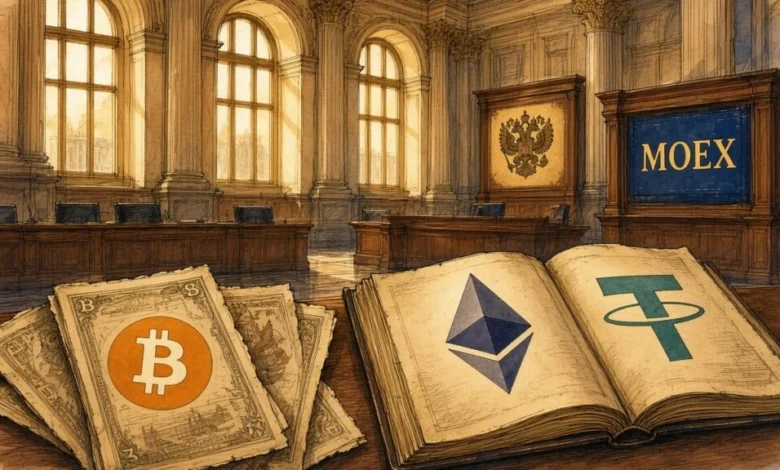
The landscape of digital asset regulation and institutional adoption in the Russian Federation is undergoing a monumental shift, marked by a series of decisive legislative measures and strategic financial integrations. Sberbank, Russia’s largest financial institution, has officially announced plans to introduce regulated cryptocurrency trading services starting this December. This development aligns with broader regulatory maneuvers by the Bank of Russia, which has progressively signaled a willingness to integrate select digital assets—specifically Bitcoin (BTC), Ethereum (ETH), and the stablecoin Tether (USDT)—into a tightly controlled domestic trading ecosystem. While these policy updates represent a significant departure from historical skepticism, they occur alongside stringent limitations designed to safeguard the traditional financial system and maintain state oversight over monetary flows.
Chronology of Regulatory Shifts and Legislative Milestones
The trajectory of Russia’s cryptocurrency policy has transitioned from outright hostility and consideration of total bans to a pragmatic, state-monitored incorporation of digital financial assets. This evolution gained legal backing following the implementation of comprehensive crypto legislation that officially took effect on September 1. This legislative framework laid the legal groundwork for the taxation and regulation of digital currencies, establishing legal definitions for mining and digital assets while simultaneously reinforcing strict prohibitions on utilizing cryptocurrencies for domestic retail payments.
Building upon this statutory foundation, the Bank of Russia issued a formal event notice on November 6 confirming that it was actively exploring the integration of Bitcoin, Ethereum, and Tether into experimental legal regimes. This initiative empowers select domestic institutions to test the feasibility of digital asset trading within tightly restricted environments. Following this regulatory green light, the Moscow Exchange (MOEX) announced its intention to launch digital asset trading operations beginning December 1, aiming to bridge the gap between traditional financial markets and the burgeoning digital economy.
Institutional Integration: Sberbank Paves the Way
Sberbank’s impending entry into the cryptocurrency marketplace represents the most substantial institutional endorsement of digital assets in Russia to date. By facilitating access to Bitcoin, Ethereum, and USDT, the bank is responding to sustained commercial demand from corporate clients and institutional players seeking alternative mechanisms for cross-border settlement.
Under the experimental legal regime overseen by federal regulators, Sberbank’s platform will operate during standard exchange trading hours, aligning digital asset transactions with traditional equity market schedules. Trading is scheduled to commence at 9:50 AM and conclude at 4:50 PM local time. Furthermore, these transactions will be subject to direct oversight by the National Clearing Centre (NCC), which will act as the central counterparty to mitigate settlement and counterparty risks.
Market participants and industry analysts note that this controlled rollout is designed to test operational resilience and liquidity management under real-world conditions. By channeling institutional volume through established banking giants like Sberbank, Russian authorities aim to curb illicit financial flows while capturing valuable tax revenue from a previously unregulated sector.
Retail Limitations and the Role of Intermediaries
While institutional investors and corporate entities are being granted structured access to digital assets under the new experimental regimes, retail investors face significantly tighter constraints. According to updated regulatory guidelines, everyday retail participants engaging with digital assets through designated intermediaries will face a strict annual purchase cap of 300,000 rubles.
This restriction underscores the cautious approach adopted by the Bank of Russia, which remains wary of the high volatility and systemic risks associated with retail cryptocurrency speculation. By restricting retail exposure through single-intermediary channels and capping annual transaction volumes, regulators intend to protect inexperienced market participants from severe financial losses while still permitting localized participation in the broader digital asset economy.
Financial analysts have pointed out that these measures reflect a dual-track strategy: encouraging the use of cryptocurrencies for international trade settlements where traditional banking channels are restricted by Western sanctions, while insulating the domestic consumer market from inflationary pressures and speculative bubbles.
The Moscow Exchange Prepares for Digital Asset Trading
The inclusion of the Moscow Exchange in the upcoming December rollout marks a critical milestone for Russia’s financial infrastructure. MOEX’s decision to offer regulated trading in Bitcoin, Ethereum, and USDT provides a centralized, transparent venue for digital asset transactions, moving market activity away from decentralized peer-to-peer networks and opaque over-the-counter desks.
The exchange has spent recent months upgrading its risk management architecture, clearing mechanisms, and custody solutions to accommodate the unique characteristics of blockchain-based assets. By integrating these instruments into the traditional exchange environment, MOEX aims to provide institutional clients with secure, legally compliant access to cryptocurrency markets, thereby enhancing market liquidity and price discovery mechanisms within the Russian financial system.

Domestic Payment Prohibitions Remain Firm
It is crucial to distinguish between the liberalization of exchange-traded digital assets and the ongoing ban on utilizing cryptocurrencies for domestic retail transactions. The Russian government has repeatedly emphasized that the introduction of regulated trading platforms and experimental legal regimes does not equate to a repeal of the domestic payment ban.
Federal law strictly prohibits the use of cryptocurrencies as a medium of exchange for goods and services within Russian territory. While the state has carved out narrow exemptions to permit the use of digital assets for international trade settlements—primarily to circumvent Western sanctions that have disrupted traditional banking corridors—the ruble remains the sole legal tender within the country.
Economic Implications and Strategic Context
The convergence of Sberbank’s upcoming trading launch, MOEX’s market integration, and the Bank of Russia’s experimental frameworks highlights a pragmatic adaptation to geopolitical and economic realities. Faced with unprecedented international sanctions that have complicated cross-border trade, Russian authorities have recognized the utility of cryptocurrencies and stablecoins like USDT in facilitating international commerce.
At the same time, the state remains acutely focused on maintaining monetary sovereignty. By channeling digital asset activity through regulated domestic entities such as Sberbank and MOEX, Russian regulators can monitor capital flows, enforce anti-money laundering (AML) compliance, and collect tax revenues from transactions that previously occurred entirely within the shadow economy.
As the December 1 launch date approaches, market participants, international observers, and domestic regulators will closely monitor the performance of these experimental trading regimes. The success of these initiatives could determine the future trajectory of digital asset regulation in Russia, potentially paving the way for broader integration or, conversely, prompting tighter controls if systemic risks materialize. For now, Russia is stepping carefully into a new era of state-supervised cryptocurrency trading, balancing the economic necessity of international liquidity against the imperative of domestic financial stability.
Related posts: