The Evolution of the Compact Smartphone Market
The decline of the small smartphone began in the mid-2010s as streaming media, mobile gaming, and social media consumption shifted the primary use case of the smartphone from communication to content creation and consumption. In 2014, the average smartphone screen size hovered around 5 inches. By 2024, that average had climbed toward 6.5 inches.
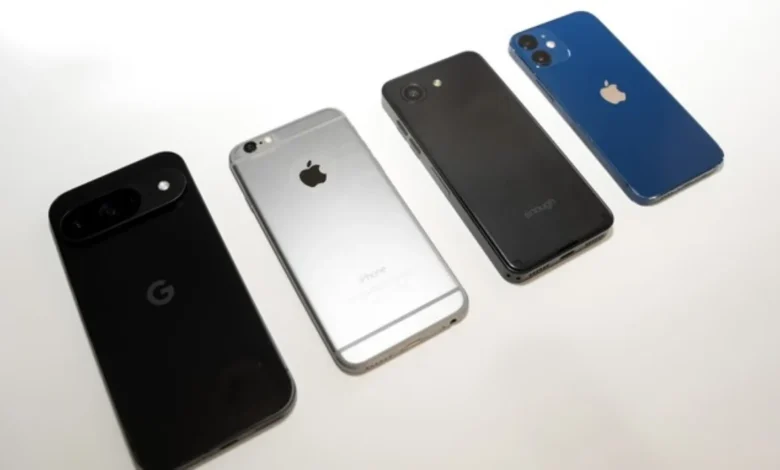
Apple was arguably the last major holdout in the premium segment, releasing the iPhone 12 mini in 2020 and the iPhone 13 mini in 2021. Despite their popularity among a specific demographic of users who valued one-handed operability and pocketability, these devices struggled to achieve the massive sales volumes required to justify Apple’s supply chain scale. When Apple ceased production of the mini line, it left a void that smaller, boutique manufacturers have since attempted to fill. The Enough Phone enters this market not as a direct competitor to flagship juggernauts, but as a niche alternative designed for "intentional use."
Technical Specifications and Design Philosophy
The Enough Phone is designed with a footprint that immediately draws comparisons to the beloved iPhone 13 mini. Measuring 133mm by 64mm with a thickness of less than 12mm, the device is engineered to fit comfortably in the palm of a hand. The screen, a 5.3-inch panel with a 1520 x 720 resolution, reflects a pragmatic approach to hardware; it prioritizes form factor over the pixel-dense, high-refresh-rate displays found on flagship devices.
Under the hood, the device utilizes a 2.4GHz MediaTek Dimensity 7500 processor paired with 8GB of RAM. While this chipset is not intended to compete with the high-end silicon from Qualcomm or Apple, it is more than capable of handling daily tasks, multitasking, and moderate media consumption. One of the most notable features for power users is the inclusion of a microSD card slot, a hardware feature that has become an endangered species in the smartphone industry.
Photography is handled by a 50MP Sony IMX766 sensor on the rear, a proven component in the mid-range market, and a 32MP front-facing camera. The inclusion of a 32MP selfie sensor suggests an acknowledgment of the social media-driven nature of current mobile photography, even among users who prefer smaller hardware.

Prioritizing Longevity and Repairability
A critical differentiator for the Enough Phone is its commitment to sustainability and user agency. In an industry where sealed glass-and-metal sandwiches are the standard—making battery replacements and screen repairs difficult or impossible for the average user—Enough has opted for a design that is deliberately accessible.
The device features a user-replaceable 3,500 mAh battery, which the company claims is a core pillar of its strategy to keep the device relevant for a decade. By utilizing standard, easy-to-open screws, the manufacturer is signaling a departure from the "planned obsolescence" model that has drawn criticism from consumer advocacy groups and legislative bodies worldwide. Coupled with a promised software support cycle extending through 2032, the Enough Phone is positioned as an investment rather than a disposable commodity.
Operating System Flexibility: Android vs. Minimalism
Perhaps the most intriguing aspect of the Enough Phone’s market strategy is its software flexibility. Users can purchase the device pre-loaded with Android 17, providing access to the vast Google Play ecosystem. However, the company also offers an alternative: OdysseyOS.
OdysseyOS is a "de-Googled," minimalist operating system developed by SLEKE. It is marketed toward users who are experiencing "tech fatigue" or who want to reduce the amount of time they spend tethered to algorithmic content feeds. This "dumb phone" approach, which strips away the persistent connectivity and data tracking inherent in mainstream mobile operating systems, appeals to the growing digital minimalism movement. By offering a choice between a full-featured modern OS and a stripped-back interface, the Enough Phone effectively targets two distinct demographics: the tech-savvy minimalist and the casual user who simply wants a phone that functions as a tool rather than a constant distraction.
Chronology and Market Timeline
The project is currently in the prototype stage, having transitioned to a public crowdfunding phase on Kickstarter. The following timeline outlines the development path for the device:
- Late 2026: Initial prototype unveiling and the launch of the Kickstarter crowdfunding campaign to secure production capital.
- Early 2027: Testing and refinement phase, during which the company will finalize hardware specifications and software optimization.
- May 2027: Targeted commercial launch for early backers.
- 2027–2032: Planned support cycle, including software updates and modular component maintenance.
The pricing strategy reflects the company’s intent to build a dedicated community early on. While the retail price is projected to be $599, early adopters are currently able to secure units at a lower entry point, such as the $449 "Early Bird" tier. This pricing places the device firmly in the mid-range category, competing with refurbished older flagships and new, budget-oriented Android devices.

Broader Implications and Industry Analysis
The emergence of the Enough Phone highlights a significant shift in how smaller manufacturers are approaching the market. Instead of attempting to out-spec the global giants, companies are increasingly focusing on "specialization." By identifying the specific frustrations of the modern smartphone user—namely, the lack of repairability, the loss of the small form factor, and the overwhelming nature of modern notification-heavy operating systems—the Enough Phone addresses real-world pain points that the current market leaders have largely ignored.
However, the path forward for such a device is not without challenges. The manufacturing and distribution of hardware at scale require immense capital, and maintaining a software ecosystem over several years is a monumental task for a small company. If the Enough Phone fails to hit its performance targets or experiences significant software bugs, it may struggle to retain the trust of its early backers.
Furthermore, the existence of the used and refurbished market for devices like the iPhone 13 mini provides a strong, reliable alternative for those who simply want a small phone and are willing to accept the eventual end of software updates. To succeed, the Enough Phone must prove that its "repairable, long-term" value proposition is superior to the ease of use and brand ecosystem of established manufacturers.
Ultimately, the Enough Phone is an experiment in consumer preference. It tests whether there is a viable, sustainable market for a device that chooses to be "enough" rather than "more." As the smartphone industry continues to grapple with the environmental impact of rapid device turnover and the social implications of constant connectivity, projects like this serve as a vital counterpoint to the status quo. Whether or not the Enough Phone reaches its 2032 support goal, it has already succeeded in articulating a clear, coherent philosophy: that the future of technology should not necessarily be bigger, faster, or more distracting, but more intentional and more durable.
Related posts: