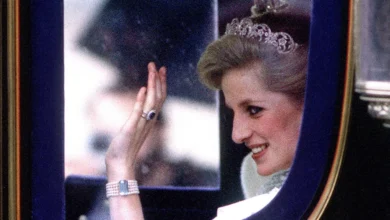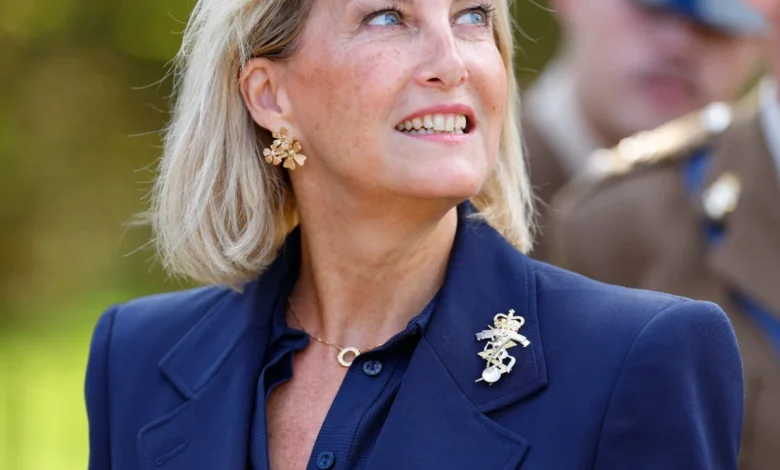
Amid shifting public perceptions and fluctuating approval ratings across various high-ranking members of the British monarchy, the inner machinery of the Royal Family relies increasingly on steady, unassuming figures to maintain its institutional stability. While recent polling data indicates that King Charles III experiences the inevitable ebbs and flows of public popularity that accompany a reigning monarch, and as the future of the institution is continually scrutinized by voters, certain individuals within the royal fold continue to generate quiet admiration from both constitutional experts and the public alike. Among them, Sophie, Duchess of Kent and Strathearn—commonly known simply as Duchess Sophie, wife of Prince Edward—has emerged as a foundational asset to the crown. Recently, royal etiquette experts have gone so far as to label her the "most well-behaved royal," highlighting a career defined by discretion, emotional intelligence, and relentless dedication to public service.
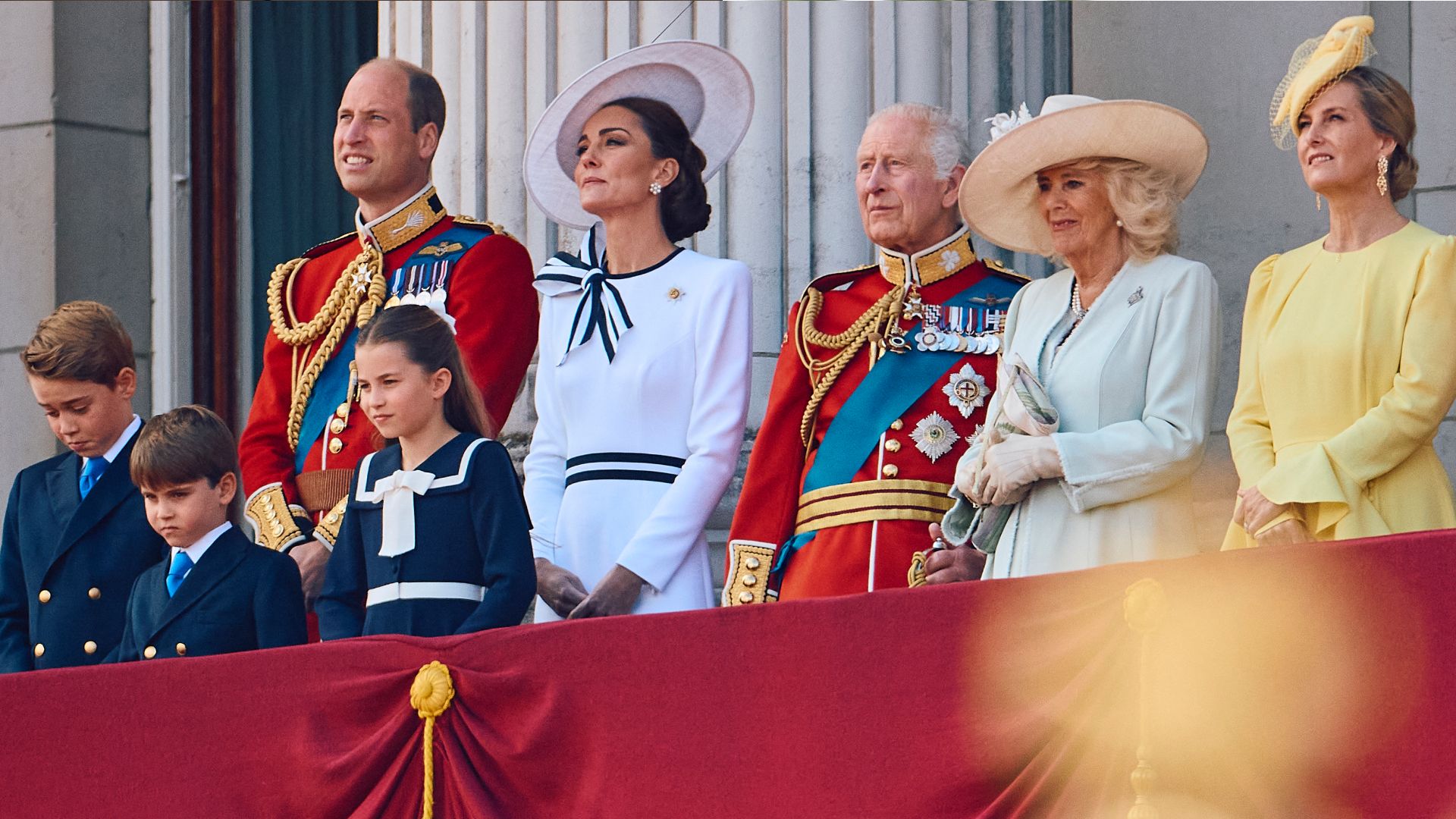
This rising appreciation comes at a critical juncture for the House of Windsor. As the monarchy navigates a modernized era characterized by heightened media scrutiny, health challenges among senior royals, and the ongoing necessity to distance the institution from past controversies, the value of reliable, scandal-free representatives has never been higher. Duchess Sophie, who transitioned from a successful career in public relations into full-time royal duties following her marriage to Queen Elizabeth II’s youngest son, Prince Edward, in 1999, has long operated away from the glaring headlines that frequently follow younger generations of the family. However, her expansive portfolio of patronage work and her dependable execution of diplomatic engagements abroad have positioned her as an indispensable pillar of the modern royal household.
The Anatomy of Modern Royal Etiquette and Public Perception
The designation of Duchess Sophie as an exemplary model of modern royal conduct was recently underscored by Laura Windsor, founder of a prominent British etiquette academy, in an interview with Hello! magazine. According to Windsor, Sophie’s approach to her royal duties embodies the traditional values of the institution while adapting seamlessly to contemporary expectations.
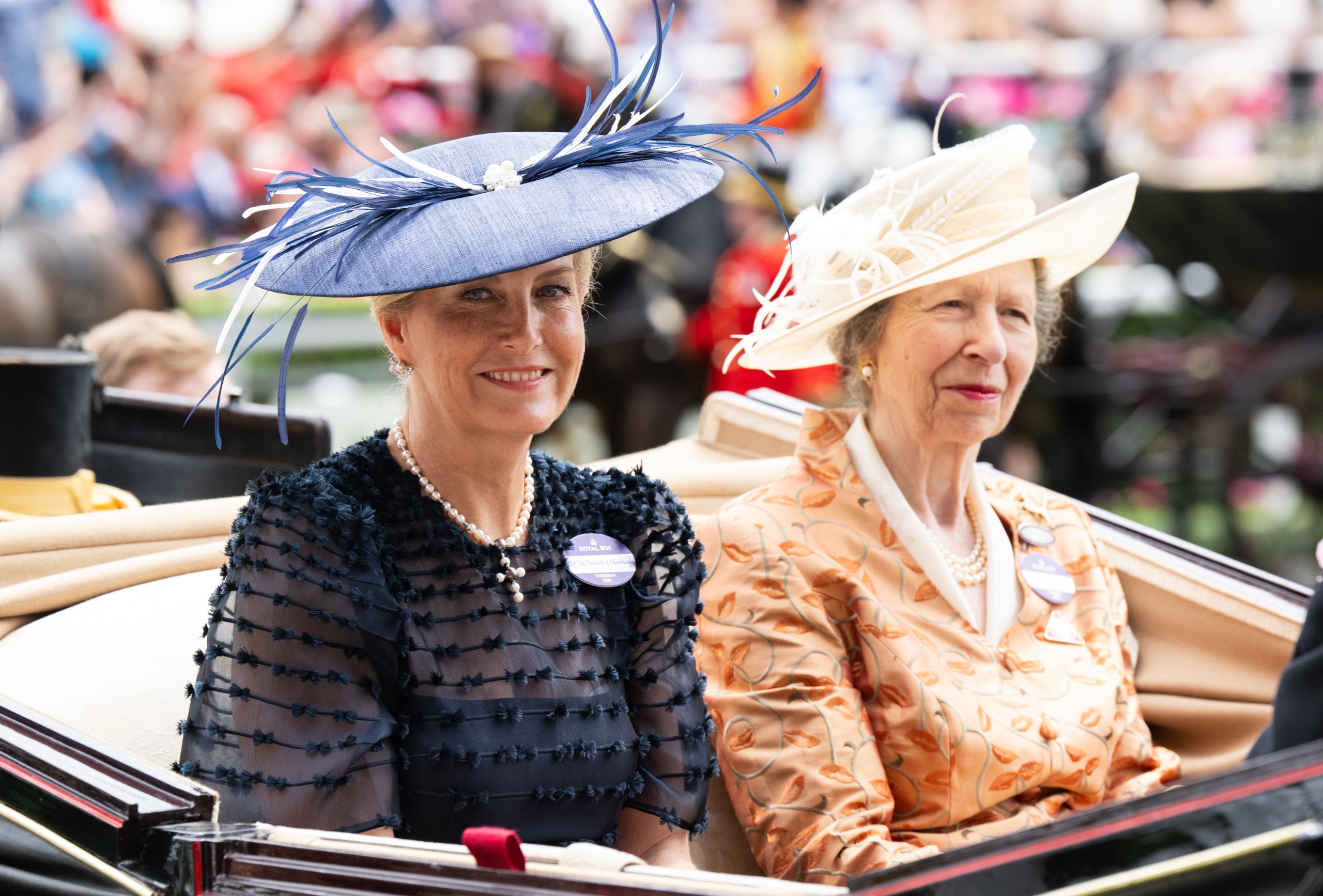
"She is becoming the secret weapon of the Royal Family because she represents The King abroad," Windsor stated, drawing attention to Sophie’s growing diplomatic footprint. Unlike royals who court media attention or find themselves entangled in tabloid narratives, Sophie has maintained an unblemished public record. "She’s never done anything wrong, and she should get all the media attention because she is the epitome of polite behavior. And it’s not about her."
This sentiment captures the core of Sophie’s appeal: a self-effacing approach to public life that prioritizes the institution over personal branding. Etiquette analysts frequently point out that Sophie possesses a high degree of emotional intelligence, a trait that enables her to bridge the gap between historical protocol and twenty-first-century sensibilities. Having worked closely alongside the late Queen Elizabeth II—who famously viewed Sophie as a surrogate daughter—and now serving as a trusted confidante to King Charles III and Princess Kate, Sophie occupies a unique vantage point within the royal hierarchy. She understands both the rigid traditions of the old guard and the empathetic, communicative style demanded of modern public figures.
A Legacy of Unsung Humanitarian Work
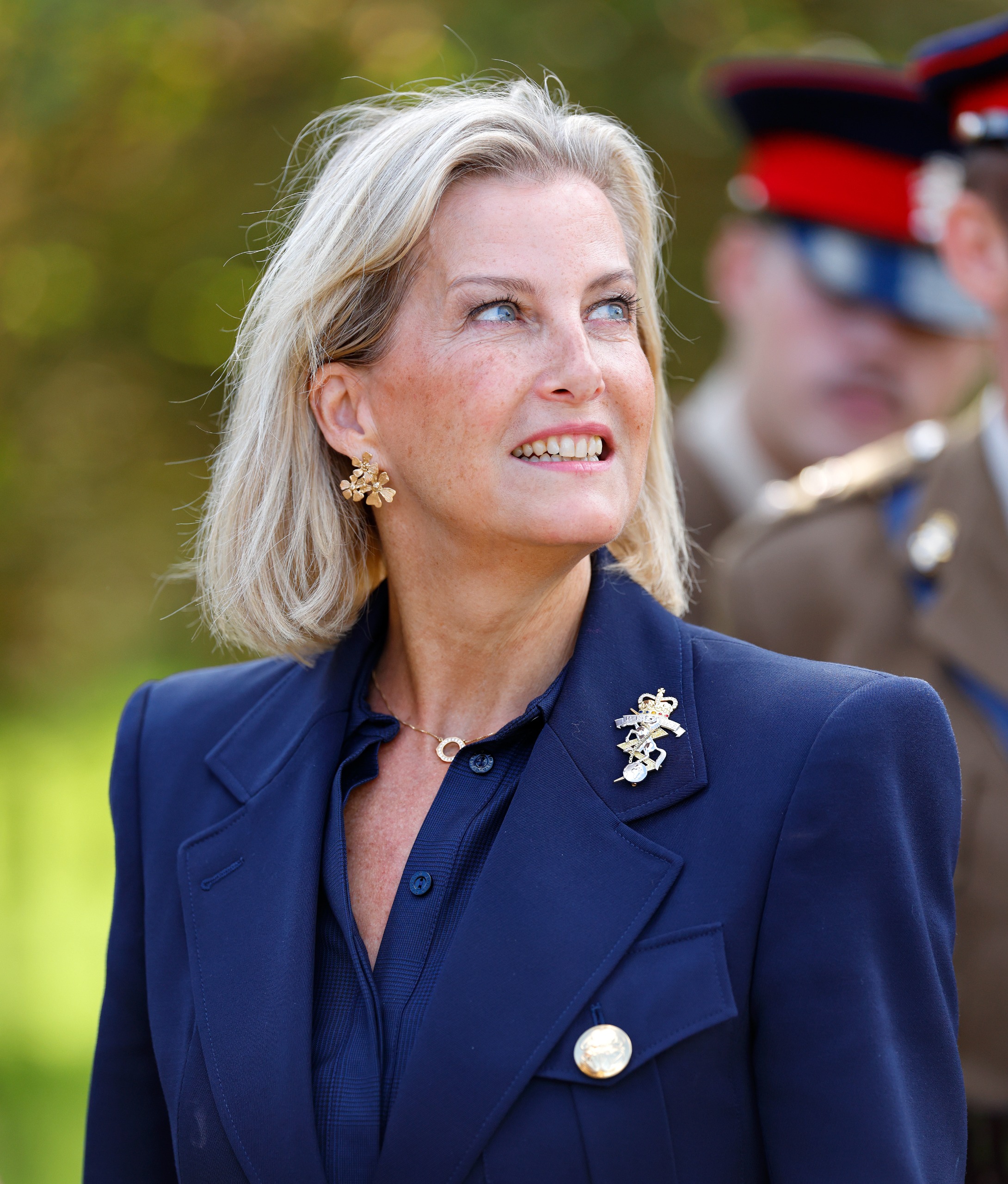
While high-profile balcony appearances and royal tours frequently dominate the news cycle, a significant portion of Duchess Sophie’s workload unfolds quietly behind the scenes. Her philanthropic portfolio is extensive, focusing heavily on causes that address marginalization, health, and social welfare, with a particular emphasis on supporting women in distress and survivors of sexual violence in conflict zones.
Sophie’s dedication to international advocacy has seen her travel to regions affected by war and persecution, where she meets directly with survivors and grassroots organizations. In 2019, she became the first member of the royal family to visit South Sudan, where she focused on the human rights abuses faced by women in conflict areas. She has consistently championed the UK’s Preventing Sexual Violence in Conflict Initiative (PSVI), working alongside government officials and international NGOs to amplify the voices of victims who might otherwise remain unheard.
Domestically, her patronage work spans dozens of organizations dedicated to disability awareness, youth development, and agricultural education. She is a passionate advocate for organizations supporting the blind and partially sighted, drawing on her own experiences within her family and her patronages to raise awareness for accessible design and medical research. Despite the tangible impact of these initiatives, Sophie’s work often receives a fraction of the media coverage afforded to younger royals, a dynamic that etiquette experts argue does a disservice to her contributions.
"She helps a lot of organizations, mainly women in distress situations, and there’s not enough media attention on her," Windsor explained. "Even she says, ‘No one knows about me,’ in a sort of non-arrogant way, as if to say, you know, maybe people do need to know what I’m doing, and she is highly admired by The King."
The Chronology of a Steadfast Royal Journey
To understand Duchess Sophie’s current stature as a trusted anchor of the monarchy, it is helpful to examine her integration into the royal family over the past quarter-century. Her journey from a corporate professional to a senior working royal illustrates a deliberate, steady commitment to public duty.
- June 1999: Sophie Rhys-Jones marries Prince Edward at St George’s Chapel, Windsor Castle, becoming the Countess of Wessex. Prior to her marriage, she ran her own successful public relations agency, an experience that provided her with a sharp understanding of media mechanics and communication strategies.
- 2002–2005: Following her marriage, Sophie gradually transitioned into full-time royal duties, taking on patronages related to the arts, education, and health. During this period, she built a remarkably close relationship with Queen Elizabeth II, frequently joining the monarch for church services and private events at Windsor.
- 2019: Marking two decades of marriage and public service, Sophie undertook high-profile international tours, increasing her focus on global diplomacy and human rights advocacy, particularly championing the rights of women in conflict zones.
- 2022: Following the passing of Queen Elizabeth II, Prince Edward and Sophie were granted the titles of Duke and Duchess of Edinburgh by King Charles III. This elevation reflected the monarch’s trust in their capability to shoulder increased responsibilities as the working royal roster contracted.
- 2023–Present: Amid health challenges faced by both King Charles III and Princess Kate, Duchess Sophie has stepped up her public engagements, functioning as a vital liaison between the senior leadership of the family and the wider public. Her close alliance with Princess Kate has become particularly crucial during periods when the Princess of Wales has required time for medical recovery.
Strategic Implications for the Monarchy
The quiet reliability of Duchess Sophie carries significant strategic implications for the House of Windsor. In the wake of structural reductions to the "slimmed-down monarchy" envisioned by King Charles, every active royal must justify their position through public utility and institutional trust.
With public polling indicating fluctuating approval numbers for the core leadership, the presence of universally respected figures like Sophie provides a stabilizing buffer. Analysts note that her ability to execute high-stakes diplomatic missions without generating controversy makes her an invaluable asset in international relations. When representing the crown abroad, Sophie projects an image of measured competence and cultural sensitivity that aligns with modern British diplomatic objectives.
Furthermore, her relationship with Princess Kate has been identified by royal watchers as a cornerstone of the future monarchy. As William and Kate prepare to ascend the throne, the supportive network provided by senior figures like Sophie and Prince Edward ensures that the younger generation has experienced, trusted counsel close at hand. This intergenerational continuity is essential for preserving institutional memory and maintaining public confidence during periods of transition.
Conclusion
Duchess Sophie’s journey within the British Royal Family demonstrates the enduring power of discretion, hard work, and emotional intelligence. Eschewing the pitfalls of celebrity culture, she has carved out a role defined by genuine service and unwavering loyalty to the crown. As the monarchy continues to adapt to the demands of the twenty-first century, figures like Sophie serve as a reminder that stability is often maintained not by grand gestures, but by the quiet, dedicated labor of those willing to place duty above personal recognition.