Unlocking the Future of Mental Health: How Psilocybin Rewires the Brain Without the Psychedelic Trip

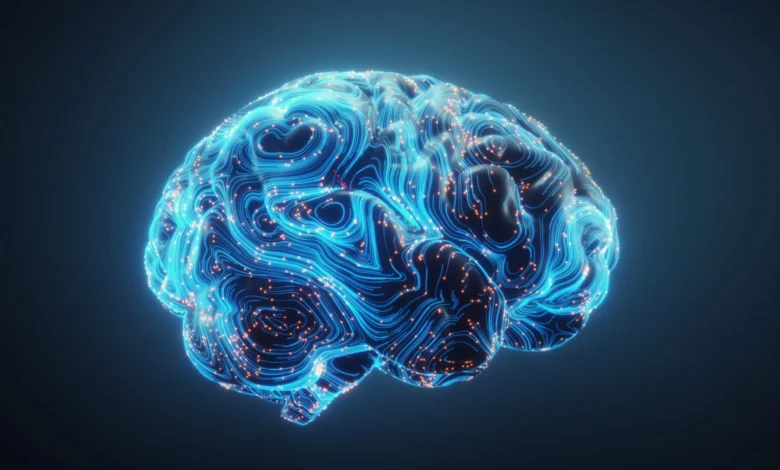
A groundbreaking study from the University of California, Santa Cruz, published on October 15 in the journal Nature Neuroscience, has fundamentally altered the scientific understanding of how psilocybin, the active compound in "magic mushrooms," influences neural architecture. By mapping the precise cellular mechanisms that govern brain plasticity, researchers have identified a pathway that could lead to the development of a new class of psychiatric medications—drugs capable of repairing neural circuits and treating conditions like depression and PTSD without the hallucinogenic effects that have long complicated clinical application.
The research, led by professor of molecular, cell, and developmental biology Yi Zuo, provides a granular look at how psilocybin interacts with the brain’s microscopic structures. Using advanced two-photon microscopy, the team observed that psilocybin does not merely increase neural communication; it actively manages the life cycle of dendritic spines—the tiny, mushroom-shaped projections on neurons that facilitate synaptic transmission. Within 24 hours of administration, the researchers observed a rapid proliferation of new dendritic spines, which subsequently matured into stable, high-functioning synapses. This process suggests that psilocybin acts as a powerful catalyst for neuroplasticity, the brain’s inherent ability to reorganize its structure in response to new information or environmental changes.
A Historical Context of Psychedelic Research
To understand the magnitude of this discovery, one must look at the turbulent history of psychedelic science. During the 1950s and 1960s, substances such as psilocybin and LSD were at the forefront of psychiatric research, with hundreds of studies exploring their potential to treat alcoholism, anxiety, and depression. However, the political climate of the late 20th century brought this momentum to a halt. The U.S. Controlled Substances Act of 1970 effectively criminalized these substances, placing them in Schedule I—a designation reserved for drugs with a "high potential for abuse" and "no currently accepted medical use."
This legislative crackdown effectively froze clinical exploration for nearly five decades. It was not until the early 21st century that a "psychedelic renaissance" began to take hold. As the global mental health crisis intensified, researchers sought alternatives to traditional antidepressants—such as SSRIs—which often take weeks to manifest effects and may not be effective for treatment-resistant patients. The recent focus has shifted toward "psychoplastogens," a term coined to describe compounds that can trigger rapid structural reorganization of the brain after a single dose. The FDA’s decision to grant Breakthrough Therapy status to psilocybin for major depressive disorder in recent years signaled a formal acknowledgment of this paradigm shift.
The Mechanism of Neuroplasticity
The core of the UC Santa Cruz study lies in the observation of dendritic spines. These structures are the physical manifestations of memory and learning. When a synapse is formed, it acts as a gateway for neural signaling; when it is removed, the circuit is pruned. Chronic stress is known to wreak havoc on this delicate balance, often causing a loss of spines in critical areas like the prefrontal cortex, leading to the cognitive and emotional dysfunction observed in patients with depression.
The UCSC team discovered that psilocybin’s impact is highly sensitive to the brain’s existing condition. In healthy mice, the drug initiated a transient wave of connectivity that returned to a homeostatic baseline within three weeks, as the brain pruned redundant connections. Conversely, in mice subjected to chronic stress, psilocybin acted as a restorative agent. It not only stimulated the growth of new connections but also prevented the catastrophic loss of existing synapses typically caused by stress. This implies that the therapeutic value of psilocybin may be most pronounced in brains that have been damaged by long-term environmental or psychological pressure.
Separating Hallucinations from Healing
Perhaps the most significant contribution of this research is the dissociation between structural brain changes and behavioral responses. Historically, it was assumed that the "trip"—the intense, often overwhelming subjective experience of hallucinations—was an inseparable component of the therapeutic mechanism. Clinicians have long struggled with this, as the hallucinogenic state requires hours of intensive, one-on-one supervision by trained therapists, making it a difficult and expensive model to scale for mass clinical use.
By utilizing genetically modified mice, the research team targeted serotonin 2A receptors (5-HT2ARs) within Layer 5 pyramidal neurons in the cerebral cortex. The researchers found that when these receptors were activated, the brain underwent significant structural remodeling—the growth and maturation of synapses—even in the absence of the "head-twitch" response, a common behavioral marker used in rodent studies to indicate psychedelic activity. Conversely, they demonstrated that the head-twitch response could occur independently of these structural changes.
This clear bifurcation of pathways—one for behavioral expression and one for synaptic remodeling—offers a clear "blueprint" for pharmaceutical development. By targeting only the cellular pathways responsible for neuroplasticity, it may be possible to synthesize "non-hallucinogenic analogs." Such a drug could theoretically offer the rapid, life-changing benefits of psilocybin-assisted therapy—such as the resetting of depressive neural circuits—without the psychological vulnerability or the requirement for hours of medically supervised trip-sitting.
Regulatory and Clinical Implications
The timing of this study coincides with increased regulatory scrutiny. In September 2026, the FDA held a landmark public hearing, "Considerations for Potential Future Therapeutic Use of Psychedelic Drugs," to deliberate on how these substances might transition from experimental status to mainstream healthcare. The hearing addressed critical infrastructure needs, including the qualification of healthcare providers, the implementation of Risk Evaluation and Mitigation Strategy (REMS) programs, and the design of long-term clinical trials.
The UC Santa Cruz findings provide a robust scientific foundation for these regulatory discussions. By moving toward a model where the mechanism of action is understood at the molecular level, regulators can move away from vague concepts of "altered states" and toward measurable, objective markers of brain health. For drug developers, the path is now clearer: focus on the 5-HT2AR signaling in the cortex to optimize neuroplasticity while minimizing the downstream effects that cause hallucinations.
The Path Forward: From Mice to Medicine
While the results are undeniably promising, the transition from mouse models to human therapeutics remains a significant hurdle. Human brains are far more complex, characterized by different cortical architectures and vastly more sophisticated cognitive functions. The researchers acknowledge that further study is required to determine if the same cellular mechanisms govern human neuroplasticity and if the separation of effects holds true in the human nervous system.
Nevertheless, the potential for such a discovery is vast. If pharmaceutical companies can successfully translate these findings into a therapeutic agent, the impact on global healthcare could be profound. Conditions like treatment-resistant depression, which currently affects millions of people worldwide and accounts for a significant portion of healthcare costs, could be addressed with a drug that acts as a "brain repair" agent rather than a chronic symptom-management medication.
The study, which was supported by the National Institute of Mental Health and the National Institute on Aging, serves as a testament to the power of modern neuroscience to deconstruct complex phenomena. By peeling back the layers of the "psychedelic experience," researchers are finding that the magic is not in the hallucination itself, but in the biological potential of the brain to heal, grow, and reorganize. As lead author Jacob Baker noted, these newly formed connections represent a "lasting structural trace," offering a potential permanent fix for what have previously been chronic, debilitating conditions. The next phase of research will likely focus on the longevity of these connections and the development of specific molecules that can reliably trigger this beneficial rewiring in humans, marking a new chapter in the history of psychiatry.
Related posts: