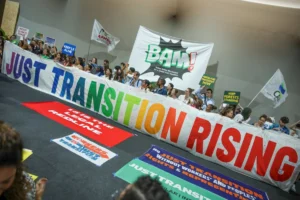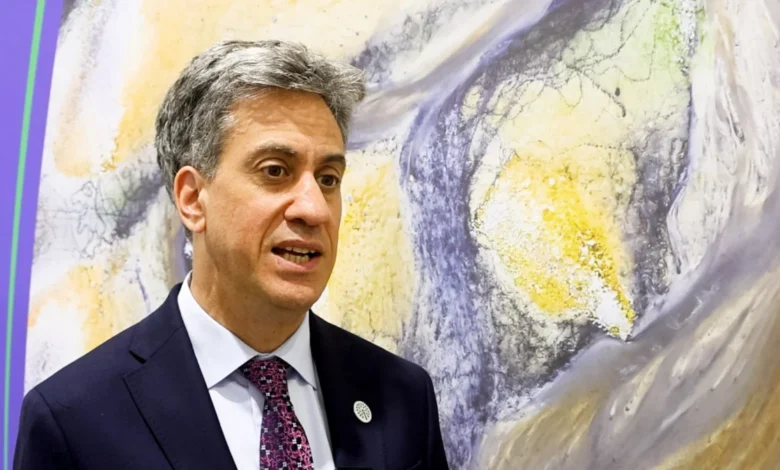
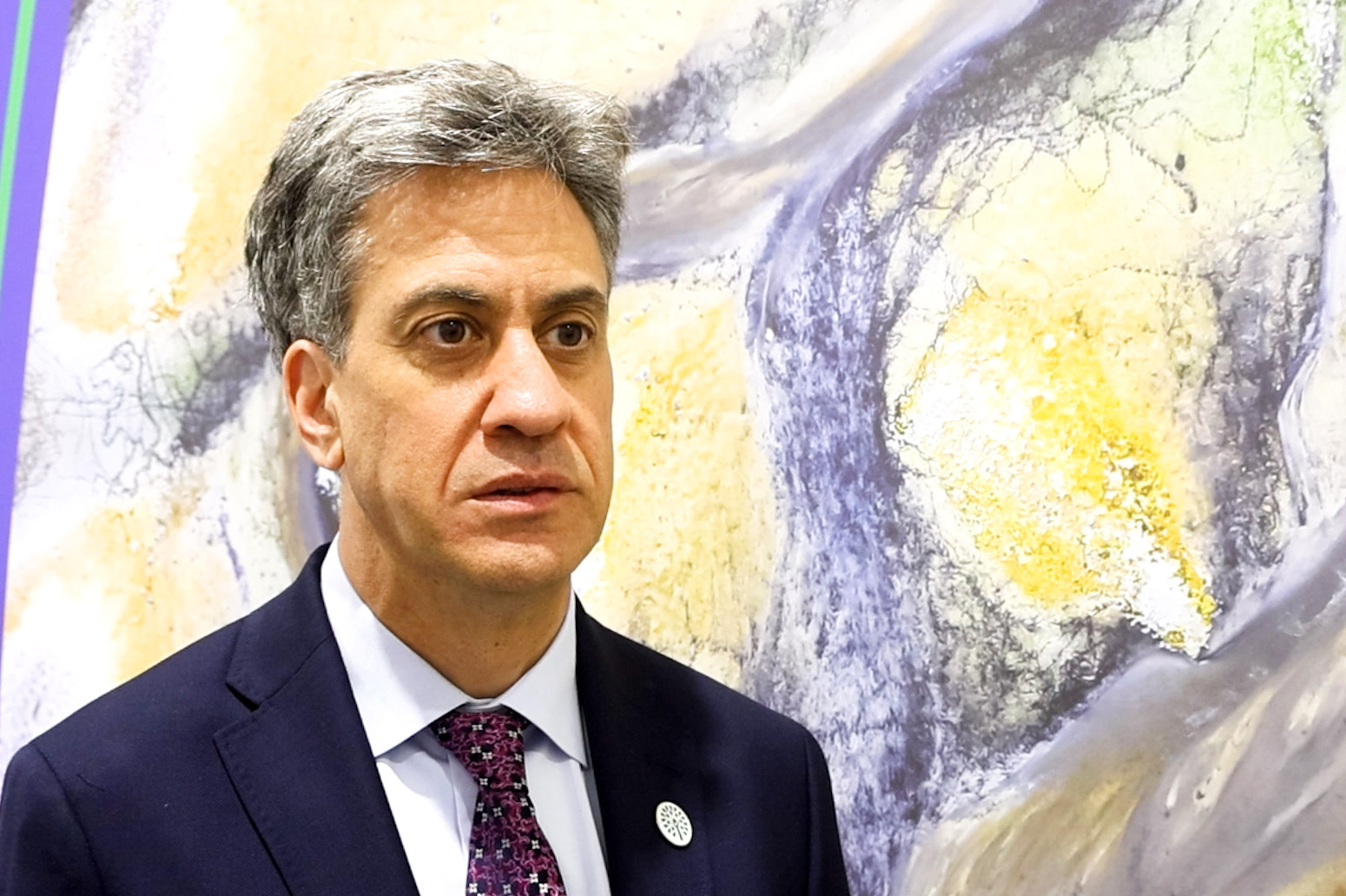
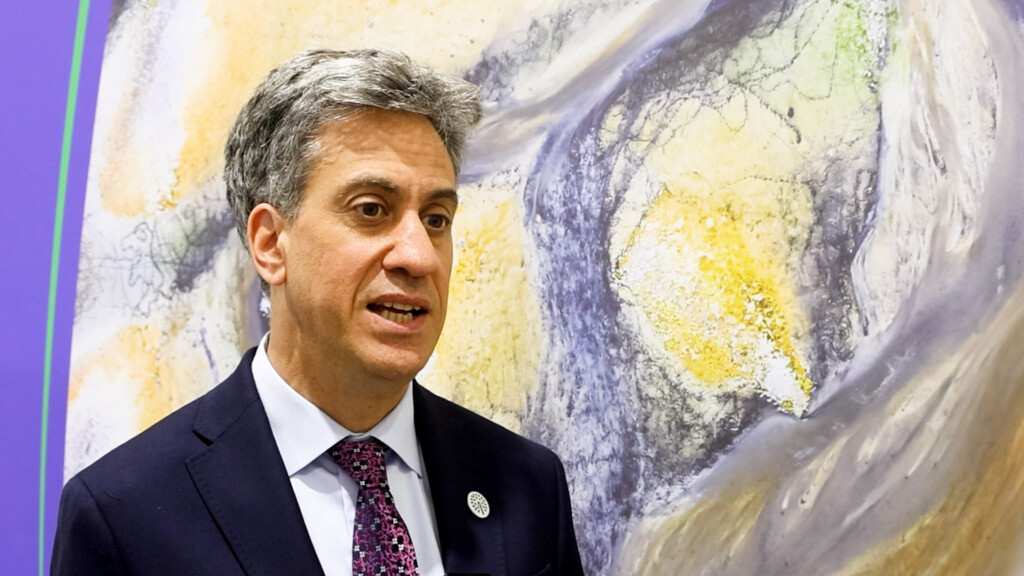
The thirty-first Conference of the Parties (COP31) in Antalya, Turkey, has become a pivotal theater for the United Kingdom’s climate diplomacy, with Foreign Secretary Ed Miliband facing intense scrutiny over the nation’s domestic energy policies and its international commitments. Speaking to Carbon Brief on the sidelines of the summit, Miliband navigated a series of pointed inquiries regarding the UK’s approval of the Jackdaw gas field, potential revisions to electric vehicle (EV) mandates, and the broader effectiveness of the UN-led climate negotiation process. As the summit progresses, Miliband’s defense of British "climate leadership" highlights a complex balancing act between domestic energy security and the urgent global mandate to decarbonize.
The Context of the Antalya Summit
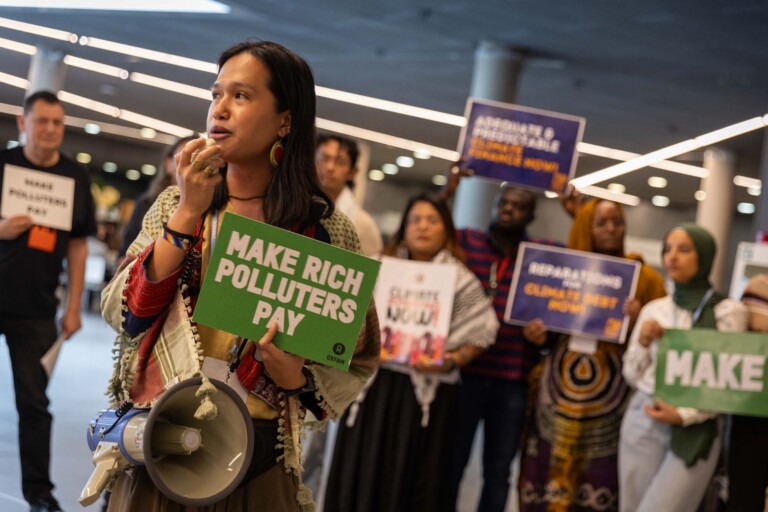
COP31 represents a critical juncture in the global effort to limit warming to 1.5C. Following the advancements made at previous summits—most notably the transition-away-from-fossil-fuels roadmap established at COP28 and the subsequent discussions in Belém—the Antalya gathering is focused on implementation, finance, and the "just transition." However, the atmosphere in Turkey has been characterized by fiscal strain. Reports indicate that climate finance pledges from developed nations have fallen by approximately 70% compared to previous cycles, placing significant pressure on the UK and its G7 peers to demonstrate that they can provide the necessary technical and financial support to the Global South despite mounting internal economic challenges.
The Jackdaw Controversy and Domestic Policy
Central to the debate at COP31 is the perceived disconnect between the UK’s international rhetoric and its domestic actions. The approval of the Jackdaw gas field, located in the North Sea, has drawn sharp criticism from environmental NGOs and international observers who argue that new fossil fuel infrastructure is fundamentally incompatible with the Paris Agreement.
Miliband pushed back against the narrative that the UK’s climate standing is in decline. He emphasized that the government’s 2030 clean power target remains among the most ambitious in the world. According to the Foreign Secretary, the UK’s commitment to legislative frameworks that restrict new oil and gas licenses serves as a cornerstone of its current climate strategy. He framed the transition as an existential issue of national security, arguing that dependence on volatile international energy markets—exacerbated by the ongoing conflict in Ukraine and broader geopolitical instability in the Middle East—undermines state sovereignty.
"If you are serious about national security, you need to be serious about climate," Miliband stated. By positioning the energy transition as a security imperative rather than merely an environmental policy, the UK is attempting to decouple climate action from the traditional political friction associated with "green" transitions.
The 35×35 Electrification Pledge
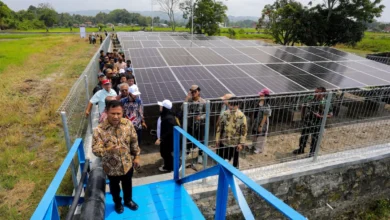
A significant outcome of the summit, confirmed shortly after the interview, was the UK’s formal endorsement of the Turkish-led "35×35" electrification pledge. This initiative seeks to drastically scale up renewable capacity and grid infrastructure by 2035. For the UK, this represents a significant technical and financial challenge, requiring a complete overhaul of its national grid and a massive ramp-up in storage capabilities.
The rationale provided by Miliband for supporting this pledge centers on the concept of the "fossil-fuel rollercoaster." He noted that for import-dependent nations, which account for 75% of the world’s population, exposure to global energy price fluctuations is a primary driver of the cost-of-living crisis. By accelerating clean electrification, the UK aims to insulate its economy from the shocks of geopolitical conflicts that frequently spike oil and gas prices.
Multilateralism vs. Mini-Coalitions
The efficacy of the COP process itself has been a subject of intense debate in Antalya. With the increasing prevalence of "coalitions of the willing"—smaller, agile groups of nations focusing on specific issues like methane reduction, forest protection, or industrial policy—some observers have questioned whether the massive, consensus-driven UNFCCC process has outlived its utility.
Miliband remains a staunch defender of the COP institution. He pointed to the historical trajectory of climate negotiations, noting that while the 2009 Copenhagen summit ended in relative failure, the subsequent years have seen global projections shift from a catastrophic 4C warming trajectory to a more manageable, though still dangerous, 2.6C. He argued that the COP remains the only venue that brings over 190 countries together, providing a necessary framework for accountability and the formation of those smaller, effective coalitions.
"It is not simply a talking shop," Miliband asserted, highlighting his active participation in ministerial events focused on green industrial policy and methane abatement. He argued that the real-world influence of the COP lies in its ability to synchronize national policies with international expectations.
Addressing the Climate Finance Gap
The financial strain on developing nations is perhaps the most significant hurdle at COP31. With public coffers in the UK and other G7 nations facing pressure, the conversation has shifted toward Multilateral Development Bank (MDB) reform. Miliband signaled that the UK, during its upcoming G20 presidency in 2027, intends to make MDB reform a central pillar of its agenda.
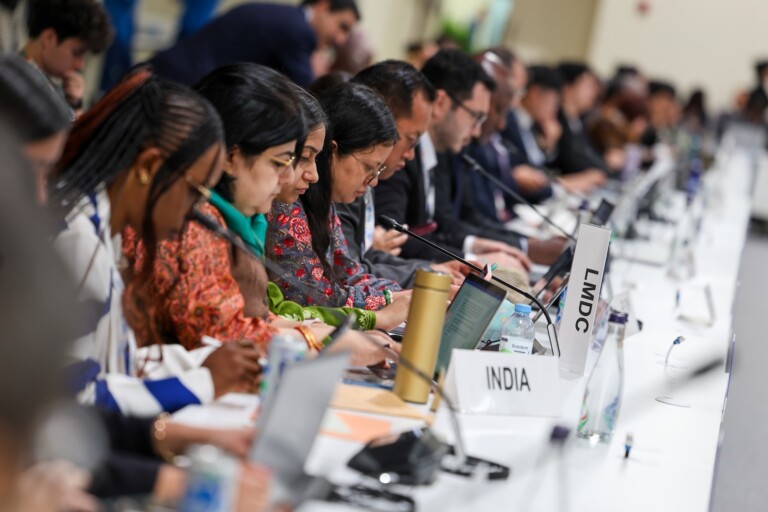
The goal is to leverage existing balance sheets to unlock hundreds of billions of dollars in climate finance. By encouraging best practices among MDBs and pushing for more flexible debt-relief mechanisms, the UK hopes to bridge the gap between the trillions needed for global adaptation and the limited public funds currently available. This strategy reflects a broader trend: as direct aid becomes harder to justify in domestic budgets, Western powers are increasingly looking to institutional reform to achieve the same ends.
The Role of Public Engagement and Information
When questioned on the UK’s failure to implement a robust national climate education and public awareness program—a commitment inherent in the Paris Agreement—Miliband acknowledged a deficit in current policy. He cited the annual climate and nature statements delivered in the House of Commons as a step toward transparency but admitted that more must be done to combat the "flood of misinformation" surrounding the energy transition.
Miliband framed this as a communication challenge: the government must move beyond a "council of despair" and offer a narrative rooted in honesty and hope. By providing clear information on the economic benefits of the transition—such as job creation in the offshore wind and battery manufacturing sectors—the government hopes to build a broader social mandate for its climate policies.
Looking Ahead: The Legacy of COP31
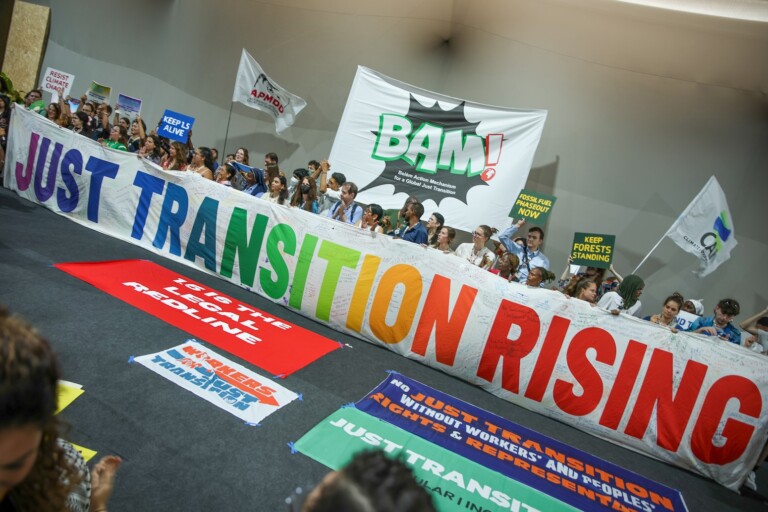
As the summit concludes, the metrics for success will likely focus on tangible commitments rather than mere rhetoric. For the UK, the pressure to maintain its status as a climate leader is mounting. The government must reconcile its domestic energy approvals with its global commitments, all while managing the fiscal constraints that have hindered progress in the past.
The shift toward the "35×35" pledge and the focus on MDB reform suggest a government that is pivoting toward a more pragmatic, security-oriented climate policy. Whether this approach will be enough to satisfy international partners and domestic critics remains to be seen. However, as Miliband’s remarks at COP31 indicate, the UK’s strategy for the coming years will be defined by an attempt to prove that the transition to clean energy is not only a moral necessity but a fundamental requirement for long-term economic stability and national security.
The coming months will provide the first test of these commitments. With the G20 presidency on the horizon in 2027, the UK will have the opportunity to move from participating in the climate agenda to setting the tone for global financial and industrial reform. For now, the focus in Antalya remains on securing the coalitions, pledges, and institutional buy-in required to keep the goals of the Paris Agreement within reach.