Saudi Arabia Falconry Boom Balances Record-Breaking Auctions with Ambitious International Conservation Programs

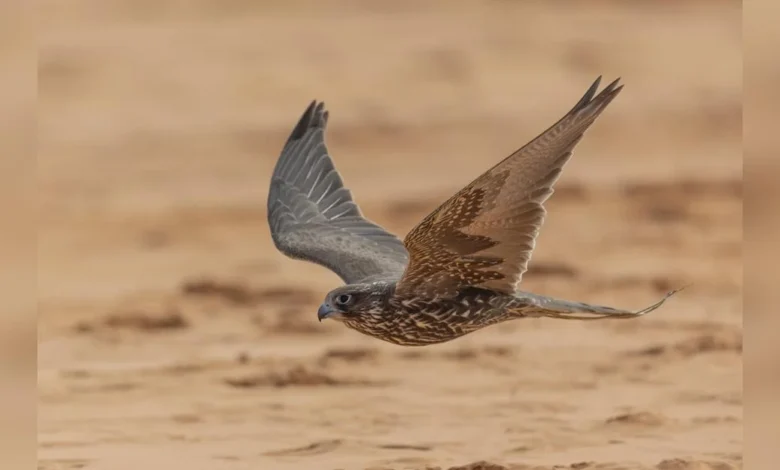
Saudi Arabia has rapidly solidified its status as the global epicenter of falconry culture, commerce, and conservation, seamlessly blending ancient Bedouin traditions with modern, state-backed ecological management. Driven by robust government regulation, massive economic investments, and a deeply rooted cultural heritage that dates back centuries, the Kingdom’s falconry sector is experiencing unprecedented growth. This expansion is currently defined by a dual-track approach: hosting the world’s largest commercial falcon auctions and spearheading international rewilding initiatives designed to protect vulnerable raptor populations across Central Asia and the Middle East.
At the heart of this movement is the National Center for Falcons, a newly empowered government body operating with enhanced financial and administrative independence following a pivotal Saudi Cabinet approval in May 2026. Tasked with overseeing the entire domestic falconry ecosystem, the center regulates everything from high-value commercial breeding markets and sustainable wild-trafficking protocols to cutting-edge conservation release programs. By establishing rigorous oversight, Saudi authorities are ensuring that the cherished ancestral art of falconry can thrive economically while actively contributing to global biodiversity preservation.
The Explosion of Commercial Breeding Markets
The commercial dimension of Saudi Arabia’s falconry industry reached staggering new heights during the most recent auction cycle. The International Falcon Breeders Auction, held over a 21-day period in Malham, just north of Riyadh, shattered previous financial and volume records. More than 2,200 captive-bred falcons were sold during the August event, marking a dramatic leap from the 1,103 birds transacted in the prior year. Total sales surpassed $8.8 million, more than doubling the $3.4 million generated during the 2025 exhibition.
This massive commercial gathering drew participation from over 90 specialized breeding farms representing 24 countries across the globe. By focusing exclusively on farm-bred raptors, the International Falcon Breeders Auction relieves pressure on wild populations, offering enthusiasts and professional falconers access to premier genetics without depleting natural ecosystems. The staggering financial influx highlights the enduring popularity of the sport among affluent collectors and competitive falconers within the Gulf Cooperation Council region.
In stark contrast to the massive scale of the breeders’ auction, the National Center for Falcons also administers a tightly regulated, much smaller sale dedicated exclusively to wild-caught juvenile migratory peregrines. Operating strictly during the autumn migration window from October 1 to November 30, this auction implements stringent conservation safeguards. Adult peregrines are entirely excluded from the trade, and culturally significant species such as the endangered saker falcon are barred from the domestic wild-capture market altogether.
Every wild-trafficked bird must be captured using licenses coordinated through the National Center for Wildlife. Once acquired, each falcon is fitted with an advanced electronic tracking ring and entered into a comprehensive national registry. Reflecting the strict quotas and sustainability-first mindset of the authorities, the 2025 iteration of this specialized auction yielded a modest total of just 40 transactions over 26 nights, demonstrating that ecological preservation takes strict precedence over high-volume commercial harvesting of wild raptors.
Cultural Heritage and UNESCO Recognition
To understand the profound economic and social weight of falconry in Saudi Arabia, one must look to the Kingdom’s arid historical roots. For generations, Bedouin communities on the Arabian Peninsula relied on trained falcons as essential hunting partners to secure sustenance in a harsh desert environment. The ability to read seasonal shifts, understand migration patterns, and train these fierce raptors became an intricate art form passed down orally from fathers to sons.
Recognizing the immense cultural value of this tradition, UNESCO formally inscribed falconry onto its Representative List of the Intangible Cultural Heritage of Humanity in 2010. The landmark multinational nomination acknowledged that falconry is not merely a hobby or a sport, but a foundational pillar of identity shared across multiple nations, with Saudi Arabia playing a central custodial role.
Today, contemporary Saudi falconers work primarily with a select group of majestic raptor species, including the peregrine, the gyrfalcon, the lanner, and the saker. Among these, the saker falcon holds a revered place in regional history, though wild populations face mounting pressures across their broader migratory range, leading the International Union for Conservation of Nature (IUCN) to classify the species as Endangered. Meanwhile, global peregrine populations remain relatively stable, categorized as Least Concern by the IUCN in their latest global assessments, providing a scientific baseline that informs Saudi Arabia’s differentiated management policies for captive versus wild birds.
Hadad and Global Conservation Initiatives
While Saudi Arabia commands the global market for falcon trade and competition, it has simultaneously emerged as a pioneer in raptor rehabilitation and rewilding through its flagship conservation initiative: the Hadad program. Operating on both domestic and international fronts, Hadad is engineered to reverse population declines of native and migratory falcon species by returning captive-bred and rehabilitated birds to their historical breeding ranges.
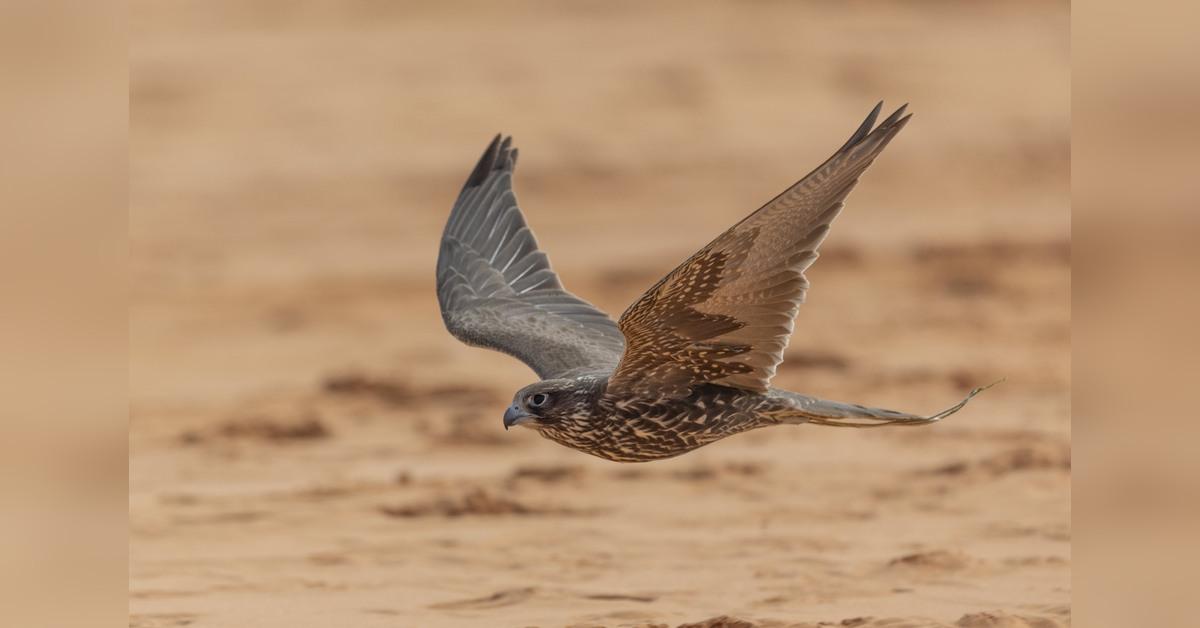
Internationally, Hadad focuses heavily on restoring endangered saker and peregrine populations across Central Asia. Following its inaugural international release in Kyrgyzstan in November 2023, the program achieved another major milestone in March 2026 by releasing captive-raised sakers into the protected landscapes of Altyn-Emel National Park in Kazakhstan. These birds are equipped with satellite telemetry, allowing scientists from the National Center for Wildlife and international partner institutions to monitor their adaptation, survival, and integration into wild populations.
Domestically, the program releases native falcon species into carefully selected natural reserves across the Kingdom where ecosystems can sustainably support them. The scope of Hadad continues to expand rapidly under the National Center for Falcons’ new mandate. Setting a clear timeline for civic and private participation, the center established a firm deadline of November 18, 2026, for private owners to surrender captive saker and peregrines that are no longer actively utilized for breeding or competition. These surrendered birds are channeled directly into the rehabilitation pipeline ahead of the next major international release wave scheduled for 2027.
Through scientific cooperation and rigorous post-release monitoring, Hadad bridges the gap between traditional falcon ownership and modern conservation biology, proving that cultural passion can successfully drive environmental stewardship.
The King Abdulaziz Falconry Festival and Industry Ecosystem
The pinnacle of competitive falconry in the region is the prestigious King Abdulaziz Falconry Festival, an annual mega-event that draws elite handlers and thousands of raptors from around the world. The 2025 edition of the festival hosted an astounding 3,536 falcons, awarding total prize money of approximately $10.06 million. The sheer scale and organizational excellence of the gathering have earned official recognition from Guinness World Records on three separate occasions for hosting the largest concentrations of participating falcons globally.
Competition at the festival is divided into two primary disciplines designed to test distinct attributes of the birds. The Melwah race measures raw speed and acceleration over a 400-meter straightaway, while the Mazayen beauty pageant evaluates falcons against strict morphological standards of physical perfection.
The momentum continued into the late autumn of 2026 with the Saudi International Falcons and Hunting Exhibition, held from October 1 to 10 at the Riyadh Exhibition and Convention Center in Malham. Over the course of ten days, the massive trade show welcomed 765,000 visitors and featured roughly 1,450 commercial exhibitors and specialized brands hailing from 47 countries. Attendees browsed everything from traditional leather hoods and hand-crafted perches to state-of-the-art telemetry tracking systems, specialized avian veterinary care clinics, and advanced outdoor survival gear.
As the 2026 King Abdulaziz Falconry Festival unfolds with international falconers competing across 141 highly contested heats, the total prize pool has once again climbed, surpassing $10.1 million. Competitors are fiercely vying not only for the substantial financial purses but also for legendary accolades including the coveted King Abdulaziz Cups, the King’s Sword, and the King’s Shalfa titles.
Broader Economic and Ecological Implications
The comprehensive transformation of Saudi Arabia’s falconry sector—anchored by the structural reforms of the National Center for Falcons—offers a compelling case study in sustainable cultural economies. By centralizing regulatory authority, the Saudi government has successfully balanced commercial vitality with ecological responsibility.
Economically, the sector generates tens of millions of dollars annually, supporting a vast network of international breeders, local equipment manufacturers, hospitality providers, and specialized veterinary professionals. Culturally, these high-profile events reinforce national pride and preserve ancient indigenous knowledge for younger generations of Emiratis and Saudis.
Ecologically, the integration of strict wild-catch quotas, mandatory microchipping registries, and ambitious rewilding projects like the Hadad program establishes a new benchmark for sustainable wildlife management in the Middle East. By reinvesting a portion of its commercial and cultural capital into international conservation partnerships across Central Asia, Saudi Arabia is actively working to ensure that the skies of tomorrow remain populated by the magnificent raptors that have captivated human imagination for millennia.