Navigating the Cleaning Dilemma: Can You Safely Put Baby Bottles and Pump Parts in the Dishwasher?

The daily rotation of infant feeding equipment presents new parents with a relentless domestic challenge. Between round-the-clock feedings, diaper changes, and sleep deprivation, minimizing kitchen sink hours becomes an urgent priority. A question frequently debated in parenting forums and pediatric offices is whether baby bottles can be safely cleaned in an automatic dishwasher. The short answer is yes, provided the components are explicitly labeled as dishwasher-safe by the manufacturer. However, a closer examination reveals a complex set of operational guidelines involving thermal limits, proper placement, material degradation, and the distinction between standard washing and genuine sterilization.
Understanding the Technical Realities of Dishwasher Safety
When a manufacturer designates a baby bottle or a breast pump accessory as dishwasher-safe, it signifies that the material has undergone testing to withstand repeated exposure to high-heat cycles without warping, cracking, or degrading. This classification generally applies to glass bottle bodies, durable high-grade plastics, and certain stainless-steel components. Conversely, delicate silicone nipples, anti-colic valves, venting disks, and thin membranes are frequently restricted to hand-washing or top-rack-only placement to preserve their structural integrity.
The operational parameters of residential dishwashers vary significantly. While a standard wash cycle effectively removes visible milk residue through the combined action of water, mechanical agitation, and detergent, it does not inherently guarantee microbial sanitization. According to pediatric health standards, sanitization requires exposure to sustained high temperatures—typically exceeding 160 degrees Fahrenheit (71 degrees Celsius)—or specialized chemical solutions. Many modern dishwashers feature certified sanitization settings or high-temperature final rinses that achieve this threshold, but standard cycles often fall short of true medical-grade disinfection. For newborns, premature infants, or babies with compromised immune systems, pediatricians frequently recommend an additional sanitizing step, such as boiling or steam treatment, regardless of how the items were initially washed.
The Evolution of Infant Feeding Hygiene Practices
Over the past several decades, recommendations surrounding the cleaning and sanitization of infant feeding gear have evolved in response to advancements in material science and microbiological research. Historically, boiling every bottle, nipple, and pump part before each use was the universal standard for new parents. This labor-intensive routine often consumed hours of daily domestic labor.
As manufacturers introduced heat-resistant plastics and commercial dishwashers became standard household appliances in the late 20th century, guidelines began to adapt. Public health agencies, including the Centers for Disease Control and Prevention (CDC), refined their protocols to acknowledge that once an infant reaches a few months of age and possesses a developing immune system, thorough washing with hot, soapy water—followed by air drying—is generally sufficient for healthy, full-term babies, provided the items are clean. However, the initial sanitization of brand-new gear remains standard advice across the pediatric community.
Comparative Analysis of Cleaning Methods
Parents generally choose among three primary methods for cleaning baby bottles and pump parts: traditional hand-washing, standard dishwasher cycles, and dedicated countertop appliances. Each method presents distinct operational advantages and limitations regarding water efficiency, labor investment, and hygiene assurance.
Hand-washing remains the most flexible approach, allowing immediate attention to delicate components and urgent single-bottle emergencies. However, manual washing can be water-intensive if the tap runs continuously and introduces the risk of cross-contamination if sponges are not rigorously maintained. Furthermore, human error during hand-washing can leave behind invisible soap residue or missed milk proteins in hard-to-reach crevices.
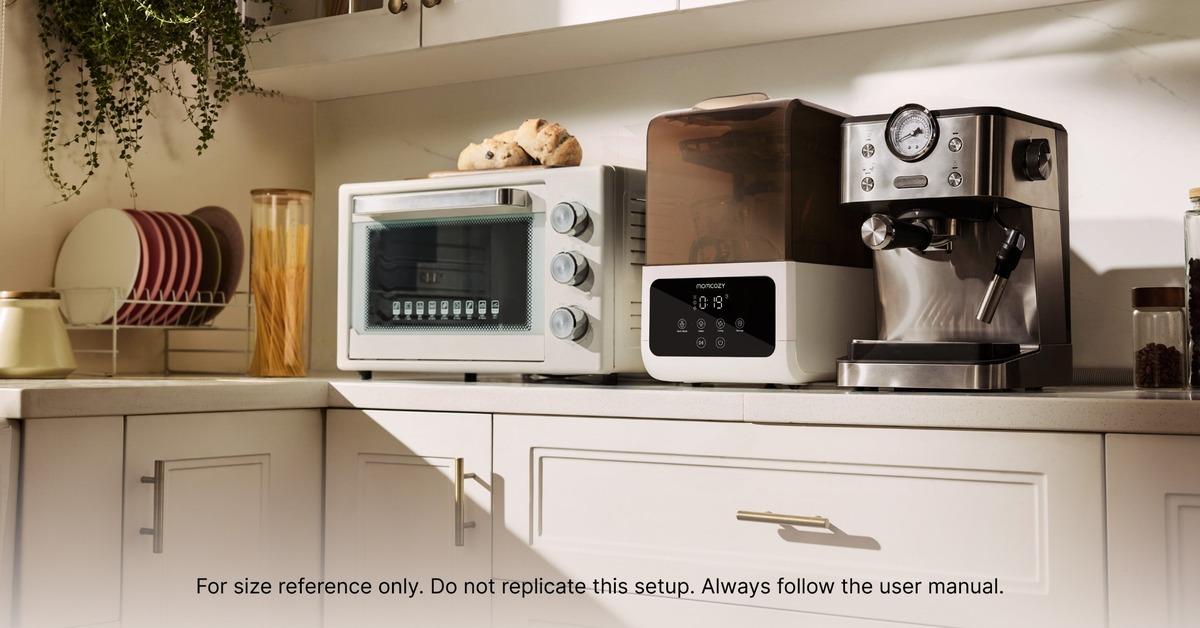
Automated dishwashers offer a hands-off alternative that utilizes water more efficiently than extended hand-rinsing, particularly when executed as a full, dedicated load rather than mixed with greasy dinnerware. The primary drawback of using a standard dishwasher for baby gear is the risk of cross-contamination from food soils, fats, and harsh chemical detergents redepositing on silicone surfaces. Additionally, the intense heat of lower racks can warp plastic bottles if placed incorrectly.
In recent years, the market has responded to these challenges with dedicated countertop appliances, such as specialized bottle washers and sterilizers. These compact units combine targeted high-pressure washing, steam sanitization, and forced-air drying in a closed system designed exclusively for infant feeding equipment. By isolating baby gear from standard household dishes, these appliances mitigate the risk of grease transfer and reduce the need for manual re-washing.
Best Practices for Loading and Maintaining Equipment
To maximize the effectiveness of dishwasher cleaning while protecting delicate gear, experts recommend adhering to strict loading protocols. All bottles, rings, nipples, and valves must be completely disassembled prior to loading; leaving a nipple assembled inside a collar traps milk residue, shielding it from water jets and creating an environment conducive to bacterial proliferation.
Items designated as dishwasher-safe should be secured on the top rack, where heating elements are typically less intense, reducing the risk of thermal warping. Small parts, such as valves and sealing rings, benefit from placement in a secure, enclosed dishwasher basket to prevent them from dropping onto the heating element during a cycle. Furthermore, avoiding abrasive detergents or heavy chemical rinse-aids helps protect sensitive plastics from premature clouding and surface degradation.
Broader Environmental and Economic Implications
The choice of cleaning method carries notable environmental and economic consequences. Frequent hand-washing under running tap water consumes significant volumes of water and energy required for water heating. Conversely, running a half-empty dishwasher solely for a few bottles wastes both water and electricity. Establishing a sustainable routine often involves accumulating a full day’s supply of bottles and pump parts to run an efficient, dedicated appliance load or consolidating hand-washing into a basin-based system.
From an economic perspective, improper cleaning or excessive thermal exposure shortens the lifespan of infant feeding equipment. When plastic bottles become cloudy, warped, or retain sour odors, parents are forced to replace them prematurely. Adhering to manufacturer guidelines not only safeguards infant health but also promotes sustainable consumption by reducing unnecessary plastic waste in landfills.
Expert Recommendations and Official Guidelines
Public health and pediatric authorities emphasize that consistency and attentiveness are paramount in infant hygiene. The CDC recommends that after every feeding, bottles and pump components should be disassembled, rinsed, and washed thoroughly using hot water and liquid dish soap, either manually or in a dishwasher featuring a heated dry or sanitize cycle. Air-drying on a designated, clean rack or mat is strongly preferred over towel-drying, as dish towels can transfer microorganisms to sanitized surfaces.
Pediatric specialists remind caregivers that no cleaning appliance replaces regular visual inspection. Regardless of whether a bottle is washed by hand or machine, parents should routinely inspect nipples for tears, cracks, or thinning, and check plastic bodies for structural compromises. Prompt retirement of damaged equipment prevents bacterial accumulation and ensures safe feeding operations throughout an infant’s developmental stages.
Related posts: