Lethal Cocktails and Vanishing Wings: New Study Links Mass Monarch Die-Off to Widespread Pesticide Poisoning

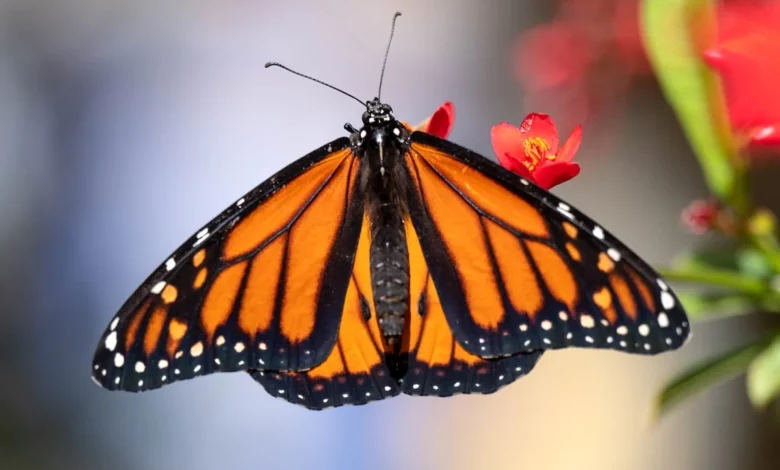
The January 2024 mass die-off of Western monarch butterflies at a critical California overwintering site was almost certainly caused by a toxic mixture of pesticides, according to a groundbreaking peer-reviewed study. The findings, published in the journal Environmental Toxicology and Chemistry, provide a grim forensic account of how hundreds of butterflies perished in Pacific Grove—a coastal community famously known as "Butterfly Town, USA." Researchers discovered that the deceased insects carried a "chemical cocktail" of 15 different substances, including insecticides, herbicides, and fungicides, many of which were present at levels high enough to cause immediate neurotoxic failure.
The study serves as a stark warning regarding the fragility of the Western monarch population, which has seen its numbers plummet by more than 95% since the 1980s. As the species teeters on the edge of extinction, the research underscores a growing consensus among entomologists and conservationists: even the most protected sanctuaries are not safe from the invisible reach of chemical drift and urban pesticide application.
The Pacific Grove Incident: A Forensic Investigation
In early 2024, visitors and researchers at the Pacific Grove Monarch Sanctuary were met with a disturbing sight. Hundreds of monarch butterflies, which typically cluster in the local eucalyptus and Monterey pine trees to survive the winter, were found dead or dying on the forest floor. Unlike deaths caused by freezing temperatures or predation, these butterflies exhibited symptoms of acute neurological distress, such as uncontrolled tremors and the inability to cling to branches.
To determine the cause of death, a team of scientists led by Staci Cibotti, a pesticide risk prevention specialist at the Xerces Society for Invertebrate Conservation, utilized advanced analytical techniques. The researchers employed liquid and gas chromatography alongside mass spectrometry to detect trace amounts of chemicals within the butterflies’ tissues. The results were startling. Every butterfly tested contained a minimum of several different pesticides, with an average of seven distinct chemicals per individual.
The analysis identified 15 different human-made compounds. Among the most concerning were three pyrethroid insecticides: bifenthrin, cypermethrin, and permethrin. These chemicals are synthetic versions of natural compounds found in chrysanthemums but are engineered to be far more persistent and toxic. They function as neurotoxins, overstimulating the nervous systems of insects and leading to paralysis and death. According to the study, these pyrethroids were detected at or near lethal doses in the samples, providing a "smoking gun" for the mass mortality event.
A Precarious Timeline: The Collapse of the Western Monarch
The 2024 die-off is not an isolated tragedy but a symptom of a decades-long decline. The chronology of the Western monarch’s struggle highlights a species in a state of freefall. In the 1980s, an estimated 4.5 million monarch butterflies overwintered along the California coast. By the mid-2010s, those numbers had dropped into the low hundreds of thousands.
The crisis reached a breaking point between 2018 and 2020. During the 2018 Western Monarch Count, the population crashed to fewer than 30,000 individuals—a threshold biologists consider the "quasi-extinction" level for the migratory phenomenon. In 2020, the count hit an all-time low of just 1,914 butterflies. While the population saw a slight, unexpected rebound in 2021 and 2022, the 2024 and 2025 data suggests that the recovery was tragically short-lived.
The Xerces Society’s annual Western Monarch Count for 2024 recorded the second-lowest numbers in the program’s history. By the winter of 2025, the total number of overwintering individuals had plummeted to just 9,119. The Pacific Grove incident occurred during this period of extreme vulnerability, effectively wiping out a significant portion of the remaining population in a single event.
Understanding the "Chemical Drift" and Urban Exposure
One of the most troubling aspects of the study is the ambiguity regarding the source of the pesticides. A review conducted by Monterey County officials was unable to pinpoint a specific application or "illegal" use that led to the deaths. This suggests that the butterflies were likely victims of "pesticide drift"—the airborne movement of chemicals from their intended target to adjacent areas—or the cumulative effect of legal, everyday applications in the surrounding landscape.
Western monarchs are particularly susceptible to this phenomenon. Their overwintering sites are often located in "urban-wildland interfaces," where protected groves sit in close proximity to residential gardens, golf courses, and agricultural operations. Staci Cibotti noted that these chemicals are ubiquitous, used for everything from structural pest control and mosquito abatement to home landscaping and turf management.

"Because migration and overwintering are particularly sensitive phases of the monarch’s migratory cycle, reducing pesticide exposure during these windows is critical," Cibotti stated. The study highlights that even a single, routine application of a mosquito spray or a garden insecticide can have catastrophic consequences when butterflies are gathered in high densities. A similar event occurred in North Dakota in September 2020, where hundreds of monarchs were killed following an aerial mosquito control spray during their southward migration, proving that the threat exists across the entire migratory range.
The Extinction Vortex: Data and Implications
The International Union for Conservation of Nature (IUCN) currently lists the migratory monarch butterfly as endangered. Furthermore, data cited by the Los Angeles Times from the U.S. Fish and Wildlife Service paints an even bleaker picture: the Western monarch population faces a 99% probability of extinction by the year 2080 if current trends are not reversed.
The loss of the monarch is not merely the loss of an iconic insect; it is an indicator of the health of the broader ecosystem. Monarchs are "flagship species" for pollinator conservation. The same pesticides killing butterflies are also linked to the decline of native bees, moths, and other beneficial insects essential for food security and biodiversity.
The presence of fungicides and herbicides in the Pacific Grove samples adds another layer of complexity. While these chemicals may not be immediately lethal to insects on their own, research suggests they can act synergistically. When an insect is exposed to a fungicide, its ability to metabolize and detoxify insecticides is often compromised, making a "sub-lethal" dose of a chemical like bifenthrin suddenly deadly.
Conservation Responses and Policy Recommendations
In the wake of the study’s publication, the Xerces Society and other environmental organizations are calling for immediate policy shifts to prevent further mass die-offs. The researchers argue that current conservation plans, which often focus on planting milkweed and restoring habitat, are insufficient if those habitats remain contaminated with neurotoxic chemicals.
The study recommends a four-pronged approach to monarch protection:
- Pesticide-Free Buffer Zones: Establishing mandatory no-spray zones around known overwintering sites, particularly during the critical months of October through March.
- Public Education: Launching campaigns to inform homeowners and landscapers about the risks of pyrethroids and encouraging the use of non-chemical pest management.
- Regulatory Reform: Strengthening the oversight of pesticide "drift" and requiring more rigorous testing on the synergistic effects of multiple chemical exposures.
- Coordinated Tracking: Improving the communication between public health officials (responsible for mosquito abatement) and wildlife conservationists to ensure spraying does not coincide with migration peaks.
Emily May, the agricultural conservation lead at the Xerces Society and co-author of the study, emphasized that protecting these insects requires a shift in how society views pest management. "We are committed to working with communities and decision-makers to ensure that overwintering sites are healthy refuges for these butterflies," May said.
A Final Warning for the Anthropocene
The Pacific Grove die-off of 2024 serves as a microcosm of the "Anthropocene"—the current geological age where human activity is the dominant influence on climate and the environment. The fact that an average of seven pesticides was found on a single butterfly in a dedicated sanctuary suggests that there are few places left on Earth truly free from chemical influence.
For the Western monarch, the margin for error has disappeared. With fewer than 10,000 individuals recorded in the most recent counts, the species cannot withstand repeated mass mortality events. The transition from 4.5 million to 9,119 butterflies is a biological catastrophe that demands more than just observation; it requires a fundamental reevaluation of the chemical footprint left by modern agriculture and urban maintenance.
As the 2025 season approaches, conservationists remain on high alert. The survival of the Western monarch migration now depends on whether the lessons of Pacific Grove are translated into local and state-wide protections. Without a significant reduction in pesticide reliance, the orange and black wings that have defined the California coast for millennia may soon become a memory preserved only in textbooks.