Prince William’s Slimmed-Down Monarchy Plan Sparks Constitutional Crisis Fears Among Royal Experts


The ongoing evolution of the British monarchy has long been a subject of intense public fascination and analytical scrutiny, particularly as the institution navigates a transitional era defined by modernization, shifting societal expectations, and unavoidable health challenges among its senior leadership. Recent reports indicating that Prince William encourages his three children—Prince George, Princess Charlotte, and Prince Louis—to pursue their own individual ambitions and careers outside the traditional confines of royal duty have triggered a fierce debate regarding the future shape of the House of Windsor. While the Prince of Wales appears committed to granting his children the personal freedom to forge independent paths, prominent royal commentators have warned that extending this philosophy to a permanently streamlined working royal family could inadvertently catalyze a constitutional crisis.
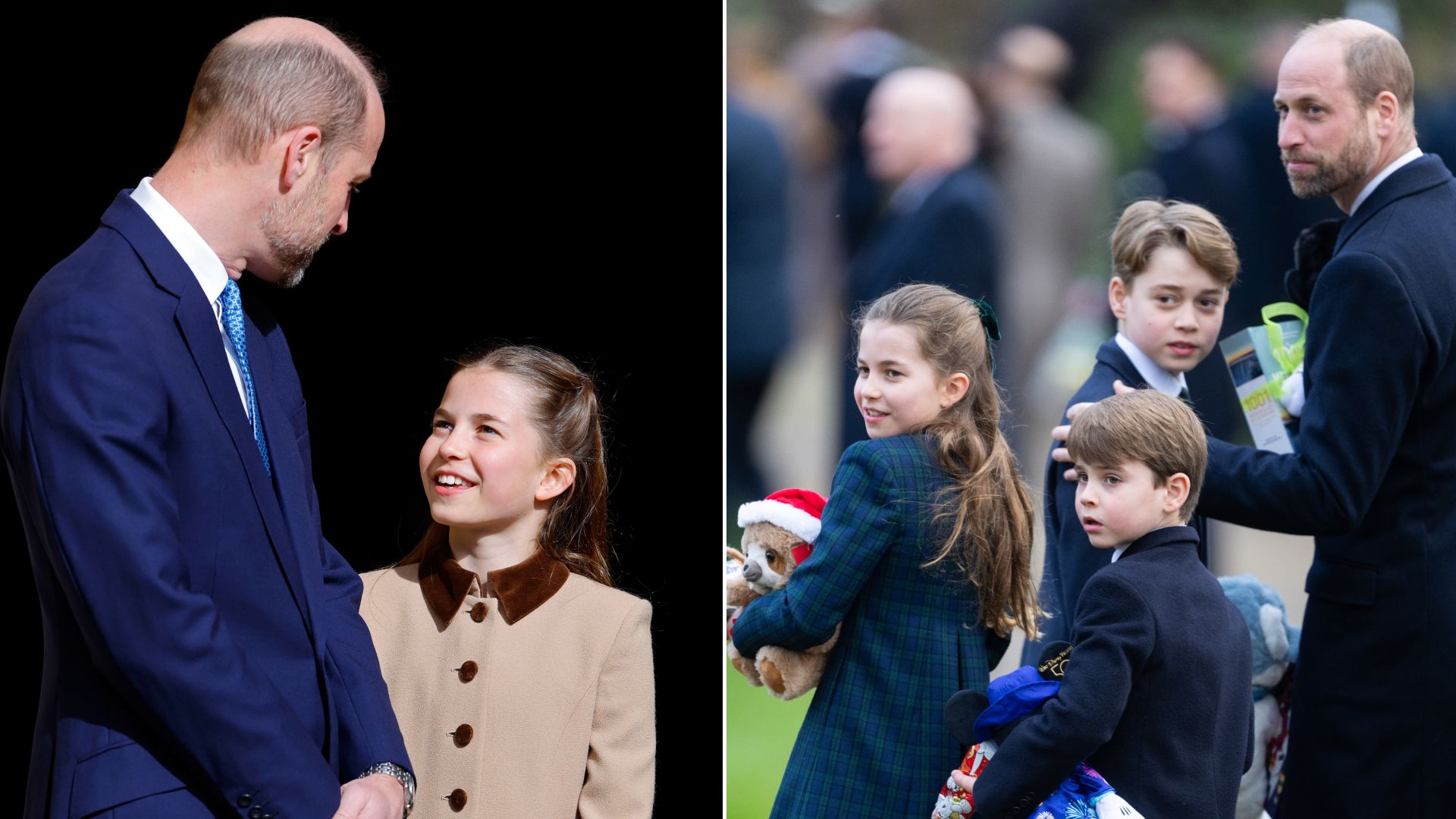
At the core of the controversy is the concept of the "slimmed-down monarchy," a strategy initially envisioned by King Charles III to reduce the financial burden on British taxpayers and project a more efficient, modern institution. Under this model, the operational weight of royal engagements, patronages, and diplomatic duties would be concentrated among a very select group of senior royals. However, recent speculation building upon reports that Prince William intends to strip titles from non-working royals suggests that this policy might eventually encompass Princess Charlotte and Prince Louis. If the younger siblings opt out of official public service to pursue private careers—such as Charlotte’s rumored artistic inclinations—the pool of active, working members of the British royal family could shrink to an unprecedented and potentially unsustainable degree.
The Architectural Shift Toward a Skeletal Firm
To understand the gravity of these concerns, one must examine the current demographic reality of the working British Royal Family. For decades, the institution relied on a broad base of extended family members—including the siblings and cousins of the monarch—to shoulder the thousands of annual engagements required to maintain the Crown’s visibility across the United Kingdom and the Commonwealth realms. However, the departures of the Duke and Duchess of Sussex, the retirement of the Duke of York, and the natural passage of time have drastically reduced that active roster.
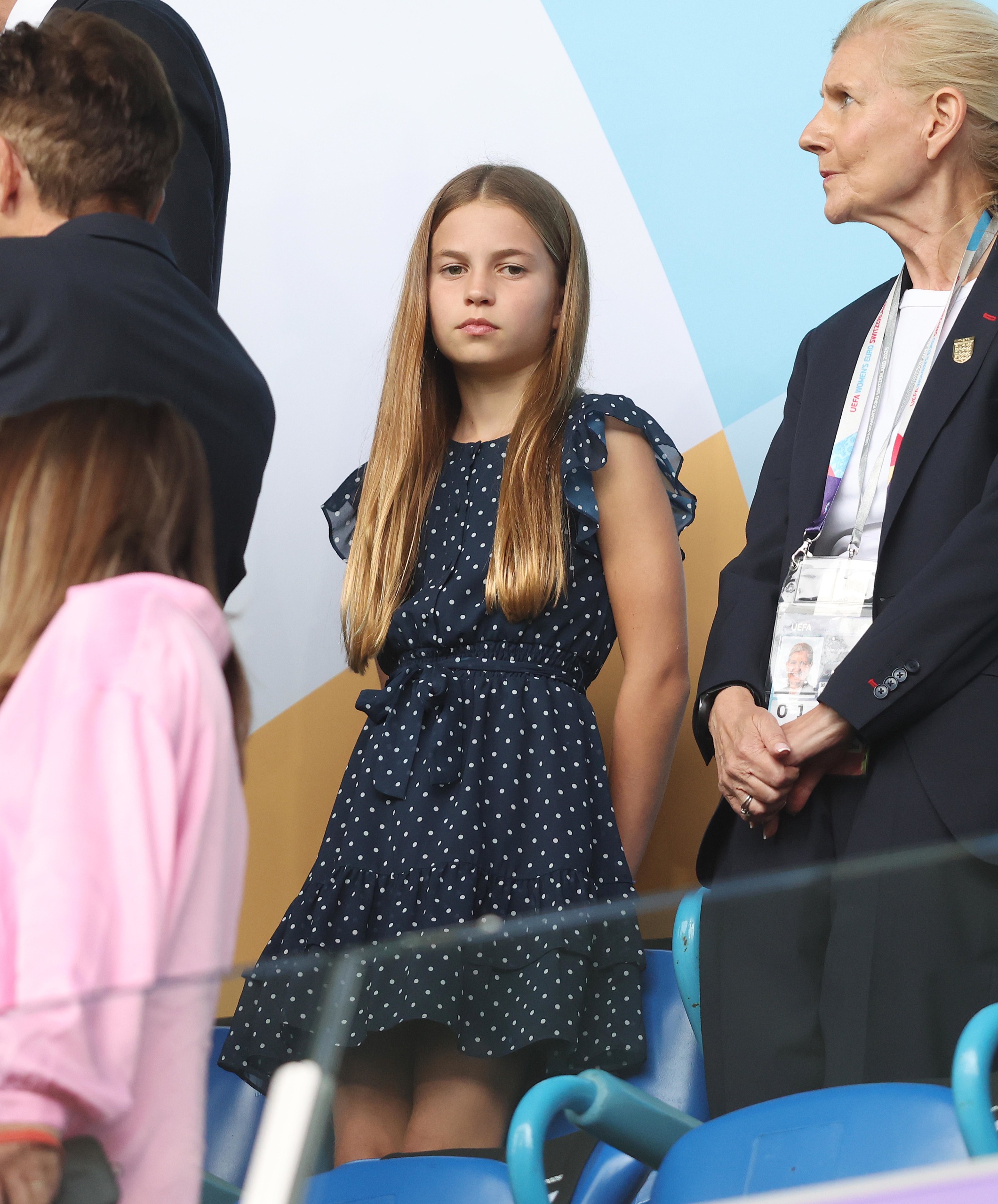
In the future envisioned by critics of the ultra-slim model, the active core of the monarchy could be reduced essentially to Prince William, Princess Catherine, and their eldest son, Prince George. Speaking to the British press, royal expert Richard Fitzwilliams articulated the profound risks associated with such a skeletal operational framework. "The report which indicated that William would remove titles from non-working royals was enlarged to include speculation that this would extend to Charlotte and Louis should they not wish to take up royal duties," Fitzwilliams noted. He warned that if this scenario materializes, the institution would be dangerously undermanned, pointing out that with only two working royals under the age of sixty, the monarchy lacks the operational resilience required to absorb unexpected disruptions.
Historical Precedents and the Vulnerability of Modernization
The vulnerability of a stripped-back monarchy is not merely a theoretical concern; it has been vividly demonstrated in recent years. The simultaneous health crises faced by King Charles III and Catherine, Princess of Wales, plunged the palace into a period of acute strain, forcing remaining senior figures like Queen Camilla and Princess Anne to dramatically increase their workloads to maintain the institution’s public schedule.
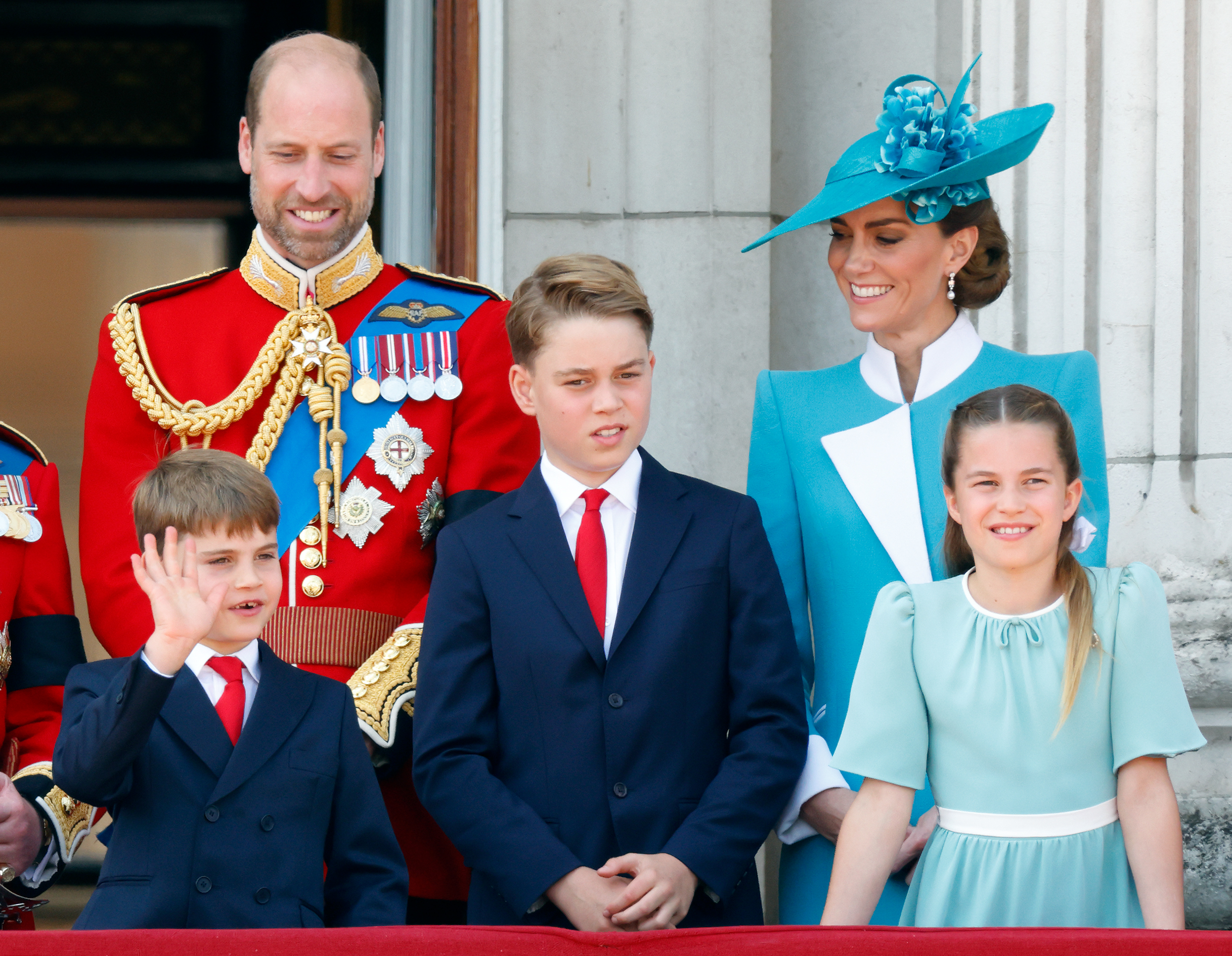
This convergence of medical leaves exposed the structural fragility inherent in relying on a tiny cohort of individuals to represent the Crown. If future generations—specifically Prince Louis and Princess Charlotte—are completely detached from official duties, the burden on the direct heirs becomes nearly absolute. Fitzwilliams emphasized this point, observing that "we have already seen how illness can affect two senior members of the Royal Family at the same time. Yet it could happen again. William will not take this chance," though critics argue that the structural trajectory of his policies points precisely toward a high-risk, low-headcount institution.
Furthermore, if Charlotte and Louis choose independent professional lives, they and their prospective families would occupy a unique and potentially awkward space within the extended family matrix. Operating effectively as private citizens while retaining high-profile titles creates a distinct set of public relations and constitutional challenges, echoing previous debates over the boundaries between private enterprise and royal status.
Balancing Parental Ambitions with Institutional Demands
Prince William’s parenting philosophy appears deeply influenced by his own experiences and those of his brother, Prince Harry, within the traditional royal apparatus. Raising children under the intense glare of the global media while preparing them for a life of service presents a formidable psychological challenge. By encouraging Prince George, Princess Charlotte, and Prince Louis to explore their individual talents—such as Charlotte’s reported aptitude for the performing arts—William and Catherine are signaling a modern, empathetic approach to child-rearing that prioritizes individual well-being over rigid dynastic obligation.
Yet, this progressive stance creates an inherent tension with the demands of an ancient institution that derives its authority and public utility from physical presence and ceremonial continuity. The British public has historically expected visible, accessible representation from members of the royal family. A reduction in working royals directly correlates with a reduction in the number of charities supported, communities visited, and international diplomatic missions fulfilled by the Crown.
Economic Efficiency Versus Operational Capacity
Proponents of the slimmed-down monarchy frequently cite financial prudence as a primary justification. Maintaining numerous royal households, security details, and official residences places a noticeable demand on the Sovereign Grant and the taxpayer-funded security apparatus. A compact core naturally results in a much lower cost profile for the state, neutralizing frequent republican arguments regarding the extravagance of the civil list and royal expenditures.
Nevertheless, financial savings must be weighed against institutional longevity. A monarchy that becomes too small risks losing its deep-rooted connection to the diverse fabric of British society. Engagement-heavy patronage networks are the primary mechanism through which the House of Windsor justifies its constitutional position in a modern parliamentary democracy. If the institution lacks the personnel to maintain these connections, its cultural and political relevance could erode over time, potentially accelerating broader debates regarding the future of the state itself.
Strategic Outlook and Future Adjustments
As the debate intensifies, palace observers suggest that any definitive restructuring of titles and duties will likely be handled with considerable pragmatism rather than rigid adherence to a sweeping manifesto. Prince William, acutely aware of the pitfalls that befell previous generations, is expected to evaluate the needs of the monarchy through the lens of stability and public trust.
Whether Princess Charlotte ultimately steps into a formal royal role or carves out a completely independent career in the private sector, the decisions made by the Prince and Princess of Wales regarding their children will permanently alter the trajectory of the British crown. The challenge ahead lies in striking a delicate equilibrium: modernizing the institution to accommodate individual freedoms and economic realities, while preserving sufficient human resources to ensure the survival and resilience of the world’s most famous monarchy.