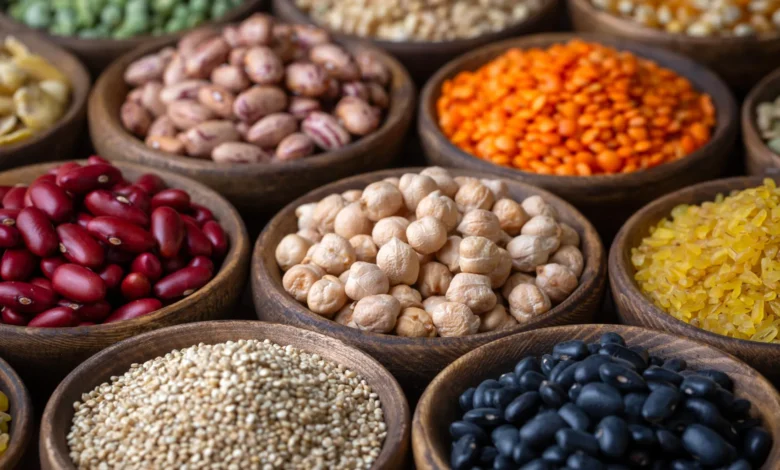
A comprehensive meta-analysis of multiple international studies has unveiled a compelling link between regular consumption of legumes and soy-based foods and a significantly reduced risk of developing high blood pressure, also known as hypertension. The findings, published in the esteemed open-access journal BMJ Nutrition Prevention & Health, suggest that incorporating these nutrient-rich plant-based staples into one’s diet could serve as a powerful dietary strategy for combating a growing global health crisis.
The research, which synthesized data from numerous long-term observational studies conducted across the United States, Europe, and Asia, indicates that individuals who consistently include foods such as beans, lentils, chickpeas, tofu, edamame, and soy milk in their meals are less likely to be diagnosed with hypertension. This large-scale review provides robust evidence to bolster previous, albeit sometimes inconsistent, findings on the cardiovascular benefits of legumes and soy.
Unpacking the Evidence: A Global Review
The study’s strength lies in its extensive scope, drawing upon data from ten published papers that encompass twelve longitudinal observational studies. These studies collectively represent a diverse population, with research originating from the United States (five studies), various Asian countries including China, Iran, South Korea, and Japan (five studies), and two European nations, France and the United Kingdom. The inclusion of data from such varied geographical and cultural contexts enhances the generalizability of the findings.
Across these studies, the participation numbers varied significantly, ranging from 1,152 to an impressive 88,475 individuals. The scope of hypertension cases analyzed was also substantial, spanning from 144 to over 35,000 reported instances. The research predominantly included both men and women (nine studies), with two studies focusing exclusively on women and one on men, further contributing to a comprehensive understanding of the dietary impact across different demographics.
The researchers meticulously reviewed studies published up to June 2025, aiming to consolidate the most current and relevant evidence. This systematic approach was crucial in addressing the historical inconsistency in previous research that linked legumes and soy to better heart health overall but lacked definitive conclusions regarding their specific impact on blood pressure.
Quantifying the Protective Effect: Dose Makes the Difference
The meta-analysis revealed a clear dose-response relationship, meaning that the more legumes and soy foods participants consumed, the lower their risk of developing hypertension. Individuals who reported the highest intake of legumes were found to be 16% less likely to develop high blood pressure compared to those with the lowest consumption levels. The protective effect was even more pronounced for soy foods, with a risk reduction of 19% observed in the highest intake group.
Delving deeper into the optimal intake levels, the researchers identified specific quantities that appeared to yield the most significant benefits. For legumes, the risk reduction increased steadily with consumption, reaching approximately 30% at an intake of around 170 grams per day. This quantity is roughly equivalent to one cup or five to six tablespoons of cooked beans, peas, lentils, or chickpeas, or a palm-sized serving of tofu.
With soy foods, the most substantial benefits were observed at daily intakes between 60 and 80 grams. Within this range, the risk of developing hypertension was lowered by roughly 28% to 29%. Importantly, the analysis indicated that increasing soy consumption beyond this optimal window did not appear to confer additional protective advantages, suggesting a potential biological plateau. For reference, 100 grams of soy foods can be equivalent to a cup of soy milk or a similar portion size of other soy products like edamame.
Biological Mechanisms: Why Legumes and Soy Might Work
The researchers, employing the World Cancer Research Fund’s evidence grading criteria, concluded that the evidence strongly suggests a probable causal relationship between higher consumption of legumes and soy foods and a reduced risk of hypertension. Several biologically plausible mechanisms underpin these findings.
Firstly, legumes and soy foods are nutritional powerhouses, rich in essential minerals known to support healthy blood pressure regulation, including potassium and magnesium. Potassium, in particular, plays a crucial role in counteracting the effects of sodium, helping to relax blood vessel walls and lower blood pressure. Magnesium is also vital for vascular function and can contribute to improved blood pressure control.
Secondly, these plant-based foods are excellent sources of dietary fiber, particularly soluble fiber. Emerging research highlights the role of gut microbiota in cardiovascular health. Soluble fiber from legumes and soy can be fermented by beneficial gut bacteria, producing short-chain fatty acids (SCFAs). These SCFAs are thought to exert their protective effects by promoting the relaxation and widening of blood vessels, thereby facilitating better blood flow and reducing pressure.
Furthermore, soy foods contain isoflavones, a class of plant compounds known as phytoestrogens. Isoflavones have been investigated for their potential to influence various physiological processes, including cardiovascular health. Some studies suggest that isoflavones may contribute to lower blood pressure levels through their antioxidant and anti-inflammatory properties, as well as their potential to improve endothelial function, which is the health of the inner lining of blood vessels.
Addressing Limitations and Public Health Implications
While the findings are robust and encouraging, the authors of the meta-analysis thoughtfully acknowledge several limitations inherent in such large-scale reviews. The included studies exhibited considerable variation in the specific types of legumes and soy products consumed, their preparation methods, and the overall dietary patterns of participants. Definitions of high blood pressure also differed across studies, potentially influencing the comparability of results. Intake levels of legumes and soy varied significantly, as did the prevalence of hypertension within the participant groups.
Despite these acknowledged limitations, the researchers emphasize the significant public health implications of their findings, especially in light of the "alarming global increase in hypertension prevalence." Hypertension is a leading risk factor for cardiovascular diseases, stroke, and kidney disease, imposing a substantial burden on individuals and healthcare systems worldwide.
The study also highlights a concerning disparity in legume consumption. Average intake across Europe and the UK, for instance, remains significantly below recommended levels. Current estimates suggest daily averages of only 8-15 grams, falling far short of the 65 to 100 grams per day recommended for overall cardiovascular health. This stark contrast underscores the immense potential for dietary interventions to improve population health in these regions.
The researchers concluded their analysis with a call for further investigation, stating, "Although further large-scale cohorts are needed for confirmation, these findings provide further evidence in support of dietary recommendations to the public to prioritize and integrate legumes and soy foods as healthy protein sources in the diet."
Expert Endorsements and Future Directions
The study’s conclusions have been met with positive reception from experts in the field of nutrition and public health. Professor Sumantra Ray, Chief Scientist and Executive Director of the NNEdPro Global Institute for Food, Nutrition and Health, which co-owns BMJ Nutrition Prevention & Health, underscored the significance of the research.
"This research strengthens the evidence base for the cardioprotective benefits of plant-based diets," Professor Ray commented. "The authors have significantly added to the case for using legumes and soy as primary dietary strategies to mitigate the global burden of hypertension."
Professor Ray also lauded the study’s dose-response analysis, which he believes provides valuable insights for the development of practical intake targets that could be integrated into dietary guidelines and clinical care protocols. This aspect of the research is crucial for translating scientific findings into actionable public health recommendations.
However, Professor Ray also offered a note of caution, highlighting the need for continued research. He pointed out that unmeasured factors could have potentially influenced the study’s outcomes, a common caveat in observational research. Additionally, the observed plateau in the benefits of soy consumption beyond 60-80 grams per day warrants further investigation. "It remains unclear if this reflects a true biological limit or is a byproduct of the smaller number of studies available for analysis," he stated, emphasizing the need for more extensive research to fully understand these nuances.
The Broader Impact: Shifting Dietary Paradigms
The implications of this meta-analysis extend beyond individual dietary choices; they have the potential to influence public health policy and food industry practices. As the global population grapples with rising rates of chronic diseases, including hypertension, a growing emphasis on evidence-based dietary interventions is crucial.
Legumes and soy foods offer a sustainable, affordable, and nutrient-dense alternative to animal-based protein sources, aligning with broader trends towards plant-forward diets. Their potential to reduce the risk of a major cardiovascular disease precursor like hypertension makes them invaluable components of a healthy eating pattern.
The findings also provide a strong scientific foundation for public health campaigns aimed at increasing the consumption of these foods. Educational initiatives that highlight the specific benefits and provide practical guidance on incorporating legumes and soy into daily meals could empower individuals to make healthier choices.
Furthermore, this research may encourage food manufacturers to develop and promote more legume and soy-based products, potentially making these healthier options more accessible and appealing to a wider consumer base. As the scientific evidence continues to mount, the role of legumes and soy in promoting cardiovascular health is becoming increasingly undeniable, paving the way for a future where plant-based nutrition plays a central role in preventing and managing chronic diseases. The ongoing exploration of their multifaceted health benefits promises to further solidify their position as essential components of a global healthy diet.
Related posts: