Methane and the Climate Crisis: A Comprehensive Guide to the Potency Sources and Solutions for Global Warming Mitigation

Methane is a colorless, odorless hydrocarbon that serves as the primary component of natural gas and represents the second most significant driver of the global climate crisis, trailing only carbon dioxide (CO2). While CO2 remains the most abundant greenhouse gas emitted by human activity, methane (CH4) possesses a heat-trapping potency that is significantly higher over shorter timeframes. Composed of one carbon atom and four hydrogen atoms, methane is currently responsible for approximately one-third of net global warming. As international climate targets like the 1.5-degree Celsius limit set by the Paris Agreement come under increasing pressure, the management of methane emissions has emerged as a critical focal point for scientists, policymakers, and industry leaders.
The Scientific Profile and Measurement of Methane
Methane is produced through both geological and biological processes. Geologically, it forms over millions of years as heat and pressure act on organic matter trapped deep underground—the primary source of the natural gas used for electricity and heating today. Biologically, methane is a byproduct of methanogenesis, a form of anaerobic respiration conducted by microorganisms known as archaea. These microbes thrive in oxygen-poor environments, such as the digestive tracts of ruminant animals, waterlogged rice paddies, and the depths of wetlands.

Historically, measuring these emissions was a challenge of estimation, but modern technology has revolutionized the field. Scientists utilize two primary methodologies: "bottom-up" and "top-down" assessments. Bottom-up methods involve ground-level measurements at specific facilities or calculations based on activity levels, such as multiplying the number of cattle in a region by the average methane output per cow. Conversely, top-down methods utilize aerial surveys and satellite technology to measure atmospheric concentrations.
The advent of satellite monitoring, including missions by GHGSat and the Environmental Defense Fund’s MethaneSAT, has revealed a significant "implementation gap" in reporting. Recent studies indicate that direct measurements of U.S. oil and gas methane emissions are often 60% higher than estimates provided by the Environmental Protection Agency (EPA). Satellites have also identified "super-emitters"—specific facilities or leaks responsible for massive plumes of gas. In one instance in Turkmenistan, a single leak spewed 427 metric tons of methane per hour, an amount equivalent to the hourly emissions of the entire nation of France.
A Chronology of Atmospheric Methane Growth
The trajectory of methane in the Earth’s atmosphere shows a stark escalation coinciding with the Industrial Revolution.

- Pre-Industrial Era: Atmospheric methane levels remained relatively stable for centuries, hovering around 700 parts per billion (ppb).
- 20th Century: Levels began to climb steadily as industrial agriculture, coal mining, and oil extraction expanded.
- 2000–2007: Methane concentrations reached a temporary plateau, the reasons for which are still debated by scientists.
- 2007–Present: Concentrations resumed a rapid ascent. By 2023, methane levels reached a record 1,934 ppb, a 265% increase over pre-industrial levels.
- 2021: At the COP26 summit in Glasgow, the Global Methane Pledge was launched, with signatories aiming to reduce emissions by 30% by 2030.
- 2024: Despite global pledges, the International Energy Agency (IEA) reported that methane emissions from the energy sector remained near record highs, exceeding 120 million metric tons.
Primary Sources: Agriculture, Energy, and Waste
Human activity accounts for roughly 60% of global methane emissions, with the remaining 40% originating from natural sources like wetlands.
The Agricultural Sector
Agriculture is the leading contributor of human-caused methane, responsible for approximately 40% of emissions. The majority stems from enteric fermentation in livestock, particularly cattle, sheep, and goats. As these animals digest fibrous plants, archaea in their stomachs produce methane, which is then released primarily through burping. Additionally, rice cultivation contributes about 8% of human-caused emissions; the flooded fields required for rice growth create the perfect anaerobic environment for methane-producing microbes.
The Fossil Fuel Industry
The extraction and transport of coal, oil, and gas account for 35% of human-caused methane. In the oil and gas sector, methane is often released intentionally through "venting" or "flaring" (burning off excess gas) and unintentionally through leaks in pipelines and storage tanks. Coal mining also releases "coal bed methane" trapped within rock layers. Underground mines are particularly problematic, accounting for 70% of all mining-related methane emissions.

Waste Management
Landfills and wastewater treatment systems contribute 20% of emissions. As organic waste—such as food scraps and paper—decomposes in the oxygen-starved environment of a landfill, it produces significant quantities of "landfill gas," which is roughly 50% methane. With global solid waste production expected to rise by 73% by 2050, this sector represents the fastest-growing source of methane.
The Potency Factor and Climate Feedback Loops
The urgency of addressing methane lies in its Global Warming Potential (GWP). While methane breaks down in the atmosphere in about 12 years—whereas CO2 can persist for centuries—it is far more effective at trapping heat while it exists. Over a 20-year period, methane is 86 times more potent than CO2 on a mass-for-mass basis. Over 100 years, that potency is still 28 times greater.
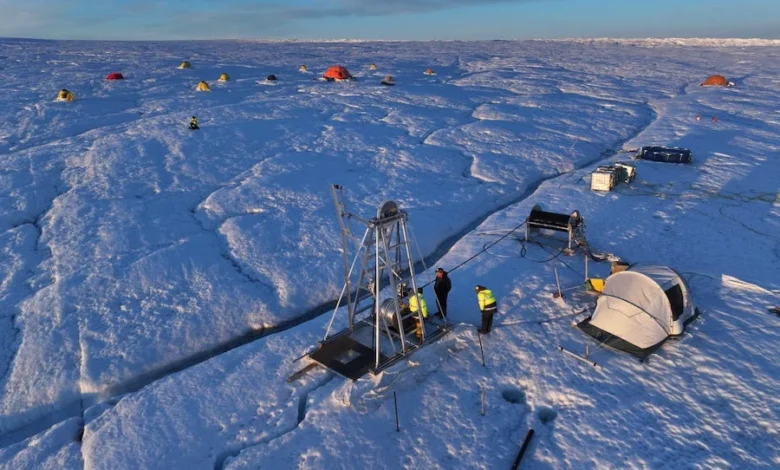
This potency triggers dangerous "positive feedback loops." For example, as the planet warms, Arctic permafrost begins to thaw. This frozen soil contains vast amounts of organic matter and trapped methane hydrates. When it thaws, microbes break down the organic matter, releasing more methane, which causes more warming and further thawing. Similarly, the "wetland methane feedback" occurs when rising temperatures and shifting rainfall patterns cause tropical wetlands to expand and emit methane at rates higher than previously modeled.

The "Bridge Fuel" Controversy and LNG Exports
For years, natural gas was marketed as a "bridge fuel" to a green energy future because it emits about half as much CO2 as coal when burned. However, recent data has challenged this narrative. Scientists have calculated that if as little as 0.2% of the methane leaks during the extraction and transport process, natural gas becomes as damaging to the climate as coal.
The expansion of Liquefied Natural Gas (LNG) exports has further complicated the issue. The United States became the world’s leading LNG exporter by 2022. While proponents argue that U.S. gas replaces dirtier coal in Asia and Europe, a 2023 study suggested that when the energy-intensive process of liquefying and shipping gas is considered, LNG could have a 33% greater global warming potential than coal over a 20-year horizon. Environmental advocates, such as Bill McKibben, warn that the massive build-out of LNG infrastructure could lock in decades of high emissions, undermining the goals of the Paris Agreement.
Public Health and Environmental Co-benefits
Reducing methane is not only a climate necessity but a public health imperative. Methane is a primary precursor to ground-level ozone (smog). Unlike the protective ozone layer in the stratosphere, ground-level ozone is a toxic air pollutant. It causes respiratory illnesses, exacerbates asthma, and is responsible for an estimated 500,000 premature deaths annually worldwide.

Furthermore, ozone is toxic to plants, inhibiting their ability to photosynthesize. This leads to significant agricultural losses. Experts estimate that every million metric tons of methane reduced could prevent the loss of 145,000 metric tons of vital crops like wheat, soybeans, and rice.
Mitigation Strategies and the Path Forward
The Intergovernmental Panel on Climate Change (IPCC) asserts that methane emissions must be cut by 34% by 2030 to keep the 1.5-degree Celsius goal alive. Several viable pathways exist:
- Technical Fixes in Energy: The IEA suggests that 70% of methane emissions from oil and gas could be eliminated using existing technology, such as Leak Detection and Repair (LDAR) programs. Notably, 40% of these reductions could be achieved at no net cost because the captured gas can be sold.
- Agricultural Innovation: Introducing additives like seaweed (Asparagopsis taxiformis) into cattle feed has been shown to reduce enteric methane by over 80%. In rice farming, "Alternate Wetting and Drying" (AWD) techniques can reduce emissions by 45% by periodically aerating the soil.
- Waste Diversion: Moving toward a circular economy by composting organic waste and capturing biogas from landfills can significantly blunt the impact of the waste sector.
- Nature-Based Solutions: Recent research has found that certain tree barks contain methanotrophs—microorganisms that consume methane—suggesting that reforestation could serve as a natural methane sink.
Broader Impact and Implications
The global community stands at a crossroads regarding methane regulation. While the Global Methane Pledge represents a significant diplomatic achievement, it remains a voluntary framework. As of 2023, only 13% of global methane emissions were covered by formal, binding national policies.

The implications of inaction are severe. If methane emissions continue to rise at the projected rate of 13% through 2030, the resulting warming could push the planet past critical tipping points, such as the irreversible collapse of polar ice sheets or the mass release of methane from the deep ocean. Conversely, because methane is short-lived, aggressive action today would yield a nearly immediate slowdown in the rate of global warming, providing the world with a crucial "buffer" as it works to decarbonize the more persistent CO2 emissions. The transition from viewing methane as an invisible byproduct to a primary target of climate policy is perhaps the most significant shift in environmental strategy of the 21st century.