Global Climate Extremes and the New Normal of Environmental Crisis: Wildfires Record Heat and the Path to Restoration

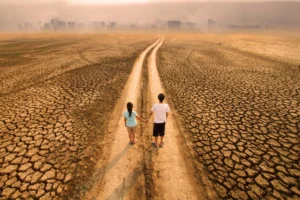
The acceleration of global climate change has reached a critical juncture as extreme weather events, once considered statistical outliers, are now being characterized by meteorologists and atmospheric scientists as the new normal. Throughout the summer of 2026, a series of devastating "firewaves" and record-breaking heatwaves have swept across the Northern Hemisphere, placing unprecedented strain on emergency services, public health infrastructure, and ecological stability. From the smoke-clogged skies of North America to the parched landscapes of Western Europe, the immediate physical manifestations of a warming planet are becoming increasingly unavoidable for urban and rural populations alike. As international monitoring agencies release new data on mortality rates and deforestation trends, a complex picture emerges of a world struggling to adapt to a rapidly shifting baseline while simultaneously seeking innovative ways to foster public engagement and environmental advocacy.
The Global Firewave: Wildfires and Atmospheric Disruptions
The summer of 2026 has been defined by the emergence of the "firewave," a phenomenon characterized by persistent, high-intensity wildfire activity driven by prolonged heat and atmospheric instability. In France, the iconic Fontainebleau forest near Paris became the site of a major containment operation. To combat the blaze, French authorities deployed specialized water-dumping aircraft that utilized the River Seine as a resource for rapid refills, a logistical feat highlighting the proximity of the climate crisis to major metropolitan centers. According to reports from the Associated Press, these efforts were essential in preventing the fire from encroaching further into populated suburban areas, though the ecological damage to the historic forest remains significant.
Simultaneously, the United Kingdom has faced its own domestic fire crisis. The Financial Times reported that the country experienced 25 non-consecutive days with temperatures exceeding 30°C, including a grueling nine-day stretch where temperatures surpassed 34°C. This persistent heat created a "firewave" effect that overwhelmed regional fire and rescue services. The dry conditions transformed typically damp British moorlands and grasslands into tinderboxes, leading to a surge in call-outs and highlighting the UK’s lack of preparedness for Mediterranean-style wildfire seasons.
In North America, the scale of the crisis was visible from space. An intense "orange haze" resulting from massive wildfires in Canada drifted southward, blanketing Ontario and the northern United States in thick, toxic smoke. BBC News documented the severe air quality alerts issued across several states, as particulate matter reached levels hazardous to human health. The visual impact of the orange-tinted sky served as a stark reminder of how environmental disasters in one region can have immediate, tangible consequences thousands of miles away, crossing international borders with ease.
The Met Office Report: Defining the New Normal
The UK Met Office recently released a comprehensive report on the nation’s climate, confirming what many scientists have feared: the extreme weather events of the past several years are no longer anomalies but represent a fundamental shift in the regional climate. While 2025 was recorded as the UK’s hottest year on record, the Met Office projects that this milestone will likely be surpassed multiple times within the next decade.
Liz Bentley, head of the Royal Meteorological Society, emphasized in an interview with the Guardian that the theoretical projections of climate change are now being lived as reality. "Climate change has been described by scientists for many years but is now increasingly being felt by the UK population in their own homes and communities," Bentley stated. The transition from abstract scientific modeling to lived experience has shifted the public discourse from mitigation to a dual focus on mitigation and urgent adaptation.
Reuters reported that the rising temperatures are not merely a matter of comfort but are fundamentally altering the UK’s agricultural cycles, water management strategies, and infrastructure requirements. The "new normal" implies that the emergency protocols previously reserved for once-in-a-generation heatwaves must now be integrated into standard annual planning.
Attribution Science and Heat-Related Mortality
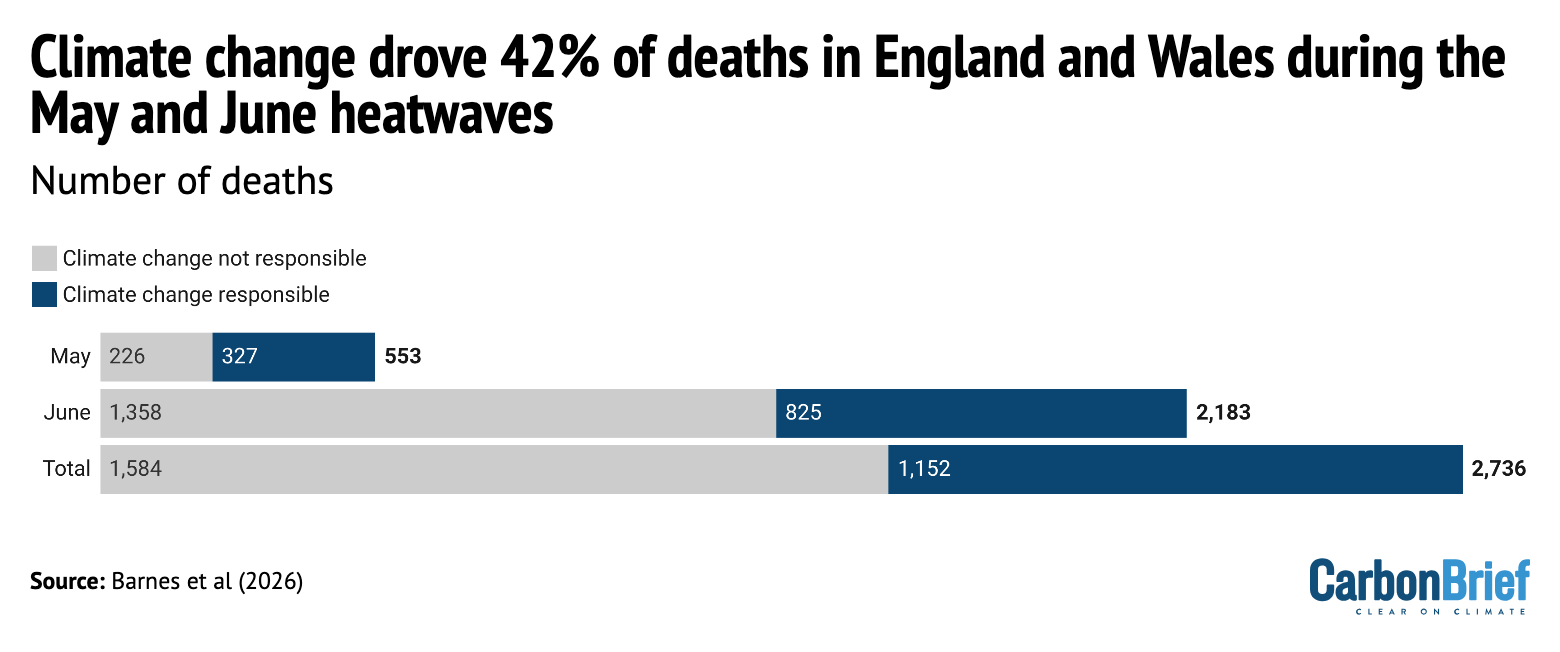
One of the most sobering aspects of the current climate crisis is the direct link between rising temperatures and human mortality. Carbon Brief recently published an analysis of heat-related deaths in England and Wales during the May and June heatwaves of 2026. The findings indicate that over 1,000 deaths during this period were directly attributable to climate change.
Using advanced attribution science—a field that calculates the likelihood and intensity of specific weather events in a world with human-induced warming versus a world without it—researchers determined that climate change drove 42% of all heat-related deaths during those two months. This data underscores the fact that global warming is not a future threat but a current public health emergency. The analysis also unpacked the various methodologies used globally to estimate heat deaths, noting that many regions likely undercount mortality by failing to account for the indirect strain heat places on cardiovascular and respiratory systems.
Progress in the Amazon: A Shift in Deforestation Trends
While the Northern Hemisphere grapples with heat and fire, the Southern Hemisphere has provided a rare glimmer of hope regarding carbon sequestration and biodiversity protection. Reports from Al Jazeera indicate that deforestation in the Brazilian Amazon fell by 38% in the first half of 2026 compared to the same period in the previous year.
This significant decline is largely attributed to the policy shifts under the administration of President Luiz Inácio Lula da Silva, who has prioritized environmental enforcement and the protection of Indigenous territories. This represents the lowest level of deforestation in the region in over a decade. The reduction is a critical component of global efforts to maintain the Amazon as a carbon sink rather than a carbon source. However, experts warn that these gains are fragile and require sustained international support and economic alternatives for local populations to remain permanent.
Engaging the Public: The Natural History Museum’s Role
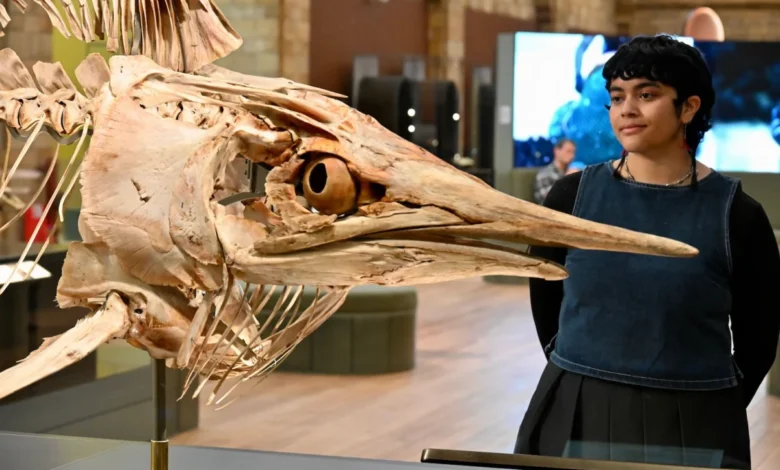
As the scientific data becomes increasingly dire, institutions of public education are rethinking how they communicate the climate crisis. London’s Natural History Museum (NHM) has launched its first permanent climate-themed exhibition, titled Fixing Our Broken Planet.
In an interview with Carbon Brief, Meaghan Macdonald, the museum’s senior project and programme manager, explained that the exhibition aims to move beyond "doomism" to foster a sense of agency. "One of the main things we’re trying to achieve… is to place the museum as a convener of conversations around the planetary emergency," Macdonald said. The gallery is designed to engage visitors who may not have intentionally sought out climate information, using the museum’s trusted status to bridge the gap between scientific data and public understanding.
The exhibition features interactive elements, such as "conversation starters" that ask visitors to weigh in on complex dilemmas like deep-sea mining for green energy components. By showcasing the work of NHM scientists, the museum leverages high levels of public trust in scientific professionals to build what they call "advocates for the planet." This strategy extends globally, with graphic panel versions of the display traveling as far as Bangalore, India, and initiatives like the National Education Nature Park aimed at integrating climate literacy into the UK school system.
Accountability and Historical Context
The current crisis is not without its political and historical complexities. New research published by the Center for International Environmental Law (CIEL) and reported by Climate Home News suggests that major emitting countries were aware of the catastrophic risks of climate change decades earlier than they have publicly admitted.
The study explores historical documents indicating that government agencies and industrial bodies in high-emitting nations had a sophisticated understanding of the greenhouse effect as early as the mid-20th century. This research adds weight to the growing movement for climate justice and loss and damage compensation, as developing nations—often the hardest hit by climate extremes—argue that those who knowingly contributed to the crisis bear a greater financial and moral responsibility for its consequences.
The Path Ahead: Worst-Case Scenarios and the El Niño Factor
Looking toward the immediate future, climate scientists are urging the public and policymakers to prepare for even more extreme fluctuations. Professor Peter Stott, writing for the Conversation, argued that researchers must be more transparent about "worst-case scenarios." He suggests that by discussing the full range of possibilities, including the most severe projections, society can better prepare for the scale of action required.
Furthermore, the influence of a potential "Godzilla" El Niño event remains a primary concern for meteorologists. In a recent discussion on Vox’s The Gray Area podcast, journalist David Wallace-Wells noted that the cyclical warming of the Pacific Ocean could supercharge existing global warming trends, leading to unprecedented temperature spikes and further destabilizing global weather patterns.
Conclusion: A Call for Systemic Adaptation
The events of 2026 serve as a definitive marker of the era of climate consequences. The synchronization of wildfires across continents, the quantification of climate-driven mortality, and the historical revelations of state knowledge all point toward a singular conclusion: the "new normal" requires more than just incremental change. It demands a fundamental restructuring of how societies interact with the natural world, from the protection of vital rainforests to the redesign of urban cooling systems and the honesty of historical accountability. As the Natural History Museum’s exhibition suggests, the goal is no longer just to observe the changing planet, but to actively participate in "fixing" it through informed advocacy and systemic transformation.