Methane, a colorless and odorless hydrocarbon, has emerged as one of the most critical variables in the global effort to stabilize the Earth’s climate. While carbon dioxide (CO2) often dominates the conversation regarding greenhouse gas emissions, methane (CH4) is responsible for approximately one-third of current global heating. As the primary component of natural gas, which generates roughly 25 percent of the world’s electricity, methane is inextricably linked to the modern energy infrastructure. However, its potency as a climate-forcing agent—trapping 86 times more heat than CO2 over a 20-year period—makes its mitigation the most immediate lever available to policymakers to prevent the breach of critical tipping points.
Understanding the Chemical and Biological Origins of Methane
Methane is a simple hydrocarbon composed of one carbon atom bonded to four hydrogen atoms. In the natural world, it is produced through two primary pathways: geological and biological. Geologically, methane is formed deep underground over millions of years as intense heat and pressure act upon decomposing organic matter, creating the fossil fuel deposits currently extracted by the oil and gas industry.

Biologically, methane is a byproduct of methanogenesis, an anaerobic respiration process carried out by microorganisms known as archaea. These microbes thrive in oxygen-free environments, such as the waterlogged soils of wetlands, the digestive tracts of ruminant animals like cows and sheep, and the depths of landfills. This biological process accounts for the methane found in "cow burps" and the bubbling gases of marshes. While natural sinks—primarily soil and the troposphere—historically balanced these emissions, human industrial and agricultural activity has disrupted this equilibrium.
The Evolution of Measurement: From Ground Estimates to Satellite Surveillance
Accurately quantifying methane emissions has historically been a challenge for climate scientists. Two primary methodologies are employed: the "bottom-up" and "top-down" approaches.
The bottom-up method relies on ground-level data and statistical modeling. For instance, researchers estimate emissions from the dairy sector by multiplying the average methane produced per cow by the total population of cattle in a region. Similarly, gas companies estimate leaks based on the age and type of equipment used. However, this method frequently underestimates the reality of "super-emitters"—specific facilities or incidents responsible for disproportionate amounts of leakage.

The top-down approach utilizes atmospheric measurements taken from airplanes, high-altitude drones, and increasingly, sophisticated satellite arrays. Recent data from satellites has revealed a significant "implementation gap" in reporting. A landmark study found that direct measurements of U.S. oil and gas methane emissions were 60 percent higher than estimates provided by the Environmental Protection Agency (EPA). In 2022 alone, satellite imaging detected over 1,000 super-emitter events, including a massive leak in Turkmenistan that released 427 metric tons of methane per hour—an emission rate comparable to the total hourly output of the nation of France.
A Chronology of Rising Concentrations and the Global Response
The trajectory of atmospheric methane reflects the acceleration of the industrial era. Before the mid-18th century, methane levels remained relatively stable. However, since the Industrial Revolution, concentrations have surged by 265 percent.
- Pre-Industrial Era: Atmospheric methane levels were approximately 700 parts per billion (ppb).
- 2021: The United Kingdom and the United States launched the Global Methane Pledge at COP26 in Glasgow, aiming for a 30 percent reduction in global emissions by 2030.
- 2023: Methane concentrations reached a record 1,934 ppb. Despite international pledges, emissions from the fossil fuel sector remained stubbornly high, exceeding 120 million metric tons.
- 2024-2025: Enhanced satellite monitoring through initiatives like MethaneSAT has begun providing near real-time data to hold corporations and governments accountable for leaks.
Primary Anthropogenic Sources: Agriculture, Energy, and Waste
Human activity is responsible for approximately 60 percent of global methane emissions, categorized into three dominant sectors.

Agriculture (40% of Human-Caused Emissions)
Livestock production is the single largest source, primarily through enteric fermentation. As ruminants digest cellulose, archaea in their stomachs produce methane, which is released through belching. Additionally, the anaerobic decomposition of manure in storage lagoons contributes significantly. Rice cultivation, which involves flooding paddies and creating oxygen-poor environments, accounts for another 8 percent of human-caused methane.
Fossil Fuels (35% of Human-Caused Emissions)
Methane is a persistent byproduct of the coal, oil, and gas industries. In coal mining, methane trapped in coal seams is released during extraction or through ventilation systems designed to prevent underground explosions. In the oil and gas sector, emissions occur through "venting" (the intentional release of gas), "flaring" (the burning of excess gas), and accidental leaks throughout the vast network of pipelines and processing facilities.
Waste Management (20% of Human-Caused Emissions)
Landfills and wastewater treatment plants are concentrated hubs of methanogenesis. As organic waste—such as food scraps and paper—decomposes in the absence of oxygen, it generates "landfill gas." Without capture systems, this gas escapes directly into the atmosphere. Global solid waste volumes are projected to rise by 73 percent by 2050, threatening to exacerbate this source.

The "Bridge Fuel" Controversy and the LNG Expansion
For over a decade, natural gas was promoted as a "bridge fuel" that could facilitate the transition from coal to renewables. The argument was based on the fact that burning natural gas for electricity produces roughly half the CO2 of coal. However, this narrative has been increasingly scrutinized by climate scientists.
Recent research suggests that if as little as 0.2 percent of methane leaks during the extraction and transport of Liquefied Natural Gas (LNG), its total climate impact equals that of coal. A 2023 study concluded that when full-lifecycle leaks are considered, LNG may have a 33 percent greater global warming potential than coal over a 20-year horizon. The massive expansion of LNG export terminals in the U.S., Canada, and Australia risks locking in high methane emissions for decades, potentially canceling out the gains made by the deployment of solar and wind energy.
Environmental Feedback Loops and Tipping Points
Methane is a central player in "positive feedback loops," where initial warming triggers further emissions, creating a self-reinforcing cycle.

- Wetland Feedback: Rising temperatures and increased rainfall in tropical regions expand wetland areas, accelerating biological methane production.
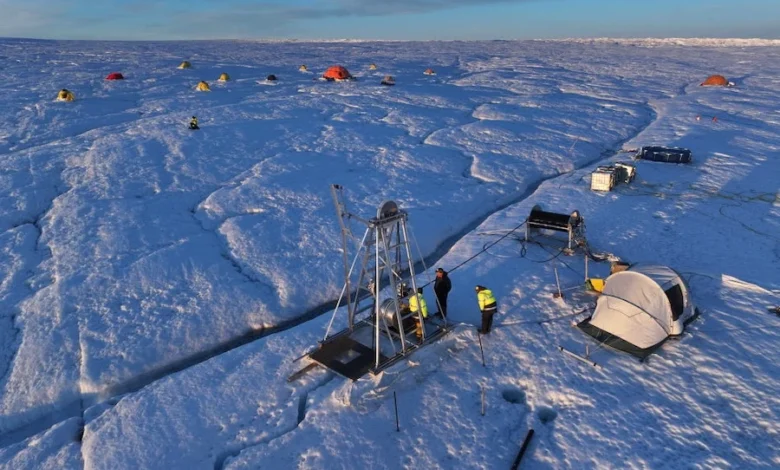
- Permafrost Thaw: The Arctic permafrost contains approximately 2.5 times more carbon than is currently in the atmosphere. As this frozen ground thaws, it releases both CO2 and methane. Arctic methane emissions have already increased by 9 percent since 2002.
- Wildfire Escalation: Warmer, drier climates increase the frequency of "mega-fires." These fires not only release stored carbon but also produce significant methane during the combustion of organic matter.
Public Health Implications: The Ozone Connection
Beyond its role in global heating, methane is a primary precursor to ground-level ozone (smog). Unlike the protective ozone layer in the stratosphere, ground-level ozone is a toxic air pollutant. It reacts with sunlight to damage lung tissue and reduce agricultural yields.
Methane-generated ozone is linked to approximately 500,000 premature deaths annually. Experts estimate that every million metric tons of methane reduced would prevent 1,430 heat-related and respiratory deaths and avoid the loss of 145,000 metric tons of essential crops like wheat and soy.
Mitigation Strategies and Technical Innovations
The Intergovernmental Panel on Climate Change (IPCC) asserts that methane emissions must be reduced by 34 percent by 2030 to limit warming to 1.5 degrees Celsius. Fortunately, many solutions are already cost-effective.

- In Agriculture: Introducing dietary supplements like 3-NOP or red seaweed (Asparagopsis taxiformis) into cattle feed can reduce enteric methane by up to 82 percent. In rice farming, "Alternative Wetting and Drying" (AWD) techniques can cut emissions by 45 percent by allowing paddies to oxygenate periodically.
- In Energy: The International Energy Agency (IEA) estimates that 40 percent of oil and gas methane emissions could be eliminated at no net cost by simply repairing leaks and upgrading old valves.
- In Waste: Diverting organic waste from landfills to industrial composting or anaerobic digesters can prevent methane formation while creating renewable biogas and fertilizers.
- Atmospheric Removal: Emerging "geoengineering" concepts, such as the use of iron salt aerosols to accelerate the natural breakdown of methane in the atmosphere, are under investigation, though they remain experimental and controversial.
Broader Impact and Global Outlook
The challenge of methane is both a technical hurdle and a political one. While the Global Methane Pledge represents a significant diplomatic milestone, the continued rise in atmospheric concentrations indicates that voluntary commitments have yet to translate into systemic change.
The transition away from a methane-heavy economy requires a multifaceted approach: rigorous satellite monitoring to eliminate super-emitters, a shift in global dietary patterns toward plant-based proteins, and a definitive move away from the expansion of fossil fuel infrastructure. Because methane persists in the atmosphere for only about 12 years—compared to the centuries-long lifespan of CO2—aggressive action today could result in a measurable cooling effect within a decade. This makes methane reduction not just a climate necessity, but the most potent tool available for immediate environmental stabilization.