FIFA Unveils Groundbreaking Super Bowl-Style Halftime Show for World Cup Final, Igniting Debate and Anticipation

The FIFA World Cup final is set to revolutionize its matchday experience with the introduction of a Super Bowl-style halftime show, marking a significant departure from traditional football tournament entertainment. This unprecedented spectacle, scheduled for Sunday, July 19, during the climactic clash between Spain and Argentina at the New York New Jersey Stadium, promises a star-studded lineup designed to captivate a global audience. The move, while celebrated by many as an enhancement to the tournament’s entertainment value, has simultaneously sparked considerable debate regarding its implications for the sport’s long-standing traditions and player welfare.
A Global Music Extravaganza Takes Center Stage
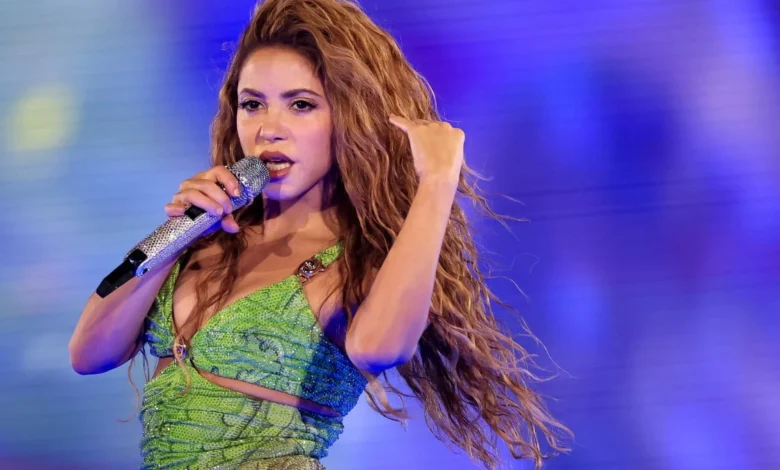
Headlining the inaugural halftime performance are a quartet of global music icons: pop superstar Justin Bieber, K-pop phenomenon BTS, the legendary Madonna, and Latin music sensation Shakira. This formidable combination alone guarantees a massive draw, reflecting FIFA’s ambition to fuse elite sporting competition with world-class musical entertainment. Beyond these marquee names, the lineup further boasts a diverse array of talent, including Nigerian Grammy winner Burna Boy, acclaimed Venezuelan conductor Gustavo Dudamel, and the heartwarming PS22 Chorus, famously featuring Coldplay. Adding a family-friendly touch, beloved characters from Sesame Street and The Muppets are also slated to appear, promising a multi-generational appeal. The entire creative direction for this ambitious production has been curated by Coldplay frontman Chris Martin, whose extensive experience in orchestrating large-scale musical events, including a memorable Super Bowl halftime show, positions him uniquely to deliver a truly unforgettable experience.
The decision to bring together such a diverse and globally recognized roster of artists underscores FIFA’s strategic intent to broaden the World Cup’s appeal beyond traditional football aficionados. Justin Bieber, with his immense following across North America and beyond, taps into a crucial demographic. BTS, a global sensation, brings the fervent energy of K-pop and an unparalleled fan base, particularly strong in Asia and among younger audiences. Madonna, an enduring icon, represents decades of musical influence and a cross-generational appeal. Shakira, with her powerful stage presence and history of World Cup anthem performances (most notably "Waka Waka" in 2010), brings an undeniable connection to the sport and its international spirit. Burna Boy’s inclusion highlights the growing global influence of African music, while Gustavo Dudamel adds a classical dimension, showcasing the breadth of musical artistry. The presence of Coldplay via the PS22 Chorus, and Chris Martin’s curation, further cements a high standard of production. This confluence of musical genres and cultural backgrounds is designed to create a mosaic of global entertainment, mirroring the diverse nations participating in the World Cup itself.
The Match and the Unconventional Halftime Timing
The highly anticipated World Cup final is scheduled to kick off on Sunday, July 19, at 3 p.m. ET. While the exact start time for the halftime show remains fluid, it is anticipated to commence sometime between 3:45 p.m. and 3:50 p.m. ET. This estimate assumes the match begins punctually and proceeds without significant delays. Unlike the meticulously timed breaks in American football, soccer’s first half concludes after 45 minutes of regulation play, invariably followed by several minutes of "stoppage time" added by the referee to compensate for interruptions. This inherent variability means that a precise, pre-scheduled start time for the performance is not feasible. Viewers whose primary interest lies in the musical spectacle are advised to tune in slightly before 3:45 p.m. ET to avoid missing the show’s opening moments.
The performance itself is slated to run for an intense 11 minutes. However, the full halftime interval for the final is reportedly being extended significantly beyond the standard 15 minutes. Broadcasters and event organizers are preparing for a break that could stretch to as long as 30 minutes. This extended duration is necessitated by the complex logistical requirements of constructing and subsequently dismantling a large-scale performance stage on the pitch, a process that demands considerable time and coordination from production crews. This logistical challenge inherently introduces a new dynamic to the World Cup final, diverging sharply from the sport’s established rhythm.
A Departure from Tradition: The Extended Halftime Controversy
The decision to extend the halftime interval to accommodate this Super Bowl-style show has not been met with universal acclaim, particularly within traditional football circles. The sport’s rulemaking body, the International Football Association Board (IFAB), has historically maintained a strict 15-minute limit for halftime breaks. This rule is not arbitrary; it is rooted in fundamental concerns for player welfare and the integrity of the game. Extended periods of inactivity, particularly after 45 minutes of intense physical exertion, pose several risks to athletes. Players can cool down rapidly, leading to stiff muscles, increased susceptibility to injuries upon returning to play, and a potential disruption to their physiological readiness for the second half.
In 2021, IFAB notably rejected a proposal to extend halftime to 25 minutes, citing precisely these concerns. Their steadfast position on the 15-minute rule underscores a commitment to safeguarding players’ physical condition and ensuring that the sporting contest remains the paramount focus. The current decision by FIFA to override or circumvent this guideline for the World Cup final raises questions about the balance between entertainment spectacle and player well-being. Coaches, sports scientists, and player associations often emphasize the importance of consistent routines and optimal recovery periods during matches. An extended break could force teams to alter their halftime strategies, impacting tactical adjustments, player warm-up routines, and overall physical preparation for the second half. This deviation from established norms could introduce an unpredictable element into a match of such monumental importance.
The "Americanization" Debate: Fan and Expert Reactions
Beyond the technical concerns regarding player welfare, the extended halftime show has fueled a broader cultural debate among fans and pundits, particularly regarding the perceived "Americanization" of the World Cup. Critics argue that this move represents another step towards transforming football’s most prestigious tournament into an American-style television spectacle, where entertainment and commercial interests, including controversial ad breaks, threaten to overshadow the purity and tradition of the game itself.
The Super Bowl, while a massive sporting event, is equally renowned for its halftime show, its high-profile commercials, and its overall entertainment package that often competes with the game for attention. For many football purists, the World Cup has always stood apart, its appeal rooted in the continuous flow of play, the intensity of the competition, and a halftime interval that serves as a brief pause for tactical adjustments rather than a separate entertainment segment. The introduction of a lavish, lengthy performance is seen by some as an attempt to appeal to a broader, potentially less football-centric audience, at the expense of the sport’s historical identity.
Social media reactions, while not specifically available for direct quotation from the original source, generally reflect a polarized view. Many fans express excitement for the star-studded lineup and the added entertainment value, particularly those who appreciate the intersection of music and sport. However, a significant contingent voices concern, lamenting what they perceive as a commercial dilution of the beautiful game. Comments often revolve around fears that the game itself will become secondary to the "show," that the flow of the match will be disrupted, and that the unique global character of football is being sacrificed for a more generalized, American-influenced entertainment model. This tension between preserving tradition and embracing modern entertainment trends will undoubtedly be a central talking point surrounding Sunday’s final.
Global Reach and Comprehensive Broadcast Details
For audiences eager to witness both the historic final and its groundbreaking halftime show, comprehensive broadcast coverage will be available across multiple platforms. In the United States, English-language coverage of the entire World Cup final broadcast, including the halftime performance, will be provided by Fox. Viewers can tune in to the Fox linear channel, or stream the event live via Fox One and the Fox Sports app. Fox’s extensive pregame coverage is scheduled to commence at noon ET, three hours prior to the official kick-off, offering in-depth analysis and build-up to the highly anticipated match.
For Spanish-speaking audiences, Telemundo will offer live television coverage. Additionally, the final and its halftime spectacle will be available for streaming on Peacock. Subscribers to Peacock Premium and Peacock Premium Plus will have access to all 104 matches of the World Cup live in Spanish, ensuring they don’t miss any moment of the championship climax. Beyond the domestic options, Mashable’s comprehensive guide to watching the 2026 World Cup online for free also provides valuable tips and resources for international readers and those utilizing VPNs, ensuring global accessibility to this landmark event. The multi-platform, multi-language approach highlights FIFA’s efforts to maximize the reach of the final and its accompanying entertainment, reflecting the tournament’s truly global audience.
Beyond Entertainment: The FIFA Global Citizen Education Fund
The innovative halftime show is more than just a grand spectacle; it is also intrinsically linked to a significant philanthropic initiative: the FIFA Global Citizen Education Fund. This fund, established in partnership with Global Citizen, aims to raise a substantial $100 million to expand access to education and foster soccer programs for children in underserved communities around the world. The initiative underscores a commitment to leveraging the immense platform of the World Cup for positive social impact.
According to FIFA, the fund has already made significant progress, having raised over $50 million to date. A key component of this fundraising effort has been a direct contribution of $1 from every ticket sold throughout the tournament, illustrating a direct link between fan participation and charitable giving. The fund’s objectives are multifaceted, focusing on improving educational infrastructure, providing learning materials, and creating opportunities for children to engage with football as a tool for personal development, teamwork, and healthy living. By intertwining the entertainment of the halftime show with such a meaningful cause, FIFA and Global Citizen aim to demonstrate that major sporting events can serve as powerful catalysts for social change, aligning the excitement of the game with a broader humanitarian mission. The artists performing are also likely to be advocates for this cause, adding another layer of purpose to their involvement.
Implications for the Future of Football
The introduction of a Super Bowl-style halftime show at the World Cup final represents a watershed moment with potentially far-reaching implications for the future of football. On one hand, it signifies FIFA’s clear intention to further commercialize and globalize the sport, aiming to capture new audiences who may be drawn by the blend of elite athletics and mainstream entertainment. The success of this venture could pave the way for similar, even grander, entertainment spectacles at future World Cups and potentially other major football tournaments, fundamentally altering the traditional format of matchdays.
Commercially, the extended break and heightened entertainment quotient offer unprecedented opportunities for advertisers and sponsors. The Super Bowl halftime show is one of the most coveted advertising slots globally, and replicating this model could unlock significant new revenue streams for FIFA and its partners. This financial incentive is a powerful driver behind such innovations, promising increased broadcast rights values and sponsorship deals.
Culturally, the move sparks a critical discussion about the identity of football. While proponents argue that adapting to modern entertainment consumption habits is necessary for the sport’s continued growth, traditionalists worry about the erosion of the game’s unique character. Finding a balance between maintaining the sport’s integrity and embracing global entertainment trends will be a continuous challenge for football’s governing bodies.
From a sporting perspective, the extended halftime remains a point of contention. The IFAB’s historical stance on player welfare suggests that such changes should be carefully monitored. The long-term impact on player performance, injury rates, and team dynamics will need to be rigorously assessed. Should the extended break prove detrimental, it could lead to calls for reconsideration or specific adjustments in future tournaments. However, if managed effectively, and if players can adapt to the altered rhythm, it might become an accepted, albeit debated, part of the World Cup experience.
Historical Context of World Cup Ceremonies
While a Super Bowl-style halftime show is a novelty for the World Cup final, grand ceremonies are not entirely new to the tournament. Historically, World Cups have featured elaborate opening and closing ceremonies, typically held before the inaugural match and just prior to the final’s kickoff or immediately following its conclusion. These ceremonies have often celebrated the host nation’s culture, showcased local talent, and featured international musical acts.
For instance, the 2022 World Cup in Qatar featured a culturally rich opening ceremony with performances by artists like Jung Kook of BTS and Qatari singer Fahad Al Kubaisi. The 2018 Russia World Cup opening ceremony included Robbie Williams and Aida Garifullina. Shakira herself performed at the closing ceremonies of the 2006, 2010, and 2014 World Cups. These events have always served to infuse the tournament with a sense of global festivity and cultural exchange.
What makes the current announcement revolutionary is its specific placement: during halftime of the final match. This signifies a shift from peripheral celebrations to an integrated part of the match-day experience itself, directly interrupting the flow of the game to insert a major entertainment segment. This integration is what draws the direct comparison to the Super Bowl, elevating the entertainment component to an unprecedented level within the context of a World Cup match.
The 2026 World Cup Vision
The introduction of this amplified halftime show aligns seamlessly with the broader vision for the upcoming 2026 FIFA World Cup, which will be co-hosted by the United States, Canada, and Mexico. This tournament is set to be the largest in World Cup history, expanding to 48 teams and featuring matches across multiple cities in three countries. Such an expansive format naturally lends itself to a grander, more globally appealing entertainment package. The New York New Jersey Stadium (MetLife Stadium), a colossal venue with a capacity exceeding 82,000, is one of the key sites for this expanded tournament, underscoring the scale of events planned.
The North American hosting provides a natural bridge for FIFA to incorporate elements popular in the region’s sports entertainment landscape, such as high-production halftime shows. This strategic move could be seen as an effort to maximize engagement in a crucial market and to set a new benchmark for how major sporting events blend competition with spectacle on a global scale. The 2026 World Cup is poised to be an unprecedented event in terms of scale, logistics, and now, entertainment. The inaugural Super Bowl-style halftime show for the 2026 final serves as a powerful preview of FIFA’s ambitions for the tournament’s future, promising an even more immersive and spectacular experience for fans worldwide.
In conclusion, FIFA’s decision to launch a Super Bowl-style halftime show for the World Cup final is a bold, transformative step. While it promises an unparalleled fusion of global music and elite sport, driven by an impressive lineup and a noble charitable cause, it also ignites important discussions about tradition, player welfare, and the evolving identity of football in an increasingly commercialized entertainment landscape. As Spain and Argentina vie for glory on the pitch, the world will also be watching to see how this ambitious spectacle redefines the World Cup experience, potentially setting a new standard for future tournaments.