Comprehensive Mosquito Surveillance Bill Aims to Combat Fragmented Public Health Response in New York

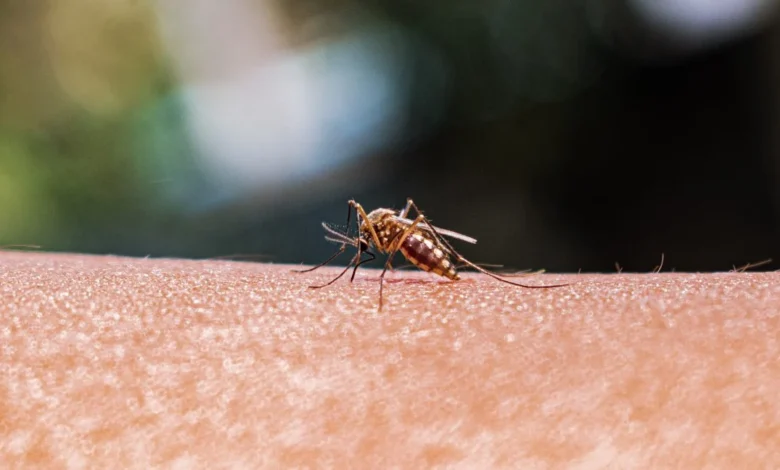
New York State is grappling with a critical public health challenge: a fragmented and underfunded system for monitoring mosquito populations, leaving communities vulnerable to outbreaks of mosquito-borne diseases. Current surveillance efforts, described as "sparse and disintegrated" by legislative proponents, are largely county-driven, leading to inconsistencies, gaps in data sharing, and the potential for invasive mosquito species to establish themselves undetected. This reactive approach, as experts warn, is inherently less effective than a proactive, unified strategy.
Monitoring programs, essential for tracking mosquito populations and identifying disease vectors, are typically labor-intensive and expensive. They demand dedicated teams for setting and checking traps, alongside highly trained specialists capable of identifying, sorting, and testing collected samples for pathogens. The logistical hurdles are significant, particularly in rural areas. For instance, some traps rely on "stinky water" — decaying organic material designed to attract female mosquitoes — while others utilize dry ice to emit carbon dioxide, mimicking the breath of mammals that mosquitoes seek out. However, procuring dry ice can be a considerable challenge in remote parts of New York, forcing monitoring teams to improvise and produce their own, adding another layer of complexity to an already demanding process.
Beyond the practicalities of field operations, the existing framework suffers from systemic issues in communication, coordination, and data sharing. Dr. Laura Leydet, a specialist in entomology and public health, highlighted the shortcomings of the current system. "One of the problems with states that are not comprehensively doing these surveillance programs is that surveillance is hit or miss," Leydet explained. "A lot of these surveillance programs are run by the counties, and they’re not really talking to each other." This lack of inter-county dialogue and centralized oversight creates a "patchwork system" where critical information might not be shared efficiently, allowing potentially dangerous invasive mosquito species to proliferate under the radar. Leydet’s lab has demonstrated that this fragmented approach poses a significant threat to public health.
Funding presents another formidable barrier to establishing robust surveillance. "If the county doesn’t have money or resources, these programs fade away," Leydet noted, underscoring the precarious nature of county-level initiatives. "If we don’t have these surveillance programs, then all we’re doing is responding to a problem when it’s already a problem, and that’s never how prevention works." The absence of sustained funding often means that resources are only allocated after an outbreak has occurred, leading to emergency responses that are often more costly and less effective than preventative measures.
The Public Health Imperative: A History of Mosquito-Borne Illnesses in New York
The urgency for a comprehensive surveillance system is underscored by the recurring threat of mosquito-borne diseases in New York. The state has a long history of confronting pathogens transmitted by these insects, with West Nile Virus (WNV) being the most prominent and persistent concern. First detected in the Western Hemisphere in 1999 during an outbreak in New York City, WNV quickly spread across the United States, becoming endemic.
-
West Nile Virus: A Persistent Threat
Since its emergence, WNV has been a annual public health concern in New York. The virus is primarily transmitted by Culex mosquito species, which thrive in urban and suburban environments, breeding in stagnant water sources like storm drains, discarded tires, and unmaintained bird baths. While most human infections are asymptomatic, WNV can cause West Nile fever, characterized by symptoms such as fever, headache, body aches, skin rash, and swollen lymph glands. A smaller percentage of individuals, particularly the elderly and those with compromised immune systems, can develop severe neurological complications, including encephalitis or meningitis, which can be fatal. Each year, the New York State Department of Health (NYSDOH) reports numerous positive mosquito pools, infected birds, and human cases, highlighting the ongoing threat. For instance, in a typical year, dozens of human cases might be confirmed across the state, with hundreds of mosquito pools testing positive, indicating widespread viral activity. -
Emerging Pathogens and Expanding Ranges
Beyond WNV, New York faces potential threats from other mosquito-borne diseases. Eastern Equine Encephalitis (EEE), though rarer, is a more severe and often fatal disease transmitted by Culiseta melanura mosquitoes, primarily found in freshwater swamps. While EEE cases are less frequent in New York compared to states further south, periodic detections of the virus in mosquito populations and sentinel animals (like horses) serve as stark reminders of its potential impact.
The threat is further compounded by invasive mosquito species like Aedes albopictus (the Asian tiger mosquito) and Aedes aegypti (the yellow fever mosquito). These species, highly aggressive daytime biters, are efficient vectors for viruses such as Zika, Dengue, and Chikungunya. While these diseases are not yet endemic in New York, the presence and expansion of their vector mosquitoes, particularly Aedes albopictus which has established populations in parts of the state, raise serious concerns. A comprehensive monitoring system is crucial for detecting these invasive species early, before they can become established and potentially introduce new disease cycles.
Climate Change: A Catalyst for Mosquito Expansion
The expansion of mosquito ranges and the increasing risk of mosquito-borne diseases are inextricably linked to climate change. Milder winters and extended warm seasons in the Northeast create more hospitable conditions for mosquitoes to survive, breed, and increase their population density. This also prolongs the transmission season for viruses.
- Warmer Temperatures and Increased Rainfall: Rising global temperatures allow mosquito species to survive in areas previously too cold for them. Warmer temperatures also accelerate the mosquito life cycle, leading to more generations per season, and increase the rate at which viruses replicate within the mosquito (extrinsic incubation period), making them infectious sooner. Changes in precipitation patterns, including more frequent heavy rainfall events, can create abundant temporary pools of standing water, providing ideal breeding grounds for various mosquito species. Conversely, droughts followed by heavy rains can also create breeding habitats in previously dry areas.
- Vector Migration: As climates shift, mosquito species historically confined to southern regions are gradually expanding their geographical reach northward. The Aedes species, particularly Aedes albopictus, are a prime example. This mosquito, known for its adaptability to urban environments and its aggressive biting habits, has been steadily moving into the Northeast, including New York, over the past few decades. Its presence significantly increases the risk of local transmission of diseases like Dengue and Zika, which are currently primarily travel-related in the state.
Understanding these climate-driven dynamics is paramount for effective public health planning. A robust surveillance system can track these shifts in mosquito populations and species distribution, providing critical early warnings.
Legislative Action: Senate Bill S10393 Seeks Unified Strategy
In response to these escalating threats and the recognized deficiencies of the current system, a significant legislative initiative has been introduced in the New York State Legislature this session. Senate Bill S10393, aims to lay the groundwork for a comprehensive, statewide mosquito surveillance program. The bill explicitly calls for moving beyond the "sparse and disintegrated" current system to establish a coordinated framework that enables public health officials to respond proactively, before an outbreak reaches critical levels.
-
Laying the Groundwork for a Unified Strategy:
The proposed legislation envisions a system that would standardize monitoring protocols across all of New York’s 62 counties, ensuring consistent data collection and reporting. This would include uniform trapping methods, standardized laboratory testing, and a centralized data repository accessible to all relevant public health agencies. Such a system would enable state health officials to identify emerging threats, track the spread of invasive species, and monitor the activity of disease-carrying mosquitoes in real-time. This centralized approach would facilitate a holistic view of mosquito-borne disease risk across the entire state, moving away from isolated county-level responses. -
Voices from the Legislature:
Legislative proponents of S10393 emphasize the long-term benefits of investing in prevention. "We cannot afford to wait for an epidemic to strike before we act," stated one legislative aide familiar with the bill’s objectives. "This legislation is about being smart and strategic with our public health resources, protecting our communities, and ultimately saving lives and healthcare dollars." They argue that while the initial investment might seem substantial, it pales in comparison to the economic and human costs of a major disease outbreak, which can include extensive emergency response measures, hospitalizations, lost productivity, and impacts on tourism. The bill’s sponsors are working to build bipartisan support by highlighting its practical implications for public safety and economic stability.
Funding and Coordination: The Persistent Hurdles to Implementation
While the legislative intent behind S10393 is clear, the path to successful implementation is fraught with challenges, particularly concerning funding and inter-agency coordination. Dr. Leydet’s observations about the cost-benefit analysis often performed by decision-makers ring true: "There is general interest in these programs, but when you start seeing what they cost, it’s like, ‘Maybe we’re not that interested.’"
-
Bridging the Funding Gap:
Establishing and maintaining a comprehensive statewide surveillance program requires substantial and sustained financial commitment. This includes funding for equipment (traps, laboratory supplies), personnel (field technicians, entomologists, lab specialists), training, and data infrastructure. The current system’s reliance on often-limited county budgets makes it susceptible to cuts during economic downturns, precisely when public health services are most vital. The bill will need to address a dedicated and stable funding mechanism, potentially through state appropriations, federal grants, or a combination thereof, to ensure the program’s longevity and effectiveness. Without robust funding, even the best-designed program risks becoming another "hit or miss" initiative. -
The Complexities of Inter-County Cooperation:
New York State’s diverse geography, ranging from dense urban centers to vast rural expanses, means that a "one-size-fits-all" approach to mosquito control may not be entirely effective. A centralized system, while desirable for coordination, must also allow for local flexibility and responsiveness. Achieving seamless cooperation among 62 county health departments, each with its own priorities, resources, and local political dynamics, will require strong leadership from the state and clear operational guidelines. This involves not only sharing data but also coordinating efforts on public outreach, resource deployment, and emergency response protocols. Public health officials across the state generally agree on the importance of such programs, but the practicalities of statewide implementation present a significant logistical and administrative undertaking.
Beyond Traps: Proactive Prevention and Community Engagement
A comprehensive mosquito surveillance program is not solely about trapping and testing; it serves as the intelligence backbone for a broader strategy of proactive public health interventions. Effective mosquito control is multifaceted and relies heavily on an Integrated Pest Management (IPM) approach.
-
Integrated Pest Management: A Multi-pronged Approach:
IPM for mosquitoes involves a combination of strategies designed to minimize mosquito populations while reducing risks to human health and the environment. These measures include:- Source Reduction: This is the most fundamental and effective strategy. It involves identifying and eliminating standing water sources where mosquitoes lay their eggs. This includes routinely emptying and scrubbing bird baths, unclogging gutters, removing old tires, draining neglected swimming pools, and ensuring proper drainage around homes and communities. Public works departments play a crucial role in maintaining storm drains and managing retention ponds.
- Larvicides: When source reduction is not feasible, targeted application of larvicides to breeding habitats can be highly effective. These products specifically target mosquito larvae, preventing them from developing into biting adults. Larvicides are often applied to large bodies of stagnant water, such as catch basins, ornamental ponds, or marshes, and are designed to be safe for other aquatic life when used correctly.
- Adulticides: In the event of a confirmed disease outbreak or dangerously high mosquito populations, more widespread pesticide spraying (adulticides) may be necessary to quickly reduce adult mosquito numbers. However, this is typically considered a last resort due to potential environmental impacts and the development of pesticide resistance in mosquito populations. A robust surveillance system allows for precise targeting of adulticide applications, minimizing their overall use.
- Biological Control: Introducing natural predators of mosquitoes, such as mosquitofish (Gambusia affinis), into permanent bodies of water can help control larval populations without chemical intervention.
-
The Role of Public Awareness and Education:
Crucially, any comprehensive strategy must include robust public education campaigns. Informing residents about the risks of mosquito-borne diseases, empowering them with knowledge about personal protection measures, and encouraging active participation in source reduction efforts are vital. Public health advisories often recommend using EPA-registered insect repellents, wearing long sleeves and pants during peak mosquito activity (dawn and dusk, or all day for Aedes species), and installing or repairing window and door screens. A well-informed and engaged public can be the most effective first line of defense against mosquito-borne illnesses.
Broader Implications and the Path Forward
The potential passage of Senate Bill S10393 represents a critical juncture for public health in New York. A unified, well-funded mosquito surveillance program would not only enhance the state’s ability to track and respond to mosquito-borne threats but also serve as a model for other states facing similar challenges.
- A Paradigm Shift in Public Health Protection:
Moving from a reactive, crisis-driven response to a proactive, data-informed strategy would constitute a paradigm shift in public health protection. It would allow for earlier detection of disease activity, more targeted and efficient control measures, and ultimately, a reduction in human illness and mortality. Furthermore, a robust system could help mitigate the economic impact of outbreaks on healthcare systems, local businesses, and tourism, which can be severely affected by public health emergencies. - Learning from Other States:
Several states and regions, such as Florida and parts of California, have well-established, integrated mosquito control districts that operate with centralized funding and coordinated strategies. These programs often combine surveillance, source reduction, public education, and targeted larvicide/adulticide applications, demonstrating the effectiveness of a comprehensive approach. New York can draw valuable lessons from these models in designing its own statewide system, adapting best practices to its unique environmental and demographic landscape. - A Long-Term Investment:
While the initial costs and logistical complexities of implementing a statewide program are significant, the long-term benefits in terms of public health, economic stability, and environmental protection far outweigh the investment. As Dr. Leydet aptly concluded, "any help is better than nothing," but a truly comprehensive and sustained effort is what New York needs to safeguard its residents against the growing threat of mosquito-borne diseases. The proposed legislation represents a crucial step towards building a more resilient and prepared public health infrastructure for the future.
This article originally appeared on Inside Climate News, a nonprofit, non-partisan news organization that covers climate, energy, and the environment.