Methane Emissions and the Global Climate Crisis: Understanding the Impact and Solutions for a Warming Planet

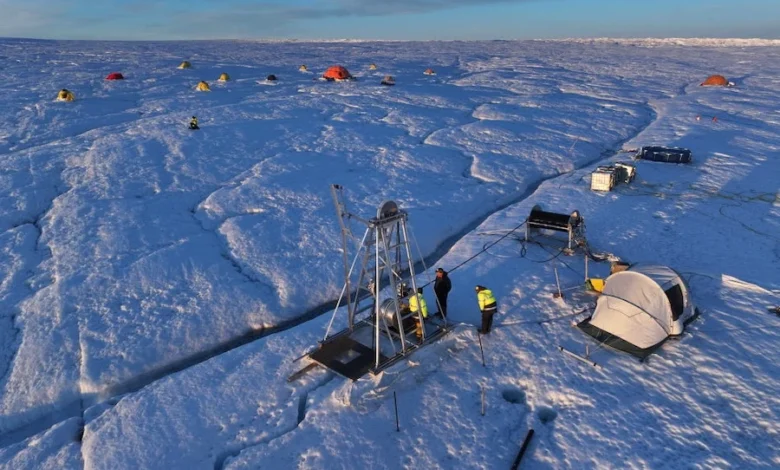
Methane, a colorless and odorless hydrocarbon, has emerged as one of the most significant challenges and opportunities in the global effort to mitigate climate change. While carbon dioxide (CO2) often dominates the conversation surrounding greenhouse gas emissions due to its vast quantity and centuries-long persistence in the atmosphere, methane (CH4) is a far more potent heat-trapping agent in the short term. As the primary component of natural gas, methane currently fuels approximately 25 percent of the world’s electricity generation, yet its leakage and byproduct release are responsible for roughly one-third of the global warming experienced today.
The Scientific Foundation: What is Methane?
Methane is a simple molecule consisting of one carbon atom bonded to four hydrogen atoms. It is generated through two primary pathways: geological and biological. Geologically, methane is formed over millions of years as heat and pressure act upon organic matter buried deep within the Earth’s crust. This process creates the fossil fuel reserves that modern industry extracts as natural gas. Biologically, methane is produced through methanogenesis, a form of anaerobic respiration performed by microorganisms known as archaea. These microbes thrive in oxygen-poor environments such as wetlands, the digestive tracts of ruminant animals like cattle, and the depths of landfills.

Because methane is a potent greenhouse gas, its presence in the atmosphere creates a thermal blanket. When solar radiation hits the Earth and reflects back as heat, methane molecules absorb this energy and redirect it toward the surface. While natural "sinks"—such as soil bacteria and chemical reactions in the troposphere—break methane down into CO2 and water vapor over a period of about 12 years, human activity has overwhelmed these natural processes. Since the Industrial Revolution, atmospheric methane concentrations have surged by 265 percent, reaching 1,934 parts per billion (ppb) as of 2023.
Chronology of the Methane Crisis
The trajectory of methane emissions follows the expansion of industrial agriculture and fossil fuel extraction. In the pre-industrial era, methane levels were relatively stable, balanced by natural cycles. However, the 20th century saw a dramatic uptick driven by the global expansion of the oil and gas industry and the intensification of livestock farming.
By the early 2000s, scientists began to observe an "exceptional growth" in methane levels. Between 2000 and 2020, emissions from wetlands increased by 1.2 to 1.4 million metric tons annually, driven by rising temperatures and shifting rainfall patterns. The year 2021 marked a pivotal moment when the United States and the European Union launched the Global Methane Pledge at COP26 in Glasgow. This international agreement aimed to reduce global methane emissions by 30 percent from 2020 levels by 2030. Despite this commitment, 2023 saw methane concentrations reach record highs, signaling a significant implementation gap between policy goals and industrial reality.

Measuring the Invisible: Top-Down vs. Bottom-Up
Accurately quantifying methane emissions has historically been difficult because the gas is invisible to the naked eye. Scientists employ two primary methodologies: bottom-up and top-down.
Bottom-up measurements involve estimating emissions from specific sources on the ground, such as a single cow or a specific valve at a gas plant, and then scaling those figures to represent a region or industry. However, this method often fails to account for "super-emitters"—high-volume leaks caused by equipment failure or improper venting.
Top-down measurements utilize airplanes, high-altitude sensors, and increasingly, advanced satellites like MethaneSAT and GHGSat. These tools have revealed that actual emissions are often far higher than official estimates. A landmark study published in the journal Science found that methane emissions from the U.S. oil and gas industry were 60 percent higher than the Environmental Protection Agency (EPA) had previously estimated. Satellite data in 2022 identified over 1,000 super-emitter events, including a leak in Turkmenistan that spewed methane at a rate equivalent to the entire hourly emissions of France.

Primary Sources of Human-Caused Emissions
Approximately 60 percent of global methane emissions are the result of human activity. These are concentrated in three major sectors:
- Agriculture (40%): This is the largest source of anthropogenic methane. Livestock, particularly cattle raised for beef and dairy, produce methane through enteric fermentation. Rice cultivation is another major contributor, as flooded paddies create the anaerobic conditions necessary for methanogenesis.
- Fossil Fuels (35%): Methane is released during the extraction and transport of oil and natural gas. It is also a significant byproduct of coal mining, where gas trapped in coal seams is vented for safety.
- Waste Management (20%): As organic waste decomposes in landfills and wastewater treatment plants, it releases substantial volumes of methane. This sector is projected to grow faster than any other as global populations and urbanization increase.
The Myth of the "Bridge Fuel"
For years, natural gas was promoted as a "bridge fuel" that could help nations transition from coal to renewables. The logic was based on the fact that burning natural gas produces roughly half the CO2 of coal per unit of energy. However, this narrative has been challenged by recent data regarding methane leakage.
Research indicates that if as little as 0.2 percent of methane leaks during the production and transport of liquefied natural gas (LNG), its climate impact becomes comparable to that of coal. Some studies suggest that over a 20-year horizon, LNG may actually have a 33 percent greater global warming potential than coal due to these leaks. Bill McKibben, a prominent climate advocate, has warned that the massive planned build-out of LNG export terminals in the U.S., Canada, and Australia could "overwhelm our efforts to rein in global warming," effectively locking in high emissions for decades.

Broader Impacts: Health, Economy, and Feedback Loops
The consequences of methane emissions extend beyond rising temperatures. Methane is a primary precursor to ground-level ozone, a hazardous air pollutant. Ozone damages lung tissue, exacerbates asthma, and reduces crop yields. Experts estimate that methane-generated ozone causes approximately 500,000 premature deaths annually. Conversely, reducing methane emissions could prevent 1,430 respiratory-related deaths and the loss of 145,000 metric tons of staple crops like wheat and rice every year.
Furthermore, methane is a key driver of positive climate feedback loops. As the planet warms, the Arctic permafrost—which contains twice as much carbon as the current atmosphere—begins to thaw. This thawing releases long-sequestered methane, which causes further warming, leading to more thawing. Similar loops are observed in tropical wetlands and through the increased frequency of wildfires, which release methane as they consume biomass.
Pathways to Mitigation and Official Responses
The Intergovernmental Panel on Climate Change (IPCC) asserts that methane emissions must be reduced by 34 percent by 2030 to limit global warming to 1.5 degrees Celsius. Achieving this requires a multi-pronged approach:

- Technological Fixes in Energy: The International Energy Agency (IEA) reports that 70 percent of methane emissions from the oil and gas sector could be eliminated using existing technology, often at little to no net cost. This includes leak detection, capturing vented gas, and phasing out pneumatic devices that bleed gas by design.
- Agricultural Innovation: Feeding cattle seaweed supplements has been shown to reduce enteric methane by up to 82 percent. Additionally, "Alternative Wetting and Drying" techniques in rice farming can cut emissions by 45 percent without reducing yields.
- Waste Diversion: Moving toward a circular economy that prioritizes composting and organic waste diversion can starve landfills of the material that produces methane.
In response to these challenges, the Biden administration recently introduced the Methane Emissions Reduction Program, which includes a "waste emissions charge" for oil and gas facilities that exceed specific methane intensity levels. Globally, the IEA has called for a "surge in action," noting that while 159 nations have joined the Global Methane Pledge, the transition from voluntary commitment to mandatory regulation remains slow.
Implications and the Way Forward
The short atmospheric lifespan of methane presents a unique tactical advantage in the climate fight. While CO2 reductions are essential for long-term stabilization, cutting methane provides an immediate "brake" on the rate of global heating. This "short-term win" could buy the world critical time to decarbonize the global energy grid and develop carbon-removal technologies.
However, the continued expansion of fossil fuel infrastructure and the rising global demand for meat present significant hurdles. The discrepancy between satellite-observed data and industry-reported figures suggests that transparency and rigorous monitoring will be the most critical tools in the coming decade. As the world approaches various climate tipping points, the management of this invisible gas will likely determine whether the goals of the Paris Agreement remain within reach or become a relic of scientific history. Moving forward, the integration of satellite monitoring with strict enforcement of methane fees and agricultural subsidies for sustainable practices offers the most viable path toward stabilizing the global thermostat.