India achieves historic milestone as power sector carbon emissions flatline amid clean energy surge

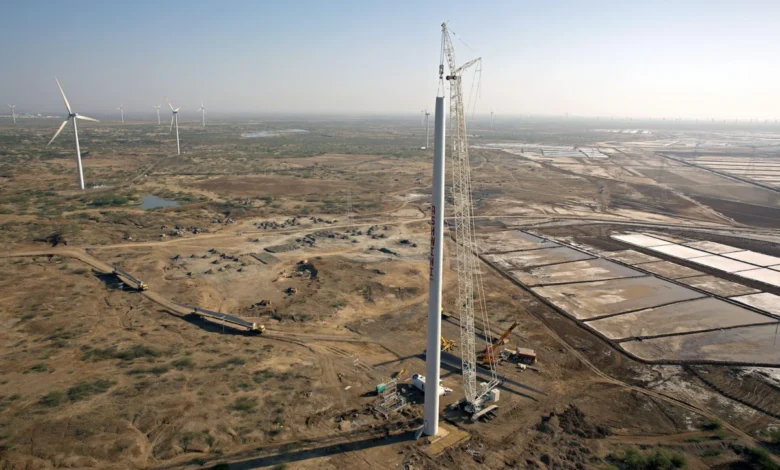
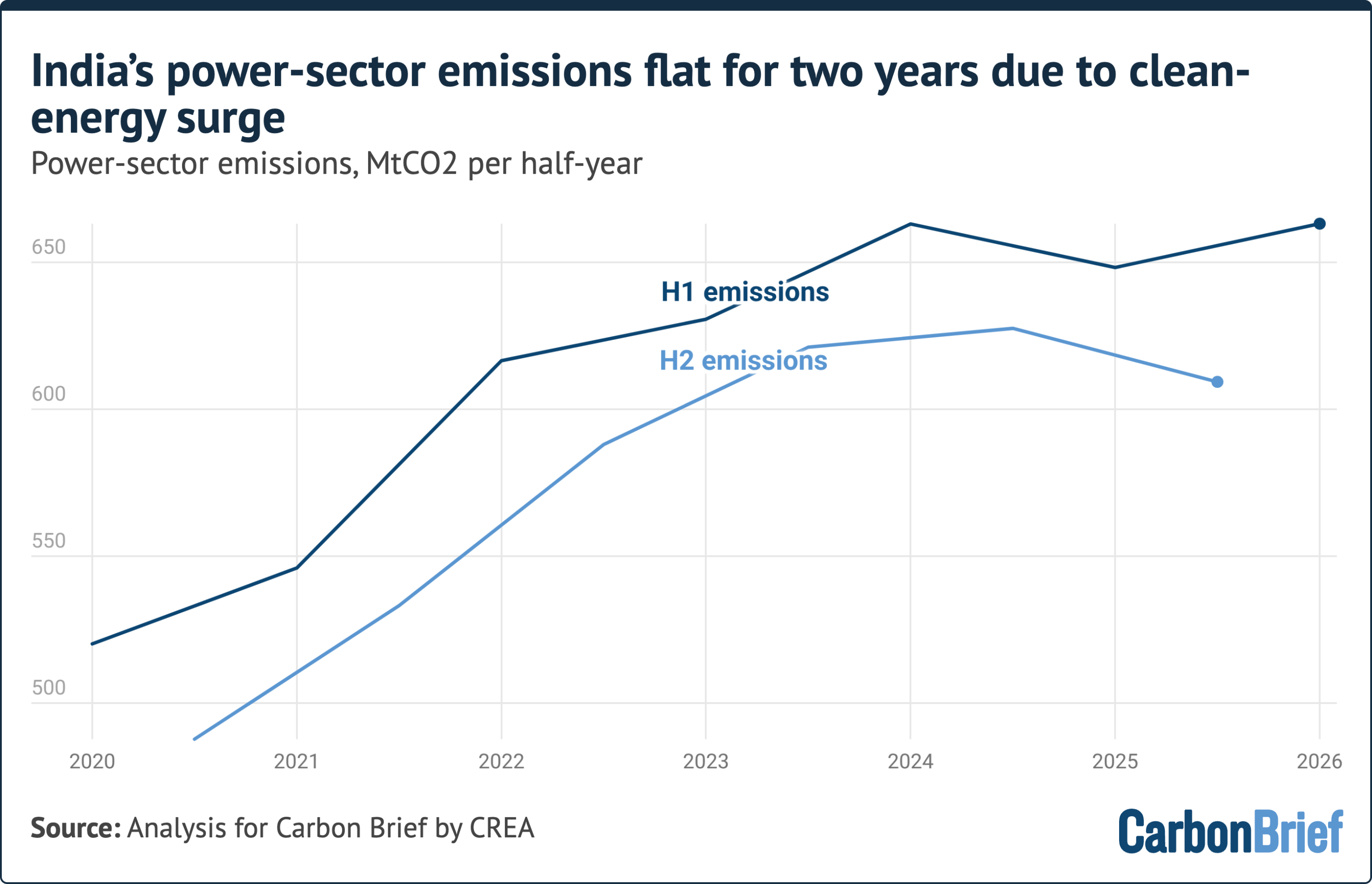
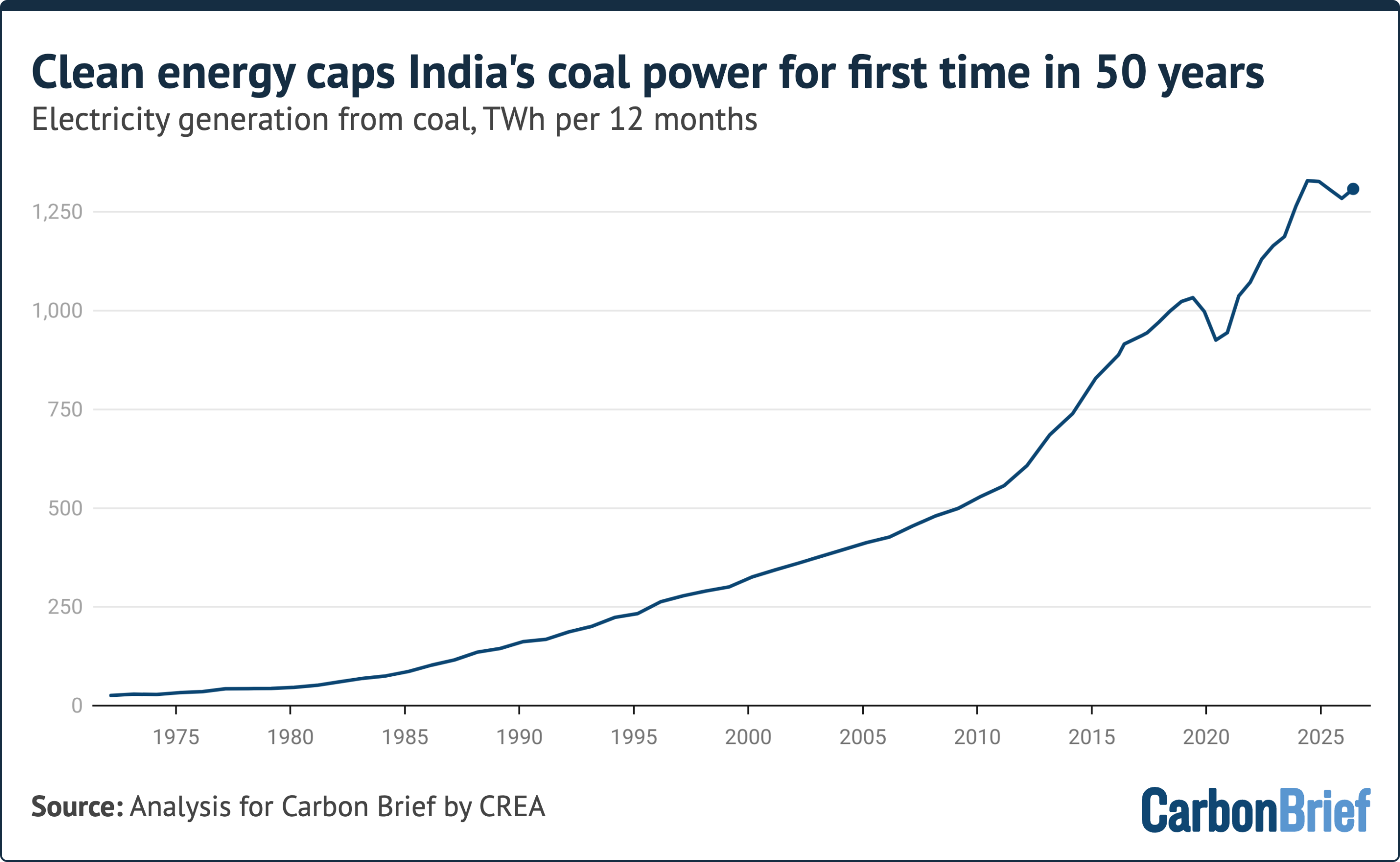
In a watershed moment for India’s energy landscape, the nation’s power sector has achieved a state of emissions stagnation, with carbon dioxide (CO2) levels remaining effectively unchanged between the first half of 2024 and the same period in 2026. This development represents a significant deviation from half a century of coal-dependent growth, marking the first time in over 50 years that India has experienced no net increase in coal-fired power generation over a two-year horizon, even as total electricity demand across the country continued to climb.
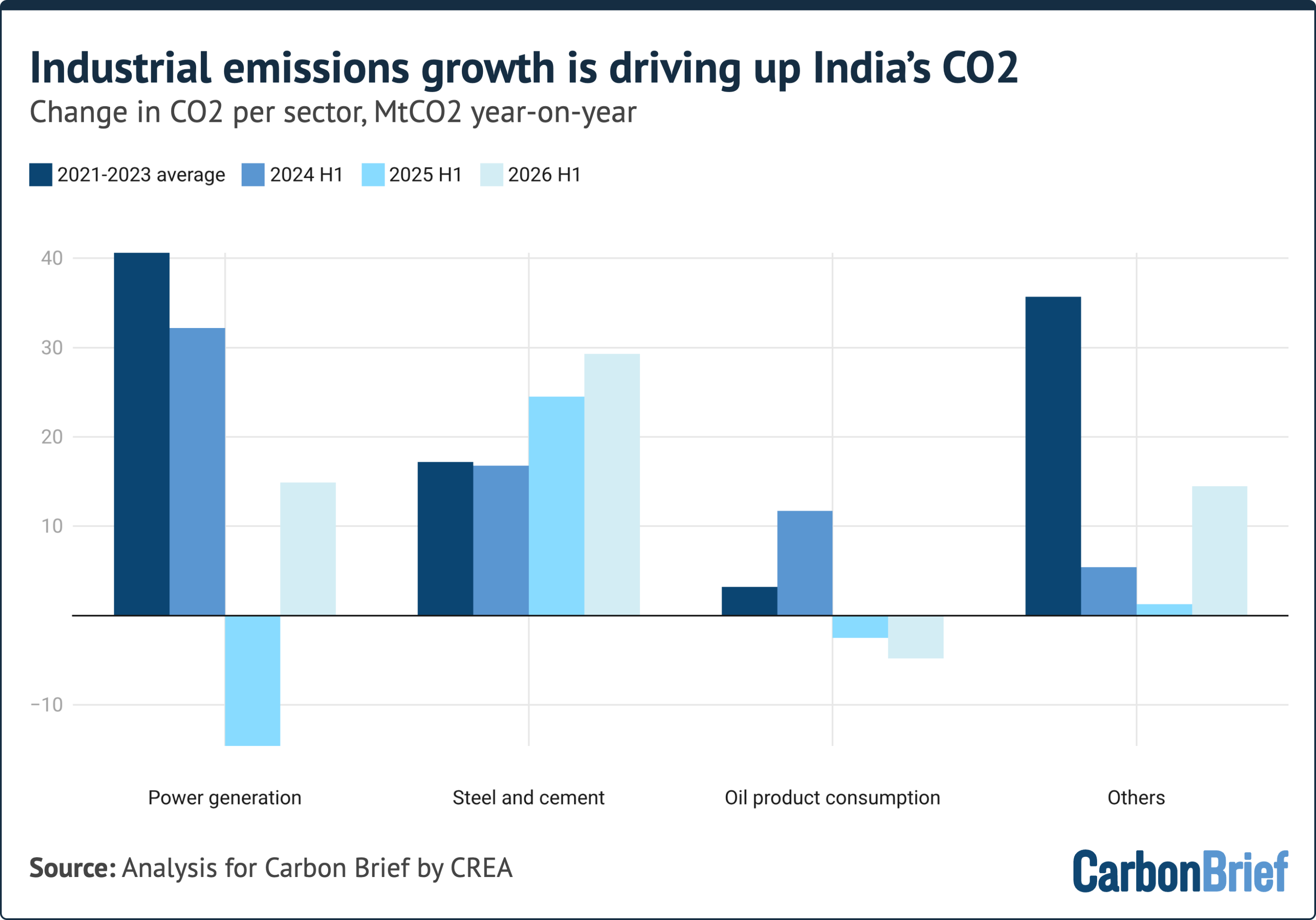
This structural shift in the power sector has unfolded against a backdrop of global volatility. The Hormuz crisis, which disrupted energy supply chains, forced India to confront its reliance on imported fossil fuels. In response, a combination of aggressive renewable energy deployment and a cooling in domestic oil and gas consumption has provided a buffer against international energy shocks. However, while the power sector’s contribution to the national carbon footprint has stabilized, India’s total emissions for the first half of 2026 still registered a 3.7% year-on-year increase. This rise is primarily attributable to the industrial sector, specifically the unabated growth in steel and cement manufacturing, which remain heavily reliant on traditional, high-carbon energy inputs.
The Dynamics of a Changing Energy Mix
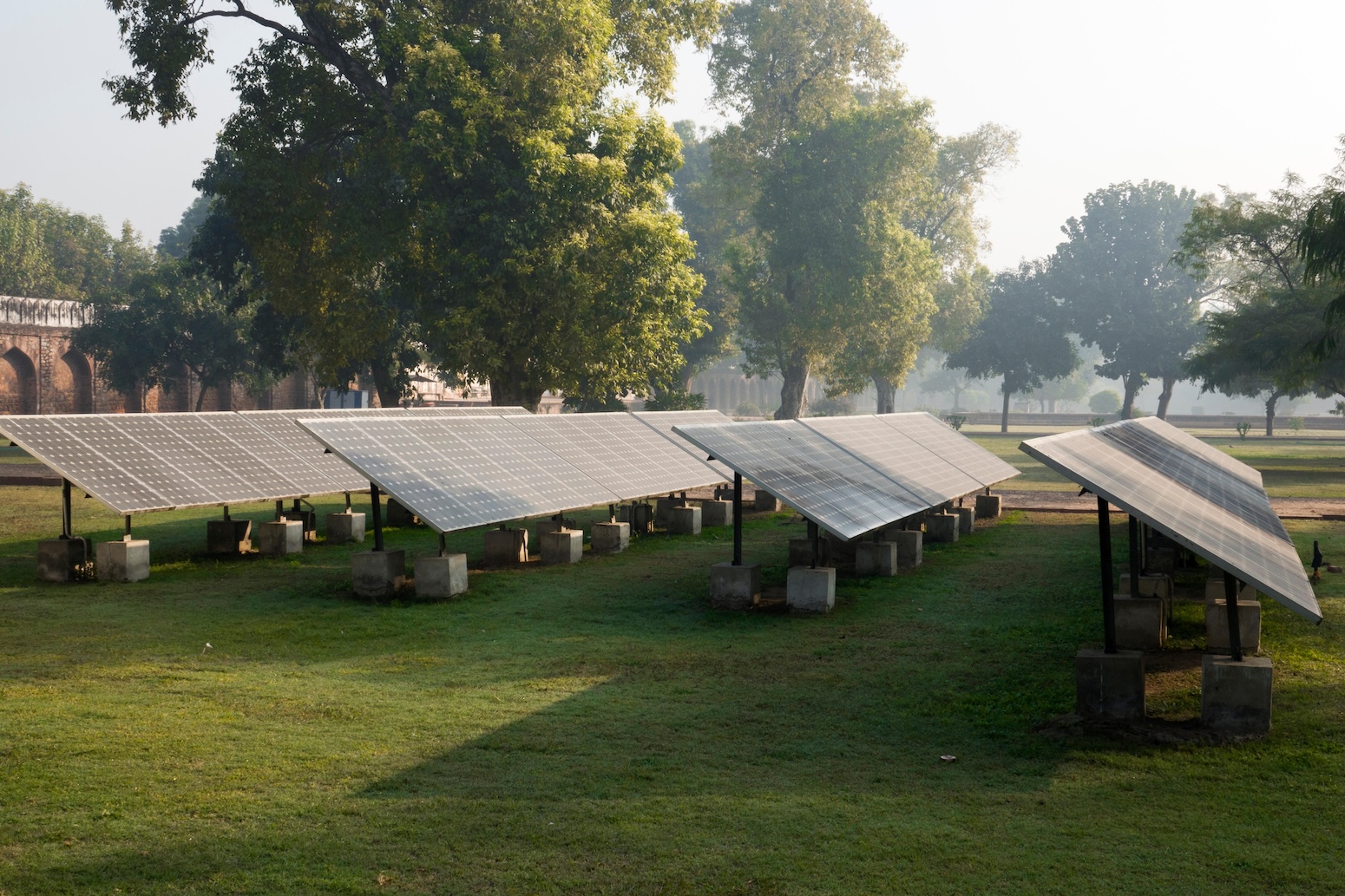
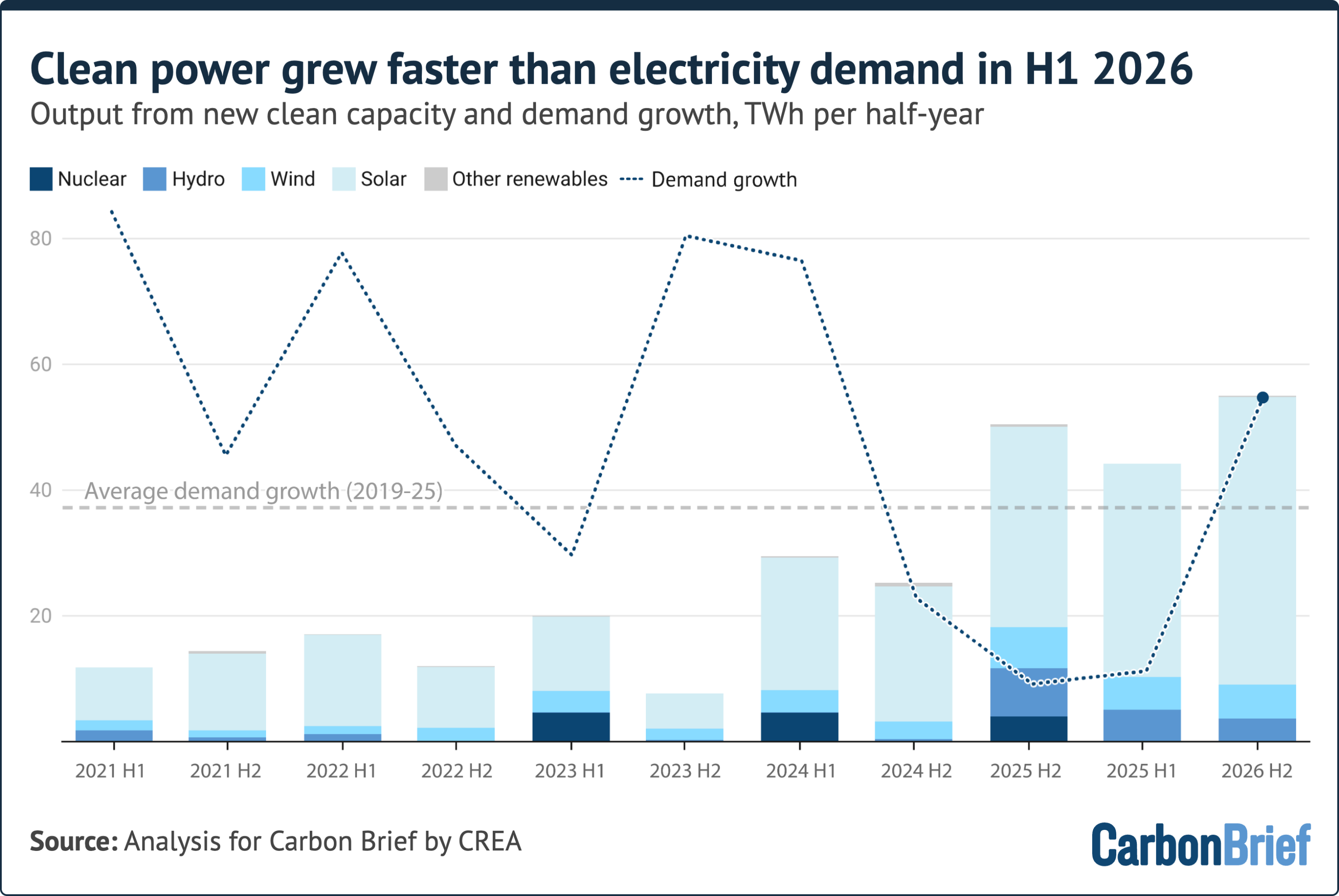
The data, derived from a comprehensive six-monthly analysis, reveals a clear dichotomy in India’s economic development. The power sector has successfully absorbed the nation’s rising electricity demand—which grew by 7% (approximately 63TWh) over the last two years—entirely through clean energy sources. Solar energy led this transformation, contributing 44TWh, while wind, nuclear, and hydroelectric power provided the remaining necessary generation. This total addition of 70TWh of clean energy not only met the surge in demand but effectively displaced the need for new coal-fired generation.
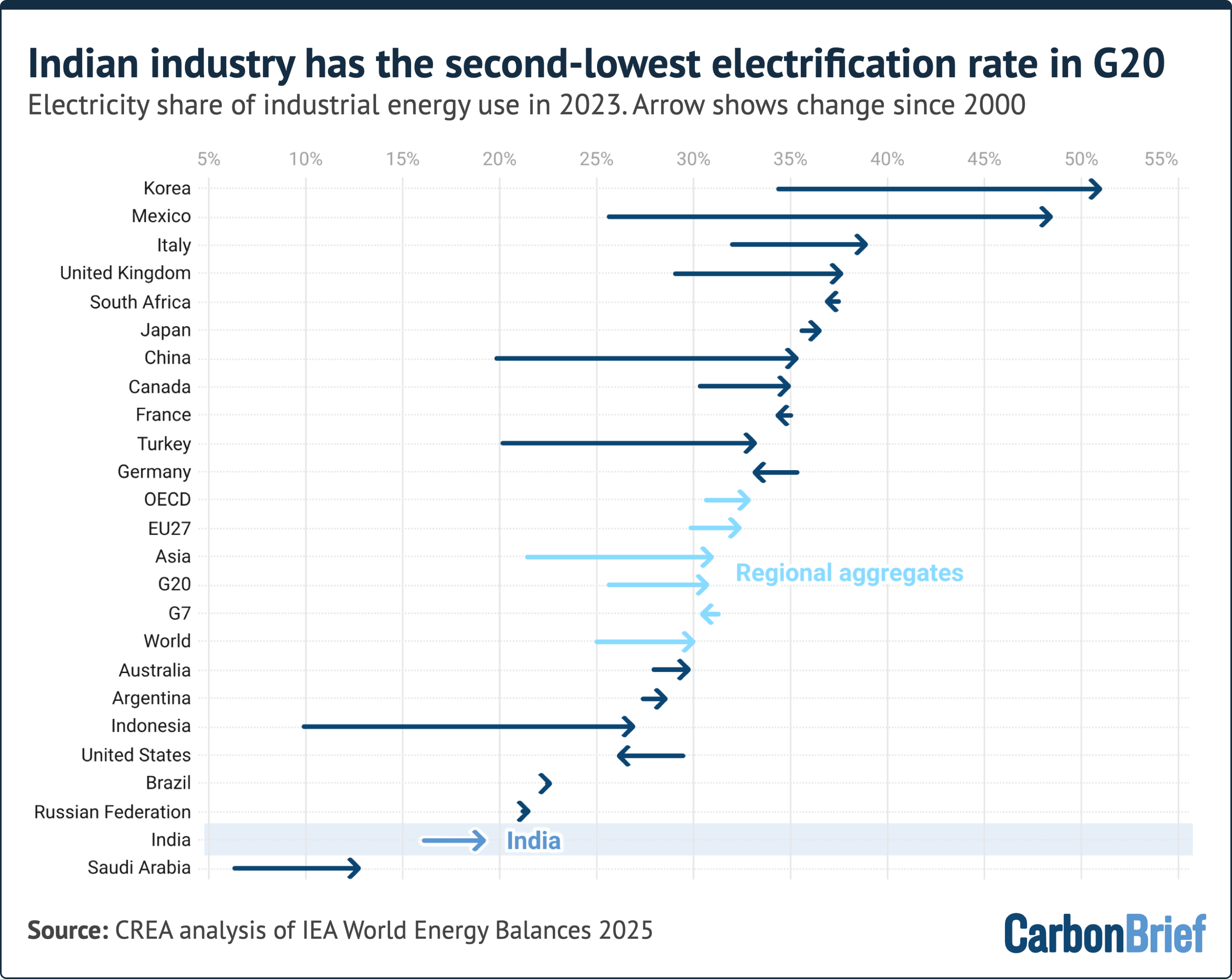
In contrast, the industrial sector presents a more complex challenge. Heavy industries, particularly steel and cement, recorded an 8% and 9% output growth respectively in the first half of 2026. Because these sectors are among the least electrified in the G20, their expansion continues to translate directly into higher fossil fuel consumption. The persistent use of coking coal and the reliance on traditional thermal processes mean that as industrial activity grows, so does the carbon intensity of the national economy.
A Chronology of the Transition
The current stability in power sector emissions is the culmination of a multi-year strategy to pivot toward renewable infrastructure.
- 2021-2023: India initiated a series of policy frameworks designed to incentivize solar and wind capacity, focusing on massive utility-scale tenders.
- 2024 (H1): The first signs of a shift appeared as clean energy growth began to closely track demand, leading to the initial plateauing of coal power generation.
- 2025: A brief dip in power sector emissions occurred, though this was later reversed as economic activity surged. However, the foundational capacity for clean energy remained robust.
- 2026 (H1): The "flatlining" of emissions became firmly established over the two-year period, effectively decoupled from the total electricity demand increase.
This trajectory was influenced significantly by the 2026 El Niño event, which caused a delayed monsoon and intensified heatwaves. The resulting spike in cooling demand put immense pressure on the grid, yet the existing renewable capacity was able to mitigate the reliance on additional coal to meet these peak loads.
State-Led Progress and Regional Variance
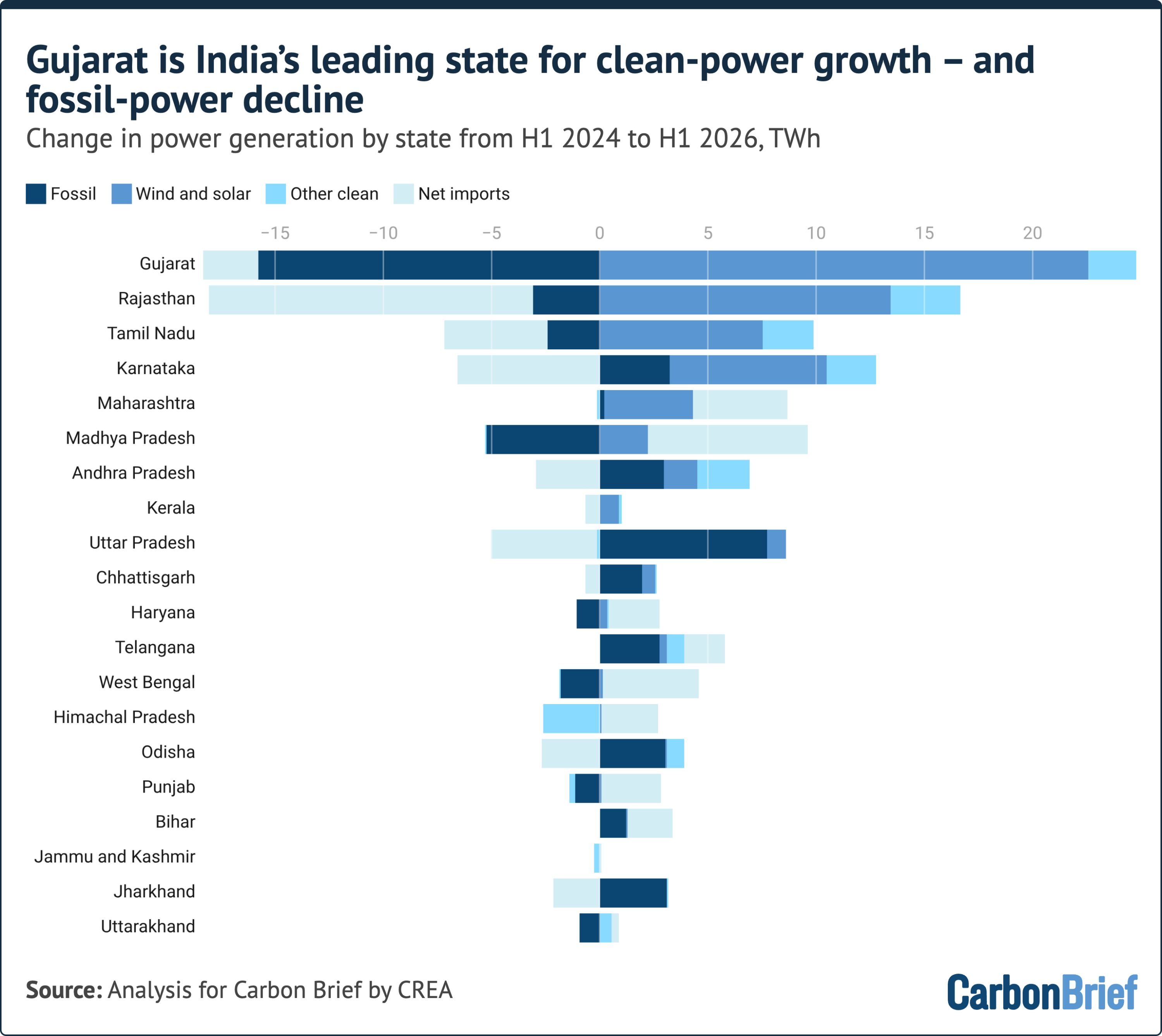
The transition is not uniform across India’s geography. Gujarat has emerged as the clear leader in this energy shift, recording the largest reduction in fossil-fuel power generation while simultaneously boasting the most significant expansion in clean energy capacity. Rajasthan and Tamil Nadu have followed a similar, albeit less pronounced, path, successfully integrating large-scale solar and wind projects to offset local coal dependency.
Conversely, states such as Karnataka and Andhra Pradesh have effectively expanded their clean energy generation beyond their immediate demand needs. While this is a positive development for the national grid, much of this clean power is exported to other states, leading to localized fluctuations in fossil-fuel usage. Maharashtra and Telangana, which face the highest growth in power demand due to their industrial bases, have managed to largely match their needs with new clean capacity, a crucial development for maintaining grid stability without resorting to new coal-fired base load plants.
The Industrial Electrification Gap
A critical finding of the recent analysis is the disparity in electrification between the power and industrial sectors. India’s industry has the second-lowest electrification rate among the G20 nations. For India to achieve an absolute reduction in its national carbon footprint, the current trend of electrification seen in the power sector must be mirrored in the manufacturing sector.
The potential is significant. Technologies for industrial heating, chemical processing, and material manufacturing are increasingly becoming available as electrified alternatives to fossil fuel combustion. However, the current economic climate, characterized by high input prices and supply chain disruptions, has seen some industries revert to older, dirtier fuels. For instance, the shortage of Liquefied Petroleum Gas (LPG) during the first half of 2026 prompted various state governments to temporarily authorize the use of coal and furnace oil in industries that had previously transitioned to cleaner energy. These "temporary" measures highlight the vulnerability of the transition when faced with supply shocks.
Investment Trends and Long-Term Risks
Despite the progress in clean power, the fossil-fuel industry continues to pursue substantial capital investments in coal-related infrastructure. At the end of June 2026, approximately 43GW of coal-power capacity remained under construction. Government policy continues to view coal as a strategic asset, particularly for energy security, with plans to expand coal gasification for the production of fertilizers and plastic feedstocks.
While these investments are often framed as necessary to ensure a reliable energy supply for a growing economy, they carry the risk of "carbon lock-in." By committing capital to long-lived coal assets, India risks creating a scenario where these plants must continue operating for decades to justify their costs, potentially hindering the long-term objective of achieving a net-zero energy system.
The Path Forward: Storage and Grid Flexibility
If India is to sustain its current clean-energy momentum, the focus must shift toward infrastructure modernization. The reliance on variable renewable energy sources requires a robust grid capable of handling intermittent supply. The National Electricity Plan (NEP) has set ambitious targets for energy storage, projecting a need for 411GWh by 2031-32. As of mid-2026, the government has moved aggressively with tenders, issuing requests for approximately 272GWh of storage capacity, including a mix of pumped hydro and battery systems.
Furthermore, the flexibility of existing coal plants has emerged as a bottleneck. To accommodate more wind and solar power, coal-fired units must be capable of ramping down production during periods of high renewable generation. Persistent regulatory delays in implementing these flexibility plans have contributed to the "curtailment" of renewable energy—essentially wasting generated electricity because the grid cannot absorb it.
Implications for Climate Policy
The stabilization of emissions in the power sector represents a major victory for India’s climate strategy, demonstrating that it is possible to decouple economic growth from carbon-intensive power generation. However, the 3.7% rise in overall national emissions serves as a reminder that the energy transition is incomplete.
The broader implications are clear: without a concerted effort to electrify heavy industry and a shift away from new coal infrastructure, the gains made in the power sector will be outpaced by industrial output. The experience of the first half of 2026 proves that India has the capacity to innovate and shift its energy mix rapidly. The challenge for the coming decade will be translating that success from the power grid to the factory floor, ensuring that the country’s industrial rise does not come at the cost of its long-term climate commitments.