US Lawmakers Advance Amended Clarity Act, Proposing Strict Ethics Rules for Officials and Clear Crypto Definitions

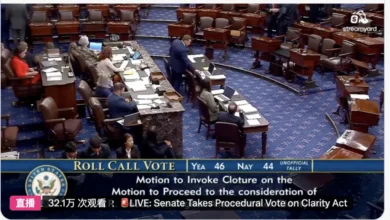
Washington D.C. – In a significant development for the burgeoning digital asset industry, a bipartisan group of U.S. lawmakers has advanced a crucial ethics package amending the proposed Clarity Act, a landmark bill designed to establish a comprehensive regulatory framework for cryptocurrencies. The latest amendments, unveiled following intense negotiations, aim to address potential conflicts of interest among federal officials while providing much-needed clarity on the classification of digital assets. However, the ethics provisions have reportedly stalled due to a lack of sign-off from Democratic lawmakers, highlighting the persistent political divides in regulating the rapidly evolving crypto space.
Fox Business reporter Eleanor Terrett, citing sources familiar with the legislative process, revealed via an X (formerly Twitter) post on July 22, 2026, that the ethics package, a key component of the Clarity Act, has moved forward. The package, primarily negotiated between the White House and Republican Senators Cynthia Lummis and Bernie Moreno, introduces stringent prohibitions on federal officials, including the President, Vice President, Members of Congress, federal judges, and other covered personnel—along with their spouses—from trading digital assets until January 1, 2029. Furthermore, it mandates that these officials place any existing cryptocurrency holdings into a qualified blind trust, thereby mitigating concerns about insider trading and undue influence in policy-making related to the sector. This move comes as the U.S. grapples with establishing a robust regulatory environment for cryptocurrencies, an effort complicated by jurisdictional disputes between agencies like the Securities and Exchange Commission (SEC) and the Commodity Futures Trading Commission (CFTC), and a fragmented legislative landscape.
The Quest for Regulatory Clarity: A Background
The United States has long been a global leader in financial innovation, yet its approach to digital asset regulation has often been characterized by ambiguity and a patchwork of enforcement actions rather than cohesive legislation. This regulatory uncertainty has been a consistent point of contention for industry participants, who argue that it stifles innovation, drives talent and capital overseas, and leaves consumers vulnerable. The lack of clear definitions for what constitutes a "security," "commodity," or "payment stablecoin" in the crypto sphere has led to numerous enforcement actions by the SEC, often against projects that view themselves as decentralized or commodity-based, causing widespread confusion and legal battles.
The impetus for comprehensive legislation like the Clarity Act has grown stronger following several high-profile incidents. The collapse of major crypto entities such as FTX, Terra/Luna, and Celsius Network in recent years exposed significant gaps in consumer protection, asset segregation, and market integrity. These events underscored the urgent need for a regulatory framework that can safeguard investors, prevent illicit activities, and foster responsible innovation. Lawmakers, recognizing the increasing integration of digital assets into mainstream finance and the economy, have intensified efforts to create a clearer legal environment.
Previous attempts to introduce similar legislation, such as the Blockchain Regulatory Certainty Act (BRCA) and various stablecoin bills, have faced significant hurdles, often dying in committee or failing to garner sufficient bipartisan support. The Clarity Act, therefore, represents a renewed and concerted effort to bring coherence to U.S. digital asset policy, aiming to provide a foundation for long-term growth and stability in the crypto ecosystem.
Key Provisions and Proposed Amendments of the Clarity Act
The proposed Clarity Act, with its recent amendments, seeks to address several critical areas of digital asset regulation:
- Defining Digital Assets: A primary objective of the act is to establish clear definitions for various types of digital assets. This is paramount to resolving the ongoing jurisdictional debate between the SEC and CFTC. The act aims to differentiate between a "digital asset security," a "digital asset commodity," and a "payment stablecoin," providing criteria for each. This clarity is expected to allow innovators to understand which regulatory body they fall under, reducing the risk of unexpected enforcement actions and fostering a more predictable environment for product development and market entry. The current regulatory vacuum has often forced projects into a reactive stance, hindering their ability to operate and scale within the U.S.
- Combating Illicit Finance: The bill strengthens the tools available to law enforcement agencies, including the Department of Justice (DOJ), to investigate and prosecute crypto-related financial crimes. This includes measures to enhance anti-money laundering (AML) and counter-terrorist financing (CTF) protocols within the digital asset space. The rise of ransomware attacks, darknet markets, and other illicit activities leveraging cryptocurrencies has put pressure on lawmakers to ensure that regulatory frameworks can effectively combat these threats without stifling legitimate use cases.
- Consumer Protection: The Clarity Act introduces provisions designed to enhance consumer protection, particularly in light of recent bankruptcies. A crucial aspect is the establishment of clear bankruptcy protections for customer assets. This provision mandates the strict segregation of customer assets from company assets, ensuring that in the event of an exchange or platform insolvency, customer funds are not treated as part of the company’s general estate and can be returned to their rightful owners. This addresses a major vulnerability exposed during the FTX collapse, where customer funds were commingled and misused, leading to prolonged recovery processes for affected individuals.
- Protection of Self-Custody Rights (Keep Your Coins Act Integration): A significant amendment to the Clarity Act incorporates elements of the "Keep Your Coins Act." This provision is designed to explicitly protect an individual’s right to self-custody their digital assets, meaning they can hold their cryptocurrencies in private wallets without relying on third-party custodians. This is a fundamental principle for many in the crypto community, embodying the ethos of financial sovereignty. By codifying this right, the act aims to prevent future regulations that might inadvertently or deliberately restrict individuals’ access to their own digital wealth, promoting decentralization and individual control over assets.
- Ethics Package for Public Officials: As highlighted by Terrett’s report, the most recent and contentious amendments revolve around the ethics package. This includes:
- Trading Ban: A temporary ban, effective until January 1, 2029, on digital asset trading for the President, Vice President, Members of Congress, federal judges, and other covered officials, as well as their spouses. This cooling-off period is intended to prevent officials from benefiting from policy decisions they might influence.
- Blind Trusts: A mandate for these officials to place any existing digital asset holdings into qualified blind trusts. This ensures that officials do not have direct knowledge or control over their specific crypto investments while in office, thereby removing perceived conflicts of interest.
- The ethical concerns stem from the potential for officials to legislate on an asset class in which they or their immediate family members have a direct financial stake. This provision seeks to uphold public trust and ensure impartiality in policy-making, a concern that has been amplified by the rapid appreciation and volatility often seen in the crypto markets.
Political Divisions and the Road Ahead
The lack of Democratic sign-off on the ethics package underscores the deep political divisions that continue to plague comprehensive crypto legislation. While there appears to be bipartisan consensus on the need for clarity and consumer protection in the digital asset space, the specifics, particularly concerning the ethical conduct of lawmakers themselves, remain a sticking point.
Republican proponents, such as Senators Lummis and Moreno, have been vocal advocates for a clear and innovation-friendly regulatory framework. Senator Lummis, in particular, has been a long-standing voice for crypto adoption and responsible regulation, often emphasizing the potential for digital assets to empower individuals. Their involvement in negotiating the ethics package suggests a recognition of the need to address public perception and ensure integrity in the legislative process.
However, the reported lack of Democratic support for this specific ethics component could indicate several issues. Democrats might seek even stricter ethics rules, perhaps extending the trading ban or expanding the scope of officials covered. Alternatively, they might view the current package as insufficient or as a distraction from other regulatory priorities they deem more pressing. There could also be disagreements on the broader philosophical approach to crypto regulation, with some Democrats potentially favoring a more stringent, traditional financial regulatory approach, while Republicans often lean towards fostering innovation with lighter touch regulation.
The ongoing debate reflects the broader challenge of regulating a novel technology that doesn’t fit neatly into existing legal categories. Different factions within Congress hold varying views on the risks and opportunities presented by digital assets, making comprehensive legislative consensus difficult to achieve.
Broader Impact and Implications
If passed, the Clarity Act, particularly with its updated provisions, would have far-reaching implications for the U.S. digital asset ecosystem and potentially for global crypto markets:
- Enhanced Market Stability and Investor Confidence: Clear definitions and robust consumer protections, including bankruptcy safeguards, would likely increase investor confidence and attract more institutional capital into the U.S. crypto market. This could lead to greater market stability and reduce the likelihood of retail investors falling victim to scams or platform failures.
- Innovation and Competitiveness: By providing regulatory certainty, the act could encourage domestic innovation in blockchain technology and digital assets. U.S. companies might be less inclined to seek friendlier regulatory environments overseas, bolstering the nation’s competitiveness in this critical technological frontier. This could translate into more jobs, new products, and a stronger position for the U.S. in the global digital economy.
- Improved Law Enforcement Capabilities: Strengthening the ability of agencies like the DOJ to combat illicit finance would contribute to a safer digital environment, reducing the use of cryptocurrencies for criminal activities and enhancing national security.
- Public Trust in Government: The ethics provisions, if enacted, could significantly bolster public trust in lawmakers’ impartiality when dealing with digital asset policy. By addressing potential conflicts of interest proactively, Congress can demonstrate its commitment to transparent governance, even if the implementation proves challenging.
- Global Influence: As the world’s largest economy, the U.S. regulatory framework for digital assets often sets a precedent for other nations. A clear and comprehensive Clarity Act could influence global standards and foster greater international cooperation in digital asset regulation.
However, the path to enactment is fraught with challenges. The current political climate in Washington, characterized by frequent stalemates and partisan divides, means that even broadly supported legislation can face significant hurdles. The ethics package, specifically, requires delicate negotiation to bridge the gap between Republican and Democratic priorities. The July 22, 2026, date of Terrett’s report suggests a critical period for these negotiations. Lawmakers will need to find common ground on these complex issues to ensure the Clarity Act can move from proposal to law, shaping the future of digital assets in the United States for years to come. The stakes are high, not just for the crypto industry, but for the broader economy and the integrity of governmental processes.