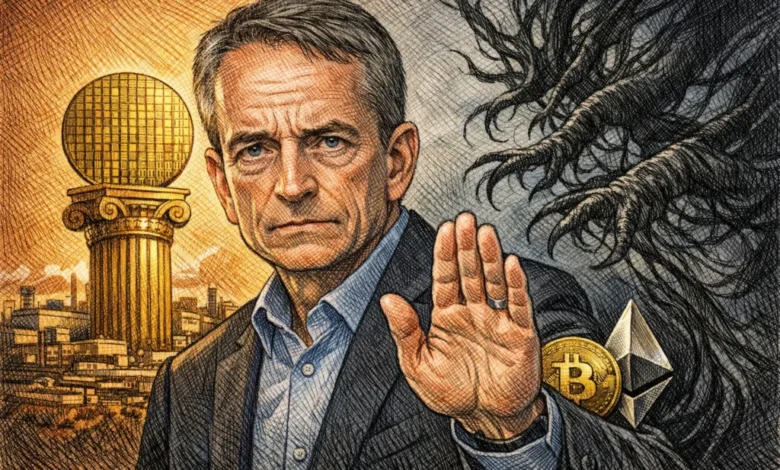
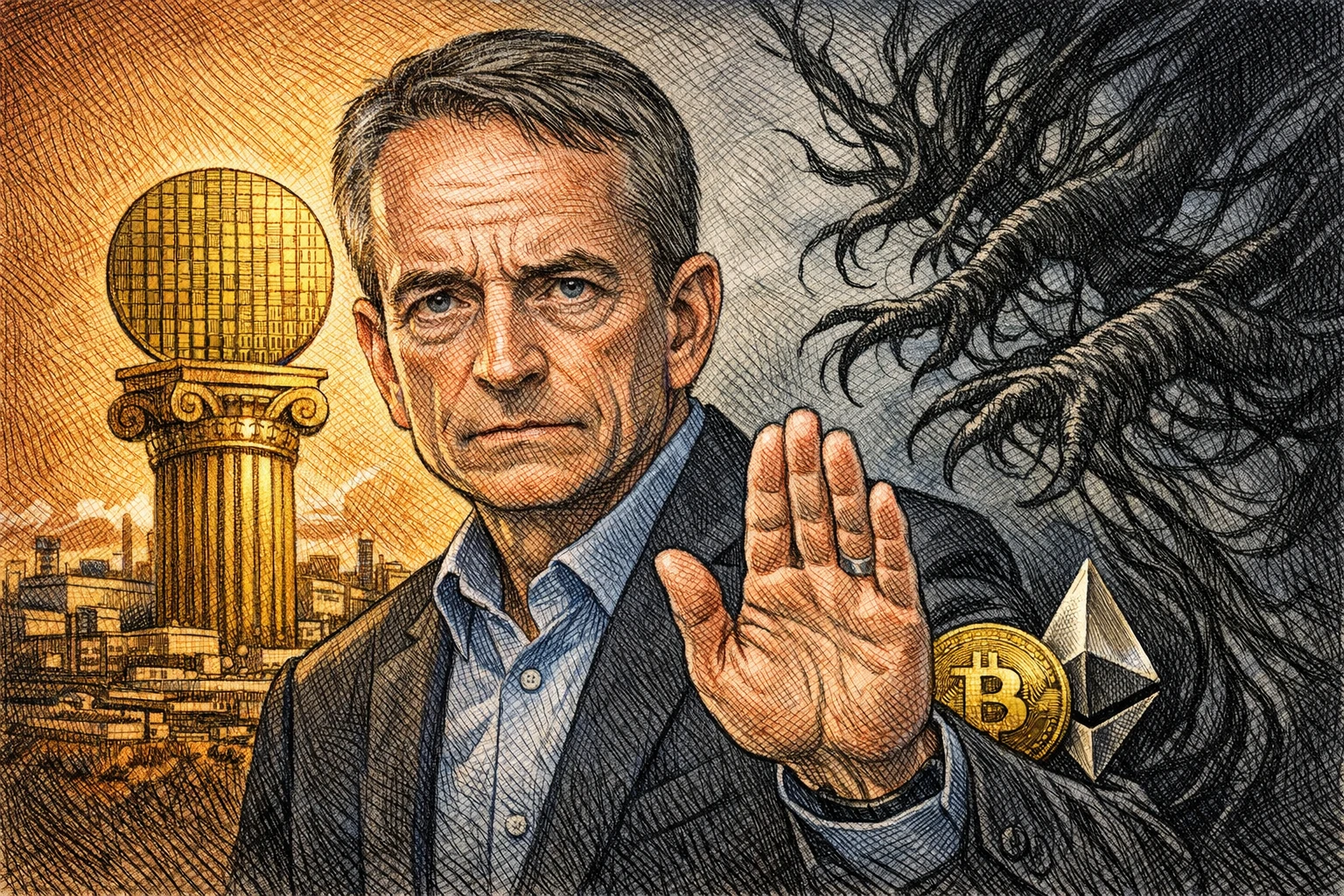
Intel CEO Pat Gelsinger has issued a stark warning regarding Taiwan’s energy security and its critical implications for the global economy, suggesting that a potential Chinese blockade of the Taiwan Strait could trigger a semiconductor crisis on par with the 1930s Great Depression. Gelsinger’s comments, made during a recent appearance on the "All-In Podcast," highlighted Taiwan’s perceived vulnerability with less than three weeks of energy reserves, a situation he believes "should send shivers down everyone’s spine." In response, Taiwan’s Ministry of Economic Affairs (MOEA) has strongly refuted these claims, asserting that the island nation possesses sufficient energy reserves, a resilient power grid, and an exceptionally robust semiconductor supply chain, dismissing Gelsinger’s statements as "biased and based on incomplete information."
Intel CEO’s Stark Warning on Taiwan’s Energy Vulnerability
Pat Gelsinger, at the helm of one of the world’s leading semiconductor manufacturers, articulated his concerns in mid-July, drawing a direct parallel between Taiwan’s energy situation and the devastating economic downturn of the 1930s. His primary contention revolved around Taiwan’s heavy reliance on energy imports and the potential for these supply lines to be severed in the event of a Chinese military action or blockade. He underscored the critical role Taiwan plays in the global semiconductor industry, particularly through Taiwan Semiconductor Manufacturing Company (TSMC), which accounts for over 60% of the world’s semiconductor foundry market and more than 90% of advanced chip production. A disruption in this supply, Gelsinger argued, would have catastrophic ripple effects across numerous industries, from consumer electronics and automotive to defense and telecommunications.
Gelsinger also pointed to increasing geopolitical tensions, noting that China has conducted at least seven significant military exercises around the Taiwan Strait in the past four years. These drills, often involving naval and air force maneuvers, are widely interpreted as a show of force and a warning to Taiwan and its international partners. The Intel CEO implied that such actions could escalate into a full-scale blockade, which, given Taiwan’s limited domestic energy resources, would rapidly cripple its industrial output, including the vital semiconductor sector. He projected that such a scenario could halt up to 90% of global advanced chip supply, leading to an unprecedented economic shock. His invocation of the 1930s Great Depression was intended to convey the potential for a systemic breakdown of global supply chains and a severe, prolonged worldwide recession.
Taiwan’s Ministry of Economic Affairs Rebuts Claims, Citing Robust Infrastructure
The Taiwanese Ministry of Economic Affairs swiftly countered Gelsinger’s assertions, presenting a comprehensive overview of the nation’s energy policies, infrastructure resilience, and industrial capabilities. The MOEA emphasized that Gelsinger’s assessment of Taiwan’s energy vulnerability was oversimplified and failed to account for the government’s strategic planning and ongoing investments in energy security.
Energy Reserves and Future Demand Projections
The MOEA provided specific data to demonstrate Taiwan’s preparedness. It projected that the nation’s power reserve capacity is expected to remain above a healthy 6% by 2025, a benchmark considered adequate for stable power supply. Furthermore, the ministry highlighted that Taiwan experienced "green light" conditions – indicating sufficient power supply with ample reserves – for an impressive 342 days in the preceding year. This metric suggests a consistent and reliable electricity supply, a crucial factor for energy-intensive industries like semiconductor manufacturing.
Addressing concerns about future electricity demand, particularly from the rapidly expanding AI and high-tech sectors, the MOEA forecast that the annual electricity demand growth between 2026 and 2035 would remain below 2.5%. This projection accounts for the anticipated growth of advanced manufacturing facilities and data centers, suggesting that current infrastructure development plans are well-aligned to meet future needs without compromising stability. The ministry detailed ongoing investments in upgrading the national power grid, including the deployment of smart grid technologies, development of localized microgrids, and expansion of energy storage solutions. These initiatives aim to enhance grid stability, reduce transmission losses, and provide redundancy, thereby bolstering the overall resilience of Taiwan’s energy infrastructure against both natural disasters and potential external disruptions.
Resilience Against Natural Disasters: A 25-Year Track Record
Beyond energy reserves, the MOEA underscored Taiwan’s proven resilience in the face of significant natural challenges, particularly earthquakes. The island is situated in a seismically active zone, experiencing frequent tremors. Despite this, the ministry proudly stated that in the 25 years since the devastating 921 earthquake in 1999, which caused widespread damage across the island, up to the recent 0403 Hualien earthquake in 2024, Taiwan’s critical semiconductor factories have never ceased operations for more than a single day.
This remarkable track record is attributed to stringent building codes, advanced seismic isolation technologies implemented in industrial facilities, and rapid response and recovery protocols. Semiconductor fabrication plants (fabs) are designed with sophisticated earthquake-resistant structures, including base isolators that absorb seismic energy, minimizing structural damage and operational disruptions. Moreover, Taiwan’s industrial ecosystem has developed highly efficient recovery mechanisms, enabling quick assessments, repairs, and resumption of production following seismic events. The MOEA emphasized that this demonstrates not just robust physical infrastructure but also an unparalleled operational resilience, capable of withstanding severe shocks. This inherent strength, developed over decades of experience, positions Taiwan’s high-tech manufacturing sector as a reliable global partner, even amidst environmental challenges. The ministry also highlighted the broader resilience of Taiwan’s Information and Communications Technology (ICT) and high-tech industries, which have demonstrated robust performance and adaptability even during global crises like the COVID-19 pandemic, maintaining supply chain integrity where others faltered.
Diversification of Energy and Strategic Reserves
The MOEA also addressed concerns about Taiwan’s energy import dependency by detailing its comprehensive strategy for diversification of energy sources. While acknowledging that Taiwan imports approximately 98% of its energy, primarily fossil fuels, the ministry clarified that these imports are sourced from a wide array of international partners, significantly reducing reliance on any single geographical region or supplier. This diversified procurement strategy acts as a critical buffer against geopolitical risks affecting specific trade routes or producing nations.
Furthermore, Taiwan maintains substantial strategic reserves of oil and liquefied natural gas (LNG), ensuring continuity of supply for critical periods. These reserves are managed by state-owned enterprises like CPC Corporation, Taiwan, and serve as a crucial safeguard against short-term supply interruptions. The MOEA outlined ongoing efforts to further enhance energy resilience, including the expansion of LNG receiving terminals, development of offshore wind farms, and investment in geothermal and solar power projects. The goal is to gradually shift towards a more diversified and sustainable energy mix, reducing the overall dependency on imported fossil fuels in the long run. The ministry concluded that Gelsinger’s remarks concerning Taiwan’s energy reliance likely stem from a "misconception" of the island’s dynamic and adaptive energy security framework.
Broader Implications for Global Semiconductor Supply Chains
The exchange between Intel’s CEO and Taiwan’s MOEA underscores the intense global scrutiny currently focused on Taiwan’s geopolitical stability and its paramount role in the semiconductor supply chain. TSMC’s dominance, particularly in advanced node manufacturing (e.g., 5nm, 3nm), means that any significant disruption to its operations would have far-reaching and potentially catastrophic consequences for the global technology industry and wider economy. The interconnected nature of modern supply chains means that a bottleneck in advanced chips could halt production in sectors from smartphones and laptops to artificial intelligence, cloud computing, and advanced weaponry.
The potential economic fallout of a Taiwan conflict has been estimated by various analyses to be in the trillions of dollars, far exceeding the impact of the Russia-Ukraine war or the 2008 financial crisis. For instance, a report from Bloomberg Economics projected that a full-scale conflict could wipe out $10 trillion from the global economy. Such analyses lend a degree of gravity to Gelsinger’s "Great Depression" analogy, even if his specific claims about Taiwan’s energy reserves are disputed. His warning also aligns with broader discussions in Western governments, particularly in the United States, about "de-risking" supply chains and encouraging "friend-shoring" or domestic manufacturing of critical components like semiconductors. Intel itself is a beneficiary of such policies, receiving substantial government subsidies to build new fabs in the US and Europe, positioning itself as an alternative to the perceived geopolitical risks associated with Taiwan. This context suggests that Gelsinger’s public statements, while framed as a warning, also serve Intel’s strategic interests in promoting a more geographically diversified semiconductor manufacturing base.
The Validity of Gelsinger’s Warning: A Deeper Look
While Gelsinger’s intention to highlight geopolitical risks to the semiconductor industry is understandable, the accuracy and context of his specific claims regarding Taiwan’s energy reserves and resilience warrant closer examination. The MOEA’s detailed rebuttal, backed by specific data on reserve capacity, "green light" days, and a quarter-century track record of uninterrupted semiconductor production despite major earthquakes, presents a compelling counter-narrative.
Gelsinger’s reference to "less than 3 weeks" of energy reserves appears to simplify a complex system of strategic stockpiles, diversified procurement, and emergency response mechanisms. Furthermore, his mention of "7 military exercises in 4 years" around the Taiwan Strait, while factually correct regarding increased Chinese military activity, might be presented in a manner that exaggerates the immediate threat to Taiwan’s operational stability, especially when juxtaposed with Taiwan’s demonstrated ability to maintain critical infrastructure functionality during such periods.
It is undeniable that Taiwan’s energy import dependency remains a strategic vulnerability. However, the MOEA’s emphasis on diversification, robust strategic reserves, and continuous investment in grid resilience paints a picture of a nation actively managing these risks. The argument that Taiwan’s semiconductor industry has never stopped production for more than a day during 25 years of significant seismic activity is a powerful testament to its operational robustness, a factor often overlooked in discussions focused solely on geopolitical tensions. The "Golden Zone" concept, referring to the highly resilient industrial clusters where advanced fabs are located, further exemplifies Taiwan’s commitment to protecting its vital economic assets.
Ultimately, Gelsinger’s warning, while potentially serving Intel’s broader strategic goals in a competitive market, also reflects legitimate concerns within the global community about the concentration of advanced chip manufacturing in a geopolitically sensitive region. However, Taiwan’s government and industry leaders are keen to demonstrate that these concerns, while valid, do not equate to an imminent or unmanaged crisis. They argue that Taiwan has systematically built layers of resilience—from energy procurement and grid management to disaster preparedness and supply chain agility—to ensure its continued stability and reliability as a cornerstone of the global technology ecosystem. This ongoing dialogue highlights the intricate balance between geopolitical anxieties and the tangible, demonstrated capabilities of a critical global supplier.