LG Faces Scrutiny Over Unsolicited Monitor App Installations and Extensive Data Collection

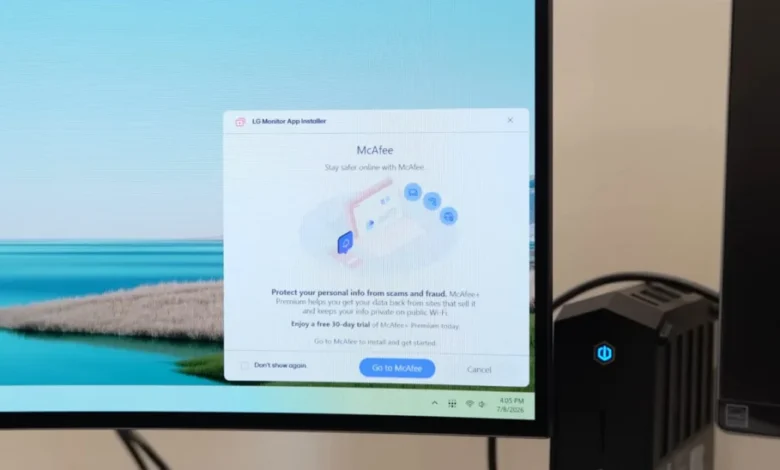
A significant privacy and consumer trust controversy is unfolding as users report the unprompted installation of the "LG Monitor App Installer" and its associated advertisements on their Windows systems. This software, appearing without explicit user permission or a clear installation prompt, is drawing sharp criticism, particularly given LG’s position as a manufacturer of premium, often high-priced, computer monitors. The core of the concern lies not only in the unsolicited nature of the installation but also in the alarmingly broad permissions the application demands, including access to sensitive personal data.
The Unwelcome Intrusion: Technical Details and Permissions
Reports indicate that the LG Monitor App Installer and its accompanying advertisements are appearing on users’ systems without any prior consent or notification from LG. This stealthy installation process has been highlighted by tech channels such as Gamers Nexus, which shared screenshots depicting the LG app installing via Windows Update, an unusual and concerning vector for proprietary software. The lack of transparency surrounding its installation is a primary point of contention for consumers who invest significantly in LG’s hardware, with some monitors exceeding $1,000 in cost. The expectation for such high-end peripherals is a clean, unencumbered user experience, not the forced introduction of bloatware.
Even more troubling are the permissions granted to the application once installed. As articulated by sources like "Burke" (from the original report, likely a user or expert cited by Gamers Nexus), the LG Monitor App Installer "technically possesses permission to use ‘all system resources.’" This blanket access is a red flag for cybersecurity experts and privacy advocates. Furthermore, Burke explicitly states that the app is permitted to "collect geolocation, device data, online activity, contacts, user credentials, transactions, and more."
To contextualize these permissions:
- Geolocation: Tracking a user’s physical location, which can reveal sensitive patterns of life.
- Device data: Information about the computer system itself, potentially including hardware specifications, installed software, and network configuration.
- Online activity: Monitoring browsing habits, website visits, and application usage, painting a detailed picture of a user’s digital life.
- Contacts: Accessing address books and contact lists, which extends the privacy intrusion beyond the individual user to their network of acquaintances.
- User credentials: While vague, this could imply access to login information for various services, posing a severe security risk.
- Transactions: Potentially monitoring purchasing habits, financial activities, and other highly sensitive economic data.
These permissions go far beyond what would typically be considered necessary for a monitor’s companion application, raising serious questions about data monetization and user profiling. The notion that a monitor, a display device, would require such deep access to personal and system resources is fundamentally at odds with consumer expectations of privacy and digital security.
A Growing Concern: Chronology and User Outcry
While the recent wave of public complaints has brought this issue to the forefront, evidence suggests that the practice of auto-installing LG’s software is not new. Burke noted that he recently began seeing pop-up ads on LG monitors he purchased as far back as three years ago, indicating a long-standing pattern that has seemingly expanded in scope or become more aggressive over time. This suggests a gradual rollout or activation of these features, potentially catching long-term users by surprise.
The controversy gained significant traction following the investigation and reporting by Gamers Nexus, a prominent YouTube channel known for its in-depth hardware reviews and technical analyses. Their video detailed the unprompted installations and highlighted the extensive permissions, prompting a wave of corroborating complaints from users across various online forums and social media platforms. The affected monitors, based on user complaints cited by Gamers Nexus, include models known for their high performance and price point. While a definitive list is challenging to compile given the nature of the issue, the implication is that many LG monitor owners could be affected, and potentially more will be as the practice expands. The widespread nature of the complaints underscores a significant erosion of trust among LG’s customer base, many of whom are tech enthusiasts and professionals who value control over their systems.
Microsoft’s Stance and the Broader Industry Context
The incident also shines a light on Microsoft’s policies regarding Universal Windows Platform (UWP) device apps and their automatic installation capabilities. The LG Monitor App Installer’s description on the Microsoft Store vaguely states its purpose as enabling users to "easily install and use apps supported by your monitor," listing McAfee as one example of a supported application. This suggests that the installer itself might be a gateway for additional, potentially unwanted, third-party software.
Microsoft’s support documentation for Windows developers clarifies that UWP device apps "to automatically install when the user connects their device to the PC" under certain conditions. These conditions include the user not having opted out of "Recommended Settings" during Windows installation and being connected to the Internet and signed into the Microsoft Store. Crucially, Microsoft’s documentation also includes a warning: "The automatic installation feature does not provide a notification to the user when the app is installed. Some users may find this experience confusing and frustrating and give your app a bad rating." This statement, while a candid acknowledgment of potential user dissatisfaction, effectively provides a loophole that hardware manufacturers can exploit to push software without explicit user consent.
This practice is not entirely new or unique to LG. Other prominent hardware vendors have faced similar criticism for automatically installing unwanted software or "bloatware" when their devices are connected to a computer. Examples include:
- Razer: Known for its gaming peripherals, Razer has been criticized for installing its Synapse software, sometimes without explicit consent, to manage device settings.
- Logitech: A major player in gaming and productivity peripherals, Logitech has also drawn fire for its G Hub software, which users report can be intrusive or difficult to avoid.
- Asus: Motherboard manufacturers like Asus have faced complaints about their utilities, such as Armoury Crate, which can auto-install and provide a suite of features but also unwanted bloatware.
- Gigabyte: Similar to Asus, Gigabyte has been accused of installing proprietary software and utilities on users’ systems without clear prompts.
What makes the LG situation particularly egregious, however, is the nature of the device. Unlike a gaming mouse or keyboard that might genuinely benefit from companion software for customization (DPI settings, macros, RGB lighting), a monitor typically requires minimal, if any, proprietary software to function optimally. Basic display drivers are usually sufficient, and advanced calibration tools are often standalone or integrated into operating system settings. The forcible installation of an app that demands extensive permissions for a device that is primarily a display output device crosses a line for many consumers.
LG’s Silence and the Broader Implications
Ars Technica, a respected technology publication, reportedly reached out to LG for comment on the purpose of the LG Monitor App Installer, the range of affected monitors, and the significant privacy concerns raised. As of the time of publication, LG acknowledged receipt of the questions but did not provide a substantive response. This silence further fuels consumer distrust and leaves critical questions unanswered regarding the company’s intentions and data handling practices.
The implications of this controversy extend beyond individual user annoyance:
- Erosion of Consumer Trust: Forcing software onto users, especially with invasive permissions, severely damages the relationship between consumers and manufacturers. In an increasingly competitive market, trust is a crucial differentiator.
- Data Privacy Concerns: The collection of extensive personal data, including geolocation, online activity, contacts, and transactions, raises serious privacy alarms. This practice could potentially fall under the scrutiny of data protection regulations like GDPR in Europe or CCPA in California, which mandate explicit consent for data collection and transparency in its use.
- Security Vulnerabilities: Any software that has "all system resources" access, particularly one installed without explicit user interaction, represents a potential attack vector. If compromised, such an application could be exploited to gain deep access to a user’s system.
- The "Smart Everything" Dilemma: This incident highlights a growing trend where even seemingly simple devices are being integrated with "smart" features and companion apps, often with a hidden agenda of data collection and monetization. Consumers are increasingly wary of their devices becoming surveillance tools.
- Regulatory Scrutiny: If this practice continues unchecked, it could prompt regulatory bodies to examine the auto-installation policies of hardware manufacturers and the permissions they demand, potentially leading to new consumer protection laws or enforcement actions.
- Brand Reputation: LG, a globally recognized brand, risks significant reputational damage. Consumers who have paid a premium for their products expect quality and respect for their privacy, not intrusive advertising and data harvesting.
The current situation with the LG Monitor App Installer serves as a stark reminder of the ongoing tension between hardware manufacturers seeking to add "value" or monetize their products post-sale, and consumers’ fundamental right to privacy and control over their own computing environments. The absence of a clear, user-friendly opt-in mechanism for such software, coupled with its broad data collection permissions, represents a critical misstep that could have long-lasting repercussions for LG and the wider tech industry. Until LG provides a transparent explanation and a clear pathway for users to control or remove this software, the shadow of unwanted intrusion and privacy concerns will continue to loom over its monitors.