From Viral Videos to the Silver Screen: Caleb Hearon and Zooey Deschanel Share Industry Insights at TIFF

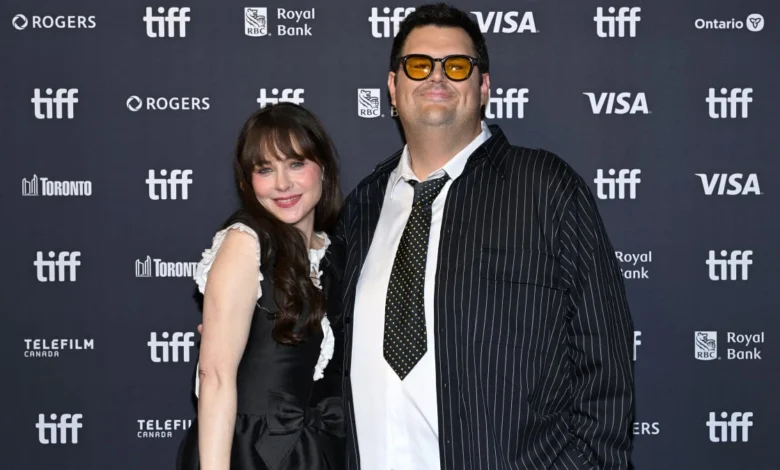
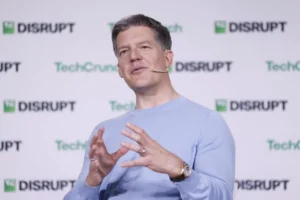
The intersection of digital content creation and traditional filmmaking took center stage at the Toronto International Film Festival (TIFF) as actors and creators Caleb Hearon and Zooey Deschanel participated in a high-profile panel discussion. Moderated by Jenny Kim, TikTok’s Global Entertainment Partnerships Lead, the event—titled "For You Feed to Feature Film"—delved into the mechanics, challenges, and cultural shifts associated with transitioning from online platforms to major cinematic productions.
The panel served as a focal point for industry professionals, aspiring filmmakers, and digital creators navigating the rapidly evolving landscape of modern entertainment. Against the backdrop of one of the world’s most prestigious film festivals, the discussion highlighted how digital storytelling platforms are increasingly functioning as incubators for mainstream cinematic talent.
Main Facts and the TIFF Panel Context
The central focus of the panel was the collaborative feature film Trash Mountain, starring both Hearon and Deschanel. Hearon, who co-wrote the screenplay alongside Ruby Caster, represents a new wave of talent that has successfully leveraged digital platforms to build substantial audiences before making the leap into feature-length filmmaking.
The conversation at TIFF, captured in part by entertainment journalists on the ground, centered on the hurdles creators face when attempting to cross traditional industry divides. Rather than offering standard platitudes about hard work and perseverance, both panelists provided pragmatic, sometimes blunt advice regarding artistic autonomy, industry gatekeeping, and financial realities.
The panel underscored a broader industry trend: traditional Hollywood studios and independent financiers are increasingly looking to social media platforms to identify pre-vetted talent with built-in audiences. However, this shift comes with its own set of structural challenges for creators who must navigate corporate expectations while attempting to preserve their creative voice.
Chronology of the Digital-to-Film Pipeline
The phenomenon of internet creators transitioning to traditional cinema is not entirely new, but the velocity and scale of the shift have accelerated dramatically over the past decade.
Historically, the path to Hollywood ran through traditional mediums such as theater, local comedy clubs, or television commercials. In the late 2000s and early 2010s, early pioneers began utilizing platforms like YouTube to bypass traditional gatekeepers, producing micro-budget web series that occasionally caught the attention of studio executives.
By the mid-2010s, the maturation of platforms like Vine, Instagram, and eventually TikTok fundamentally altered the talent acquisition pipeline. Casting directors and studio executives began actively monitoring social media engagement metrics to gauge audience appeal before greenlighting projects.
The panel at TIFF represents the current phase of this evolution: creators are no longer merely being discovered for acting roles; they are writing, producing, and starring in feature films that retain the distinct voice and sensibility that made them popular online. Trash Mountain stands as a direct product of this modern pipeline, demonstrating how digital creators can retain writing and creative control in traditional film formats.
Industry Background and Economic Realities
While the romance of transitioning from a smartphone screen to a cinema marquee captures public imagination, the economic realities of modern entertainment remain complex. During the panel, Hearon offered a candid assessment of the financial structures underpinning contemporary media careers. Despite starring in four feature films over the preceding year, Hearon acknowledged that the bulk of his financial stability derived from traditional commercial ventures, specifically podcast advertising.
This dynamic speaks to a broader economic shift within the entertainment industry. As traditional media companies face profitability pressures in the streaming era, they frequently offload the financial risk of audience-building onto creators. Creators invest their own time, resources, and creative labor into building independent digital footprints, effectively serving as their own producers, marketers, and distributors before major studios step in.
According to economic analyses of the creator economy, this DIY foundation grants modern artists a degree of leverage that previous generations of aspiring actors and writers did not possess. Because creators own their distribution channels and maintain direct relationships with their audiences, they are less reliant on traditional studio validation to survive financially. However, this autonomy requires strict boundary-setting to avoid exploitation by institutional players seeking to capitalize on pre-existing digital audiences without offering commensurate compensation or creative control.
Official Responses and Strategic Advice
The insights shared by Deschanel and Hearon provided actionable guidance for creators facing institutional resistance. Deschanel, drawing from her extensive career spanning independent cinema, major studio releases, and the music industry, emphasized the importance of self-determination. Reflecting on early career advice—where she was discouraged from pursuing music because of her established acting credentials—Deschanel advocated for a proactive approach to multidisciplinary artistry.
"How about you just be the person that does it first," Deschanel stated during the panel, encouraging creators to bypass external validation and focus on materializing their creative visions. She expressed a firm belief that individuals navigating the creative path inherently possess worthwhile perspectives that deserve public exposure.
Hearon expanded on this theme by addressing the institutional tendency to pigeonhole creators into singular, easily marketable identities. He advised emerging artists to cultivate the ability to decline unfavorable terms early in their careers.
"Get comfortable saying no very early," Hearon advised, warning against the pressure to accept restrictive contracts or misaligned projects out of a belief that traditional pathways represent the only route to professional advancement. He underscored that the DIY nature of digital content creation, while financially precarious at times, ultimately empowers artists to maintain control over their output rather than capitulating to corporate homogenization.
Broader Impact and Industry Implications
The discussions at the TIFF panel resonate far beyond the specific production of Trash Mountain. They point to an ongoing structural reconfiguration of the entertainment industry, where the boundary between "internet culture" and "cinema culture" continues to dissolve.
Festivals like TIFF have historically served as bastions of high art and traditional cinematic craftsmanship. The inclusion of panels focused on TikTok and digital-first creators signals a formal acknowledgment by the establishment that the future of storytelling is inextricably linked to digital platforms.
For industry analysts, the implications are twofold. On one hand, the democratization of content creation lowers barriers to entry, allowing diverse voices and unconventional narratives to bypass traditional gatekeepers who historically homogenized cinematic output. On the other hand, the financial burden placed on creators to prove their commercial viability independently risks favoring those with the economic privilege to sustain themselves through years of unpaid or underpaid digital labor.
As the industry continues to adapt, the advice articulated by Hearon and Deschanel—prioritizing creative autonomy, exercising strategic refusal of unfavorable institutional terms, and refusing to wait for traditional permission—serves as a pragmatic manifesto for the modern creator economy. Whether these digital-first talents can permanently alter the traditional studio system remains to be seen, but their growing presence at major international film festivals confirms that their impact is both enduring and transformative.