Fact Check Debunking Misleading Claims That Declining Air Pollution Is the Primary Cause of European Heatwaves

A significant controversy has emerged within the scientific and media landscapes following reports by major United Kingdom news outlets regarding the drivers of Europe’s recent record-breaking heatwaves. This summer, as Europe grappled with unprecedented temperatures and a mounting death toll, a study published in the journal Geophysical Research Letters became the center of a heated debate. The UK’s Daily Telegraph and GB News published headlines suggesting that the continent’s scorching heatwaves were caused by a fall in air pollution. However, leading climate scientists have intervened to clarify that such framing is fundamentally incorrect and misrepresents the relationship between aerosol reduction and greenhouse-gas-induced global warming.
The core of the dispute lies in how the media interpreted a study exploring the role of aerosols—tiny particles produced by burning fossil fuels—in atmospheric circulation. While the decline in these pollutants has indeed removed a historical "cooling mask" that temporarily suppressed rising temperatures, scientists emphasize that the primary driver of extreme heat remains the accumulation of greenhouse gases in the atmosphere. The misinterpretation of this research has been further amplified by political figures who have used the reports to challenge Net Zero policies, leading to a broader discussion about scientific literacy and the dangers of climate misinformation.

The Scientific Context: Aerosols and the Masking Effect
To understand the controversy, it is necessary to examine the role of aerosols in the Earth’s climate system. For decades, the burning of fossil fuels has released not only carbon dioxide (CO2) but also particulate matter, such as sulfates and nitrates. These aerosols have a complex but generally cooling effect on the planet. They act as a "parasol" by reflecting incoming sunlight back into space and influencing the formation and brightness of clouds, which further increases the Earth’s albedo (reflectivity).
Since the 1980s, European nations have implemented rigorous air quality regulations to combat the public health crises caused by smog and acid rain. As these "bright" aerosols were scrubbed from the atmosphere, the air became cleaner. However, this success in public health inadvertently removed the cooling mask that had been offsetting some of the warming caused by CO2. Scientists have long known that cleaning the air would reveal the "latent" warming already present in the system due to greenhouse gas emissions.
The new study, led by Dr. Pedro Roldán-Gómez of the Barcelona Supercomputer Centre, sought to determine why Europe is warming faster than other regions in the Northern Hemisphere. The research suggests that the reduction in aerosols has altered atmospheric circulation patterns, specifically influencing "quasi-stationary Rossby waves." These are large meanders in the high-altitude jet stream. When these waves become slow-moving or "stuck," they create high-pressure systems that trap hot air over specific regions for extended periods, resulting in prolonged heatwaves.
Chronology of the Media Misinterpretation
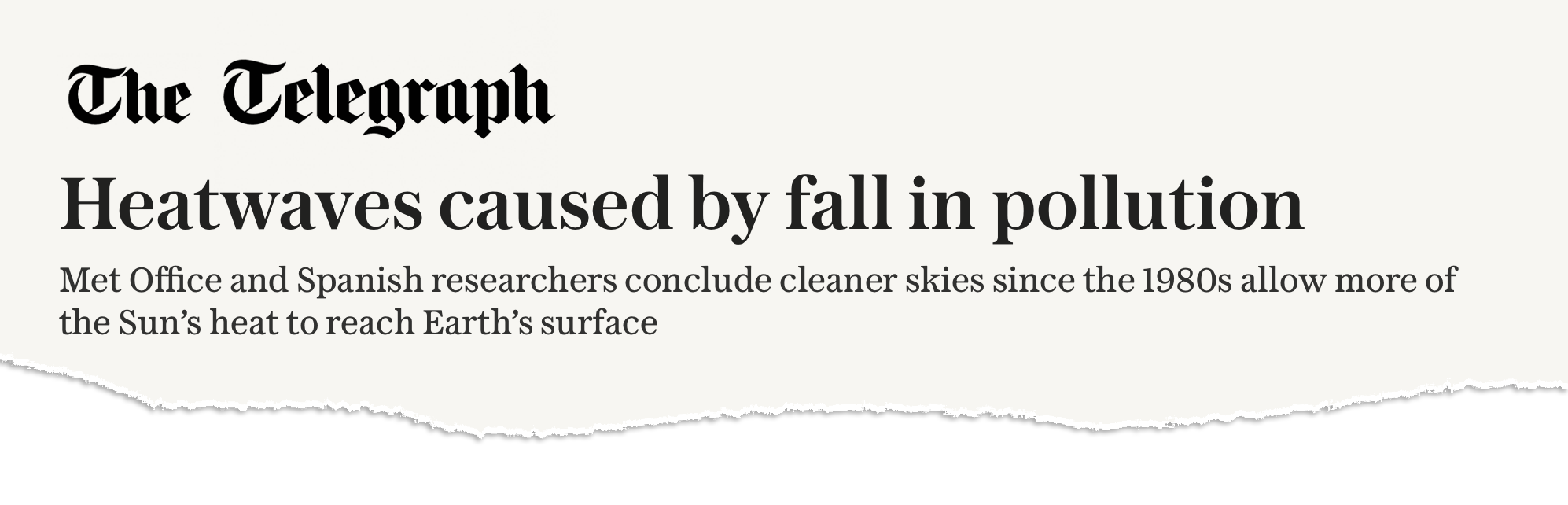
The timeline of the current controversy began in late July 2024, following the publication of the research in Geophysical Research Letters. On July 22, The Daily Telegraph published an article with the headline: "Heatwaves caused by fall in pollution." This headline suggested a direct causal link that the study’s authors did not intend. By framing the reduction of pollution as the "cause" of the heat, the report shifted the focus away from the underlying driver: the greenhouse effect.
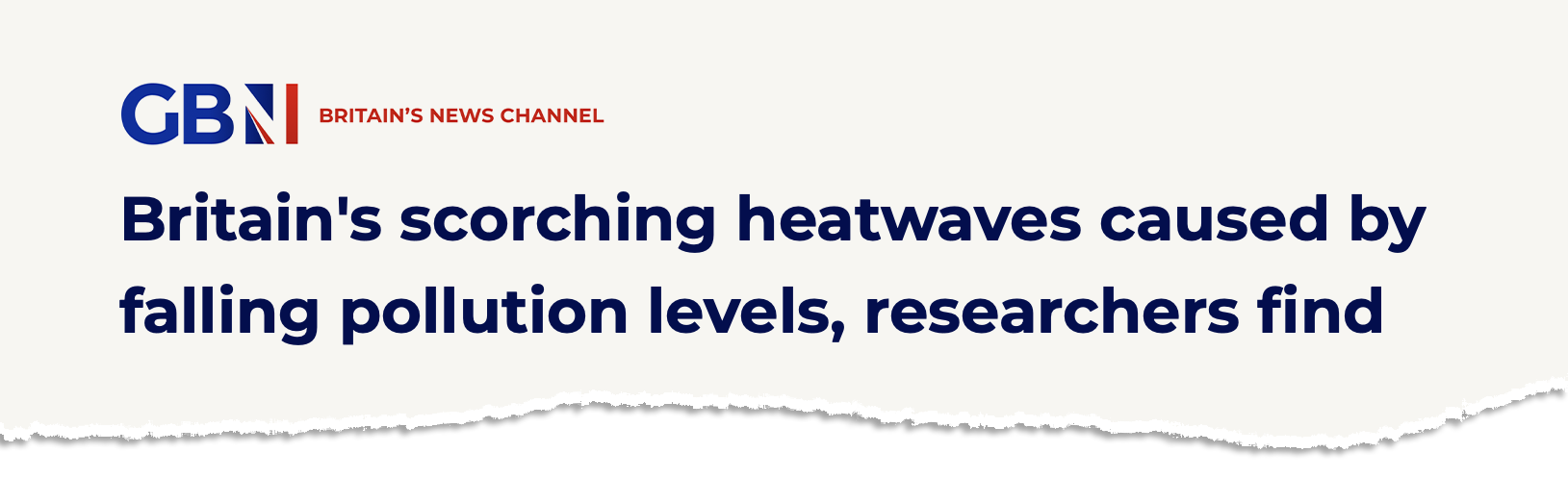
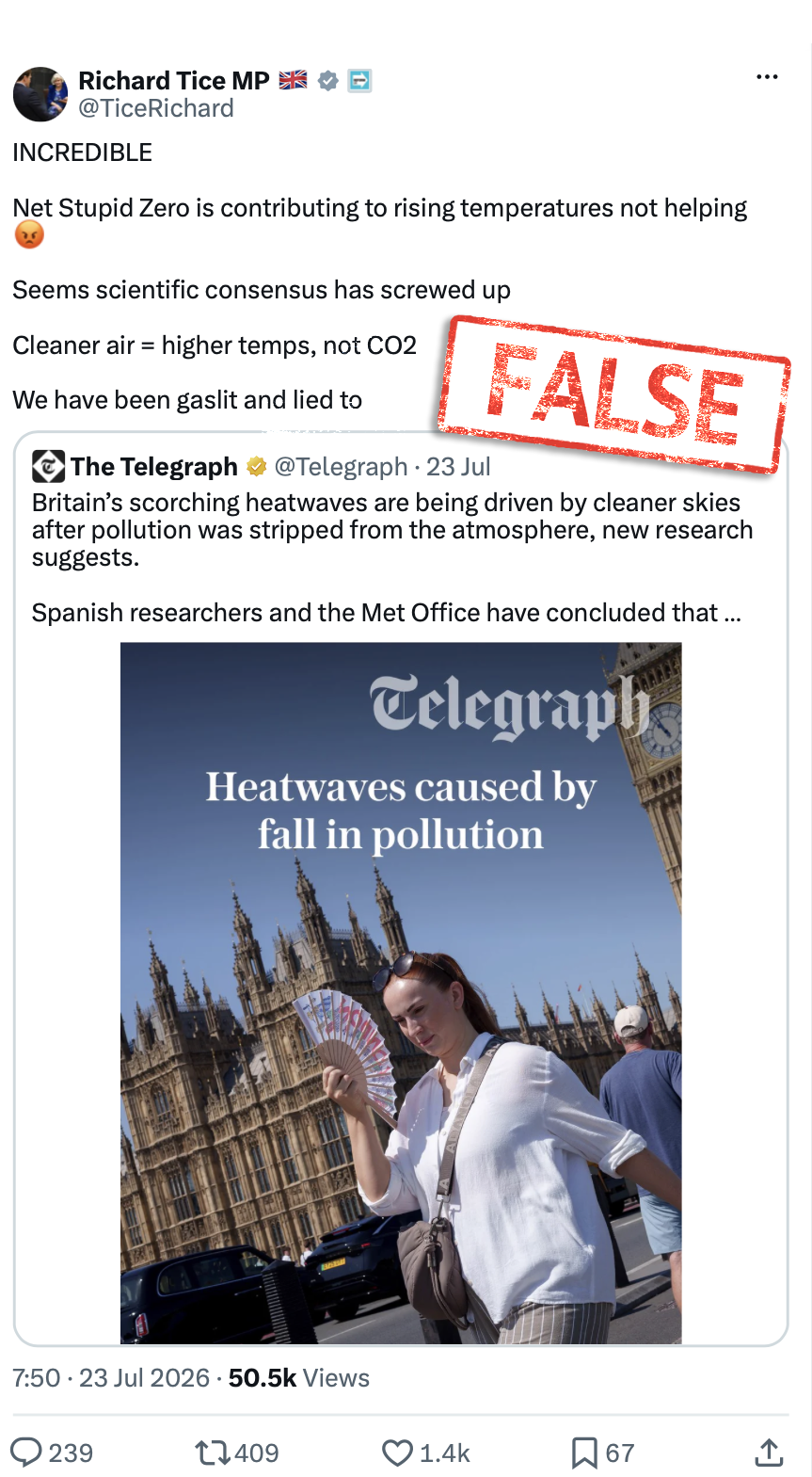
The following day, July 23, GB News amplified this narrative with a similar headline: "Britain’s scorching heatwaves caused by falling pollution levels, researchers find." This framing was quickly picked up by social media influencers and political figures. Richard Tice, the deputy leader of the Reform UK party, shared the Telegraph article on X (formerly Twitter), claiming that "net stupid zero is contributing to rising temperatures, not helping." Tice’s post suggested that the public had been "gaslit and lied to" regarding the causes of climate change, effectively using the misinterpretation of the study to undermine environmental policy.
The rapid spread of this narrative prompted a swift rebuttal from the scientific community. Experts from Norway’s Center for International Climate Research (CICERO) and ETH Zurich contacted media monitors and scientific outlets to correct the record, pointing out that the media had conflated a "contributing factor" with a "primary cause."
Supporting Data: Europe as the Fastest-Warming Continent
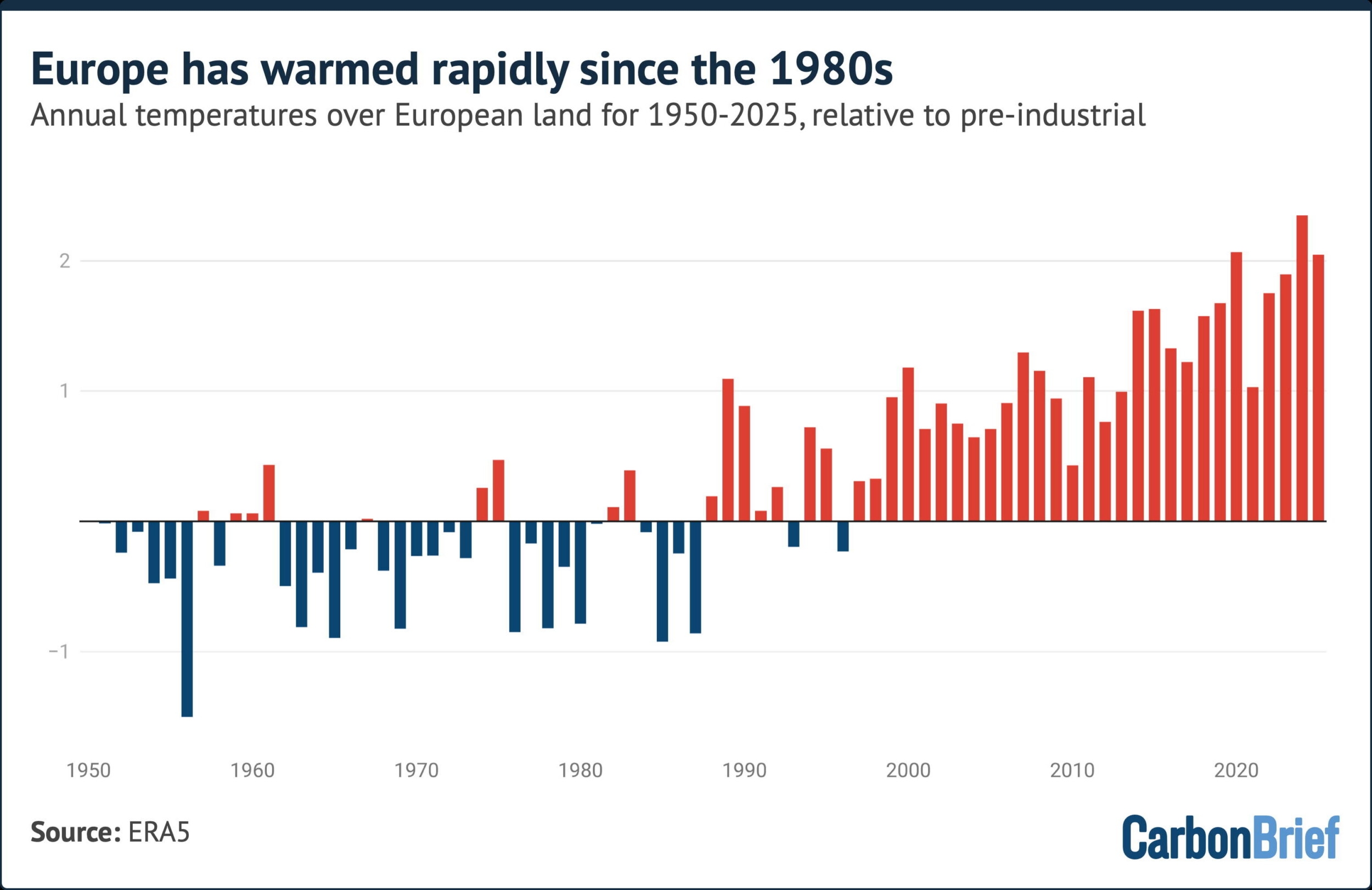
The debate occurs against a backdrop of alarming climatic data. According to the Copernicus Climate Change Service and the World Meteorological Organization (WMO), Europe is the fastest-warming continent on the planet. Since the 1980s, Europe has been warming at a rate roughly twice the global average. In the last decade alone, European summer temperatures have risen significantly, with 2022 and 2023 seeing some of the highest temperatures ever recorded on the continent.
Data indicates that since the pre-industrial era, Europe has warmed by approximately 2.3 degrees Celsius, compared to a global average of about 1.1 to 1.2 degrees Celsius. While the reduction of aerosols explains a portion of this "excess warming" compared to other regions, it does not replace the role of CO2. Professor Erich Fischer, a climate scientist at ETH Zurich, notes that heatwaves are fundamentally caused by high-pressure systems operating within a baseline climate that is now significantly warmer than it was a century ago.
Furthermore, the public health data regarding air pollution remains staggering. The World Health Organization (WHO) estimates that ambient air pollution is responsible for approximately 7 million premature deaths globally every year. In Europe, despite improvements, poor air quality continues to cause hundreds of thousands of deaths annually. Scientists argue that any suggestion that cleaning the air is a "mistake" or a "negative" ignores the massive humanitarian benefits of reducing particulate matter.
Official Responses and Scientific Clarifications
Scientists involved in and familiar with the research have been vocal in their criticism of the media’s framing. Dr. Pedro Roldán-Gómez, the lead author of the study, clarified that while the decline in aerosols is linked to much of the additional warming Europe experiences relative to other latitudes, the most important factor overall remains greenhouse gases. He described the distinction as a "tricky point" that requires careful explanation to avoid wrong interpretations.
Professor Bjørn Samset, a research professor at CICERO, was even more direct. He stated that "air pollution never causes or removes global warming; it only temporarily moderates it." He likened the situation to a person wearing a wet t-shirt on a hot day; the t-shirt provides a cooling effect, but taking it off does not "cause" the sun to be hot—it simply allows the person to feel the full heat of the sun.
Samset also pointed out a "glaring error" in both the study and the Telegraph’s reporting regarding the Montreal Protocol. The media reports attributed the decline in air pollution to the 1987 Montreal Protocol. However, the Montreal Protocol was designed specifically to phase out ozone-depleting substances like chlorofluorocarbons (CFCs), not the sulfate aerosols responsible for local air pollution. Clean air legislation, such as the UK’s Clean Air Acts and similar European directives, were the actual drivers of aerosol reduction and were in place well before or independent of the Montreal Protocol.
Broader Impact and Policy Implications
The misinterpretation of this climate research has broader implications for public policy, particularly regarding Net Zero targets. The attempt by political figures to link the aerosol study to Net Zero is, according to scientists, chronologically and logically flawed. The major decline in European air pollution began in the 1980s and 1990s, decades before "Net Zero" became a formalized policy goal in the 2010s.
The danger of this misinformation is that it creates a false choice between clean air and a stable climate. In reality, the transition to renewable energy achieves both goals simultaneously. Unlike fossil fuels, which emit both CO2 (long-term warming) and aerosols (short-term cooling), wind and solar power emit neither. While the removal of fossil-fuel-derived aerosols leads to a short-term "bump" in warming, the cessation of CO2 emissions is the only way to stop the long-term upward trend of global temperatures.
Furthermore, the controversy highlights the challenges of science communication in a polarized media environment. When complex atmospheric physics is reduced to a "clickbait" headline, the nuances of "masking" versus "causing" are lost. This can lead to a skeptical public believing that environmental regulations are counterproductive.

Conclusion: The Necessity of Factual Accuracy
The consensus among the scientific community is clear: Europe’s heatwaves are a direct result of a global climate system destabilized by greenhouse gas emissions. The decline in air pollution has merely revealed the true extent of the warming that humans have locked into the atmosphere. As the continent continues to face record-breaking temperatures, the need for accurate reporting and a clear understanding of climate drivers has never been more urgent.
While the study in Geophysical Research Letters provides valuable insight into how aerosol reduction affects atmospheric circulation and the jet stream, it does not provide an excuse to ignore the primary role of carbon emissions. Moving forward, the scientific community emphasizes that the only path to mitigating the intensity of future heatwaves is a rapid and sustained reduction in global greenhouse gas concentrations, while continuing to protect public health through clean air initiatives. The "mask" is off, and the reality of a warming world requires a focused and scientifically grounded response.