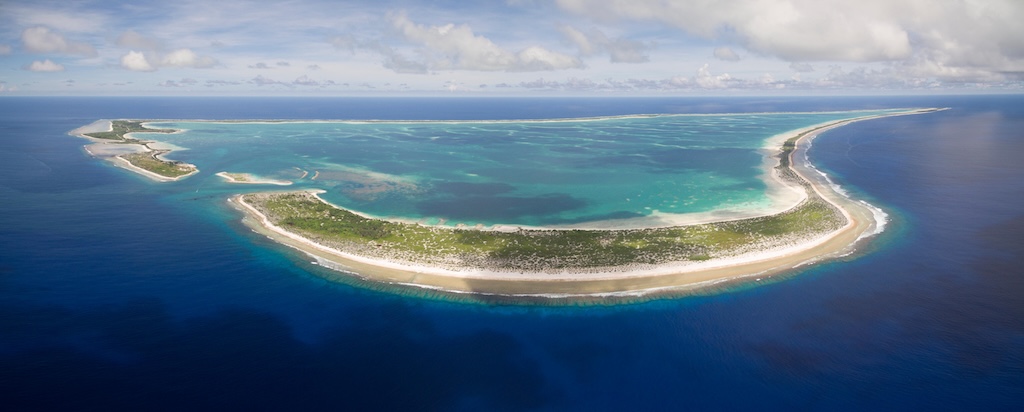
For millions of people residing in the world’s low-lying coastal regions, the encroaching ocean is no longer a distant climate projection but a daily reality that is fundamentally reshaping economies, cultural heritage, and the very viability of human settlements. As world leaders gather at the United Nations General Assembly in New York this week, the focus is squarely on a high-level declaration addressing the existential peril posed by accelerating sea level rise (SLR). The declaration serves as a stark acknowledgment that for many nations, particularly those in the Pacific and Indian Oceans, the window for adaptation is closing rapidly.
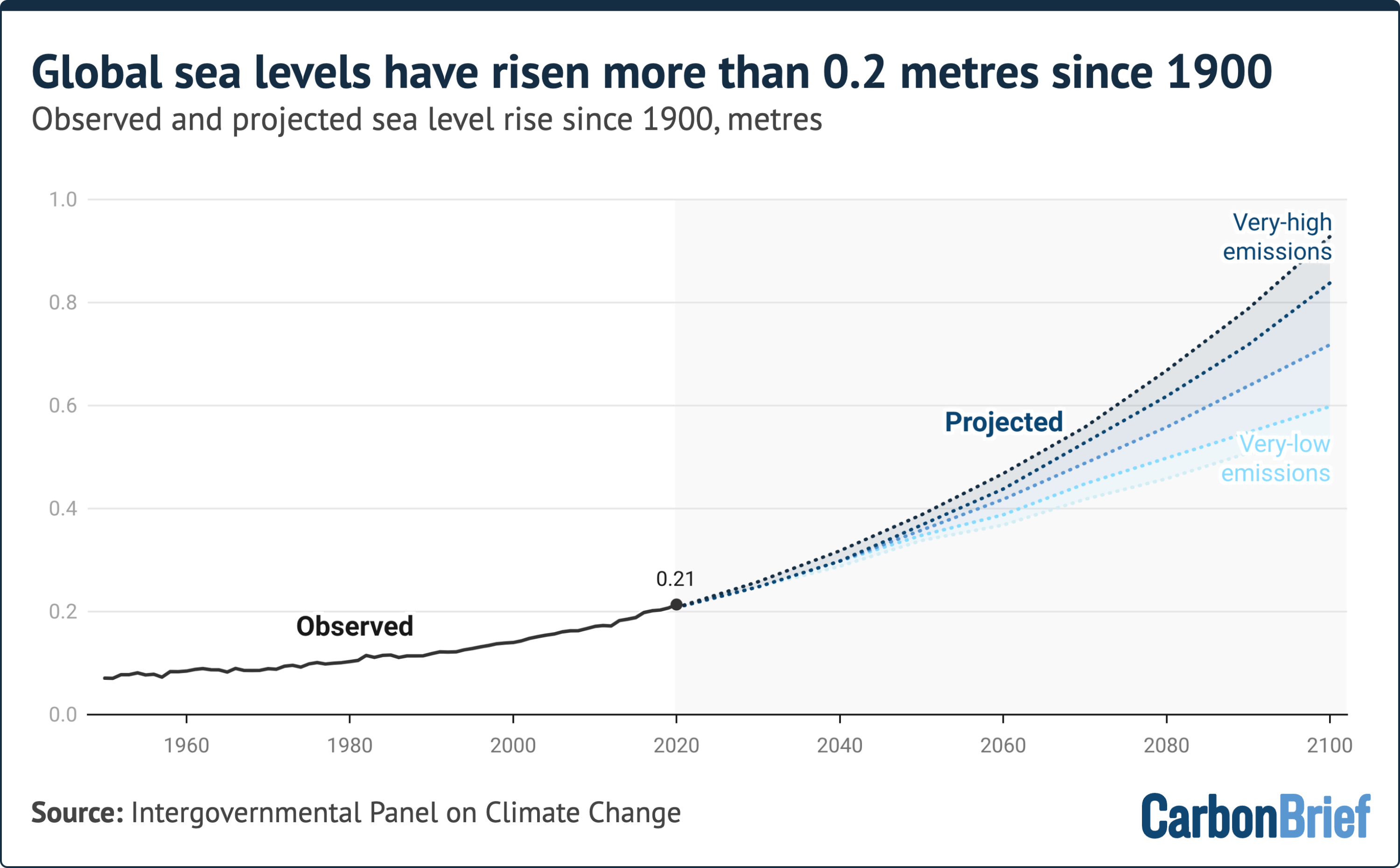
The scientific consensus underpinning this diplomatic urgency is robust. Global mean sea levels are currently rising at a rate unprecedented in at least the past 3,000 years. Since 1970, human-induced climate change has been identified as the dominant driver of this acceleration. Between 1901 and 2018, global average sea levels rose by 20 centimeters, a process fueled by the thermal expansion of warming seawater and the accelerated melting of land-based glaciers and ice sheets. In recent years, the velocity of this rise has increased significantly; satellite altimetry data confirms that ocean levels have risen by 10.6 centimeters since 1993 alone. Under current moderate-emissions scenarios, scientists project an additional 56-centimeter rise by 2100 relative to the 1995–2014 baseline.
A Chronology of Acceleration and Risk
The trajectory of sea level rise is marked by critical inflection points. The 20th century saw a steady increase in meltwater contribution, but the 21st century has introduced a non-linear acceleration.
- 1901–1990: A period characterized by moderate, largely thermal-expansion-driven rise.
- 1993–Present: The satellite era reveals a distinct upward shift in the rate of rise, moving from approximately 2 millimeters per year in the early 90s to over 4 millimeters per year today.
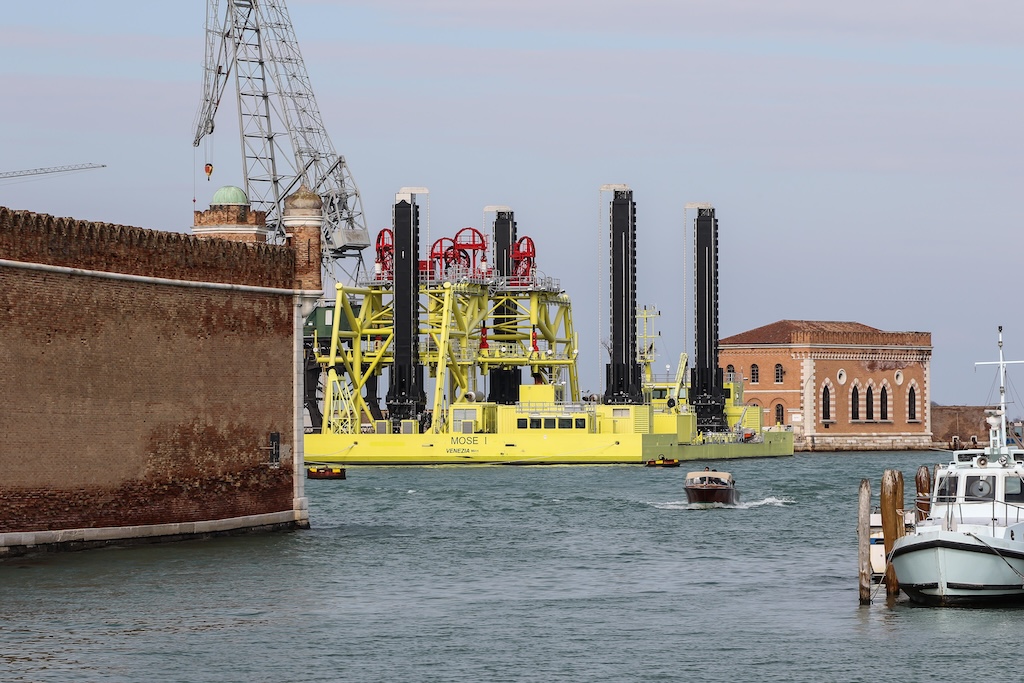
- 2020: The operational success of major adaptation projects, such as Venice’s MOSE flood barrier, highlighted the technological desperation of historic coastal cities.
- 2025: The publication of the UN Global Wetland Outlook, which detailed the catastrophic loss of 28 million hectares of coastal ecosystems since 1970—a landmass roughly equivalent to the size of Ecuador.
The Geography of Vulnerability: Cities and Communities
According to a recent UN report, approximately 770 million people—10% of the global population—are classified as being at "acute risk" of negative impacts. This designation applies to populations living at elevations less than five meters above the high-tide line. The risk is not distributed equally; it is concentrated in dense, rapidly expanding urban hubs such as Mumbai, Kolkata, Shenzhen, and Guangzhou, as well as the entirety of several Small Island Developing States (SIDS).
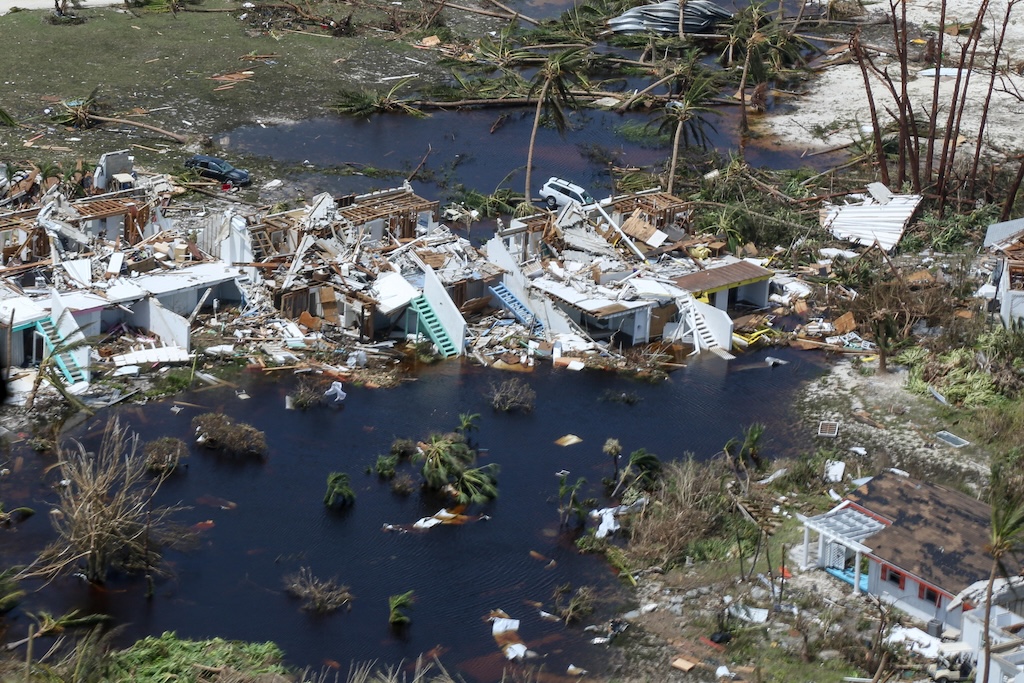
The threat manifests in three primary ways: persistent inundation, intensified storm surges, and saltwater intrusion. The frequency of what were once considered "100-year" extreme sea level events has increased 12-fold since 1900. By the end of the century, these events are expected to become annual occurrences in many global ports, threatening to disrupt global trade routes and the functionality of critical wastewater and energy infrastructure.
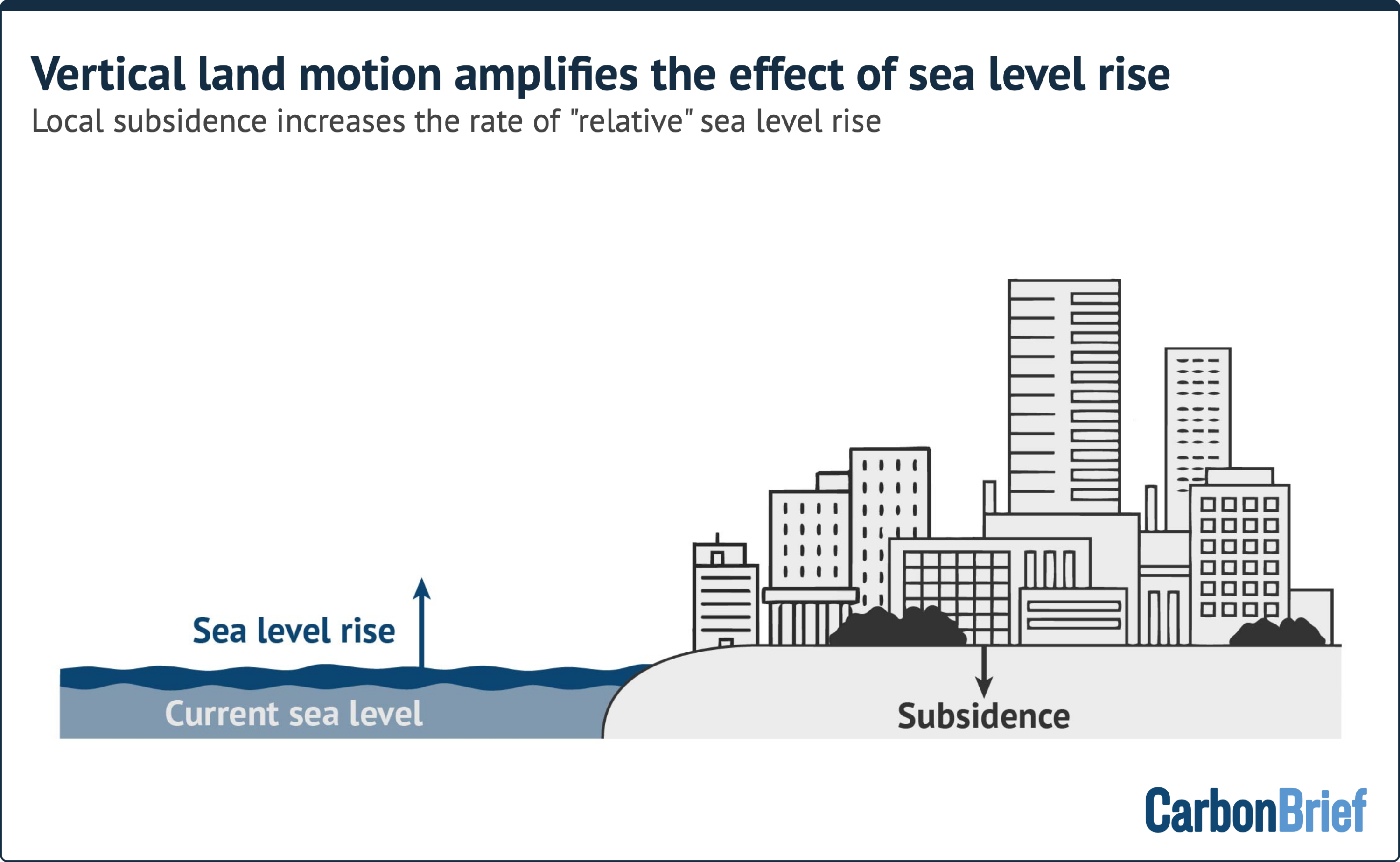
Moreover, the phenomenon of "relative" sea level rise is often exacerbated by human activity. In Jakarta, Indonesia, the combination of global sea level rise and localized land subsidence—caused by excessive groundwater extraction—has resulted in the city sinking by up to 15 centimeters annually in some districts. This demonstrates that for many cities, the challenge is twofold: mitigating global climate change while simultaneously managing local urban planning failures that amplify the encroaching tide.
Economic and Legal Implications
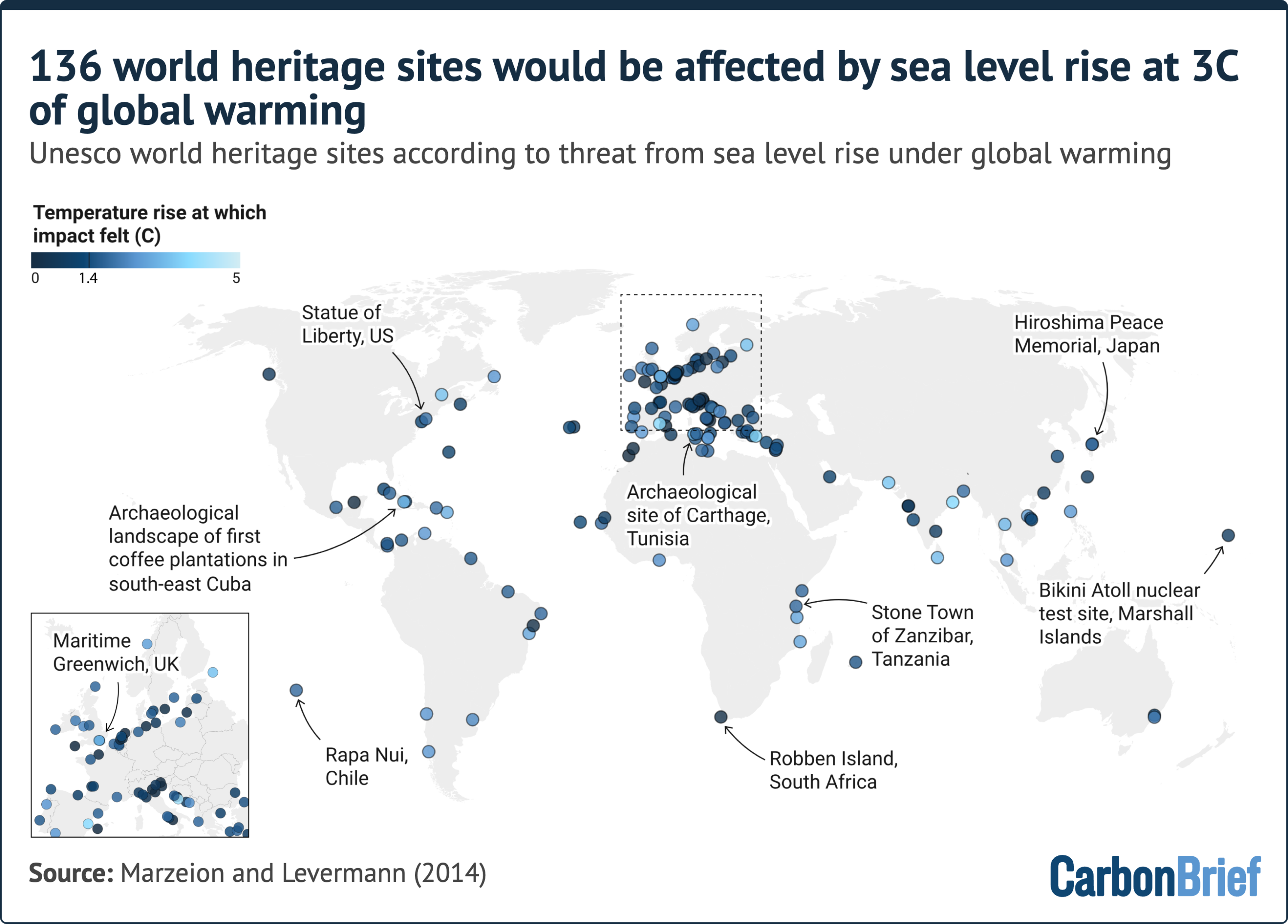
The economic stakes are staggering. Research indicates that even without further sea level rise, the global financial losses from flooding in the 136 largest coastal cities could surge from $6 billion in 2005 to $52 billion per year by 2050. Small island nations face a particularly cruel paradox: they are among the least responsible for global carbon emissions yet face the most catastrophic damages. Current estimates suggest that SIDS will require up to $6 billion annually by 2035 for adaptation, yet international climate finance for these projects remains critically undersubscribed, with only $1.2 billion provided in the 2022–23 period.
Legal frameworks are also being tested. The UN International Law Commission recently addressed the status of maritime boundaries as landmasses disappear. In a 2025 report, the Commission concluded that international law allows for the preservation of existing maritime boundaries and exclusive economic zones despite the physical loss of territory. This provides a crucial legal shield for island nations, ensuring that the loss of physical land does not automatically translate into the loss of sovereign rights over surrounding marine resources.
Biodiversity and the "Coastal Squeeze"
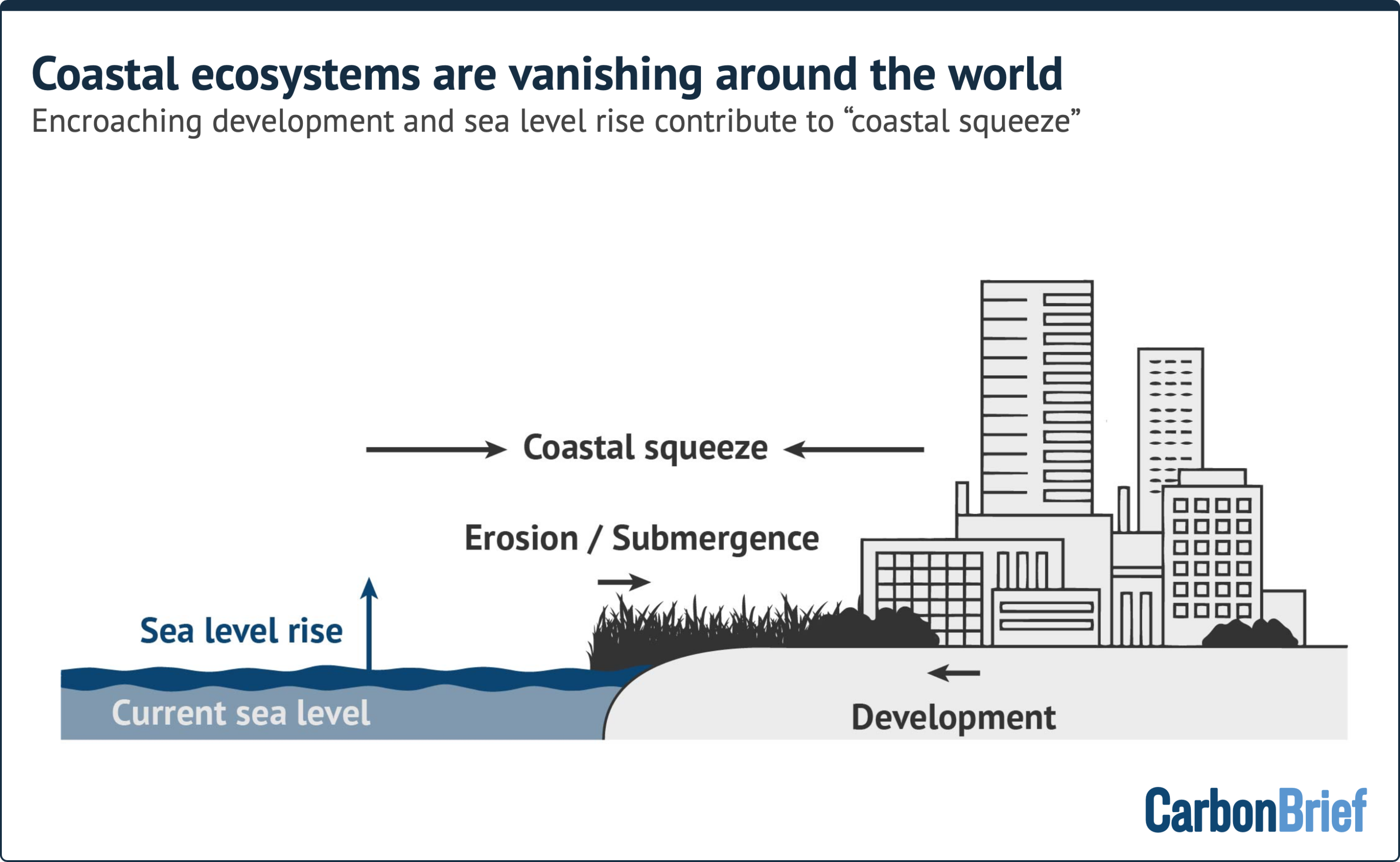
Beyond human settlements, the natural world is facing an existential crisis known as "coastal squeeze." As seas rise, ecosystems such as mangroves, salt marshes, and estuaries would naturally migrate inland. However, human-made infrastructure—seawalls, roads, and concrete developments—blocks this migration, effectively trapping these habitats between the rising water and human construction.
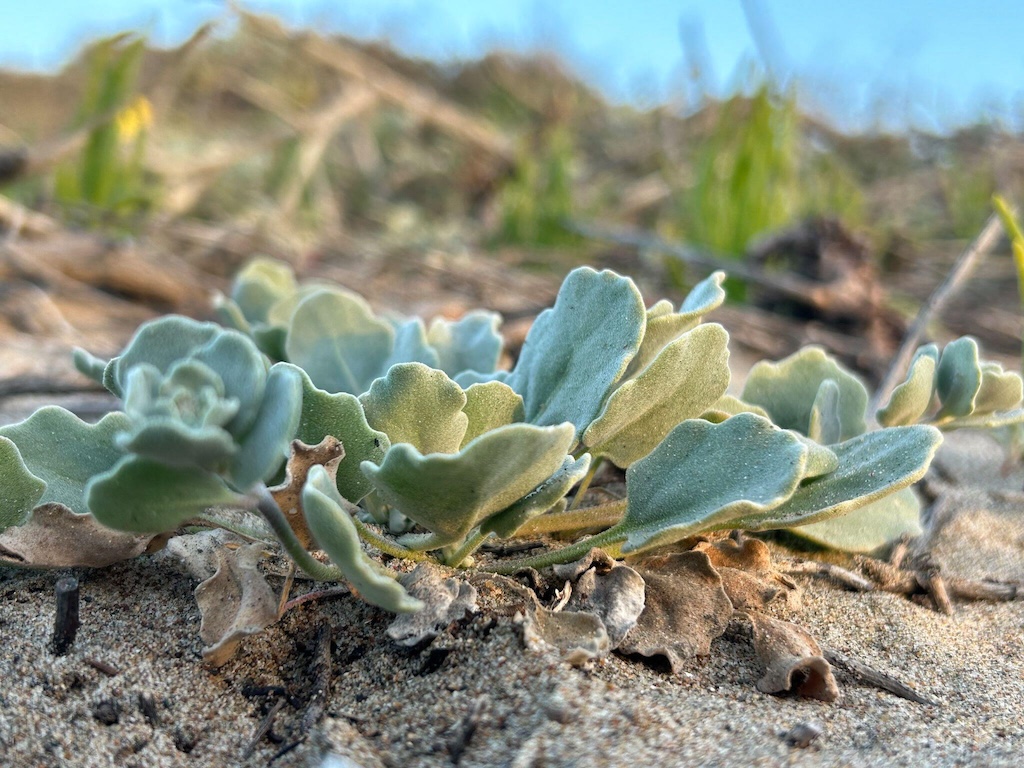
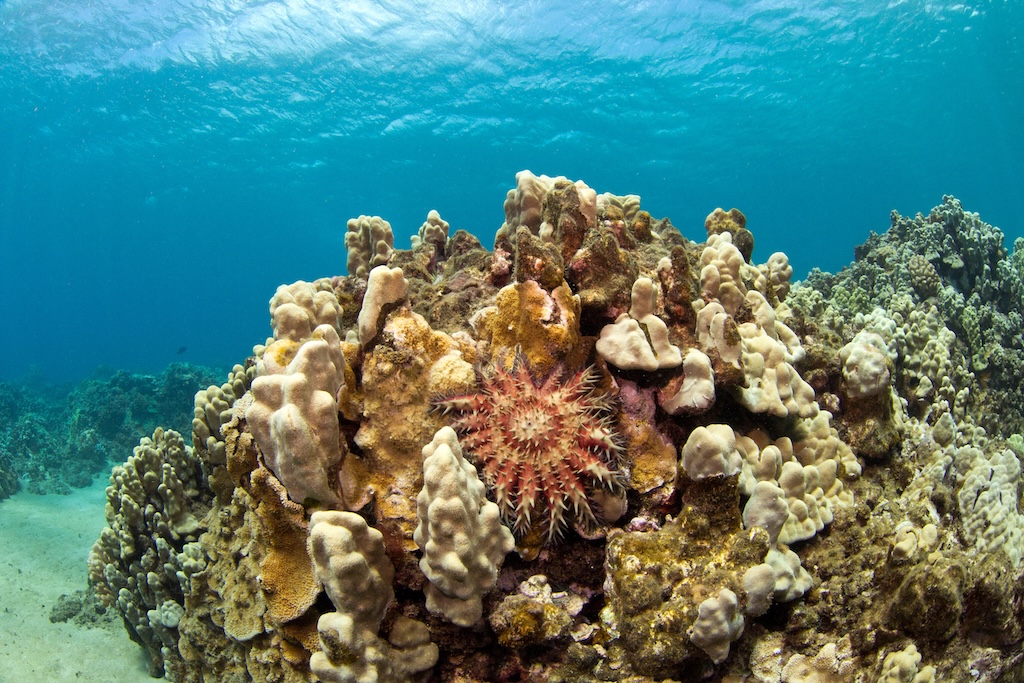
The consequences for biodiversity are profound. The Key Largo cactus, a native species in the United States, was declared effectively extinct in its natural habitat in 2024, as storm surges and saltwater intrusion rendered its environment hostile. Coral reefs, the nurseries of the ocean, are also struggling. While some reefs have historically kept pace with sea level rise through vertical growth, current models suggest that few will survive the combined stress of warmer, more acidic oceans and the increased sediment runoff caused by coastal erosion.
Global Responses and the Path Forward
Adaptation efforts are bifurcating into high-tech engineering and ecosystem-based solutions. Venice’s MOSE system represents the former, a multi-billion dollar investment in mechanical intervention. Conversely, many nations are looking toward nature-based solutions, such as the restoration of mangrove forests and seagrass beds, which provide a natural buffer against waves and storm surges while simultaneously acting as carbon sinks.
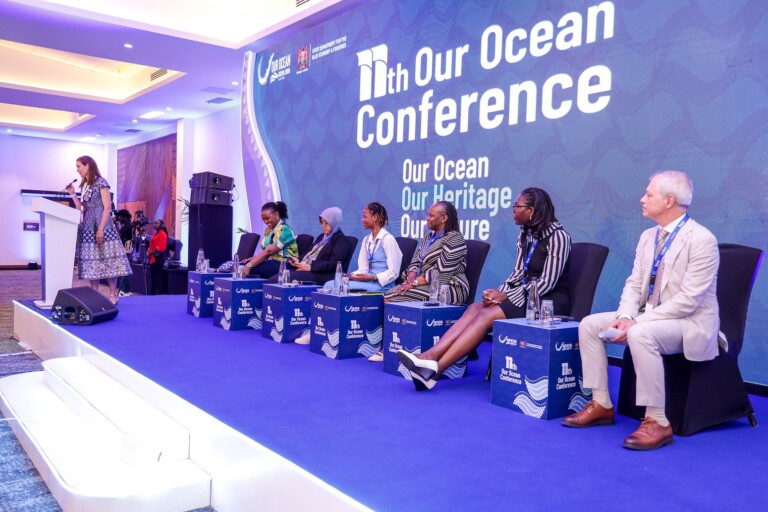
Despite these efforts, the scientific consensus remains that adaptation has hard limits. "Sea level rise is not a distant scenario, but a real and lived experience," the UN declaration emphasizes. For many coastal communities, the choice is no longer between protection and retreat, but rather how to manage an inevitable transition.

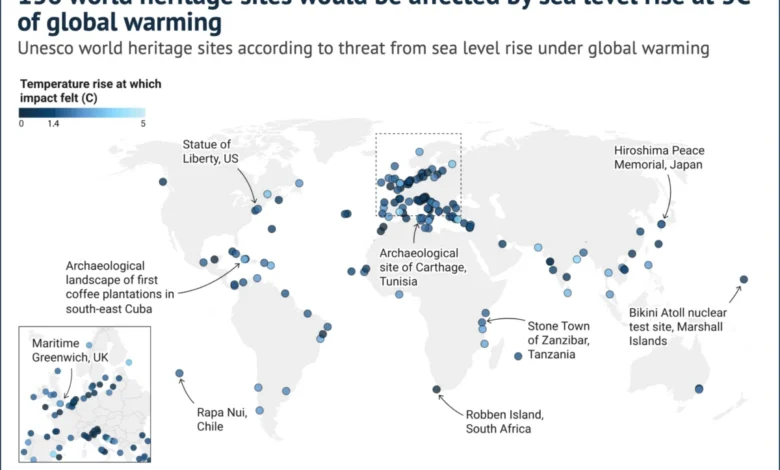
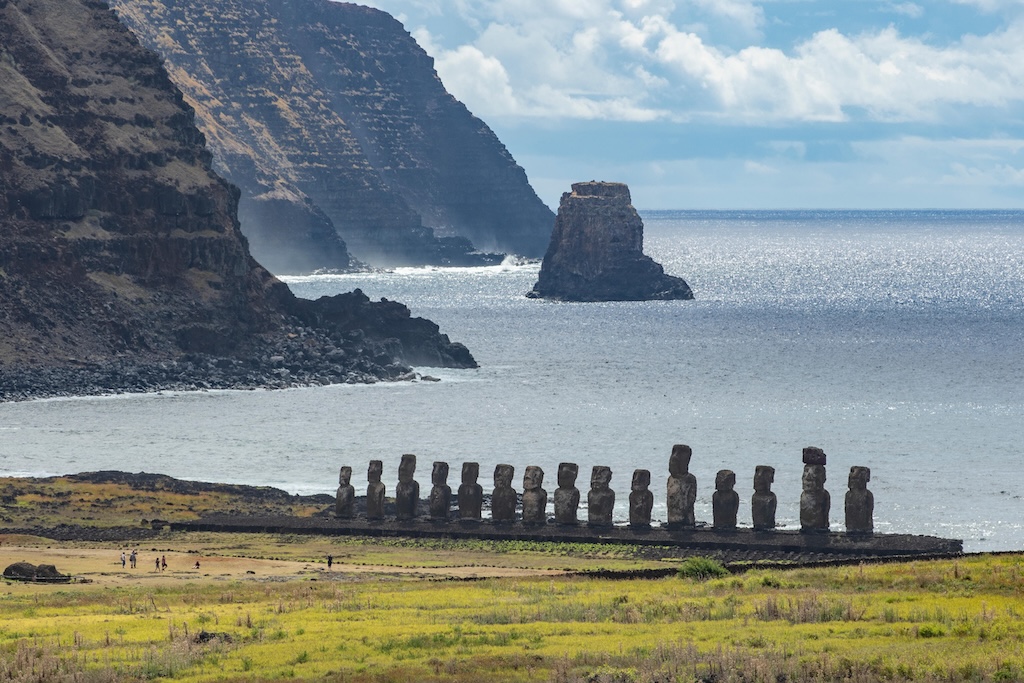
The political challenge lies in bridging the gap between current financial support and the massive investment required to harden infrastructure or facilitate the relocation of vulnerable populations. As the UN General Assembly deliberates, the focus must shift from long-term targets to immediate, actionable finance. The survival of coastal heritage—from the ancient ruins of Ephesus and Carthage to the modern urban centers of East Asia—depends on the recognition that the rising tide is a collective global responsibility, one that requires a synchronized, systemic, and adequately funded response to ensure that the geography of our civilization does not wash away before the century is out.