The burgeoning overlanding market has transformed from a niche hobby for off-road enthusiasts into a multi-billion-dollar global industry, prompting major automotive manufacturers to pivot their product strategies toward adventure-ready, factory-integrated solutions. Ford Motor Company, seeking to capture a larger share of this demographic, has recently submitted a series of patent applications to the U.S. Patent and Trademark Office (USPTO) that detail innovative interior and exterior configurations for its flagship SUV, the Ford Bronco. These filings suggest a concerted effort to transition the vehicle from a trail-capable SUV into a comprehensive, self-contained mobile living space.
The Evolution of the Overlanding Market
Overlanding, defined as vehicle-dependent travel where the journey is the principal goal, has seen a significant surge in popularity over the last five years. Market analysis from industry groups indicates that the demand for "turn-key" adventure vehicles—those equipped with rooftop tents, storage systems, and specialized suspension components directly from the dealership—has outpaced general SUV sales growth.
Automakers have taken note of this trend. Toyota, for instance, has aggressively pursued the segment with its "Trailhunter" sub-brand, which offers factory-installed equipment from partners like ARB and Rigid Industries. Ford’s latest patent activity signifies that the Blue Oval is no longer content to leave the lucrative aftermarket potential solely to third-party outfitters. By internalizing these design elements, Ford aims to provide a more cohesive, warranty-backed ecosystem for off-road enthusiasts who currently rely on fragmented, aftermarket solutions.
Chronology of Ford’s Off-Road Strategy
Ford’s current interest in overlanding is the latest phase in a long-term strategic plan to modernize the Bronco brand. Since the vehicle’s highly anticipated revival in 2021, the company has released various performance-oriented variants, such as the Wildtrak and the Raptor.
The timeline of this pivot includes:
- 2021: Launch of the sixth-generation Bronco, establishing a modular platform designed for easy customization.
- 2022–2023: Expansion of the "Sasquatch" package availability and the introduction of the Heritage Edition, signaling a focus on lifestyle branding.
- 2024: Initiation of patent filings for integrated camping infrastructure, moving beyond simple performance hardware to comfort-oriented utility.
This progression reflects a shift in consumer demand. Where previous generations of off-roaders prioritized raw mechanical capability, the modern overlanding customer demands ergonomic solutions for extended periods of travel.
Technical Analysis of the Patent Filings
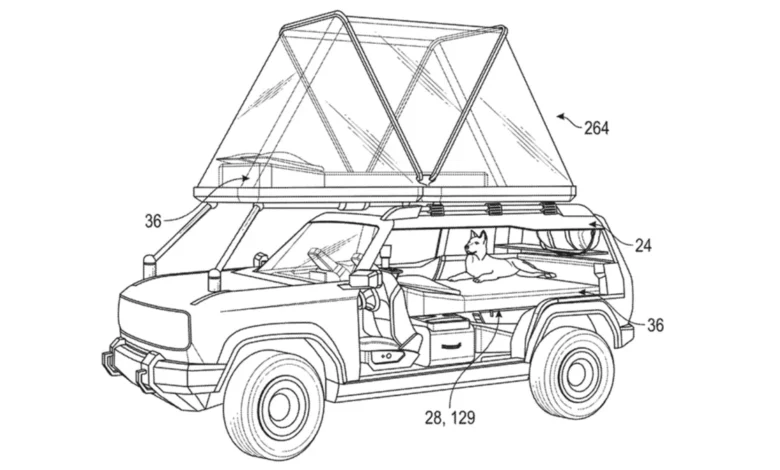
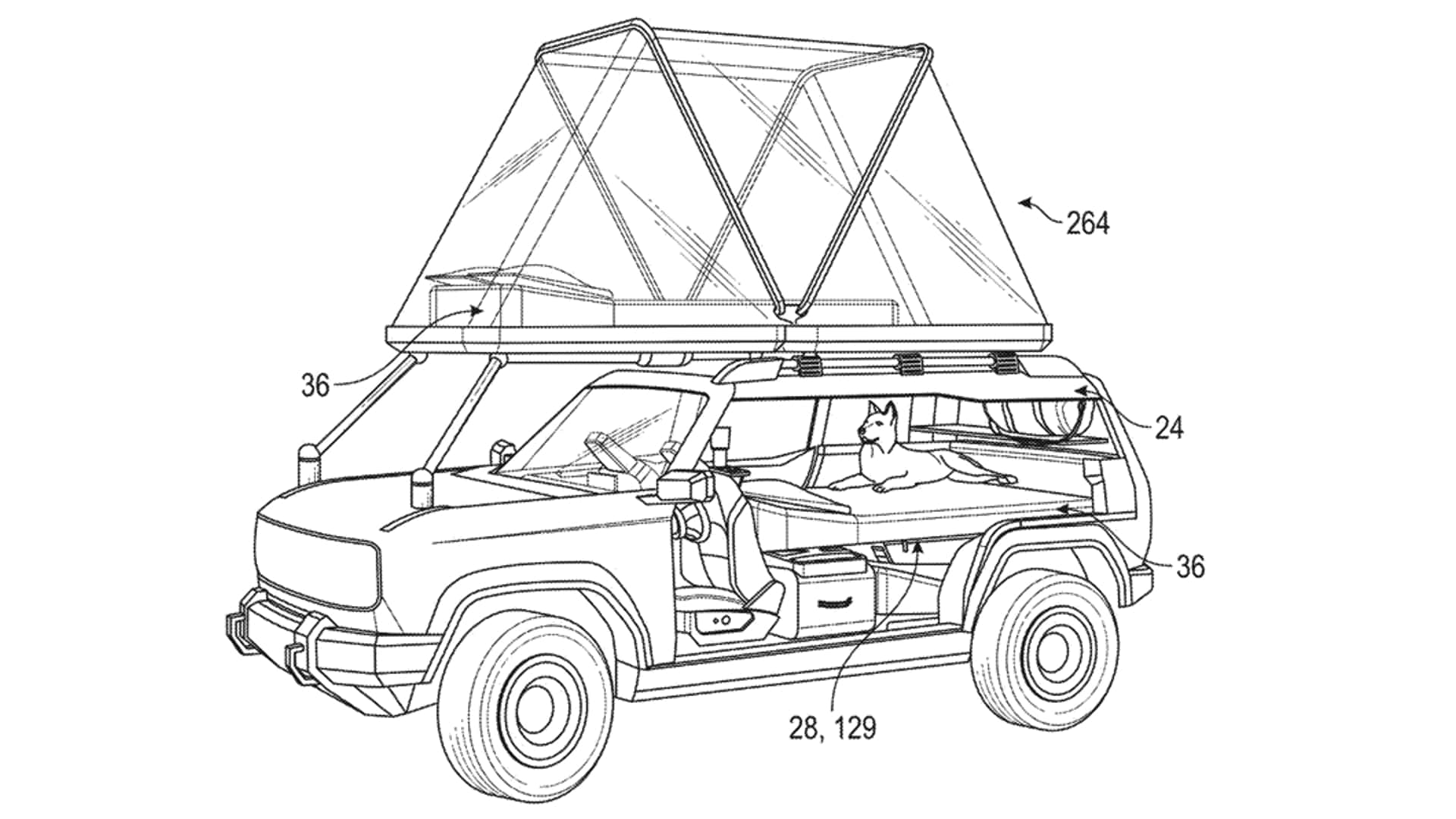
The recently unearthed patent documents reveal a sophisticated approach to vehicle utility. Central to the designs is a modular folding platform that allows the interior of the Bronco to be converted into a sleeping area with minimal effort. Unlike standard DIY solutions, which often involve cumbersome wooden platforms that block access to cargo, Ford’s design focuses on integration with the existing seat architecture.
A notable feature identified in the diagrams is the conversion of front-row seatbacks into functional, flip-out nightstands. This design choice optimizes the limited real estate inside a standard SUV cabin. Furthermore, the patent addresses the inherent storage challenges of rooftop camping. The proposed system includes integrated stabilizing legs that interface directly with the Bronco’s fender gunwales. This method provides increased structural support for larger rooftop tents, potentially mitigating the weight-bearing concerns common with aftermarket rack systems that only mount to roof rails.
Access to these sleeping arrangements is also reimagined. The filings show a full-length roof opening—an evolution of the standard sunroof—that allows for easier ingress and egress to a second-floor tent. Additionally, the inclusion of a specialized mesh covering for this roof aperture suggests a design intent that allows occupants to experience open-air ventilation while maintaining protection against insects and debris, a critical feature for remote camping in diverse climates.
Industry Implications and Manufacturer Strategy
The implications of these filings are twofold. First, they represent a move toward "vertical integration" of the overlanding lifestyle. By offering a vehicle that is "camp-ready" at the point of sale, Ford can streamline the customer experience. This reduces the friction of ownership, as buyers do not have to research, purchase, and install disparate components from multiple vendors. Furthermore, it allows Ford to offer a factory warranty on these specialized components, a significant competitive advantage over aftermarket kits that often void or complicate existing vehicle warranties.
Second, the patents suggest that a specialized "Overland" trim level could be in development. While Ford has not officially confirmed such a model, the existence of these patents mirrors the development path taken by other manufacturers before launching dedicated, adventure-specific sub-brands. If such a model reaches production, it would likely feature the patented equipment as standard, positioning it directly against competitors like the Jeep Wrangler Rubicon and the Toyota Land Cruiser.
Market Data and Consumer Behavior
According to recent surveys conducted by the Specialty Equipment Market Association (SEMA), the "Adventure/Overlanding" segment is one of the highest-growth areas in the automotive aftermarket. The data highlights that the average consumer in this segment is willing to spend upwards of $5,000 to $15,000 on modifications immediately following the purchase of a new vehicle.
By capturing a portion of this expenditure, Ford is not only increasing its profit margins per unit but also deepening customer loyalty. A vehicle that serves as a primary mode of transport during the week and a fully realized camping rig on the weekend creates a high degree of brand stickiness.
Addressing Potential Challenges
While the patents present a vision of seamless integration, the transition from paper to production is rarely without hurdles. Weight management remains a primary concern; adding heavy-duty sleeping platforms, stabilized tent systems, and reinforced roof hardware can adversely affect a vehicle’s center of gravity and overall fuel economy. Ford engineers will need to balance the added utility against the stringent fuel efficiency and safety standards mandated by federal regulations.
Moreover, the complexity of integrating these systems into the assembly line process could impact the final MSRP of the vehicle. If the equipment is too costly, it may alienate the "do-it-yourself" demographic that has historically driven the overlanding community. However, Ford’s ability to leverage economies of scale could potentially keep the pricing of these integrated features competitive compared to high-end aftermarket alternatives.
The Broader Context of the Bronco Brand
The Bronco represents a critical pillar of Ford’s "Ford Blue" business unit, which focuses on internal combustion and hybrid vehicles. As the company navigates a broader transition toward electrification, the Bronco serves as a high-margin product that sustains the development of future technologies. Investing in the longevity and versatility of the Bronco platform ensures that the vehicle remains relevant in a rapidly changing automotive landscape.
The integration of these camping-specific technologies also serves to differentiate the Bronco from the Ford Bronco Sport. While the Sport is designed for light-duty adventure, the full-size Bronco is being positioned as a rugged, heavy-duty exploration tool. This strategic differentiation allows Ford to capture multiple tiers of the outdoor-enthusiast market.
Official Stance and Future Outlook
While Ford has remained tight-lipped regarding specific future production plans, the company has consistently emphasized its commitment to the "Built Wild" philosophy. In various press communications, Ford executives have noted that customer feedback is the primary driver of their accessory catalog and vehicle development. The patent filings are a direct response to the community’s demand for more reliable, integrated, and well-designed camping solutions.
As the industry moves into the next fiscal cycle, observers expect further details on these developments. Whether these patents manifest as a standalone trim, an optional "Overland" package, or a series of dealership-installed accessories, the direction is clear: Ford is doubling down on its commitment to the outdoor lifestyle.
For the prospective buyer, the future of the Ford Bronco is one where the boundary between vehicle and campsite continues to blur. By effectively turning the vehicle into a mobile basecamp, Ford is positioning itself to be not just a manufacturer of transportation, but an architect of the entire adventure experience. The success of this strategy will ultimately depend on how well the company executes these designs, ensuring that the Bronco remains as reliable on the trail as it is comfortable in the wilderness. As the competition heats up, the next few years will likely see a transformation in what constitutes a "factory-equipped" vehicle, with the Bronco leading the charge into the great outdoors.