A routine construction project along the Northeast Corridor escalated into a regional aviation crisis on Monday, as a severed fiber-optic cable forced the Federal Aviation Administration (FAA) to implement widespread ground stops across the New York City and Philadelphia metropolitan areas. The incident, which originated in New Jersey, crippled communication infrastructure essential for air traffic control, leading to hundreds of flight cancellations and significant disruptions for travelers converging on the region for the United Nations General Assembly.
The disruption began when an Amtrak construction contractor, operating near the rail lines in New Jersey, inadvertently cut a critical fiber-optic link. This cable served as a vital communication conduit for the Philadelphia Terminal Radar Approach Control (TRACON) facility. The failure of this primary circuit was compounded by a simultaneous malfunction of the facility’s backup system, leaving air traffic controllers without the data necessary to safely manage the dense airspace of the Northeast corridor.
Chronology of the Disruption
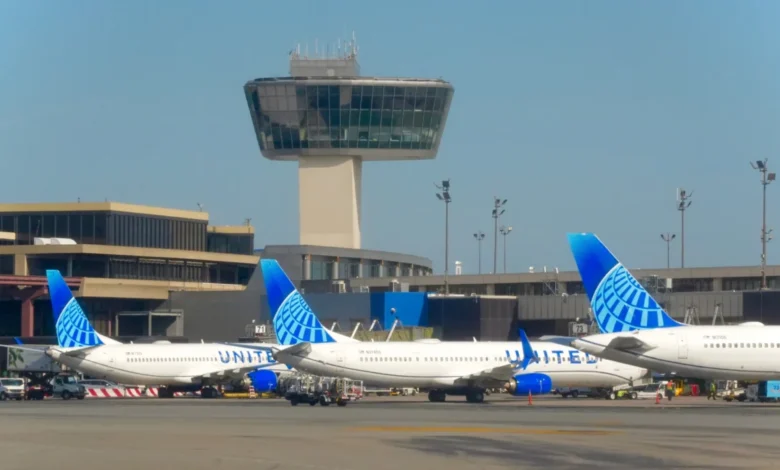
The failure was detected in the early morning hours, creating an immediate safety vacuum. By mid-morning, the FAA had issued formal ground stops for Newark Liberty International Airport (EWR), John F. Kennedy International Airport (JFK), LaGuardia Airport (LGA), Teterboro Airport (TEB), and Philadelphia International Airport (PHL).
As the scale of the outage became apparent, the FAA scrambled to transition to emergency protocols. According to initial reports, the damage was localized to a site between New Brunswick and Newark, New Jersey. While technicians were dispatched to the site, the FAA confirmed that the physical nature of the fiber-optic break would require extensive splicing and system verification, projecting a repair timeline of approximately 13 hours.
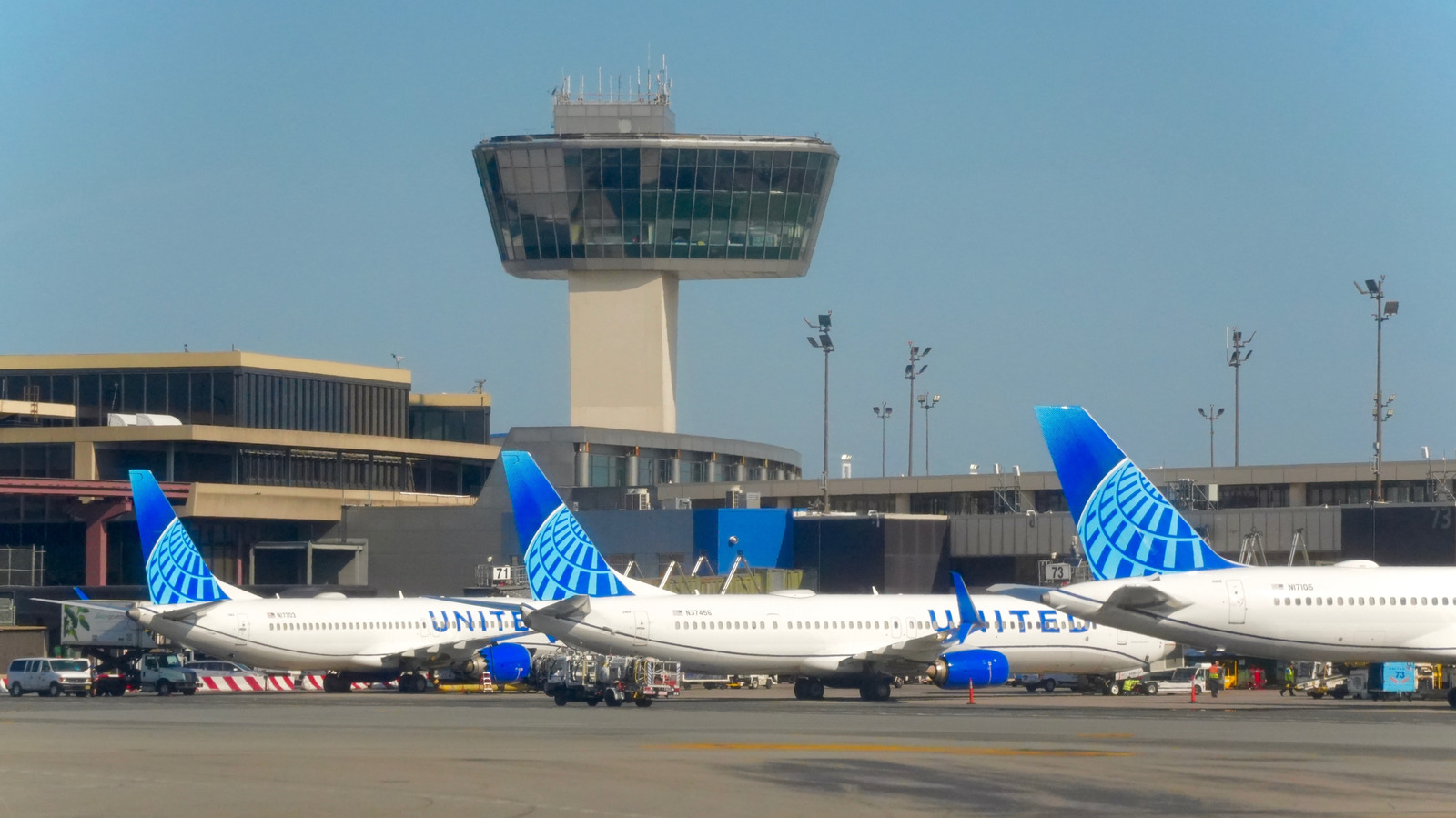
By midday, the agency began a slow, restricted resumption of operations at LaGuardia and Philadelphia, though the capacity remained significantly reduced. Newark, which bore the brunt of the congestion due to its high volume of international and domestic traffic, remained largely paralyzed, with FlightAware data indicating more than 600 cancellations by the afternoon.
The Role of Infrastructure and Redundancy
The vulnerability exposed by this incident highlights a growing concern among aviation experts regarding the fragility of aging infrastructure. Air traffic control (ATC) is built upon a philosophy of extreme redundancy; typically, if a primary system fails, a secondary, geographically diverse backup is intended to maintain seamless operations.
In this instance, the failure of both the primary and the backup communication lines suggests a critical oversight in network diversity. Verizon, which manages the telecommunications infrastructure, has stated that they bear no responsibility for the damage, pointing to the construction activity as the proximate cause. The incident underscores the dangers inherent in "dig-ins"—a term used in the utility industry for accidental damage to underground infrastructure. Despite "Call Before You Dig" programs being a standard requirement for construction crews nationwide, this event serves as a stark reminder of the catastrophic consequences when communication fails between local contractors and utility providers.
Strategic Impact: The Philadelphia TRACON Dependency
The crisis was exacerbated by the strategic role of the Philadelphia TRACON. In 2023, the FAA underwent a major operational shift to alleviate the persistent congestion in the New York airspace, transferring roughly 100 square miles of Newark’s approach airspace to the Philadelphia facility. This move was designed to balance the load, but it effectively created a single point of failure.
By integrating the region’s radar approach control and tower operations into a unified system, the FAA had created a more efficient, yet more interconnected, network. The outage proved that while the centralization of air traffic control can improve flow under normal conditions, it also increases the systemic risk when a localized infrastructure failure occurs. Aviation analysts note that the industry is currently managing a "tightrope" of capacity, where even minor technical delays can ripple across the entire National Airspace System.
Official Responses and Industry Reaction
Federal Aviation Administrator Bryan Bedford issued a statement acknowledging the severity of the incident and the challenges faced by controllers on the ground. "Our priority remains the safety of the flying public. We are working around the clock to restore the communication links that allow our facilities to communicate with aircraft and each other," the statement read.
Transportation Secretary Sean Duffy utilized social media to frame the event as a catalyst for legislative action. "The chaos we are witnessing today is a direct consequence of decades of underinvestment in our aviation infrastructure," Duffy noted. "We are relying on systems that require urgent modernization to ensure that a single severed cable cannot jeopardize the movement of thousands of passengers across the country."
The union representing air traffic controllers has previously raised concerns regarding staffing levels and the maintenance of aging equipment. While this specific incident was caused by external physical damage, it has re-energized the debate over whether the FAA’s current budget and technical roadmap are sufficient to handle the demands of modern air travel, which has seen a post-pandemic surge in volume.
Economic and Logistical Implications
The ripple effects of the ground stops extended far beyond the New York and Philadelphia airports. Because the Northeast corridor serves as a primary hub for domestic connections, the cancellation of hundreds of flights forced airlines to scramble to rebook passengers and reposition aircraft.
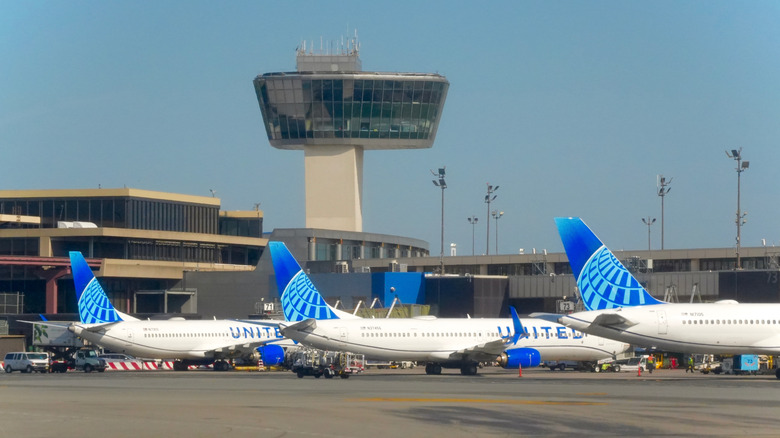
Economists often point to the high "cost of delay" in the aviation sector. With thousands of travelers stranded, the incident resulted in significant productivity losses and forced airlines to incur substantial costs related to passenger accommodation, crew scheduling adjustments, and fuel consumption for aircraft waiting on the tarmac or diverted to alternate airports.
Furthermore, the timing of the outage, coinciding with the United Nations General Assembly, added a layer of logistical complexity. The presence of world leaders, diplomats, and international security teams creates a unique airspace environment, often involving temporary flight restrictions (TFRs) and heightened security protocols. The communication blackout forced the FAA to coordinate closely with the Secret Service and other federal agencies to ensure that critical arrivals were managed without compromising national security.
Analysis: A Call for Hardened Infrastructure
Looking forward, this event is likely to prompt a federal review of how critical communication lines are mapped, shielded, and audited. The incident has highlighted a "hidden" dependency: the reliance of air traffic control on commercial telecommunications providers. Unlike the dedicated, hardened radar networks of the mid-20th century, modern ATC relies heavily on private fiber-optic networks.
Industry observers suggest that moving forward, the FAA may need to implement more stringent requirements for utility companies working near critical aviation infrastructure, potentially including the installation of redundant, physical shielding for fiber-optic lines that carry ATC data.
As the repair crews complete their work and the airspace slowly returns to normal, the aviation industry faces a lingering question: how to prevent a single backhoe from bringing the most significant economic hub in the United States to a standstill. The incident serves as a sobering lesson that in an era of hyper-connected technology, the most sophisticated aviation systems remain vulnerable to the most basic of human errors. The restoration of normal service is only the first step; the deeper task will be ensuring that the "release valves" of the national airspace system are truly resilient enough to withstand the unexpected.