Five Key Talking Points Ahead of the 2026 Mexico City Grand Prix at the Autodromo Hermanos Rodriguez

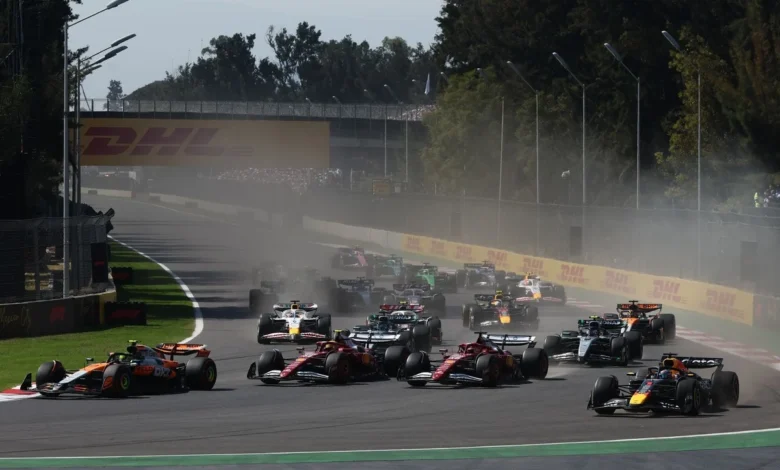
Formula 1 arrives in Mexico City this weekend for the 19th round of the 2026 world championship, as the sport prepares for a potential title coronation at the high-altitude Autodromo Hermanos Rodriguez. Coming off the back of a high-stakes encounter in Austin, where Mercedes pilot Andrea Kimi Antonelli further solidified his stranglehold on the drivers’ standings, the paddock shifts its focus to the unique challenges of the Mexican capital. With only five rounds remaining in the calendar, the mathematical probabilities for the championship have narrowed, setting the stage for a historic weekend.
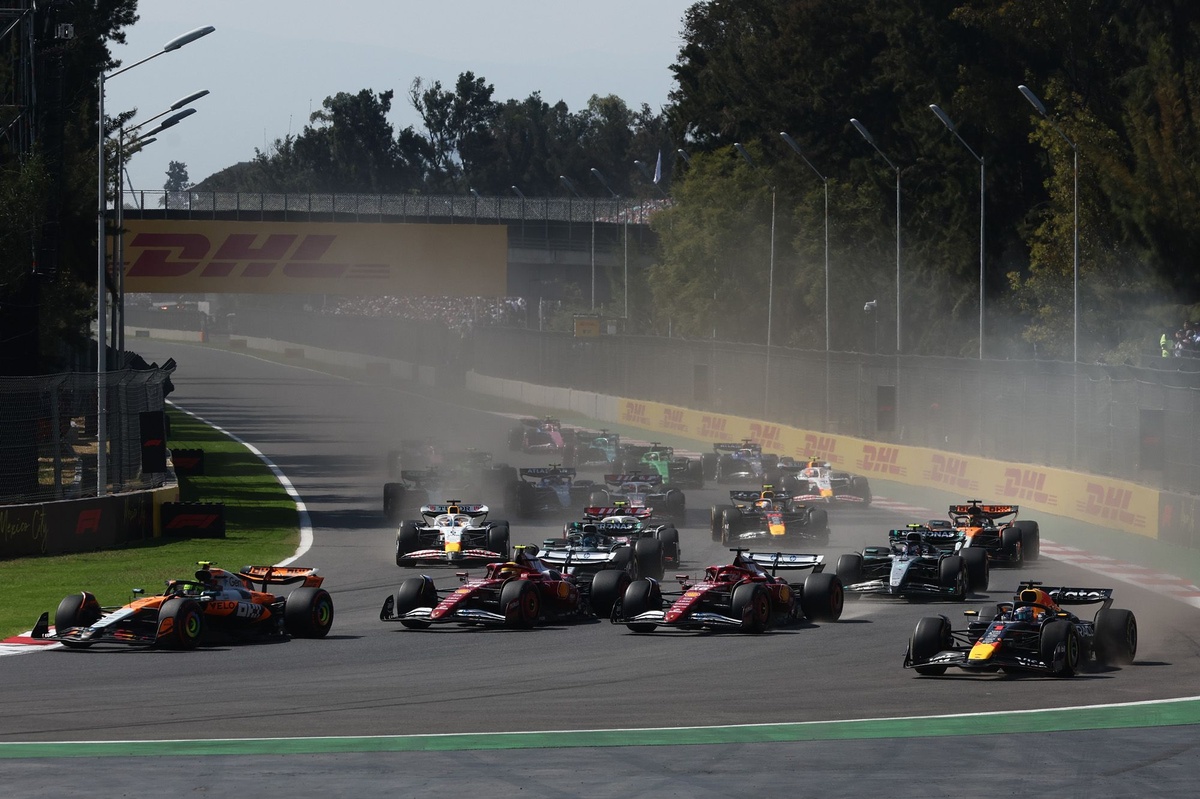
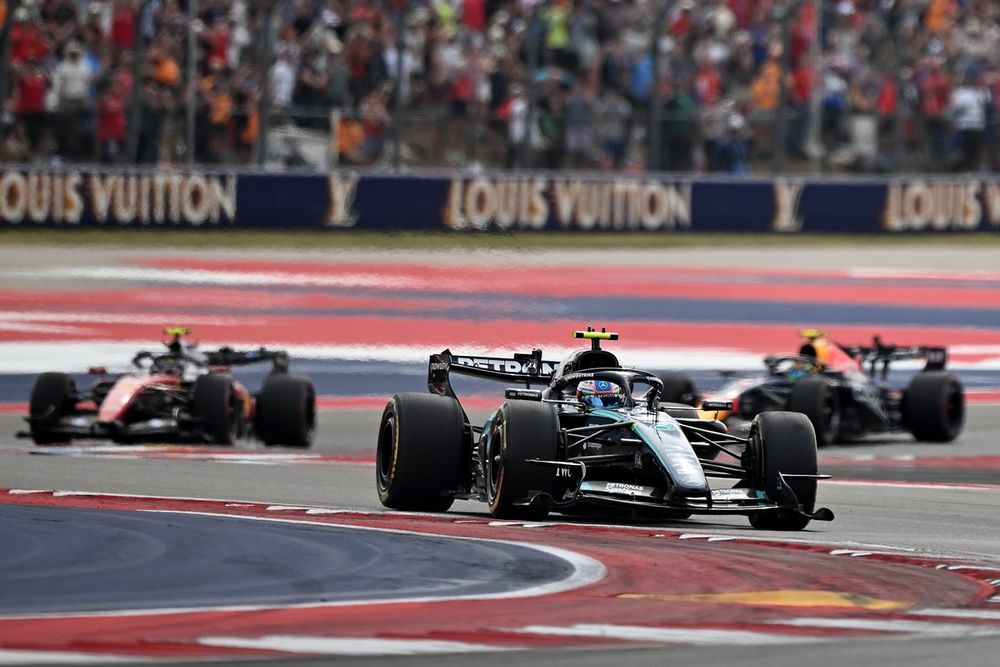
The narrative of the 2026 season has been defined by the resurgence of the Silver Arrows. Following the sweeping regulation changes introduced at the start of the year, Mercedes successfully navigated the transition to the new power unit era. Antonelli, in his debut season with the Brackley-based team, has been a revelation, delivering a masterclass in consistency that has left veteran rivals struggling to bridge the gap.
The Coronation of a New Generation
Andrea Kimi Antonelli stands on the precipice of history. With a commanding 123-point lead over George Russell and 124 points over Lewis Hamilton, the 20-year-old Italian effectively holds one hand on the trophy. Under the current points-scoring system—with a maximum of 125 points available across the remaining five races—Antonelli requires only a ninth-place finish or higher to secure his maiden World Drivers’ Championship.

Should he succeed, he will become the youngest world champion in the history of the sport, eclipsing the record previously held by Sebastian Vettel since 2010. This trajectory underscores a seismic shift in the sport’s hierarchy. While Mercedes has experienced internal fluctuations, with Russell’s side of the garage grappling with setup inconsistencies throughout the season, Antonelli’s ability to maximize the W17’s performance—as evidenced by his strategic triumph in Austin—has been the defining factor of this campaign.
The Constructors’ Title Calculation
While the drivers’ championship is nearing its conclusion, the constructors’ battle remains a mathematically active, albeit daunting, prospect for Mercedes’ rivals. The German marque currently enjoys a 133-point cushion over Ferrari, with 215 points left to be distributed in the remaining rounds.
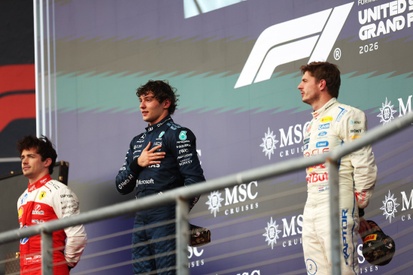
To clinch the constructors’ title this weekend in Mexico, Mercedes would need to outscore the Scuderia by at least 39 points. Realistically, this would require a dominant 1-2 finish for Mercedes combined with a catastrophic points haul for Ferrari (no more than four points for the team). Given the current performance parity between the two teams, industry analysts suggest that while mathematically possible in Mexico, the title is more likely to be mathematically settled at the following round in Interlagos, Brazil.
Red Bull’s Technical Hurdles
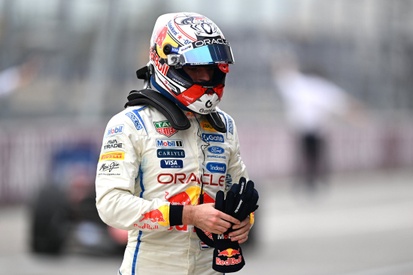
Amidst the title hype, Red Bull Racing remains under the microscope as it attempts to rectify two lingering technical bottlenecks: race-start execution and intermittent radio telemetry failures. Team principal Laurent Mekies has openly acknowledged that the clutch architecture, which has caused inconsistent starts for both Max Verstappen and teammate Isack Hadjar, is a complex issue that may persist through the end of the 2026 season.
Despite these hurdles, the team’s upward momentum is undeniable. After a difficult start to the year that saw them languishing in fourth, Red Bull has successfully leapfrogged McLaren for third in the standings. Verstappen’s current streak of six consecutive podium finishes—including two race victories—is a testament to the team’s rapid development cycle. The focus now is on refining their reliability protocols to ensure that these "silly" errors do not compromise their 2027 development trajectory.
Ferrari’s Pursuit of the Elusive Victory
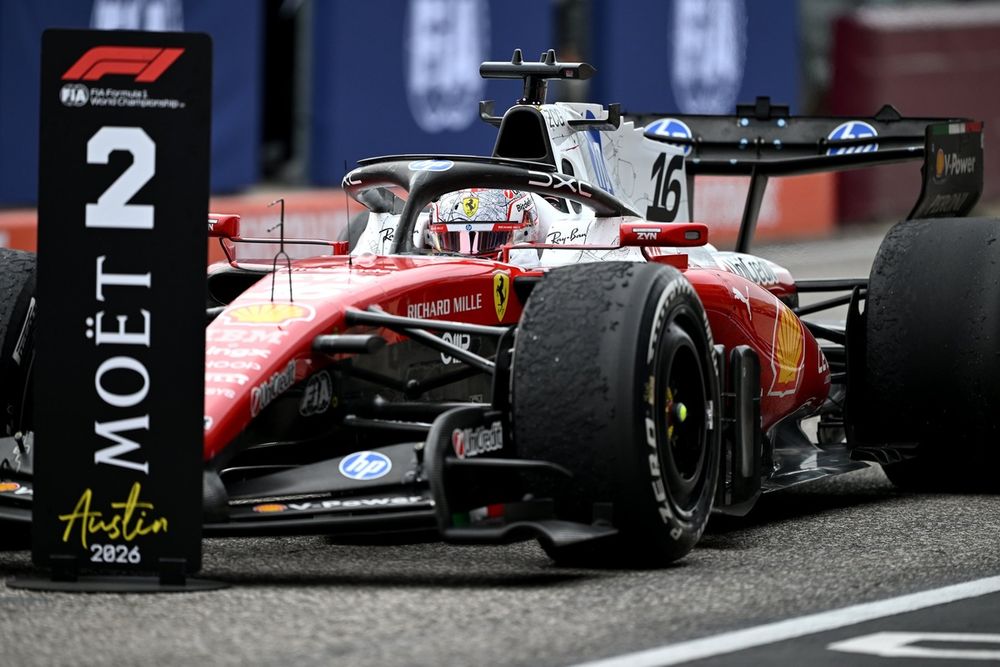
For Ferrari, the weekend in Mexico is an exercise in redemption. The Scuderia has been a fixture on the podium for three consecutive events, yet their winless drought has now stretched to nine races. In Austin, the team’s pace was arguably championship-standard, but a lack of precision in the Q3 qualifying session left Charles Leclerc and his teammate fighting through the pack rather than dictating the tempo from the front.

Team principal Fred Vasseur has emphasized that the SF-26 is now a versatile platform, capable of competing at the front regardless of circuit geometry. However, the Mexico City track presents a unique aerodynamic challenge. Located 2,200 meters above sea level, the thin air reduces downforce levels significantly, forcing teams to run maximum wing configurations. Ferrari’s success this weekend will hinge on their ability to find the optimal tyre operating window in the thin air, a factor that has been the difference between victory and defeat throughout the latter half of the season.
The Legacy of Sergio Perez
The Mexican Grand Prix serves as the backdrop for a milestone of personal and historical significance: Sergio Perez’s 300th Formula 1 race. Reaching the triple-century mark places the Guadalajara native in the company of legends such as Michael Schumacher, Fernando Alonso, and Jenson Button.

Perez’s career has been one of resilience, defined by his transition to Cadillac Racing and his successful efforts to dismantle the "pay driver" label that plagued his early years. His legacy is now inextricably linked to the resurgence of the Mexican Grand Prix as a staple of the F1 calendar. While his competitive expectations for this weekend are tempered by the current performance of his machinery, the atmosphere at the Autodromo Hermanos Rodriguez will undoubtedly serve as a celebration of his endurance. As Perez has famously noted, his career philosophy remains centered on the mantra: "Never give up."
Contextualizing the 2026 Season
The 2026 season has been a landmark year for Formula 1, characterized by the successful implementation of new power unit regulations. The season opened with six consecutive pole positions for Mercedes, establishing a dominance that has rarely been challenged. The competitive landscape has been fluid, with Ferrari, McLaren, and Red Bull all securing race wins as the season progressed.
However, the consistency of the Mercedes W17, particularly in high-speed corners and energy deployment efficiency, has provided a stable foundation for Antonelli. As the sport moves into the final phase of the season, the focus shifts from the development of the 2026 car to the foundational work for 2027. Teams are balancing the need for immediate performance gains in Mexico, Brazil, and the Middle Eastern rounds against the long-term requirements of next year’s chassis regulations.
Looking Ahead
As the cars take to the track in Mexico City, the primary narrative will remain the potential crowning of a new champion. For the neutral observer, the intrigue lies in whether Ferrari can finally break its winless streak or if Red Bull can solve the technical quirks that have hindered their recent race starts.
For the sport itself, the Mexico Grand Prix represents a pivotal moment. With the championship potentially decided, the paddock will begin to look toward the transition period of the winter break. Whether or not the trophy is hoisted on Sunday, the 2026 Mexico City Grand Prix is positioned to be a seminal event in the modern era of Formula 1, highlighting both the emergence of a new superstar and the enduring legacy of a veteran who helped bring the sport to a passionate new audience.
Official statements from the teams suggest a weekend of tactical caution, with many focusing on tyre degradation management—a critical factor at the high-altitude Mexican venue. As the pit lane prepares for the opening practice sessions, the balance of power remains tilted toward Mercedes, but in the thin air of Mexico City, where unpredictability is often the norm, the final outcome remains far from guaranteed.