It has been less than a year since Genesis first pulled the veil off the Magma GT Concept, a striking mid-engine performance machine that signaled the South Korean luxury automaker’s boldest step yet into the high-performance sector. While the brand has remained characteristically guarded regarding a definitive production timeline, the frequency of public appearances and the evolution of the concept itself suggest that the development of a true halo car is moving from the drawing board to the real world.
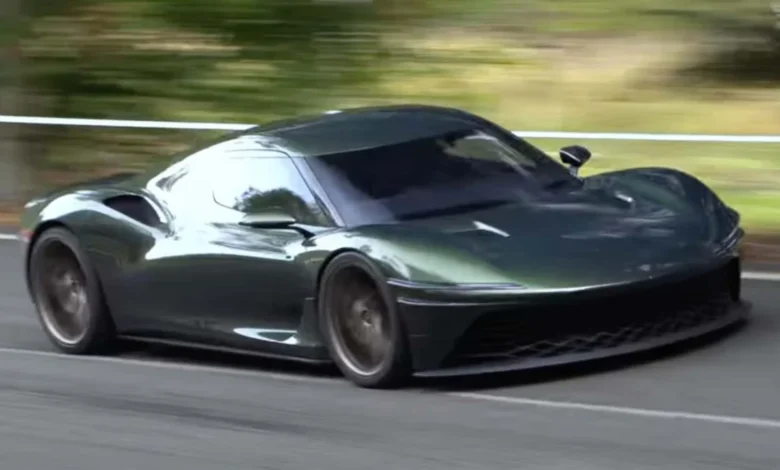
The latest evidence of this momentum comes from a recent appearance at a hill climb event, where the Magma GT was captured on camera by the NM2255 | Raw Car Sounds YouTube channel. The footage provides a rare, albeit brief, glimpse of the vehicle in a dynamic setting. Despite the car’s sophisticated engineering, the video captures it navigating the greasy asphalt of the course with a degree of volatility. Even at what appears to be a moderate pace, the mid-engine coupe exhibits a struggle for traction, underscoring the raw, untamed nature of its powertrain. The driver, evidently exercising caution on the slick surface, allows the rear end to dance, providing enthusiasts with an auditory treat: the deep, guttural burble of a twin-turbocharged V8 engine.
The Technical Foundation of the Magma GT
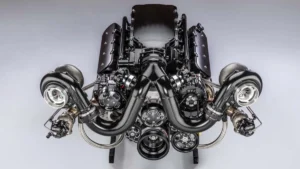
At the heart of the speculation surrounding the Magma GT is its powertrain, which Genesis claims is capable of producing up to 800 horsepower. This figure places the vehicle firmly within the upper echelons of the supercar market, pitting it against established icons from manufacturers like Porsche, Ferrari, and McLaren. While specific displacement and torque figures remain under wraps, the industry consensus is that this twin-turbocharged V8 is intended to serve as the technological centerpiece of the Genesis performance sub-brand.
Unlike the minimalist, screen-heavy interiors that define many modern electric and performance vehicles, the Magma GT takes a different approach. When the interior was revealed in June, it showcased a cabin defined by premium leather upholstery and a distinct lack of digital clutter. The presence of an analog gauge cluster suggests a focus on the driver experience and a nod to traditional grand touring values, marking a departure from the "gadget-first" philosophy often seen in luxury EVs. This design choice implies that Genesis is aiming for a timeless, tactile experience that complements the visceral nature of a high-horsepower combustion engine.
Chronology of a Performance Shift
The journey of the Magma GT from a design study to a potential road-going reality has been swift and deliberate. The timeline of its development reflects a clear strategic pivot for the Hyundai-owned luxury brand:
- Early 2024: Genesis publicly expresses its desire to anchor its lineup with a dedicated halo car, aiming to elevate the brand’s prestige and performance credibility.
- Mid-2024: The Magma GT Concept makes its global debut, immediately capturing attention with its low-slung, aggressive proportions and mid-engine layout.
- June 2024: Genesis pivots the narrative by unveiling a GT3-inspired variant of the Magma. This iteration featured a widened track, intricate aerodynamic cooling ducts, and significant bodywork modifications designed for circuit endurance.
- Post-June 2024: Industry experts and analysts interpret the GT3 study as a clear signal that the underlying chassis is robust enough for track-focused performance, reinforcing the belief that the "concept" tag is merely a placeholder for an impending production model.
The decision to develop a GT3 variant was framed by the company as an "independent study" aimed at informing future performance vehicles. However, the move served a dual purpose: it demonstrated the engineering flexibility of the platform while generating sustained interest from the global automotive press and potential high-end buyers.
Insights from the Front Lines
The ambiguity regarding the vehicle’s production status was addressed in a pivotal interview conducted by Motor1 Italy with Charles Fuster, the Brand Director for Genesis in Italy and France. When pressed on the nature of the project, Fuster confirmed that the GT "isn’t a temporary exercise." This statement serves as the most concrete piece of evidence to date that the project has transitioned from a design study into an active research and development program.
While Fuster refrained from providing a specific launch date, his assertion that the company would "like to get there soon" indicates that the development cycle is well underway. This aligns with the internal culture of the Hyundai Motor Group, which has demonstrated an increasing willingness to bypass the traditional "concept-to-production" lag when market demand and technical feasibility intersect.
Strategic Implications for the Genesis Brand
The introduction of a mid-engine supercar represents a significant milestone for Genesis. Since its inception as a standalone brand in 2015, Genesis has focused on refining its sedan and SUV offerings to challenge German luxury stalwarts. A halo car serves a different function: it provides a "brand halo" that lifts the perception of all other models in the showroom. By demonstrating the ability to engineer a high-performance, 800-horsepower machine, Genesis is signaling to consumers and competitors alike that it possesses the technical prowess to compete at the highest level of automotive engineering.
Furthermore, the focus on a combustion-powered, V8-driven machine—at a time when many of its competitors are rushing to electrify their entire fleets—is a calculated risk. It appeals to a specific segment of the enthusiast market that values the sound, vibration, and mechanical complexity of a high-performance internal combustion engine. By positioning the Magma GT as an analog-focused, driver-centric machine, Genesis is carving out a niche that contrasts with the increasingly sterile and software-defined performance cars emerging from the luxury segment.
Analytical Outlook
The challenges ahead for the Magma GT project are significant. Transitioning a concept to a road-legal, mass-produced vehicle involves meeting stringent global crash safety standards, emissions regulations, and durability requirements that do not apply to show cars. The "greasy" handling observed at the hill climb event—while likely due to tire choice and track conditions—highlights the fine-tuning required to harness 800 horsepower effectively.
However, the resources behind Genesis are substantial. As part of the Hyundai Motor Group, the brand has access to a massive R&D infrastructure and a history of successful high-performance implementation, such as the N-division’s successes. The fact that the car has been spotted testing in dynamic, real-world environments suggests that the development team is already deep into the validation phase.
For enthusiasts, the Magma GT represents a rare opportunity to see a brand at the height of its growth ambition. Whether it arrives as a limited-run special edition or a permanent fixture of the performance lineup, the vehicle has already achieved its primary goal: it has forced the industry to take Genesis seriously as a manufacturer of world-class, high-performance machines. As the project continues to evolve, the focus will inevitably shift from the aesthetics of the concept to the technical specifications of the production model. If the initial performance metrics hold true, the automotive world is looking at a new, formidable player in the supercar segment.
In conclusion, the Magma GT has transcended the role of a mere showpiece. It has become a symbol of the brand’s maturation and a tangible promise to its customer base. With the backing of a major global conglomerate and a clear desire to capture the performance market, the trajectory of the Magma GT suggests that it will be one of the most closely watched vehicle launches in the coming years. For now, the automotive community waits for the next move, but the evidence is mounting that Genesis is ready to move beyond the concept phase and onto the open road.