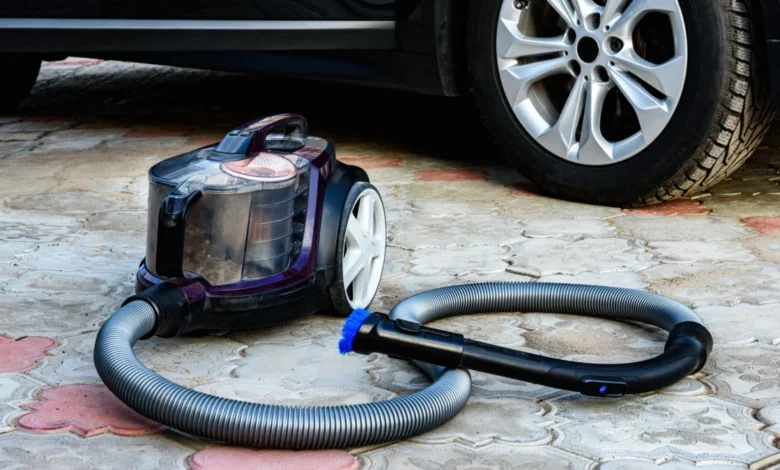
This shift in consumer perception comes at a critical juncture for the global automotive market, which is currently grappling with the dual pressures of a transition toward electrification and a significant increase in vehicle complexity. The ACSI study, which benchmarks dozens of industries to provide a comparative look at how well companies are meeting the expectations of their customers, highlights a growing disconnect between the high cost of modern vehicles and the actual utility and reliability they provide to the end-user. While top-performing categories like athletic shoes and soft drinks continue to lead the manufacturing sector with scores of 83, the fact that a utilitarian household appliance has surpassed the automobile—a primary mode of transport and a major financial asset—serves as a wake-up call for car manufacturers worldwide.
Comparative Benchmarks: Why Vacuums Lead the Race
To understand how a vacuum cleaner could possibly provide a more satisfying ownership experience than a modern car, it is necessary to examine the specific benchmarks used by the ACSI. Both industries are evaluated on similar criteria, including durability, warranty coverage, and ease of use. However, the data reveals that vacuums are meeting or exceeding consumer expectations in areas where automakers are increasingly falling short. In the category of durability—referred to as "dependability" in the automotive sector—luxury vehicles and vacuum cleaners both earned a respectable score of 81, while mass-market automobiles scored slightly higher at 82.
The divergence begins when examining post-purchase support and operational costs. Vacuum cleaners achieved a score of 80 for warranty coverage, surpassing the automotive industry’s score of 79. While a one-point difference may seem negligible, industry analysts point out that the stakes are vastly different. A vacuum cleaner is a relatively simple mechanical device with a price point usually under $1,000. In contrast, the average price of a new vehicle in the United States has surged to approximately $50,000. When consumers invest fifty times more capital into a product, their tolerance for limited warranty periods or complex repair processes diminishes significantly. The study suggests that as cars become more electronically complex, the perceived value of their warranties is declining, as many components may not be covered or are prone to failures that are difficult to diagnose and expensive to fix.
Efficiency, Range, and the Economic Burden of Ownership
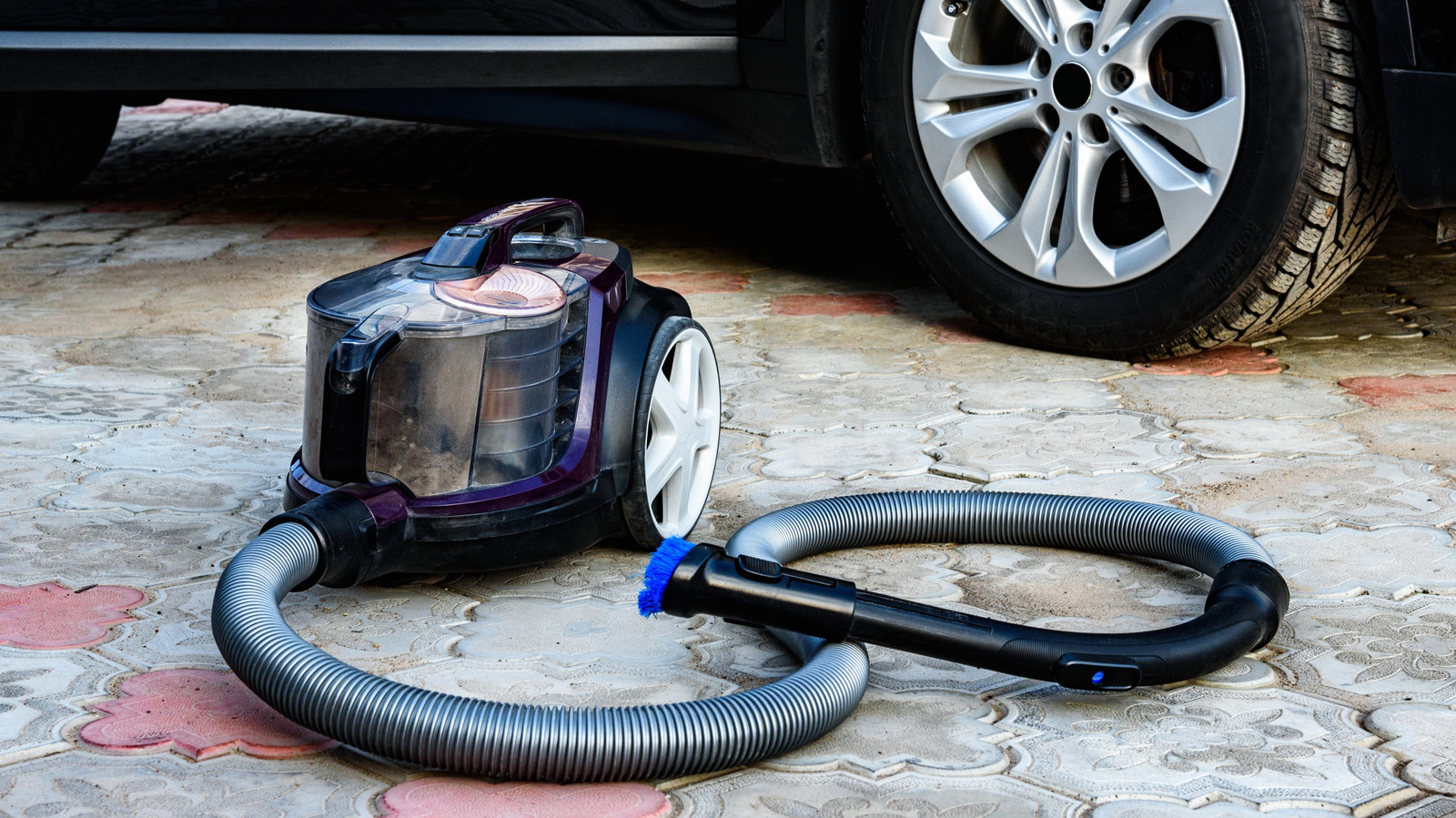
One of the most significant pain points identified in the ACSI report involves energy efficiency and operational range. In the vacuum cleaner segment, which now includes a high volume of cordless and robotic models, energy efficiency earned a score of 79. This metric is directly comparable to the automotive categories of gas mileage and driving range. The results for automakers in these categories were among the lowest in the entire study.
Luxury vehicle owners expressed the lowest levels of satisfaction regarding driving range, providing a score of only 72. Satisfaction with gas mileage for luxury vehicles was slightly higher at 78, but still trailed the efficiency scores of household appliances. Mass-market vehicle owners were equally frustrated with range, providing a score of 74, though they were more satisfied with their fuel economy at 79. These figures suggest that regardless of the powertrain—whether internal combustion or electric—consumers feel that their vehicles are not providing the "economy of use" that was promised.
This dissatisfaction is compounded by the current economic climate. High fuel prices and the rising cost of electricity have made the "total cost of ownership" a primary concern for the average American household. When a vacuum cleaner is perceived as more efficient in its energy usage than a vehicle is in its fuel consumption, it indicates that automakers have not yet bridged the gap between technological advancement and consumer value.
The Complexity Crisis: Ease of Operation vs. Technological Overload
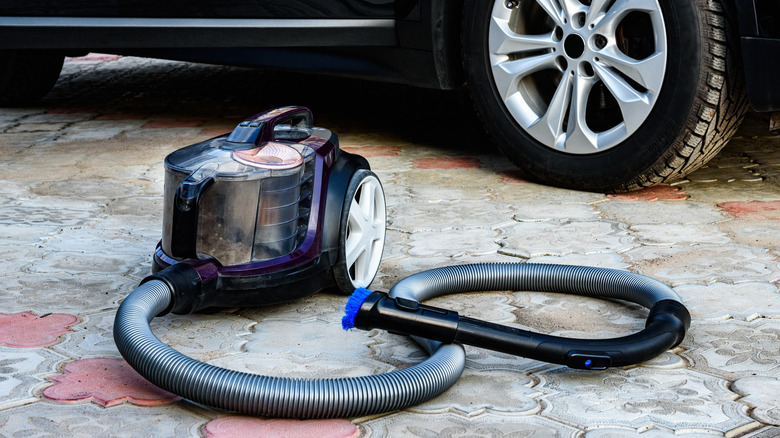
Perhaps the most telling metric in the ACSI study is "Ease of Operation." For vacuum cleaners, this category ranked as the highest of all 20 benchmarks with a score of 84. This high level of satisfaction persists despite the increasing technical sophistication of the industry, which now features lidar-mapped robotic vacuums and app-integrated cleaning systems. Consumers find these devices intuitive and effective.
In the automotive sector, "Ease of Operation" is split into two categories: "Driving Performance" (handling and drivability) and "Technology" (infotainment systems, touchscreens, and driver-assist features). In both the luxury and mass-market segments, satisfaction with vehicle technology lagged behind the simplicity of vacuum cleaners. The modern car dashboard has transitioned from tactile buttons and knobs to massive, menu-heavy touchscreens. While manufacturers touted this as a leap forward, the ACSI data suggests it has become a source of frustration.
"In other words, cars have become more expensive, yet they are increasingly difficult to use," the report implies. This "complexity crisis" has prompted some manufacturers to reconsider their design philosophies. Brands such as Volkswagen and certain Japanese manufacturers have recently announced plans to reintroduce physical buttons for critical functions, acknowledging that the "all-touch" interface has negatively impacted the user experience. The vacuum cleaner industry, by contrast, has managed to integrate advanced technology without sacrificing the core "plug-and-play" nature of the product.
Financial Depreciation and the Resale Value Gap
The financial aspect of vehicle ownership remains a significant drag on customer satisfaction. The ACSI report highlights that while vacuum cleaners are generally seen as "disposable" or long-term household fixtures with little thought given to resale, automobiles are significant assets. However, current market trends have seen vehicle values fluctuate wildly.
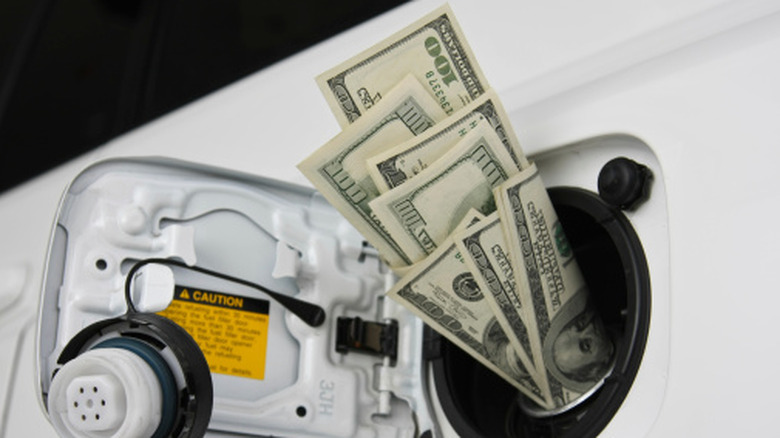
The average price of a new car hitting the $50,000 mark has coincided with higher interest rates and longer loan terms, often extending to 72 or 84 months. This means many consumers are "underwater" on their car loans—owing more than the vehicle is worth—for a longer portion of the ownership cycle. Satisfaction with resale and trade-in values ranked near the bottom of the ACSI automotive benchmarks. When consumers feel that their $50,000 investment is depreciating faster than their satisfaction with the product is growing, the overall "brand health" of the automaker suffers.
Chronology of Declining Satisfaction
The decline in automotive satisfaction relative to other manufacturing sectors can be traced back to the post-pandemic market shift.
- 2021-2022: Supply chain disruptions led to a shortage of semiconductor chips, resulting in "de-contented" vehicles where certain features (like heated seats or parking sensors) were omitted but prices remained high.
- 2023: As inventory levels began to normalize, manufacturers maintained record-high MSRPs, and dealership markups became common.
- 2024: The rapid push toward Electric Vehicles (EVs) introduced "early adopter" frustrations, including inadequate charging infrastructure and software glitches, which are reflected in the low range and technology scores in the current ACSI report.
Broader Implications for the Automotive Industry
The fact that vacuum cleaners currently hold the title for higher customer satisfaction is more than a statistical curiosity; it is an indicator of a fundamental shift in consumer expectations. The "appliance-ification" of the car—where consumers view their vehicle as a tool rather than an aspirational lifestyle choice—means that reliability, ease of use, and value for money are now the primary drivers of loyalty.
If automakers hope to reclaim their lead in consumer satisfaction, the ACSI data suggests a three-pronged approach is necessary. First, there must be a return to intuitive controls. The high "Ease of Operation" score for vacuums proves that consumers value technology that simplifies their lives rather than complicating them. Second, warranty structures must evolve to match the increasing lifespan and complexity of modern vehicles. Finally, the industry must address the "efficiency gap," ensuring that the transition to new energy sources does not come at the expense of range or affordability.
The 2024-2025 ACSI study serves as a reminder that in the eyes of the consumer, the most sophisticated machine in the world is only as good as the service it provides. Until automakers can match the reliability and straightforward utility of a high-end vacuum cleaner, they may find their customers looking elsewhere for value in an increasingly expensive world.